
 設置イメージを表示
 シェアする
シェアする シェアする
シェアする
 詳細を見る
詳細を見る ガイドを表示

 ダウンロード
 似ている作品
 X線調査
X線調査 スライドショーを表示
 Q&A
Q&A 統計情報
統計情報Virgin with the Child

- 105.0 x 77.0 cm


 詳細を表示
詳細を表示
ジークレー/アートプリント
スピーディーな制作と多彩な仕上げオプションが魅力の、ミュージアムクオリティなジークレー・キャンバスプリント。 ( 手描き複製画を注文する デジタル画像販売へ切り替え)




P118B ¥10

P118H ¥10

P118W ¥10

P438Z ¥10

P508JH ¥12

P508YH ¥12

P805H ¥10

P805Z ¥10

P919BZ ¥10

P919G ¥10

P919XJ ¥10

P959ZH ¥10

P968JZ ¥12

W106C ¥8

W218G ¥10

W218JH ¥8

W218Y ¥10

W307PJ ¥10

W316G ¥10

W316PJ ¥8

W316Y ¥10

W398PJ ¥8

W4111J ¥10

W500HY ¥15

W500JH ¥15

W692G ¥12

W849H ¥8

W940BG ¥15

W953PJ ¥8




作品のオリジナル比率に合わせた、当店の規定サイズからお選びください。

額縁や壁のスペースに合わせて、ご希望の幅と高さを入力してください。プリントはカットすることは可能ですが、元の画像より大きくすることはできないため、異なる比率のサイズを選択された場合は、画像の一部が欠けることになります。印刷を開始する前に、内容を確認していただくためのデジタルモックアップをお送りいたします。このページに表示されている画像は、実際のカット後の状態を示すものではありません。実際の仕上がりはモックアップにてご確認ください。


 ガラスオプションは、110cm未満のサイズでのみご利用いただけます。

Virgin with the Child
ジークレー/アートプリント
複製画サイズ一覧
-


合計金額
¥ 12808
A Divine Encounter: Giulio Romano’s ‘Virgin with the Child’
Giulio Romano's “Virgin with the Child,” painted in Rome around 1520, is more than just a depiction of Mary and infant Jesus; it’s a profound exploration of faith, power, and the nascent complexities of Mannerism. Emerging from the shadow of Raphael’s High Renaissance legacy, Romano boldly pushed beyond idealized beauty, embracing a style characterized by dramatic contrasts, unsettling perspectives, and an intense psychological depth – hallmarks that would define the era of Mannerism. This particular work, housed within a 105 x 77 cm canvas, offers a captivating glimpse into this pivotal moment in art history, showcasing Romano’s evolving artistic voice and his masterful command of color, form, and narrative.
The painting immediately draws the eye to the central figures. Mary, rendered with a subtle yet commanding presence, is not presented as a serene Madonna but rather as a woman imbued with authority and a quiet strength. Her blue dress, rich in texture and subtly shimmering, contrasts dramatically with the gold of her crown – a visual declaration of her divine status while simultaneously hinting at worldly power. The infant Jesus, equally captivating, wears his own miniature crown, mirroring his mother’s adornment and suggesting an immediate equality within their sacred bond. The composition is carefully orchestrated; the figures are not simply placed within a space but actively engaged in a dynamic interaction, creating a sense of movement and narrative tension.
Mannerist Innovation: Style and Technique
Romano’s style in “Virgin with the Child” is distinctly Mannerist. He departs from the balanced compositions and harmonious colors of Raphael, favoring instead elongated figures, distorted perspectives, and an almost theatrical use of light and shadow. Notice how the background recedes sharply, creating a sense of spatial ambiguity – a technique known as *sprezzatura*, intended to evoke a feeling of surprise and disorientation. The artist employs a sophisticated layering of pigments, utilizing glazes and scumbles to build up texture and create a luminous quality that is both ethereal and intensely realistic. The use of gold leaf, particularly in the crown and details of the clothing, adds to the painting’s opulence and reinforces its symbolic weight.
Technically, Romano demonstrates a remarkable understanding of anatomy and drapery – skills honed during his apprenticeship with Raphael. However, he deliberately manipulates these elements to achieve a desired expressive effect. The folds of Mary's dress are not simply decorative; they seem to flow and ripple with an inner energy, mirroring the emotional intensity of the scene. Similarly, the infant Jesus’s pose is subtly unsettling, hinting at a vulnerability beneath his angelic appearance.
Historical Context: Rome in Transition
The creation of “Virgin with the Child” coincides with a period of immense upheaval and transformation in Rome. The Sack of 1527 had shattered the city's artistic and political stability, scattering its artists and patrons. Raphael’s untimely death further compounded this crisis, leaving a void that Romano was uniquely positioned to fill. He inherited not only the responsibility for completing unfinished commissions but also the daunting task of redefining the visual language of High Renaissance art. This painting can be viewed as a deliberate assertion of Romano's artistic independence – a bold departure from his master’s style while retaining a deep respect for his legacy.
The presence of the two secondary figures in the background adds another layer of complexity to the scene. Their identities remain ambiguous, perhaps representing the theological or political forces that shaped Mary’s life and role within the Christian narrative. The small object on the ground – resembling a book or scroll – could symbolize divine revelation or the transmission of sacred knowledge. These subtle details invite viewers to engage in a deeper interpretation of the work, moving beyond a simple representation of a religious subject.
Symbolism and Emotional Resonance
Beyond its technical brilliance, “Virgin with the Child” is rich in symbolic meaning. The crown worn by both Mary and Jesus represents their divine authority and connection to God. The blue color associated with Mary often symbolizes purity, loyalty, and truth – qualities essential to her role as the Mother of God. The painting’s overall effect is one of profound emotional resonance. It evokes a sense of reverence, mystery, and perhaps even a touch of melancholy—a recognition of both the beauty and the challenges inherent in faith. This reproduction captures that same evocative power, offering a stunning addition to any art collection or interior space.
Q&A
ジュリオ・ロマーノ作「Virgin with the Child」には何が描かれ、どのような情緒が漂っていますか?
ジュリオ・ロマーノ作「Virgin with the Child」は、virgin mary, child jesus, renaissance, halo, crown, religious, composition, romanoとElegantな雰囲気を融合させています。
「Virgin with the Child」の色味は、どの程度鮮やかですか?
ジュリオ・ロマーノ作「Virgin with the Child」の色調は、Mutedの彩度とMonochromaticの強さを備えています。
制作時期から見て、"Virgin with the Child"はジュリオ・ロマーノのキャリアにおけるどの時期にあたりますか?
1520年という制作年代から、「Virgin with the Child」はジュリオ・ロマーノのMature Periodに属します。
作家プロフィール
ローマの始まりと巨匠の下での修行
ジュリオ・ロマーノ、本名ジュリオ・ピッピは1499年頃にローマで生まれました。ルネサンス盛期という激動の芸術的時代でした。彼の幼少期の詳細はほとんど不明ですが、すぐにラファエロの才能に認められ、その翼の下に入ったことは知られています。この修行は彼の技術的なスキルを磨くだけでなく、将来の様式探求の基礎を築く上で極めて重要な役割を果たしました。彼は単なる工房の手伝いではなく、ラファエロにとって不可欠な協力者となり、教皇ユリウス2世とレオ10世から依頼されたバチカン・スタンツァの装飾など、重要なプロジェクトに貢献しました。彼の筆致は、奇跡的な介入を描いた壮大なフレスコ画『ボルゴの火災』に見出すことができます。ラファエロが早逝した1520年後、ジュリオは枢機卿ジュリアーノ・デ・メディチのためにヴィッラ・マダーマの野心的な装飾を含む、数多くの未完の依頼を継承しました。この初期段階での大規模プロジェクトへの露出と貴族のパトロンからの要求は、彼のその後のキャリアを特徴づける自信と野心を彼に植え付けました。マニエリスムの誕生:古典的な調和からの逸脱
ルネサンスの伝統に深く根ざしている一方で、ジュリオ・ロマーノの芸術的軌跡はすぐに、従来の古典的なバランスと調和を重視する傾向から逸脱しました。彼はマニエリスムという様式の発展における重要な人物となり、その特徴は人工性、優雅さ、そしてしばしば不安な形態の歪みです。ミケランジェロの力強い人物像とダイナミックな構図、そしてより広範な芸術的実験の気候に深く影響を受け、ジュリオは彼の作品において非対称性、緊張感、感情的な強度を取り入れ始めました。これはルネサンスの理想を拒否するものではなく、むしろその限界を探求し、自然主義の制約を超えて、より表現豊かで知的に刺激的な作品を生み出そうとした意図的な試みでした。彼はラファエロの計画を徐々に修正し、ローマの芸術に新しい感性を注入しました—それは大規模なスケールでのマニエリスムの声明でした。この変化は彼のデッサンに見られやすく、驚くべき線の自由と劇的な遠近法の傾向を示しています。マントゥーアの巨匠:パラッツォ・テと建築的革新
1524年、ジュリオはマントゥーア公フェデリコ・ゴンザーガから宮廷画家兼建築家になるように招待されました。これは彼のキャリアにおける転換点となり、前例のない創造的な自由と資源を与えられました。彼は事実上、公国内のすべての芸術活動に責任を持つようになり、絵画やフレスコ画だけでなく、建築プロジェクト、庭園デザイン、さらには演劇制作も監督しました。この時期の彼の最も有名な業績は間違いなくパラッツォ・テであり、その並外れた郊外の別荘は彼の革新的な天才の証です。宮殿の内装は息を呑むような複雑さと心理的な深さを持つイリュージョニズムのフレスコ画で飾られています。たとえば、『巨人たちの間』(Hall of the Giants)は、神々と巨人の混沌とした戦いを描いており、観客を図像と建築的断片が渦巻く渦巻きに巻き込みます。この空間と視点の巧みな操作は畏敬の念を起こさせるだけでなく、不安な没入体験を生み出します。パラッツォ・テ以外にも、ジュリオはマントゥーア公宮殿や大聖堂の大規模な改修も行い、都市景観に消えない足跡を残しました。遺産と永続的な影響
ジュリオ・ロマーノは1546年にマントゥーアで亡くなり、その遺産はイタリアの国境をはるかに超えて広がりました。彼のデッサンはコレクターから高く評価され、特にマルカントニオ・ライモンディによる彼の作品に基づいた版画は、イタリアの芸術様式をヨーロッパ中に広める上で重要な役割を果たしました。彼は死後非常に有名になり、シェイクスピアの劇で言及されている唯一の「現代」のアーティストです—それは彼の広範な名声の証です。彼の影響は、そのダイナミックな構図、細長い人物像、そして表現力豊かな色彩の使用を採用した数多くの後続の芸術家の作品に見られます。マニエリスムが最終的に他の様式運動に取って代わられたとしても、ジュリオ・ロマーノの貢献は西洋美術の進化を理解する上で不可欠です。彼は転換点—高ルネサンスの調和のとれた理想から、16世紀後半のより複雑で感情的な美学への移行を表しています。彼の作品は今日でも観客を魅了し、挑戦し続けており、世界に対する私たちの理解を反映し、形作る芸術の力を思い出させてくれます。
ジュリオ・ロマーノ
1499 - 1546 , イタリア
プロフィール概要
- Artistic Movement Or Style: マニエリスム様式
- Artists Or Movements Influenced By This Artist: ['マニエリスム画家']
- Artists Who Influenced This Artist:
- ラファエロ
- ミケランジェロ
- Date Of Birth: 1499年頃
- Date Of Death: 1546年11月1日
- Full Name: ジュリオ・ロマーノ
- Nationality: イタリア人
- Notable Artworks (List Of Titles):
- ボルゴの火災
- パラッツォ・テ
- ヴィラ・マダーマ
- Place Of Birth (City And Country): ローマ、イタリア
関連記事

Divine Grace: An Art Historian's Journey Through Iconic Masterpieces of the Virgin Mary
Explore the profound beauty of Marian iconography through an art historian's lens. Discover iconic masterpieces by Raphael and Renaissance masters, celebrating the divine grace and timeless elegance of the Virgin Mary in classical fine art.

Italian Renaissance Art: A Procurement Guide to Timeless Masterpieces for High-End Hotel Interiors
A professional procurement guide for hotel designers seeking Italian Renaissance masterpieces. Discover how to utilize chiaroscuro, custom oil reproductions, and large-scale murals to elevate hospitality interiors with timeless, high-impact classical art.

フラ・アンジェリコの傑作25選:ルネサンス美術の神髄と至高の装飾 | OriginalUniqueArt
フラ・アンジェリコの傑作25選。ルネサンス美術の神髄を紐解き、天使のような静謐な色彩と宗教画の世界へ誘います。壁画やフレスコ画の技法、修道院に息づく祈りの絵…OriginalUniqueArtで至高のアートプリントをお手軽に。コレクションを探索する。
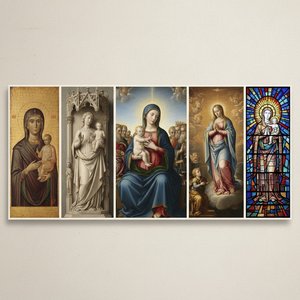
Divine Grace: A Journey Through the Most Iconic Depictions of the Virgin Mary in Art History
Embark on a profound journey through art history with our exploration of the most iconic depictions of the Virgin Mary. Discover the divine grace, symbolism, and masterful techniques found in Renaissance masterpieces and sacred iconography.
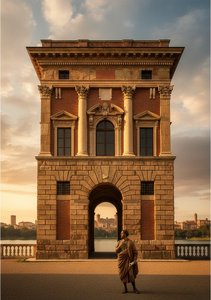
Giulio Romano: A Master of Mannerism & the Palazzo Te Legacy
Explore the revolutionary art of Giulio Romano, master of Mannerism & architect of Palazzo Te. Discover his influence, investment potential, and stunning frescoes – a guide for discerning collectors.
