

 設置イメージを確認
 送る
送る シェア
シェア
 詳細情報
詳細情報 ガイドを表示

 画像をダウンロード
 似ている作品
 X線調査
X線調査 スライドショー
 統計情報
統計情報Façade and courtyard view


 続きを読む
続きを読む
手描き油彩複製画
当社のアーティストが、お客様のご希望のサイズと額縁に合わせて、キャンバスに手描きで制作する油彩画です。 ( プリント版に切り替え デジタル画像販売へ切り替え)




P118B ¥10

P118H ¥10

P118W ¥10

P438Z ¥10

P508JH ¥12

P508YH ¥12

P805H ¥10

P805Z ¥10

P919BZ ¥10

P919G ¥10

P919XJ ¥10

P959ZH ¥10

P968JZ ¥12

W106C ¥8

W218G ¥10

W218JH ¥8

W218Y ¥10

W307PJ ¥10

W316G ¥10

W316PJ ¥8

W316Y ¥10

W398PJ ¥8

W4111J ¥10

W500HY ¥15

W500JH ¥15

W692G ¥12

W849H ¥8

W940BG ¥15

W953PJ ¥8




作品のオリジナル比率に合わせた、当店の規定サイズからお選びください。

特定のフレームやスペースに合わせて、ご希望のサイズをご入力いただけます。選択されたサイズが元の画像の比率と異なる場合、アートワークをトリミングするか、手描きで要素を追加して絵画を拡張いたします。デジタルモックアップ を制作し、制作開始前にご確認(承認)をいただきます。
画面上のプレビューは、実際のトリミングや拡張を正確に反映しているものではありません。最終的な構図は、モックアップによってのみ正確にご確認いただけます。
カスタムサイズもご利用いただけますが、元の比率を維持するためには、あらかじめ用意されたリストからサイズを選択することをお勧めいたします。
ご注文後、OriginalUniqueArt.com チームより詳細な指示をお送りするとともに、仕上がりイメージ(モックアップ)をご提供いたします。


 ガラスオプションは、110cm未満のサイズでのみご利用いただけます。

Façade and courtyard view
再現技法
複製画サイズ一覧
-


合計金額
¥ 46139
A Frozen Moment of Renaissance Grandeur: Exploring Giulio Romano’s “Façade and Courtyard View”
Giulio Romano's "Façade and Courtyard View," painted in 1526, isn’t merely a depiction of architecture; it’s a meticulously crafted illusion, a testament to the burgeoning Mannerist style that challenged the established harmony of the High Renaissance. This remarkable work, now available as a stunning reproduction, offers a captivating glimpse into the world of Federico II Gonzaga and his court in Mantua – a realm where art, architecture, and theatrical spectacle converged with breathtaking ambition. The image itself presents a carefully constructed dialogue between two perspectives: a monochrome, almost ghostly view of an older building alongside a vibrant, color-infused representation of its restored state. This juxtaposition immediately invites contemplation on the passage of time, the nature of preservation, and the enduring power of artistic vision.
The original painting, housed in the Palazzo Te, Mantua, was conceived as part of a larger decorative program for the villa’s expansive grounds. Romano, having been summoned to Mantua by Federico Gonzaga after his time with Raphael in Rome, quickly established himself as the court's principal artist and architect. The palazzo itself—a sprawling complex of interconnected buildings, gardens, and fountains—became a showcase for Romano’s innovative style, blending classical influences with a distinctly Mannerist sensibility. “Façade and Courtyard View” captures this spirit perfectly, demonstrating Romano’s mastery of illusionistic painting and his willingness to push the boundaries of artistic convention.
Mannerism: A Dance of Distortion and Drama
To understand "Façade and Courtyard View," one must grasp the essence of Mannerism. Emerging in the wake of Raphael’s death, it rejected the balanced proportions and serene idealism of the High Renaissance in favor of a more subjective, emotionally charged approach. Mannerist artists sought to create works that were unsettling, ambiguous, and often deliberately distorted – a deliberate departure from the classical ideals of beauty and harmony. Romano embraced this aesthetic with gusto, employing techniques such as elongated figures, exaggerated poses, vibrant colors, and complex spatial arrangements. The painting’s monochrome top image immediately establishes this sense of unease, hinting at decay and neglect, while the color rendition offers a stark contrast – a carefully staged restoration that attempts to recapture a lost grandeur.
Notice how Romano utilizes *trompe-l'oeil* techniques—the art of creating an illusion of three-dimensionality on a two-dimensional surface. The rusticated masonry, with its rough, uneven texture, contrasts sharply with the smooth, polished surfaces of the pilasters and windows. This deliberate juxtaposition creates a dynamic visual tension, drawing the viewer’s eye to specific details and inviting them to question what is real and what is merely an illusion. The subtle shifts in perspective between the two images further enhance this effect, suggesting that we are witnessing not just a building but also a carefully constructed narrative.
Symbolism and the Gonzaga Court
The Palazzo Te itself was designed as a lavish pleasure palace for Federico II Gonzaga, reflecting his wealth, power, and refined taste. The “Façade and Courtyard View” is therefore deeply intertwined with the symbolism of the Gonzaga court. The building’s elaborate decoration—including frescoes depicting mythological scenes, allegorical figures, and portraits of Federico’s ancestors—served to reinforce his authority and celebrate his lineage. The choice of a monochrome image for the older façade suggests a sense of loss and decline, while the color rendition of the restored building symbolizes the Gonzaga family's continued patronage of the arts and their commitment to preserving the legacy of Mantua.
The inclusion of both images—the weathered facade and its vibrant restoration—is particularly significant. It speaks to the cyclical nature of time, the impermanence of beauty, and the enduring human desire to recapture the past. It’s a poignant reminder that art, like memory, can be both cherished and reconstructed.
Bringing Romano's Vision Home
A high-quality reproduction of “Façade and Courtyard View” offers a unique opportunity to bring this extraordinary work into your own space. Whether adorning a formal dining room or a study, this image will serve as a constant source of inspiration—a reminder of the power of artistic vision, the beauty of Mannerist style, and the enduring legacy of Giulio Romano. It’s more than just a painting; it's a portal to a bygone era, a testament to the artistry and ambition of the Gonzaga court.
よくあるご質問
ジュリオ・ロマーノ作「Façade and courtyard view」 のプリントはどこで購入できますか?
ジュリオ・ロマーノ作「Façade and courtyard view」のプリントをご希望の方は、このページよりご注文いただけます:コットンキャンバスまたはアーカイブ品質のキャンバスペーパーに施されたファインアートプリント。
「Façade and courtyard view」の複製画は、お部屋のどの場所に飾るのがおすすめですか?
ジュリオ・ロマーノ作「Façade and courtyard view」 は、Living Room に飾るのがおすすめです。作品の主題、色彩、そして雰囲気に合わせたご提案です。
「Façade and courtyard view」のプレビューはどこで確認できますか?
ジュリオ・ロマーノ作「Façade and courtyard view」のプレビューは、作品のプレビューページでご確認いただけます。
「Façade and courtyard view」の作者は?
「Façade and courtyard view」を手がけたアーティストはジュリオ・ロマーノです。この作品はジュリオ・ロマーノの名でカタログに登録されています。
ジュリオ・ロマーノ作「Façade and courtyard view」は、何年に制作されましたか?
ジュリオ・ロマーノ作「Façade and courtyard view」の制作年は1526年です。
「Façade and courtyard view」が制作されたとき、ジュリオ・ロマーノは何歳でしたか?
ジュリオ・ロマーノは27歳の時に「Façade and courtyard view」を制作しました。作家は1499年に生まれ、本作の制作年は1526年です。
「Façade and courtyard view」は、ジュリオ・ロマーノの通常の作風を代表するものと言えるでしょうか?
「Façade and courtyard view」はarchitecture, palazzo te, giulio romano, renaissance, fresco, italy, mantua, mannerismを描いていますが、ジュリオ・ロマーノのこれまでのテーマとして記録されているのはraphael’s influence, mannerist style, gonzaga court, lavish patronage, roman antiquity, classical motifs, palazzo te, architectural designです。この二つを比較することで、本作が作家のいつもの主題とどのように関連しているかが明らかになります。
アーティストについて
ローマの始まりと巨匠の下での修行
ジュリオ・ロマーノ、本名ジュリオ・ピッピは1499年頃にローマで生まれました。ルネサンス盛期という激動の芸術的時代でした。彼の幼少期の詳細はほとんど不明ですが、すぐにラファエロの才能に認められ、その翼の下に入ったことは知られています。この修行は彼の技術的なスキルを磨くだけでなく、将来の様式探求の基礎を築く上で極めて重要な役割を果たしました。彼は単なる工房の手伝いではなく、ラファエロにとって不可欠な協力者となり、教皇ユリウス2世とレオ10世から依頼されたバチカン・スタンツァの装飾など、重要なプロジェクトに貢献しました。彼の筆致は、奇跡的な介入を描いた壮大なフレスコ画『ボルゴの火災』に見出すことができます。ラファエロが早逝した1520年後、ジュリオは枢機卿ジュリアーノ・デ・メディチのためにヴィッラ・マダーマの野心的な装飾を含む、数多くの未完の依頼を継承しました。この初期段階での大規模プロジェクトへの露出と貴族のパトロンからの要求は、彼のその後のキャリアを特徴づける自信と野心を彼に植え付けました。マニエリスムの誕生:古典的な調和からの逸脱
ルネサンスの伝統に深く根ざしている一方で、ジュリオ・ロマーノの芸術的軌跡はすぐに、従来の古典的なバランスと調和を重視する傾向から逸脱しました。彼はマニエリスムという様式の発展における重要な人物となり、その特徴は人工性、優雅さ、そしてしばしば不安な形態の歪みです。ミケランジェロの力強い人物像とダイナミックな構図、そしてより広範な芸術的実験の気候に深く影響を受け、ジュリオは彼の作品において非対称性、緊張感、感情的な強度を取り入れ始めました。これはルネサンスの理想を拒否するものではなく、むしろその限界を探求し、自然主義の制約を超えて、より表現豊かで知的に刺激的な作品を生み出そうとした意図的な試みでした。彼はラファエロの計画を徐々に修正し、ローマの芸術に新しい感性を注入しました—それは大規模なスケールでのマニエリスムの声明でした。この変化は彼のデッサンに見られやすく、驚くべき線の自由と劇的な遠近法の傾向を示しています。マントゥーアの巨匠:パラッツォ・テと建築的革新
1524年、ジュリオはマントゥーア公フェデリコ・ゴンザーガから宮廷画家兼建築家になるように招待されました。これは彼のキャリアにおける転換点となり、前例のない創造的な自由と資源を与えられました。彼は事実上、公国内のすべての芸術活動に責任を持つようになり、絵画やフレスコ画だけでなく、建築プロジェクト、庭園デザイン、さらには演劇制作も監督しました。この時期の彼の最も有名な業績は間違いなくパラッツォ・テであり、その並外れた郊外の別荘は彼の革新的な天才の証です。宮殿の内装は息を呑むような複雑さと心理的な深さを持つイリュージョニズムのフレスコ画で飾られています。たとえば、『巨人たちの間』(Hall of the Giants)は、神々と巨人の混沌とした戦いを描いており、観客を図像と建築的断片が渦巻く渦巻きに巻き込みます。この空間と視点の巧みな操作は畏敬の念を起こさせるだけでなく、不安な没入体験を生み出します。パラッツォ・テ以外にも、ジュリオはマントゥーア公宮殿や大聖堂の大規模な改修も行い、都市景観に消えない足跡を残しました。遺産と永続的な影響
ジュリオ・ロマーノは1546年にマントゥーアで亡くなり、その遺産はイタリアの国境をはるかに超えて広がりました。彼のデッサンはコレクターから高く評価され、特にマルカントニオ・ライモンディによる彼の作品に基づいた版画は、イタリアの芸術様式をヨーロッパ中に広める上で重要な役割を果たしました。彼は死後非常に有名になり、シェイクスピアの劇で言及されている唯一の「現代」のアーティストです—それは彼の広範な名声の証です。彼の影響は、そのダイナミックな構図、細長い人物像、そして表現力豊かな色彩の使用を採用した数多くの後続の芸術家の作品に見られます。マニエリスムが最終的に他の様式運動に取って代わられたとしても、ジュリオ・ロマーノの貢献は西洋美術の進化を理解する上で不可欠です。彼は転換点—高ルネサンスの調和のとれた理想から、16世紀後半のより複雑で感情的な美学への移行を表しています。彼の作品は今日でも観客を魅了し、挑戦し続けており、世界に対する私たちの理解を反映し、形作る芸術の力を思い出させてくれます。
ジュリオ・ロマーノ
1499 - 1546 , イタリア
アーティスト情報
- Artistic Movement Or Style: マニエリスム様式
- Artists Or Movements Influenced By This Artist: ['マニエリスム画家']
- Artists Who Influenced This Artist:
- ラファエロ
- ミケランジェロ
- Date Of Birth: 1499年頃
- Date Of Death: 1546年11月1日
- Full Name: ジュリオ・ロマーノ
- Nationality: イタリア人
- Notable Artworks (List Of Titles):
- ボルゴの火災
- パラッツォ・テ
- ヴィラ・マダーマ
- Place Of Birth (City And Country): ローマ、イタリア
関連記事
Art That Lives With You: The Emotional Power of a Custom Interior Fresco
Discover the emotional power & timeless beauty of custom interior frescoes. Explore history, design tips & expert guidance from – creating lasting legacies.

The Enduring Legacy of Fresco Painting: Techniques, History & Contemporary Relevance
Explore the rich history & enduring artistry of fresco painting – from Giotto to Michelangelo! Discover techniques, conservation efforts, & modern applications. Learn how OriginalUniqueArt brings this timeless art form to your home.

The Enduring Legacy of Fresco: Technique, History & Artistic Expression Across Cultures
Explore the rich history & enduring legacy of fresco painting! Discover ancient techniques, Giotto's masterpieces, and modern applications. Expert insights for art lovers & professionals.

家族の遺産を壁画で彩る:伝統技法が紡ぐ、時を超越する美と記憶
古代から現代までの壁画の歴史と技法を解説。日本の壁画文化やカスタムオーダーによる家族の遺産表現、保存・修復技術まで網羅。専門家が時を超越する美と記憶を紡ぐ芸術的価値をご案内します。
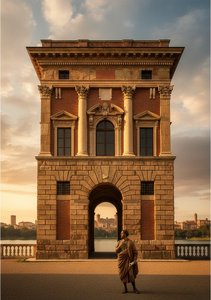
Giulio Romano: A Master of Mannerism & the Palazzo Te Legacy
Explore the revolutionary art of Giulio Romano, master of Mannerism & architect of Palazzo Te. Discover his influence, investment potential, and stunning frescoes – a guide for discerning collectors.
