
 プレビュー
プレビュー
 プリントを購入
 シェアする
シェアする シェアする
シェアする
 詳細を見る
詳細を見る

 ダウンロード
 似ている作品
 X線調査
X線調査 スライドショー
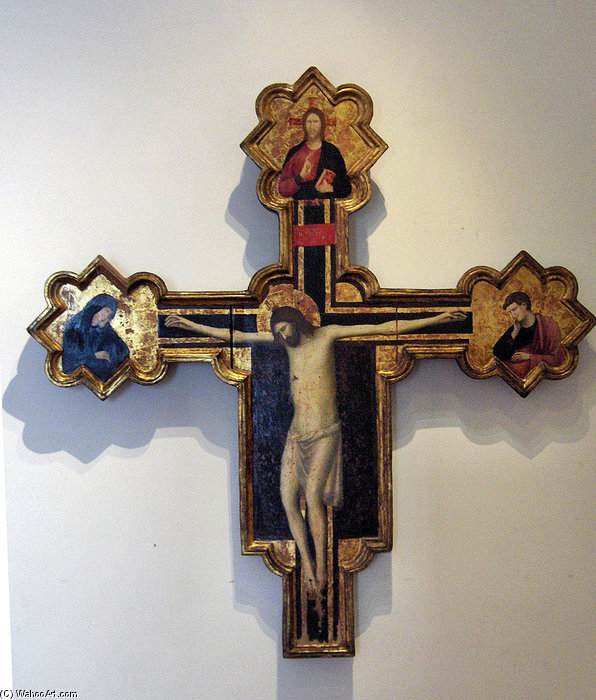
Crocifisso Datato
 詳細を見る
詳細を見る
オンラインプレビューをはるかに凌ぐ、高解像度で鮮明なデジタル画像をご購入いただけます。
各ファイルは、社内の専門家が高度なツールと熟練した手作業によるレタッチを用いて、細心の注意を払って準備されています。すべての画像において、卓越した鮮明度、正確な色彩再現性、そして繊細なディテールを保証いたします。
最終ファイルは、プロフェッショナルな編集・印刷環境ですぐにご利用いただけるよう最適化された状態で、72時間以内にメールにてお届けいたします。これは、一流のデザインスタジオ、出版社、ギャラリーから信頼されているものと同等の品質です。
デジタル画像のご注文に付随する特典
高品質なデジタル画像配信を、確かな品質で。
OriginalUniqueArt.com を選ぶことは、単に画像を手に入れることではありません。それは、プロの手によって精密に仕上げられ、満足保証が付いた高品質なデジタルアートワークを受け取ることを意味します。ご注文いただいた際に自動的に付随する内容は、以下の通りです:

メールですぐにお届け
ご注文から72時間以内に、高解像度のデジタル画像ファイルがメールでお手元に届きます。すぐにそのままご利用いただけます。

AI技術で最適化されたデジタルファイル
お客様の作品は、高度なAIツールと専門家による手作業の編集を組み合わせてプロフェッショナルに最適化されており、細部のディテール、鮮明さ、そして正確な色再現性を最大限に引き出しています。

一生涯無料の再送サービス
ファイルを誤って削除したり、紛失してしまったりしましたか?ご安心ください。いつでも無料で再送いたします。

輸入手数料は一切かかりません
関税や手数料、配送料を気にすることなく、お気に入りのアートワークをすぐにお楽しみいただけます。デジタルダウンロードは常に免税です。

色彩再現の保証
プロ仕様のツールとカラーマネジメント技術を用いることで、デジタル画像が元の色を最大限に忠実に再現することを保証いたします。

60日間満足保証
ご購入いただいたデジタル画像にご満足いただけない場合は、60日以内であれば、修正または100%の返金(理由を問う必要はありません)をさせていただきます。

100% 返金保証
ご満足いただけない場合は、デジタルファイルを受け取ってから60日以内であれば、理由を問わず全額返金いたします。

まとめ買い割引
3枚購入で10%OFF - 5枚購入で15%OFF - 10枚以上購入で20%OFF。クリエイティブなプロジェクト、ギャラリー、エージェンシーに最適です。
作家の略歴
A Life Emerging from the Shadows: Giovanni Francesco da Rimini
Giovanni Francesco da Rimini, a name that resonates softly within the annals of Renaissance painting, represents a fascinating case study in artistic attribution and rediscovery. Born around 1420 in the vibrant city of Rimini, nestled along the Adriatic coast of Italy, he initially existed as little more than a stylistic label – “The Master of the Scenes from the Life of the Virgin” – until diligent scholarship began to piece together his biography through fragmented archival records and compelling artistic evidence. His story is not one of meteoric rise or groundbreaking innovation, but rather a testament to consistent skill, devout artistry, and a subtle yet significant contribution to the religious painting of his time.Early Training and Artistic Wanderings
The details of Giovanni Francesco’s early training remain elusive, shrouded in the typical obscurity that often surrounds artists predating widespread biographical documentation. It is believed he began his artistic journey within the local workshops of Rimini, absorbing the prevailing northern Italian traditions characterized by a blend of lingering Gothic sensibilities and the nascent stirrings of Renaissance naturalism. By 1441, documents place him in Padua, a crucial center for artistic exchange under the influence of Francesco Squarcione, whose workshop fostered a revivalist interest in classical antiquity. This period likely exposed Giovanni Francesco to a broader range of influences, shaping his developing style and technical approach. His movements continued, with repeated appearances in Bologna between 1459 and 1469, where he undertook numerous commissions for church altarpieces and devotional panels. These travels weren’t merely geographical shifts; they were immersions into diverse artistic climates, each leaving an imprint on his evolving oeuvre.A Style of Quiet Devotion
Giovanni Francesco da Rimini's paintings are immediately recognizable by their distinctive character – a quiet devotion that permeates every brushstroke. He primarily worked in egg tempera on wood panels, favoring intimate compositions centered around the Virgin and Child. His figures possess a gentle grace, with fair complexions, large expressive eyes, and an overall sense of serene piety. While contemporaries were experimenting with dramatic perspective and anatomical precision, Giovanni Francesco remained largely faithful to established conventions. This isn’t to suggest a lack of skill; rather, his mastery lay in refining existing traditions, imbuing them with a delicate emotionality and meticulous attention to detail. His use of gold leaf adds a luminous quality to his works, enhancing the spiritual atmosphere and emphasizing the sacred nature of his subjects. The architectural settings within his paintings – often featuring classical arches and columns – provide a dignified backdrop for these tender scenes, evoking a sense of timeless reverence.Influences and Artistic Connections
Pinpointing specific influences on Giovanni Francesco’s work is a complex undertaking. While the impact of Squarcione's workshop in Padua is evident, particularly in his early works, he also demonstrates an awareness of other regional styles. Some scholars have noted connections to Bonfigli, whose influence can be seen in certain aspects of his composition and color palette. More intriguingly, the sculptures of Agostino di Duccio appear to have informed his depictions of depth and form, suggesting a broader engagement with contemporary sculptural practices. However, Giovanni Francesco never fully embraced the radical innovations of artists like Mantegna or Piero della Francesca. His style occupies a unique position – a bridge between the Gothic past and the burgeoning Renaissance, characterized by a conservative approach that prioritized religious piety over groundbreaking naturalism.Legacy and Historical Significance
Giovanni Francesco da Rimini died in Bologna around 1469, leaving behind a relatively small but remarkably consistent body of work. For centuries, his paintings were attributed to various anonymous masters, their authorship lost to the passage of time. It wasn’t until the early 20th century that Corrado Ricci began to systematically identify and attribute works to “Hovanes Franciscus da Rimino,” initiating a process of rediscovery that continues today. While he may not be a household name like Leonardo or Michelangelo, Giovanni Francesco's contribution to Renaissance art is significant. He represents the often-overlooked artists who sustained regional traditions, catering to the devotional needs of private patrons and contributing to the rich tapestry of Italian painting beyond the major artistic centers of Florence and Venice. His works offer a poignant glimpse into the spiritual life of the 15th century, reminding us that beauty and devotion can flourish even in the shadows of more celebrated masters. His paintings are not about revolution; they are about reverence.
giovanni francesco da rimini
1425 - 1470 , Italy
プロフィール概要
- Artistic Movement Or Style: Renaissance painting
- Artists Who Influenced This Artist:
- Agostino di Duccio
- Bonfigli
- Date Of Birth: 1425
- Date Of Death: 1470
- Full Name: Giovanni Francesco da Rimini
- Nationality: Italian
- Notable Artworks:
- Stories of the Life of Christ
- St Philip; St Paul
- Virgin and Child
- Place Of Birth: Rimini, Italy

