
 プレビュー
プレビュー
 プリントを購入
 シェアする
シェアする シェアする
シェアする
 詳細を見る
詳細を見る

 ダウンロード
 似ている作品
 X線調査
X線調査 スライドショー
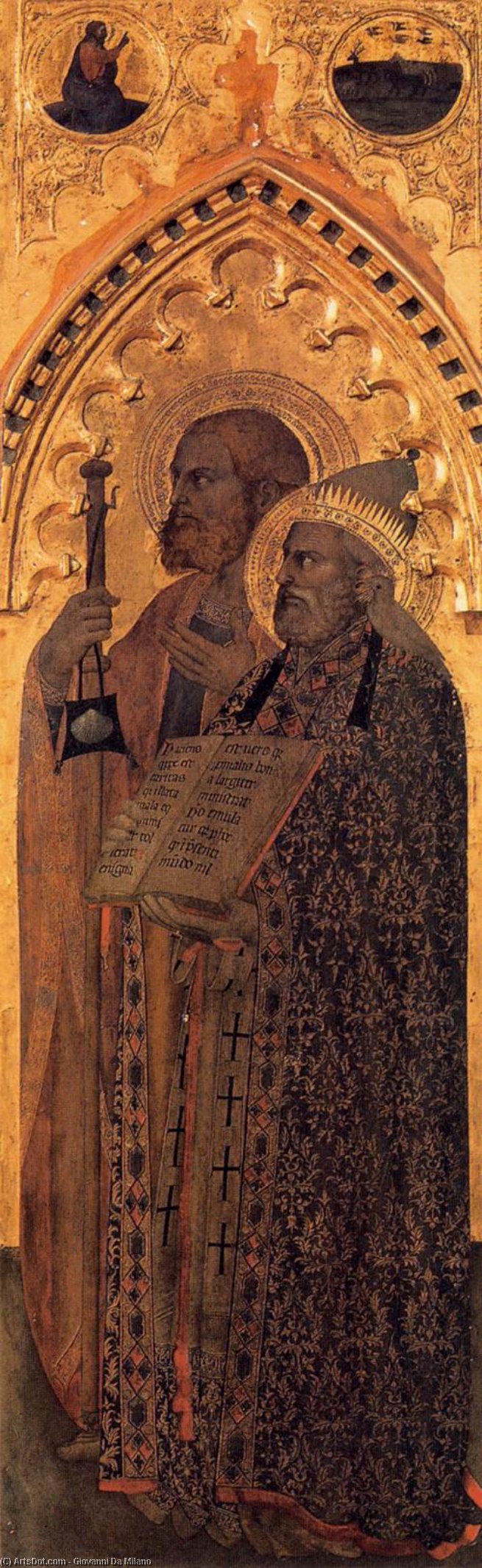
Ognissanti Polyptych: lateral panel
 Acrylic On Canvas
- WallArt
- Proto-Renaissance
 133.0 x 41.0 cm
 ウフィツィ美術館
 詳細を見る
詳細を見る




P118B $10

P118H $10

P118W $10

P438Z $10

P508JH $12

P508YH $12

P805H $10

P805Z $10

P919BZ $10

P919G $10

P919XJ $10

P959ZH $10

P968JZ $12

W106C $8

W218G $10

W218JH $8

W218Y $10

W307PJ $10

W316G $10

W316PJ $8

W316Y $10

W398PJ $8

W4111J $10

W500HY $15

W500JH $15

W692G $12

W849H $8

W940BG $15

W953PJ $8




作品のオリジナル比率に合わせた、当店の規定サイズからお選びください。

特定のフレームやスペースに合わせて、ご希望のサイズをご入力いただけます。選択されたサイズが元の画像の比率と異なる場合、アートワークをトリミングするか、手描きで要素を追加して絵画を拡張いたします。デジタルモックアップ を制作し、制作開始前にご確認(承認)をいただきます。
画面上のプレビューは、実際のトリミングや拡張を正確に反映しているものではありません。最終的な構図は、モックアップによってのみ正確にご確認いただけます。
カスタムサイズもご利用いただけますが、元の比率を維持するためには、あらかじめ用意されたリストからサイズを選択することをお勧めいたします。
ご注文後、OriginalUniqueArt.com チームより詳細な指示をお送りするとともに、仕上がりイメージ(モックアップ)をご提供いたします。


 ガラスオプションは、110cm未満のサイズでのみご利用いただけます。

Ognissanti Polyptych: lateral panel
複製技法
複製画のサイズ
-


合計金額
$ 300
作品解説
Giovanni da Milano: A Pioneer of Florentine Proto-Renaissance
Giovanni da Milano (1346 – 1369), a name whispered with reverence within the annals of early Renaissance art, stands as an emblem of artistic transformation—a crucial nexus between the opulent grandeur of Gothic tradition and the nascent embrace of naturalism that would herald the flowering of the Florentine Renaissance. Born Giovanni di Jacopo di Guido da Caversaccio in Lombardy around 1346, his artistic journey unfolded primarily within the vibrant intellectual and cultural crucible of Florence during a period defined by seismic shifts in artistic sensibilities and burgeoning humanist ideals. Though tragically curtailed by premature death at just twenty-three, Giovanni’s legacy endures as a testament to his singular contribution—a foundational step toward redefining visual representation and establishing the stylistic bedrock upon which subsequent masters would build their reputations.- Early Life & Training: Little is known definitively about Giovanni's formative years beyond documented records indicating he resided in Florence from 1346, where he was listed as Johannes Jacobi de Commo amongst foreign painters actively engaged in the artistic ferment of Tuscany. This initial Florentine presence underscores the city’s irresistible allure for artists seeking to transcend stylistic conventions and explore new avenues of creative expression.
- The Ognissanti Polyptych: Giovanni's most celebrated achievement—the monumental Ognissanti Polyptych—commissioned by the Humiliati order in Florence, exemplifies his mastery of Gothic techniques infused with proto-Renaissance sensibilities. Completed circa 1360, this ambitious altarpiece showcases a masterful blend of Byzantine influence and Florentine innovation, reflecting the broader artistic currents shaping the era.
- Stylistic Characteristics: Giovanni’s distinctive style is characterized by an exceptional sensitivity to color—particularly iridescent hues—and meticulous attention to detail. His figures possess remarkable anatomical accuracy, achieved through painstaking observation and rendering techniques reminiscent of Giotto di Bondone, marking a decisive departure from stylized depictions prevalent in preceding generations.
- Symbolism & Narrative: The polyptych’s iconography draws heavily upon biblical narratives, conveying profound theological themes—primarily the Coronation of the Virgin—through carefully orchestrated compositions and symbolic gestures. Giovanni skillfully employs drapery folds and facial expressions to imbue his figures with emotional depth, capturing the spiritual fervor characteristic of medieval piety.
- Legacy & Rediscovery: Despite a tragically brief artistic career, Giovanni da Milano’s influence extended far beyond his immediate output. Giorgio Vassari's account in 1568 cemented his reputation as a pivotal figure in Florentine art history—a testament to the enduring power of observation and artistic innovation. The Uffizi Gallery acquired the polyptych in 1863, ensuring its preservation for posterity and cementing Giovanni’s place among the titans of Proto-Renaissance painting.
The Ognissanti Polyptych: A Masterpiece of Florentine Gothic Revival
The Ognissanti Polyptych—a cornerstone of Florentine art history—represents a remarkable synthesis of Byzantine artistic traditions and emerging naturalistic tendencies. Measuring approximately four metres tall and three metres wide, this monumental altarpiece commissioned by the Humiliati order embodies the spiritual aspirations of Florence during its formative years as a Renaissance centre. Its six panels depict scenes from Genesis, meticulously rendered with vibrant colours and imbued with profound symbolic significance—a testament to Giovanni’s unwavering commitment to conveying theological truths through visual eloquence. The meticulous drapery folds and expressive facial features achieved by Giovanni da Milano are particularly noteworthy, demonstrating his mastery of technique and foreshadowing the stylistic breakthroughs that would characterize the Renaissance movement.Technique & Materials: A Fusion of Tradition
Giovanni da Milano’s artistic prowess is evident in his masterful manipulation of pigments—primarily iridescent hues—and painstaking application of paint onto gesso panels. His meticulous observation of human anatomy—inspired by Giotto di Bondone—is reflected in the remarkably realistic depiction of figures, achieved through a technique characterized by densely packed lines that capture subtle nuances of form and texture. The use of gold leaf—particularly prominent in the central panel—further enhances the polyptych’s visual splendor and underscores its status as a devotional masterpiece.Emotional Impact & Artistic Significance
The Ognissanti Polyptych transcends mere decorative grandeur; it communicates profound spiritual emotion—capturing the fervor of medieval piety through carefully orchestrated compositions and symbolic gestures. Giovanni da Milano's ability to convey psychological depth—evident in his expressive facial expressions and nuanced portrayal of human emotions—solidifies his position as a pioneer of Renaissance artistic sensibility, marking a decisive step away from stylized representations toward an idealized vision of humanity rooted in observation and anatomical accuracy. Its enduring influence continues to inspire artists today, serving as a timeless exemplar of artistic excellence and spiritual contemplation.アーティストの略歴
フィレンツェでの滞在:ジョヴァンニ・ダ・ミラノの生涯と芸術
プロト・ルネサンス美術の歴史に静かに、しかし深く響き渡る名、ジョヴァンニ・ダ・ミラノ。彼の存在は、イタリア絵画における極めて重要な転換点、すなわちゴシック期の優美な叙情性と、後のルネサンスを定義することになる勃興期の自然主義とを繋ぐ架け橋を象徴しています。1346年頃、ロンバルディアにジョヴァンニ・ディ・ジャコポ・ディ・グイド・ダ・カヴェルサーッチの名で生まれた彼の芸術的旅路は、激しい変化と革新の時代を迎えたフィレンツェの活気あふれる文化的風景の中で主に展開されました。1369年にその生涯は悲劇的に断たれ、残された作品群は比較的少数ではあるものの、イタリア絵画の進化に対する彼の貢献は否定しようのないほど深い影響力を持っています。彼の存在を示す最古の記録は、1346年10月17日のフィレンツェの公文書に遡ります。そこには、トスカーナに居住する外国人画家の一人として「ヨハネス・ヤコビ・デ・コンモ」の名が記されており、これは新たな機会と豊かな芸術的環境を求める画家たちを惹きつけてやまなかった、当時のフィレンツェの磁力的な魅力を物語っています。この移住は、単なる移動ではなく、自らの研鑽のために、故郷ロンバルディアを離れて芸術的革新の震源地へと身を投じた、意図的な探求であったことを示唆しています。ジョットの残響:様式と影響
ジョヴァンニ・ダ・ミラノの画風は、数十年前から中世絵画の慣習を打ち壊し始めていた革命的芸術家、ジョット・ディ・ボンドネのそれと密接に結びついています。しかし、彼は単なる模倣者ではありませんでした。むしろ、自然主義的な表現への重点、感情の豊かさ、そして空間的な奥行きといったジョットの革新を吸収し、それを彼自身の芸術的感性というフィルターを通して昇華させたのです。彼の作品には、ゴシック美術特有の様式化された人物像や平坦な遠近法を超えようとする明確な試みが見て取れます。人間としての形態を描き出し、表情や身振りを通じて真実味のある感情を伝えるために、より高度なリアリズムを追求したのです。その情熱は、衣襞(ドレーパリー)の緻密な造形、光と影の繊細なニュアンス、そして人物に重厚感と量感を与える全体的な表現の中に息づいています。また、彼は孤立して創作していたわけではありません。ジョットの息子であるジョッティーノや、タッデオ・ガッディの息子たちといった当時の著名な画家たちと交流し、最先端の芸術的手法に触れることで、自身の様式をさらに発展させました。こうした共同作業は、ダイナミックな思想の交換を促し、彼独自のヴィジョンを形作る一助となりました。ジョットへの深い敬意を抱きつつも、色彩の繊細な使い方や洗練されたディテールにはシエナ派の影響の兆しも見られ、イタリア全土に流れる多様な芸術的潮流と彼が深く関わっていたことを示しています。傑作と芸術的遺産
そのキャリアは短期間であったものの、ジョヴァンニ・ダ・ミラノは、進化し続ける様式と卓越した技術を示す重要な作品を数多く残しました。フィレンツェのウフィツィ美術館に収蔵されているオニサンティ祭壇画、特にその側面のパネルは、彼の成熟した作風を示す白眉といえます。宗教的な文脈における細部への緻密なこだわりは目を見張るものがあり、聖なる主題に人間としての尊厳と感情的な共鳴を吹き込む彼の手腕を証明しています。他にも、ミラネーゼ美術における自然主義と信心深い美の極致を示す傑作寄進者とともに描かれた聖母子や、静謐な構図、土の色調、そして象徴的な深みを湛えた、心を打つアッシジの聖フランチェスコなどが挙げられます。さらに、緻密な細部と象徴的な美しさを放つ油彩画聖母戴冠は、当時の芸術的景観における彼の地位をより確固たるものにしています。フィレンツェのサンタ・クローチェ教会のリヌッチーニ礼拝堂に残されたフレスコ画、特に聖母マリアとマグダラのマリアの生涯を描いた場面は、物語的な構成力と表現力豊かな人物描写における彼の卓越した支配力を露わにしています。過渡期の巨匠
ジョヴァンニ・ダ・ミラノの歴史的な重要性は、プロト・ルネサンスにおける極めて重要な「過渡期の人物」としての役割にあります。彼はジョットのような革命児ではありませんでしたが、既存の芸術的伝統を巧みに統合しながら、より大きな自然主義と感情の深みへと向かって、静かに境界線を押し広げていきました。観察の力、人間の感情の重要性、そして複雑な物語を伝える絵画の可能性を示すことで、彼は後のルネサンスの画家たちが歩む道を切り拓いたのです。彼の作品は、古典古代への関心の高まり、ヒューマニズム(人文主義)の再興、そして中世美術の硬直した慣習からの緩やかな脱却という、14世紀イタリアの変容しゆく芸術的風景を体現しています。その生涯はあまりにも短かったものの、ジョヴァンニ・ダ・ミラノの遺志は、芸術的革新の力、そして美、信仰、人間表現が持つ永遠の魅力を伝える証として生き続けています。彼の描く絵画は、繊細な優雅さ、感情的な強烈さ、そして深い精神的な響きをもって今なお観る者を魅了し、西洋美術史における決定的な瞬間を私たちに垣間見せてくれるのです。さらなる探求のために
- シエナのサン・ジョヴァンニ美術館:ロレンツォ・ギベルティやドメニコ・ディ・パーチェ・ベッカフーミといった芸術家たちと並び、ジョヴァンニ・ダ・ミラノの素晴らしいコレクションを収蔵しています。
- メトロポリタン美術館:「寄進者とともに描かれた聖母子」を展示しており、彼の様式と技法を知る手がかりを与えてくれます。
- Web Gallery of Art (WGA):包括的な伝記とともに、デジタル化された作品画像にアクセスすることができます。

ジョヴァンニ・ダ・ミラノ
1346 - 1369 , イタリア
基本情報
- Artistic Movement Or Style: プロト・ルネサンス
- Artists Or Movements Influenced By This Artist: ['ルネサンスの芸術家']
- Artists Who Influenced This Artist: ['ジョット・ディ・ボンドーネ']
- Date Of Birth: 1346年
- Date Of Death: 1369年
- Full Name: ジョヴァンニ・ダ・ミラノ
- Nationality: イタリア
- Notable Artworks:
- オニサンティ・ポリプティック
- 聖母子
- アッシジの聖フランチェスコ
- 聖母戴冠
- Place Of Birth: イタリア、ロンバルディア
関連記事
レオナルド・ダ・ヴィンチ:至高の25選 - 芸術、科学、そして不朽の名作の世界
レオナルド・ダ・ヴィンチの至宝25選。モナリザ、最後の晩餐…ルネサンス美術を代表する名画の世界へ。芸術史、技法、そして感動の物語を紐解き、お部屋に飾る高級複製画で特別な空間を。OriginalUniqueArt.comで全コレクションをご覧ください。

Leonardo da Vinci: A Renaissance Master’s Synthesis of Art, Science & Human Observation – Reinterpreted for the Collector
Explore Leonardo da Vinci’s timeless masterpieces with OriginalUniqueArt. Discover insights into his art, science, and legacy – trusted expertise for discerning collectors seeking authentic reproductions & investment opportunities.
ウフィツィ美術館の至宝25選:ルネサンス巨匠たちの傑作とアートデコレーション
ウフィツィ美術館の至宝25選:ボッティチェリ、レオナルド・ダ・ヴィンチ…ルネサンス巨匠たちの傑作と感動的な物語を紐解きます。高品質な絵画複製やアートプリントで、お部屋に名画の輝きを。OriginalUniqueArt.comで芸術の世界へ。
Proto-Renaissance Masters: 10 Artworks That Changed History | OriginalUniqueArt
Journey back to the dawn of Renaissance art! Explore 10 iconic Proto-Renaissance masterpieces by Giotto, Cimabue & Duccio. Discover their stories, techniques & lasting impact. Find museum-quality reproductions for your home at OriginalUniqueArt.com

Giovanni Giacometti: Sculpting Existentialism – A Study of Form, Space, and the Human Condition
Explore the profound artistic journey of Giovanni Giacometti, father to Alberto. Discover his unique transition from Surrealism to Existentialist sculpture and painting – a compelling study for elite collectors and art enthusiasts.

