

 設置イメージを確認
 送る
送る シェア
シェア
 詳細情報
詳細情報 ガイドを表示

 画像をダウンロード
 似ている作品
 X線調査
X線調査 スライドショー
 統計情報
統計情報Pietà (detail) (14)


 続きを読む
続きを読む
ジークレー/アートプリント
スピーディーな制作と多彩な仕上げオプションが魅力の、ミュージアムクオリティなジークレー・キャンバスプリント。 ( 手描きの複製画を注文する デジタル画像販売へ切り替え)




P118B $10

P118H $10

P118W $10

P438Z $10

P508JH $12

P508YH $12

P805H $10

P805Z $10

P919BZ $10

P919G $10

P919XJ $10

P959ZH $10

P968JZ $12

W106C $8

W218G $10

W218JH $8

W218Y $10

W307PJ $10

W316G $10

W316PJ $8

W316Y $10

W398PJ $8

W4111J $10

W500HY $15

W500JH $15

W692G $12

W849H $8

W940BG $15

W953PJ $8




作品のオリジナル比率に合わせた、当店の規定サイズからお選びください。

特定のフレームやスペースに合わせて、ご自身でサイズを指定することも可能です。選択されたサイズが元の画像の比率と一致しない場合、作品をトリミングするか、鏡面反射または単色での塗りつぶしによって画像を拡張いたします。制作を開始する前に、ご確認用のデジタルモックアップをお送りいたします。
画面上のプレビューには、実際のトリミングや拡張は反映されませんのでご注意ください。最終的な構図を正確に確認できるのは、モックアップのみとなります。
カスタムサイズも承っておりますが、元の比率を維持するためには、あらかじめ用意されたリストからサイズを選択することをお勧めいたします。


 ガラスオプションは、110cm未満のサイズでのみご利用いただけます。

Pietà (detail) (14)
ジークレー/アートプリント
複製画サイズ一覧
-


合計金額
$ 80
The Lamentation of Christ – A Venetian Masterpiece
Giovanni Bellini’s “Pietà” (circa 1460), housed within the Museo Poldi Pezzoli in Milan, isn't merely a depiction of sorrow; it’s a profound meditation on grief, faith, and the enduring human connection to suffering. Born into a family steeped in artistic tradition – his brother Gentile was already establishing himself as a prominent painter – Bellini embarked on a journey of stylistic evolution, ultimately forging a uniquely Venetian approach that blended Byzantine solemnity with burgeoning Renaissance realism. This particular Pietà stands as a pivotal moment in his career, showcasing a masterful command of color and composition, and revealing the artist’s deep understanding of human emotion.
The painting immediately draws the eye to its central figures: Mary, draped in flowing robes of deep blue and grey, cradles the lifeless body of Christ. His posture is remarkably serene, almost accepting, a stark contrast to the palpable anguish radiating from her face. The composition isn’t one of dramatic action; instead, it favors a quiet intimacy, drawing the viewer into this private moment of mourning. Bellini deliberately avoids overt theatricality, opting for a restrained elegance that speaks volumes about the depth of their shared sorrow. Notice how he subtly shifts the weight of Christ's body, emphasizing his vulnerability and the profound loss experienced by his mother.
Technique and Materials – A Symphony of Color
Bellini’s genius lies not only in his subject matter but also in his innovative use of materials and technique. Unlike many of his contemporaries who favored tempera on panel, Bellini embraced the burgeoning oil medium introduced to Venice by Antonello da Messina around 1473. This allowed him to achieve a level of luminosity and richness of color previously unattainable with tempera. The deep blues, purples, and greys – meticulously layered and blended – create an atmosphere of somber beauty, while subtle highlights suggest the play of light on the figures’ garments and flesh.
The artist's meticulous attention to detail is evident in every brushstroke. Observe how he renders the folds of Mary’s robe with a remarkable sense of volume and texture, and how he captures the delicate contours of Christ’s face – a subtle hint of a smile suggesting acceptance rather than despair. The background landscape, rendered in muted tones, serves not as a mere backdrop but as an integral part of the composition, contributing to the overall mood of quiet contemplation.
Symbolism and Context – Echoes of Byzantine Tradition
The “Pietà” is deeply rooted in the iconography of mourning that had its origins in Byzantine art. The image of a Virgin cradling the dead Christ was a common motif throughout the medieval and early Renaissance periods, serving as a powerful symbol of maternal love, sacrifice, and redemption. Bellini skillfully adapts this tradition to his Venetian context, imbuing it with a distinctly personal and emotional resonance.
However, Bellini’s work transcends mere imitation. He subtly departs from the rigid formality of Byzantine iconography, introducing a greater sense of naturalism and psychological depth. The inclusion of John the Evangelist, leaning over Christ's body in a gesture of profound grief, adds another layer of complexity to the scene. The inscription at the base – “HAEC FERE QUUM GEMITUS TURGENTIA LUMINA PROMANT” (“When these swelling eyes evoke groans”) – further emphasizes the emotional intensity of the moment and alludes to the biblical account of Christ’s final hours.
A Timeless Reflection on Loss
“Pietà” is more than just a beautiful painting; it's a poignant meditation on loss, faith, and the enduring power of human connection. Bellini’s masterful use of color, composition, and symbolism creates an image that continues to resonate with viewers centuries after its creation. It invites us to contemplate our own experiences of grief and to reflect on the profound mystery of suffering and redemption. Reproductions of this masterpiece capture a fraction of the original's emotional depth, offering a window into the heart of one of Venice’s greatest artistic treasures.
アーティストについて
ヴェネツィアの巨匠:ジョヴァンニ・ベッリーニの生涯と遺産
ヴェネツィアにおけるルネサンスの開花を象徴する名、ジョヴァンニ・ベッリーニ。彼はビザンティン美術の伝統と、16世紀を定義することになる革新的な精神を繋ぐ、極めて重要な役割を果たした人物です。1430年頃(史料によっては1433年とも)に、芸術の世界に深く根ざした家庭に生まれたベッリーニの歩みは、絶え間ない進化の過程でした。そこには、色彩と光に対する深い感受性、そして当時芽生えつつあったヒューマニズムへの鋭い洞察が刻まれています。彼の家族関係については長年議論されてきました。かつてはヤコポ・ベッリーニを父と考えていましたが、近年の研究では、ヤコポは兄であり、ジェンティーレ・ベッリーニは弟ではなく甥であったという説が有力視されています。こうした複雑な背景はあるにせよ、若きジョヴァンニは創造性と卓越した技術に満ちた工房の中で育ち、幼い頃から絵画の基礎を吸収していきました。初期の修行では当時主流だったテンペラ技法を用いたと考えられますが、彼を唯一無二の存在たらしめたのは、観察眼と感情表現における天賦の才でした。初期の受容と芸術的発展
15世紀のヴェネツィアの芸術的景観は、多様な影響が混ざり合う稀有なものでした。主要な交易拠点であったこの都市は、芸術家たちを多種多様な様式や思想にさらす一方で、ビザンティンの伝統も依然として強い影響力を保っていました。ベッリーニの初期作品には、この二面性が反映されています。当初のスタイルは父や兄ジェンティーレの影響を色濃く受け、緻密な細部描写と、やや抑制された感情表現が特徴でした。しかし、こうした初期の作品の中にさえ、後の輝かしい才能の片鱗が見て取れます。光の繊細な扱い、自然主義的な風景への関心の高まり、そして宗教的な人物像に人間的な哀愁を宿らせる能力です。また、義理の兄であるアンドレア・マンテーニャの影響も、線の明晰さや彫刻的な形態の中に顕著に現れています。ベッリーニの初期の依頼案件には、ジェンティーレら他の著名なヴェネツィア人画家と共に取り組んだ「スクオーラ・ディ・サン・マルコ」への寄稿のような共同プロジェクトも多く含まれていました。こうした大規模な作品制作は彼にかけがえのない経験を与え、当時の最も才能ある画家たちと共に切磋琢砂する機会となったのです。ヴェネツィア絵画の革命:色彩、光、そして油彩
ベッリーニが成し遂げた真の革命は、油彩画の受容にありました。彼は決してこの技法の発明者ではありませんでしたが、その潜在能力を最大限に引き出した最初のヴェネツィア人画家の一人でした。速乾性があり、精密で線的なアプローチを必要としたテンペラとは異なり、油彩はより豊かな色彩の混色や、繊細な階調の変化を可能にしました。この新たな自由によって、ベッリーニはかつてない奥行きと輝きを持つ絵画を生み出すことができたのです。彼の色彩感覚はますます洗練され、初期ヴェネツィア絵画に見られた鮮やかで時に強すぎる色調から、よりニュアンスに富んだ調和のとれたパレットへと移行していきました。彼は光と大気の効果を見事に捉え、風景画に静謐さとリアリズムを吹き込み、それは当時において画期的なことでした。この油彩技法の習熟は、彼自身の作品を変貌させただけでなく、官能性、色彩の豊かさ、そして空気遠近法を特徴とする「ヴェネシア派」の独自の様式を確立する礎となりました。彼の描く絵画は内なる輝きを放ち始め、観る者の心に響く精神的な深みを反映していったのです。成熟期の作品と永続する影響力
芸術家として成熟するにつれ、ベッリーニのヴィジョンはさらなる進化を遂げました。サン・ザッカリア教会やサンタ・コロナ教会のために制作された祭壇画には、象徴的な意味と感情的な共鳴に満ちた複雑な構図を生み出す彼の能力が示されています。ナポリのカポディモンテ美術館に収蔵されている『変容』は、成熟した様式の典型であり、洗練された芸術的力と静かな精神性が融合しています。また、彼はドゥカーレ宮殿の絵画守護官も務め、ヴェネツィアを代表する画家としての地位を不動のものにしました。その影響は、彼の生涯を超えて広がっていきました。ジョルジョネやティツィアーノといった次世代の画家たちのメンターとなり、彼らはベッリーニの遺志を継承し、ヴェネツィア美術の境界をさらに押し広げていきました。弟子たちはベッリーニの技法と美学を吸収し、それを自身の個性に適応させることで、ヴェネツィア絵画の黄金時代に貢献したのです。後世の数えきれないほどの芸術家の作品に見られるベッリーニの足跡は、彼がルネサンスの真の巨匠であることを証明しています。1516年にヴェネツィアで没した後も、その作品群は何世紀にもわたって畏敬と称賛を集め続けています。時代を超えて受け継がれる遺産
ジョヴァンニ・ベッリーニの重要性は、技術的な革新や芸術的達成にとどまりません。彼は、人間性、精神性、そして芸術と自然の関係について新たな思想が葛藤していた、変革期にある世界の精神を捉えました。彼の絵画は単なる宗教場面の再現ではありません。それは信仰、美、そして人間の在り方に対する深い瞑想なのです。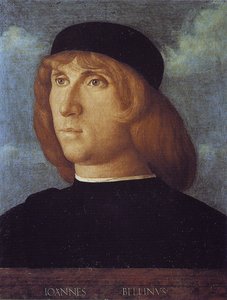
ジョヴァンニ・ベッリニ
1433 - 1516 , Italy
アーティスト情報
- Artistic Movement Or Style: ヴェネツィア美術学校
- Artists Or Movements Influenced By This Artist:
- ジョルゴネ
- ティツィアン
- Artists Who Influenced This Artist:
- ジャコポ・ベリニ
- ジェンテ・ダ・ファブラニョ
- Date Of Birth: c. 1430
- Date Of Death: 1516
- Full Name: Giovanni Bellini
- Nationality: イタリア人
- Notable Artworks:
- 聖母と幼子の昇天
- 聖母と幼子
- サン・マルコ広場
- Place Of Birth: Venice, Italy
関連記事
フラ・アンジェリコの傑作25選:ルネサンス美術の神髄と至高の装飾 | OriginalUniqueArt
フラ・アンジェリコの傑作25選。ルネサンス美術の神髄を紐解き、天使のような静謐な色彩と宗教画の世界へ誘います。壁画やフレスコ画の技法、修道院に息づく祈りの絵…OriginalUniqueArtで至高のアートプリントをお手軽に。コレクションを探索する。
ラファエロ傑作25選:ルネサンス巨匠の物語と芸術の世界 | OriginalUniqueArt
ラファエロの傑作25選🎨 ルネサンス巨匠の物語と芸術の世界を紐解きます。美しい絵画複製や壁掛けアートで、お部屋に名画の彩りを。OriginalUniqueArt.comで、美術史に残る作品群をご覧ください✨
Vittore Carpaccio: Venetian Renaissance Narrative & the Poetics of Detail
Explore the captivating world of Vittore Carpaccio, a master storyteller of the Venetian Renaissance. Discover his intricate details, narrative cycles like 'The Legend of St. Ursula,' and unique artistic style.

Venetian Renaissance: The Mastery of Color, Light, and the Art of Colorito
Explore the luminous mastery of the Venetian Renaissance. Discover how masters like Titian and Giorgione revolutionized art through colorito, light, and atmosphere. An expert guide to the golden age of Italian painting for collectors and enthusiasts.
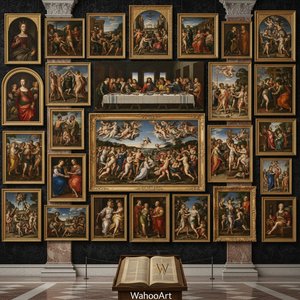
ジャコポ・ティンコレット:至高の25選 – ヴェネツィア巨匠のドラマと光の世界 | OriginalUniqueArt
ジャコポ・ティンコレットの至高の25選。ドラマと光の世界を彩るヴェネツィア派巨匠の名画を紐解きます。ルネサンス絵画からバロック絵画まで、OriginalUniqueArtで高品質な複製画やインテリアアートを見つけましょう。傑作コレクションをオンラインで探求してください。

