

 プレビュー
プレビュー
 シェアする
シェアする シェアする
シェアする
 詳細を見る
詳細を見る

 ダウンロード
 似ている作品
 X線調査
X線調査 スライドショー
 統計情報
統計情報Beggar Boy
 Oil On Canvas
- WallArt
- Baroque Rococo
 1725
1725- Early Modern
 67.0 x 55.0 cm
 Art Institute of Chicago
 詳細を見る
詳細を見る
ジークレー/アートプリント
迅速な制作と多彩な仕上げオプションを備えた、ミュージアムクオリティのジークレーまたはキャンバスプリント。 ( 手描きの絵画を購入 デジタル画像販売へ切り替え)




P118B $10

P118H $10

P118W $10

P438Z $10

P508JH $12

P508YH $12

P805H $10

P805Z $10

P919BZ $10

P919G $10

P919XJ $10

P959ZH $10

P968JZ $12

W106C $8

W218G $10

W218JH $8

W218Y $10

W307PJ $10

W316G $10

W316PJ $8

W316Y $10

W398PJ $8

W4111J $10

W500HY $15

W500JH $15

W692G $12

W849H $8

W940BG $15

W953PJ $8




作品のオリジナル比率に合わせた、当店の規定サイズからお選びください。

特定のフレームやスペースに合わせて、ご自身でサイズを指定することも可能です。選択されたサイズが元の画像の比率と一致しない場合、作品をトリミングするか、鏡面反射または単色での塗りつぶしによって画像を拡張いたします。制作を開始する前に、ご確認用のデジタルモックアップをお送りいたします。
画面上のプレビューには、実際のトリミングや拡張は反映されませんのでご注意ください。最終的な構図を正確に確認できるのは、モックアップのみとなります。
カスタムサイズも承っておりますが、元の比率を維持するためには、あらかじめ用意されたリストからサイズを選択することをお勧めいたします。


 ガラスオプションは、110cm未満のサイズでのみご利用いただけます。

Beggar Boy
ジークレー/アートプリント
複製画のサイズ
-


合計金額
$ 80
A Poignant Encounter with the Everyday
In the quiet, shadowed depths of Giovanni Battista Piazzetta’s Beggar Boy, we encounter more than just a portrait; we meet a soul captured in a moment of profound, unadorned existence. Painted around 1725, this masterpiece serves as a window into the Venetian Rococo period, yet it eschews the typical frivolity often associated with the era. Instead, Piazzetta directs our gaze toward a young figure whose presence is both startlingly direct and deeply moving. The boy, with his sturdy neck and youthful, rounded features, looks out from the canvas with an expression that defies simple pity. There is no performative sorrow here, no desperate plea for the viewer's sympathy; rather, there is a striking candour, a raw honesty that commands respect and invites a deeper contemplation of the human condition.
The composition is masterfully anchored by a dramatic use of chiaroscuro, a technique Piazzetta perfected through his study of masters like Guercino. The background is swallowed by a dark, earthy gloom, which serves to push the subject forward into the light. This intentional contrast ensures that every detail—the texture of the boy's skin, the weight of his gaze, and the vibrant splash of color in his attire—becomes an essential part of the narrative. For the collector or interior designer, this painting offers a powerful focal point, possessing a gravitational pull that can transform the atmosphere of any room with its somber yet luminous energy.
The Alchemy of Light and Earth
Technically, Beggar Boy is a triumph of color theory and textural realism. Piazzetta utilizes a palette that feels rooted in the very soil of the earth. The browns of the boy's coat and the surrounding shadows are reminiscent of the naked ground, suggesting a life lived in close connection to the elemental aspects of existence. Yet, amidst this muted landscape, the artist introduces a sudden, vigorous burst of crimson through the boy's waistcoat. This red is not merely decorative; it provides a rhythmic pulse to the painting, a sign of vitality and strength that prevents the work from descending into mere melancholy.
The light in the piece acts as a sculptor’s tool, much like the wood-carving techniques Piazzetta learned from his father. It catches the crisp white of a sleeve and illuminates the boy's complexion with a warmth that suggests a fleeting moment of sunshine. This interplay between the heavy shadows and the delicate highlights creates an illusionistic depth that is breathtaking to behold. To possess a reproduction of such a work is to bring into one's home a study in balance—the balance between light and dark, between the weight of poverty and the lightness of youth, and between the physical reality of a subject and the spiritual resonance of the artist's vision.
Symbolism and the Spirit of Venice
Beyond its aesthetic brilliance, the painting is rich with subtle symbolic layers. The presence of a rosary in the boy's hand or a simple stick in his grasp speaks to the intersection of the mundane and the divine. In Piazzetta’s hands, these objects are not mere props of a genre scene; they are emblems of a daily life where faith and survival are inextricably linked. This reflects the broader Venetian tradition of finding the sacred within the secular, a theme that resonates deeply with those who appreciate art that possesses both intellectual depth and emotional accessibility.
As a pivotal figure in Venetian art history, Piazzetta bridged the gap between the dramatic realism of the Baroque and the elegant ornamentation of the Rococo. Beggar Boy stands as a testament to this transition, offering a sense of psychological complexity that remains as relevant today as it was in the 18th century. For those seeking to curate a collection of high-quality reproductions, this work offers an unparalleled opportunity to celebrate a moment of timeless human dignity, making it an exquisite addition to any sophisticated interior design scheme.
アーティストの略歴
ヴェネツィアにおける初期の生涯と芸術的形成
ジョヴァンニ・バッティスタ・ピアゼッタは、1682年または1683年の2月13日、ヴェネツィアに生を享けました(当時の記録にはいくらか曖昧さが残っています)。彼が産声を上げたのは、豊かな芸術的伝統に浸かりながらも、時代の嗜好が静かに移ろいゆく都市でした。彫刻家であった父ジャコモ・ピアゼッタの工房で、若きジョヴァンニは木彫を通じて形と職人技への初期の審美眼を養いました。しかし、彼の歩みはやがて絵画へと向かい、1697年にはアントニオ・モリナーリに師事し始めます。この基礎形成期は技法の根幹を植え付けるものとなりましたが、真の変革をもたらしたのは、1703年から1とした1705年にかけてのボローニャ滞在でした。そこで彼は、日常の情景を驚くべき写実性と心理的深みをもって描き出す巨匠、ジュゼッペ・マリア・クレスピーの教えを吸収したのです。この経験は、ピアゼッタ独自の進化し続けるスタイルの決定的な特徴となりました。ボローニャの影響によって、彼は名もなき人々の人間性を捉えることへの情熱を抱くようになります。それは、壮大な歴史画や神話的物語を好んだ当時のヴェネツィアの同時代人たちとは一線を画す、独自の感性でした。比類なきロココの声:様式と影響
ピアゼッタの芸術的な声は、しばしばロココ運動の中に分類されますが、その中においても彼は極めて独特な地位を占めています。この時代の特徴である優雅さや装飾的な華やかさを受け入れつつも、彼の作品には、単なる装飾的な画家たちとは一線を画す感情的な響きと、キアロスクーロ(明暗法)の強烈な力強さが宿っています。深みのある赤、オーカー、茶色といった温かく豊かな色彩の使用は、親密さと神秘性が共存する独特の空気感を生み出し、高く評価されました。彼の絵画は単に視覚的な美しさを提供するだけでなく、観る者を深い瞑想へと誘います。宗教的な主題に、手に触れられるような人間ドラマを吹き込む彼の能力は、とりわけ注目に値するものでした。彼はしばしば農民を描き、その構図の中で彼らを尊厳と精神的な重要性を持つ存在へと昇華させました。これは単なる写実主義の追求ではなく、庶民の生活に対する真の共感の表れでもありました。現在ヴェネツィアのアカデミア美術館に収蔵されている「占い師」は、その完璧な例と言えるでしょう。この作品の力強さは、精緻な細部にあるのではなく、人物たちの微細な仕草や表情の中にあり、目に見えない不安や深い内面の葛藤を暗示しています。この時期のヴェネツィア絵画を支配していたティエポロのような、光り輝く華麗な芸術家たちの存在を認めつつも、ピアゼッタは自らの道を切り拓きました。彼は、ティエポロが概して避けていた、より暗く内省的なテーマを探求したのです。主要な作品と芸術的領域
ピアゼッタの作品群は驚くほど多岐にわたり、「聖フランチェスコの法悦」、「パドヴァの聖アントニオ」、「聖ガエターノ」、「守護天使」といった宗教画を網羅しています。これらの作品は、彼の構成力の高さと、表情豊かな人物像や劇的な光の演出を通じて精神的な熱狂を伝える能力を証明しています。しかし、彼を宗教画の画家としてのみ定義してしまうのは、あまりに惜しいことです。彼の領域は風俗画へと大きく広がり、鋭い観察眼と人間心理への深い洞察をもって、日常の営みを描き出しました。より幅広い主題を探求しようとするこの姿勢こそが、多くの同業者との違いとなりました。彼は、一見ありふれた場面においてさえ、人間存在の複雑さを描くことを恐れませんでした。彼の構図はしばしば、注意深く配置された人物群によって構成され、観る者をその情景へと引き込むダイナミックな物語を生み出します。布地の質感や顔に落ちる光の戯れといった細部へのこだわりが、作品に写実性と臨場感という層を付け加えているのです。晩年、教育、そして不朽の遺産
1750年、ピアゼッタはキャリアの頂点に立ちます。新設されたヴェネツィア美術アカデミア(Accademia di Belle Arti di Venezia)の初代校長に任命されたのです。この任命は、ヴェネツィアの芸術界における彼の地位を裏付けるとともに、次世代の芸術家を育むための舞台を与えました。彼は晩年を教育に捧げ、自らの知識と芸術的原則を志ある画家たちへと伝承しました。また1727年には、権威あるボローニャのアカデミア・クレメンティーナの会員に選出され、イタリア美術界における指導的な人物としての名声をさらに確固たるものにしました。ヴェネツィア絵画に対するピアゼッタの影響は、直接の弟子たちだけに留まりませんでした。感情的な深みと心理的写実性を重視する彼の姿勢は、単なる装飾的な様式を超えようとした後の時代の芸術家たちの道を切り拓いたのです。生前には、同時代の他の画家たちほど広く称賛されなかったかもしれませんが、近年の研究者たちはロココ運動への彼の独自の貢献と、人間性の複雑さを捉え続ける不朽の能力を再評価し、彼の作品は再び脚光を浴びています。彼の絵画は、その温もり、ドラマ、そして深い神秘の感覚をもって、今なお観る者を魅了し続けています。
ジョヴァンニ・バッティスタ・ピアゼッタ
1715 - 1754 , イタリア
基本情報
- Artistic Movement Or Style: ロココ
- Artists Who Influenced This Artist:
- G.M. クレスピ
- アントニオ・モリーナリ
- Date Of Birth: 1682年または1683年
- Date Of Death: 1754年
- Full Name: ジョヴァンニ・バッティスタ・ピアゼッタ
- Nationality: イタリア
- Notable Artworks:
- 聖フランチェスコの脱魂
- パドヴァの聖アントニオ
- 聖ガエターノ
- 守護天使
- 占い師
- Place Of Birth: イタリア、ヴェネツィア
関連記事

10 Iconic Rococo Masterpieces That Defined an Era of Elegance
Step into the elegance of the 18th century. Explore 10 iconic Rococo masterpieces, from Fragonard to Watteau, through their stories and pastel beauty. Find museum-quality art reproductions and decor inspiration at OriginalUniqueArt.com. Discover all masterpieces on OriginalUniqueArt.com

10 Iconic Rococo Masterpieces That Defined an Era of Elegance
Step into the era of elegance with our guide to 10 Rococo masterpieces. From Fragonard's romance to Watteau's grace, explore the pastel beauty and ornate detail of this iconic movement. Find museum-quality art reproductions on OriginalUniqueArt.com. Discover all masterpieces online.

10 Iconic Masterpieces That Capture the Soul of Italy
Journey through Italy's soul with 10 iconic masterpieces. From Renaissance legends to romantic landscapes, explore the stories behind these timeless works. Find museum-quality art reproductions and curated decor inspiration at OriginalUniqueArt.com. Discover all masterpieces online.
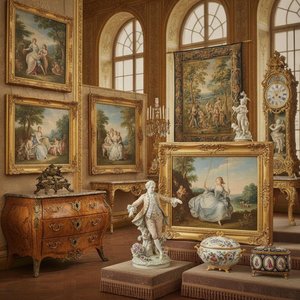
10 Iconic Rococo Masterpieces That Defined an Era of Elegance
Step into the elegance of the 18th century. Explore 10 iconic Rococo masterpieces by Fragonard and Boucher, featuring pastel hues and ornate beauty. Find museum-quality art reproductions and decor inspiration at OriginalUniqueArt.com. Discover all masterpieces on OriginalUniqueArt.com.

華麗なるロココ:芸術史を彩る10大傑作の世界
華麗なるロココ美術の世界へ。バロックから生まれた優雅な芸術、その10大傑作を徹底解説!ブーシェ、フロマンなど巨匠たちの技と物語を紐解き、お部屋を彩るアートを見つけよう。OriginalUniqueArt.comで至高の美術館品質レプリカとインテリアアイデアを発見。