
 プレビュー
プレビュー
 プリントを購入
 シェアする
シェアする シェアする
シェアする
 詳細を見る
詳細を見る

 ダウンロード
 似ている作品
 X線調査
X線調査 スライドショー
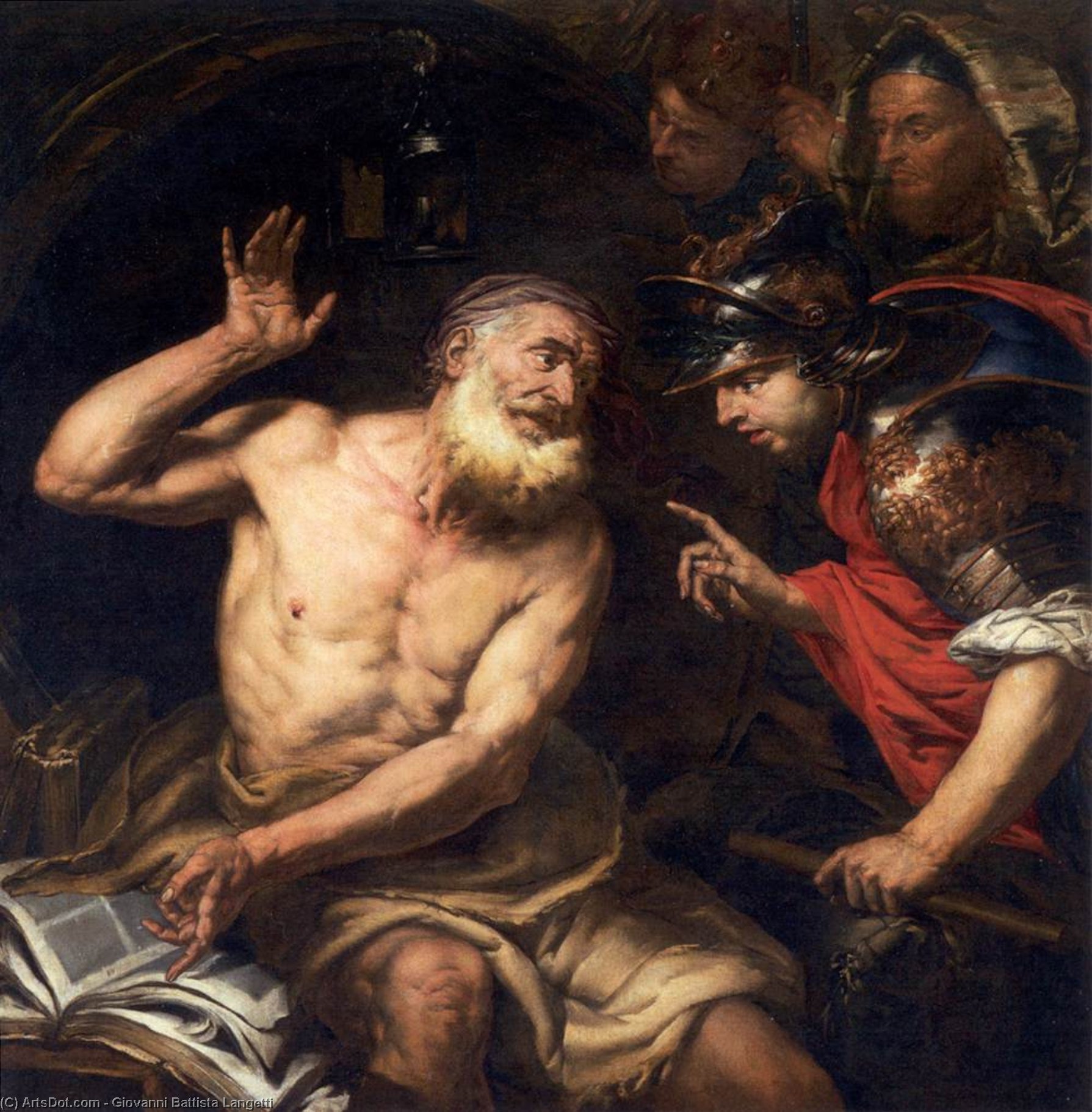
Diogenes and Alexander
 Oil On Canvas
- WallArt
- Baroque
 1650
1650- Renaissance
 142.0 x 133.0 cm
 Fondazione Querini Stampalia
 詳細を見る
詳細を見る




P118B $10

P118H $10

P118W $10

P438Z $10

P508JH $12

P508YH $12

P805H $10

P805Z $10

P919BZ $10

P919G $10

P919XJ $10

P959ZH $10

P968JZ $12

W106C $8

W218G $10

W218JH $8

W218Y $10

W307PJ $10

W316G $10

W316PJ $8

W316Y $10

W398PJ $8

W4111J $10

W500HY $15

W500JH $15

W692G $12

W849H $8

W940BG $15

W953PJ $8




作品のオリジナル比率に合わせた、当店の規定サイズからお選びください。

特定のフレームやスペースに合わせて、ご希望のサイズをご入力いただけます。選択されたサイズが元の画像の比率と異なる場合、アートワークをトリミングするか、手描きで要素を追加して絵画を拡張いたします。デジタルモックアップ を制作し、制作開始前にご確認(承認)をいただきます。
画面上のプレビューは、実際のトリミングや拡張を正確に反映しているものではありません。最終的な構図は、モックアップによってのみ正確にご確認いただけます。
カスタムサイズもご利用いただけますが、元の比率を維持するためには、あらかじめ用意されたリストからサイズを選択することをお勧めいたします。
ご注文後、OriginalUniqueArt.com チームより詳細な指示をお送りするとともに、仕上がりイメージ(モックアップ)をご提供いたします。


 ガラスオプションは、110cm未満のサイズでのみご利用いただけます。

Diogenes and Alexander
複製技法
複製画のサイズ
-


合計金額
$ 350
作品解説
A Dramatic Encounter: Langetti’s “Diogenes and Alexander”
Giovanni Battista Langetti's "Diogenes and Alexander," painted in 1650, is more than just a depiction of a biblical narrative; it’s a visceral embodiment of the Venetian Baroque’s obsession with drama, emotion, and the power of human interaction. This arresting oil on canvas, measuring 142 x 133 cm, captures a pivotal moment – the legendary encounter between the cynical philosopher Diogenes and the young Alexander the Great. Langetti, a key voice within Venice's Caravaggismo movement, masterfully translates the story’s inherent tension into a visually stunning composition that continues to resonate with viewers centuries later.
Baroque Grandeur and Caravaggesque Influence
Langetti firmly established himself as a significant figure in Venetian art during his lifetime (1635-1676), inheriting the dramatic intensity of Caravaggio while developing a distinctly Venetian sensibility. The painting’s Baroque style is immediately apparent through its dynamic composition, utilizing strong contrasts between light and shadow – *tenebrism* – to heighten the emotional impact. Notice how the central figure, Diogenes, is dramatically illuminated, drawing immediate attention and emphasizing his role as the instigator of this confrontation. The dark, undefined background contributes to a sense of claustrophobia and intensifies the focus on the figures themselves. This technique, deeply rooted in Caravaggio’s approach, was crucial for conveying the scene's urgency and spiritual weight.
Technique and Materiality: Layers of Emotion
Langetti’s skill is evident in his meticulous brushwork and masterful use of glazing and scumbling techniques. Oil paints were applied in multiple layers – a process known as *glazing* – to build up depth, luminosity, and rich color variations. The artist skillfully employed *scumbling*, a technique involving the manipulation of thin, translucent layers of paint, creating subtle textures and atmospheric effects that enhance the sense of volume and space. The use of heavy impasto in areas like Diogenes’ drapery adds to the tactile quality of the work, inviting the viewer to almost feel the weight and texture of the fabrics. The canvas itself is a testament to Langetti's dedication – a carefully prepared surface meticulously rendered with painstaking detail.
Symbolism and Narrative Resonance
Beyond its dramatic presentation, “Diogenes and Alexander” is rich in symbolic meaning. The scene depicts Diogenes, known for his rejection of societal norms and materialistic values, challenging the young Alexander’s ambition and perceived arrogance. The book held by Diogenes represents knowledge and wisdom, a direct contrast to the power and glory sought by the conquering king. The soldier's bewildered expression symbolizes the potential for doubt and critical thinking even within the most powerful figures. Langetti doesn’t simply illustrate a biblical story; he explores fundamental questions about truth, power, and the nature of human existence – themes that continue to captivate audiences today. The painting’s emotional intensity, combined with its masterful execution, ensures its place as a cornerstone of Venetian Baroque art.
アーティストの略歴
The Dramatic Voice of Venetian Caravaggismo
Giovanni Battista Langetti stands as a pivotal figure in the Venetian Baroque, embodying the fervor and theatricality of Caravaggesque painting while simultaneously forging his own distinctive artistic vision. Born in Genoa in 1635, Langetti’s early training was shaped by exposure to prominent masters such as Assereto and Pietro da Cortona, whose stylistic principles provided him with a foundational mastery of form and composition. His formative years were further enriched by the mentorship of Giovanni Francesco Cassana, a period that honed his artistic sensibilities and prepared him for the competitive and vibrant art scene of Italy. However, it was Venice itself that truly captivated him, becoming the epicenter of his prolific career and providing the perfect stage for his exploration of light and shadow.
By the 1650s, Langetti had established himself within the Venetian landscape, swiftly adopting a strikingly Caravaggesque style. This approach was defined by tenebrism—a dramatic interplay of intense light and deep, enveloping shadows—and an uncompromising commitment to realism. For Langetti, this stylistic choice was far more than mere imitation of Caravaggio; it was a deliberate embrace of expressive power, used to translate profound human emotions onto the canvas. His work became a bridge between the gritty naturalism of the early 17th century and the grander, more theatrical flourishes of the late Baroque period.
Mastery of Narrative and Emotional Depth
The true brilliance of Langetti’s oeuvre lies in his ability to breathe life into biblical narratives and historical subjects, imbuing them with a psychological depth that resonates across centuries. He excelled at portraying figures caught in moments of extreme tension or spiritual crisis. In works such as Diogenes & Alexander, Langetti captures the legendary clash between philosophical wisdom and imperial power through breathtaking precision and theatrical lighting. His ability to manipulate texture and light allows the viewer to feel the weight of the historical moment, making the ancient past feel immediate and visceral.
This mastery of drama is equally evident in his religious compositions, where he explores themes of suffering, devotion, and faith. In Mary Magdalene at the Foot of the Cross, the artist utilizes the stark contrasts of the Caravaggesque tradition to highlight the raw emotion of the subject, creating a powerful meditation on grief and piety. Even in more singular character studies, such as his depiction of Cato, Langetti employs intense realism and rich, saturated colors to convey the internal struggles of his subjects. His technique ensures that every brushstroke contributes to the overarching narrative of human experience.
Legacy and Artistic Significance
Langetti’s contribution to the Venetian school of painting remains a significant chapter in the history of Italian art. While he operated within the established traditions of his time, his unique ability to blend Genoese training with Venetian colorism and Caravaggesque drama created a legacy of emotional intensity. His work serves as a testament to the enduring power of the Baroque era—a period where the boundaries between the painted image and the lived experience were blurred through the masterful use of light.
Today, Langetti is remembered not just as a follower of style, but as an innovator who helped define the dramatic vocabulary of his age. His paintings continue to captivate audiences, offering a window into a world of profound shadows and brilliant highlights, where every figure tells a story of triumph, tragedy, or quiet contemplation.

giovanni battista langetti
1635 - 1676 , Italy
基本情報
- Artistic Movement Or Style: Venetian Baroque
- Artists Or Movements Influenced By This Artist:
- Johann Karl Loth
- Antonio Zanchi
- Artists Who Influenced This Artist:
- Assereto
- Pietro da Cortona
- Giovanni Francesco Cassana
- Date Of Birth: 1635
- Full Name: Giovanni Battista Langetti
- Nationality: Italian
- Notable Artworks:
- Diogenes & Alexander
- Joseph Interpreting the Baker’s Dream
- The good samaritan
- Place Of Birth: Genoa, Italy
関連記事
Decoding Baroque Grandeur: A Guide to the Drama and Emotion of 17th-Century Art
Explore the breathtaking drama of 17th-century Baroque art. Our expert guide decodes the use of chiaroscuro, emotional intensity, and historical grandeur to help you appreciate and curate timeless masterpieces for your collection.

Baroque Classicism: The Grandeur of Order and Drama in 17th-Century Art History
Explore the profound elegance of Baroque Classicism. Discover how 17th-century masters synthesized dramatic emotion with classical order through the lens of the Counter-Reformation and the works of legends like Carlo Maratta and Andrea Sacchi.

The Dramatic Flourish: Exploring the Baroque Movement's Enduring Legacy in Art History
Explore the dramatic world of Baroque art! Discover iconic artists like Caravaggio & Rubens, defining techniques, and its lasting impact on art history. Expert insights for collectors & enthusiasts at OriginalUniqueArt.
Baroque Classicism: Reconciling Drama & Order in 17th-Century Art
Explore the captivating world of Baroque Classicism! Discover its history, key artists like Caravaggio & Rubens, and defining characteristics. Expert insights & high-quality reproductions at OriginalUniqueArt.

バロック美術を極めた至宝:時代を彩る10大名作の世界
バロック美術の華!カラヴァッジョ、ベルニーニら巨匠が創り上げた10大名作を徹底解剖。ドラマチックな色彩と豪華絢爛の世界観に触れ、至宝のアートプリントで空間を彩ろう。OriginalUniqueArt.comで美術館品質の複製と洗練されたインテリアを見つけましょう!

