

 設置イメージを確認
 送る
送る シェア
シェア
 詳細情報
詳細情報 ガイドを表示

 画像をダウンロード
 似ている作品
 X線調査
X線調査 スライドショー
 統計情報
統計情報Camera obscura
 Acrylic
- WallArt
- Impressionism
 1700
1700 22.0 x 38.0 cm
 コレール美術館
 続きを読む
続きを読む
ジークレー/アートプリント
スピーディーな制作と多彩な仕上げオプションが魅力の、ミュージアムクオリティなジークレー・キャンバスプリント。 ( 手描きの複製画を注文する デジタル画像販売へ切り替え)




P118B ¥10

P118H ¥10

P118W ¥10

P438Z ¥10

P508JH ¥12

P508YH ¥12

P805H ¥10

P805Z ¥10

P919BZ ¥10

P919G ¥10

P919XJ ¥10

P959ZH ¥10

P968JZ ¥12

W106C ¥8

W218G ¥10

W218JH ¥8

W218Y ¥10

W307PJ ¥10

W316G ¥10

W316PJ ¥8

W316Y ¥10

W398PJ ¥8

W4111J ¥10

W500HY ¥15

W500JH ¥15

W692G ¥12

W849H ¥8

W940BG ¥15

W953PJ ¥8




作品のオリジナル比率に合わせた、当店の規定サイズからお選びください。

額縁や壁のスペースに合わせて、ご希望の幅と高さを入力してください。プリントはカットすることは可能ですが、元の画像より大きくすることはできないため、異なる比率のサイズを選択された場合は、画像の一部が欠けることになります。印刷を開始する前に、内容を確認していただくためのデジタルモックアップをお送りいたします。このページに表示されている画像は、実際のカット後の状態を示すものではありません。実際の仕上がりはモックアップにてご確認ください。


 ガラスオプションは、110cm未満のサイズでのみご利用いただけます。

Camera obscura
ジークレー/アートプリント
複製画サイズ一覧
-


合計金額
¥ 12604
Canaletto’s Camera Obscura: A Window Into Venetian Vision
The artist Giovanni Antonio Canaletto, commonly known as Canaletto (1697 – 1768), stands as one of the most celebrated figures in eighteenth-century Venetian painting. His meticulous depictions of Venice—the canals shimmering under sunlight, the palaces adorned with opulent decoration—captivate viewers even today. But beyond their aesthetic beauty lies a fascinating secret: Canaletto’s unparalleled accuracy stems from a technique that predates photography – the camera obscura. This ingenious device, essentially a darkened room equipped with a pinhole aperture and a mirror, allowed him to capture the essence of his surroundings with remarkable precision, shaping not only his artistic output but also influencing the broader understanding of perspective and visual representation.- The Device Itself: Canaletto’s camera obscura wasn't merely a tool; it was a conceptual breakthrough. Constructed from wood and glass, it functioned by projecting an inverted image of the outside world onto a surface within—typically tracing paper or canvas—positioned opposite to the pinhole. This method ensured that the artist could faithfully reproduce architectural details and atmospheric effects without resorting to laborious sketching techniques.
- A Reflection of Scientific Curiosity: Canaletto’s embrace of the camera obscura reflects the burgeoning scientific interest in optics during his lifetime. Astronomers and mathematicians alike were experimenting with similar instruments, attempting to unravel the mysteries of light and vision. Canaletto's use of this technique wasn't simply artistic expediency; it represented a conscious engagement with contemporary intellectual debates about how we perceive reality.
- Venetian Landscape Painting: The camera obscura profoundly impacted Canaletto’s style. By allowing him to observe the scene from multiple viewpoints simultaneously, he achieved a level of realism previously unattainable. His paintings—particularly those capturing the grandeur of St Mark's Square and the Doge’s Palace—are characterized by subtle gradations of color, masterful shading, and an astonishingly accurate depiction of architectural proportions.
- Symbolism Beyond Technique: Canaletto’s camera obscura technique wasn’t just about achieving visual accuracy; it also conveyed a deeper symbolic message. The darkened room represented introspection and contemplation—a deliberate distancing from the immediate sensory experience to gain access to a more profound understanding of the world around him. This approach mirrored the philosophical currents of the Enlightenment, emphasizing reason and observation as pathways to knowledge.
- Legacy in Photography: Canaletto’s pioneering use of the camera obscura foreshadowed the invention of photography centuries later. By demonstrating that it was possible to capture an image without direct contact with the subject matter—a feat previously considered impossible—he fundamentally altered our conception of artistic representation and paved the way for a new era of visual art.
Notable Works Featuring Camera Obscura Technique
Canaletto’s mastery of perspective is evident in several iconic paintings, including “The Stonemason’s Yard” (c. 1725), where he meticulously rendered the textures and colors of the building materials with astonishing detail. Similarly, his depiction of St Mark's Square—particularly the Doge’s Palace—captures the shimmering light reflecting off the facades and windows, achieved through careful observation and skillful blending of pigments. These paintings stand as testament to Canaletto’s unwavering commitment to capturing the beauty and complexity of Venice with unparalleled accuracy – a feat made possible by his ingenious use of the camera obscura.Exploring Canaletto's Influence on Later Artists
Canaletto’s innovative approach to landscape painting resonated deeply with artists who followed him, notably Francesco Guardi and Michele Marieschi. These painters adopted similar techniques—primarily employing atmospheric perspective and meticulous detail—to convey the grandeur of Venetian vistas. Canaletto’s legacy extends beyond his own artistic achievements; he established a precedent for realistic representation that continues to inspire artists today, demonstrating that observation and careful technique can unlock profound insights into capturing the essence of visual experience.Reproductions & Inspiration
High-quality reproductions of Canaletto's paintings offer an exceptional opportunity to appreciate his artistic genius and immerse oneself in the atmosphere of eighteenth-century Venice. Consider framing a print alongside a photograph taken from one of Canaletto’s original viewpoints—a powerful gesture that honors both the artist’s pioneering technique and the enduring beauty of Venetian landscapes. Let Canaletto's Camera Obscura serve as a reminder that true artistic vision requires not only skill but also an unwavering dedication to observing and interpreting the world around us.よくあるご質問
カナルエット作「Camera obscura」は、どの部屋に飾るのがおすすめですか?
カナルエット作「Camera obscura」にふさわしい空間はLiving Roomです。もちろん、お客様のインテリアに合わせて調整していただくことも可能です。
カナルエット作「Camera obscura」のコントラストはどの程度強いですか?
カナルエット作「Camera obscura」は、明部と暗部の間にStatementなコントラストを描き出しています。
「Camera obscura」の色彩は、どの程度鮮やかですか?
カナルエット作「Camera obscura」は、彩度Mutedで記録されています。
アーティストについて
ヴェネツィアの光を捉えた画家、ジョヴァンニ・アントニオ・カナルート
1697年10月18日、イタリアのヴェネツィアに生まれたジョヴァンニ・アントニオ・カナルートは、一般的に「カナルート」として知られる、18世紀を代表する風景画家の一人です。彼の父、ベルナルド・カナルートは舞台装置を描く画家であり、幼い頃から絵画の基礎を学びました。ヴェネツィアという水の都で育ったカナルートは、その独特な景観に魅せられ、生涯を通じてヴェネツィアの風景を描き続けました。
ローマでの修行と独自の様式の確立
1718年、カナルートはローマへと旅立ちます。そこで彼はアレッサンドロ・スカルラッティのオペラの舞台装置制作に携わりました。この経験は彼の芸術的才能を大きく開花させ、ヴェネツィアに戻った後、独自の様式である「ヴェドゥータ」と呼ばれる風景画を描き始めました。ヴェドゥータとは、イタリア語で「眺め」を意味し、都市の風景や建物を正確かつ詳細に描写した絵画です。カナルートは、単なる記録ではなく、光と影の効果を巧みに利用し、ヴェネツィアの美しさを鮮やかに表現しました。
代表作とその魅力
カナルートの作品の中でも特に有名なものに、「石工場の風景」(c. 1725)があります。この絵画は、彼の初期の才能を示す傑作であり、ヴェネツィアの日常生活を生き生きと描き出しています。また、「大運河のレガッタ」は、ヴェネツィアの公的な祭りを鮮やかに描写しており、その色彩と構図は見る者を魅了します。「ETON COLLEGE」(1746-1756)は、イギリスに滞在した際に描かれた作品であり、彼の国際的な名声が高まるきっかけとなりました。これらの作品を通してカナルートは、ヴェネツィアの風景を単なる絵画としてではなく、生きている都市の息吹として捉えようとしました。
技法と影響
カナルートの精密な遠近法と細部にわたる描写は、一部の専門家によってカメラ・オブスクラが使用された可能性も指摘されています。しかし、彼の最も重要な点は、構図のデザインに注力し、作品を単なる正確な記録ではなく、視覚的に美しいものにしたことです。彼は、ジョヴァンニ・パオロ・パンニーニのような画家から影響を受けましたが、独自のスタイルを確立し、18世紀のヨーロッパ美術界に大きな影響を与えました。特にイギリスでは、彼の風景画は非常に人気があり、多くの貴族やコレクターが彼の作品を購入しました。
後世への遺産
カナルートの作品は、ロンドンのナショナル・ギャラリーをはじめとする世界中の美術館に所蔵されており、18世紀美術における彼の重要性を示しています。彼の遺産は、彼からインスピレーションを受けた多くの画家たちへと受け継がれました。ヴェネツィアの風景画の巨匠として、カナルートは今日もなお、多くの人々に愛され続けています。
- 作品を鑑賞できる場所: https://OriginalUniqueArt.com/@/giovanni-antonio-canal
- カナルートについて詳しく知る: Wikipedia
- ヴェネツィアの美術を体験する: パルンボ=フォッサティ・コレクション(イタリア、ヴェネツィア)
世界のアートを探求するには、https://OriginalUniqueArt.comをご覧ください。
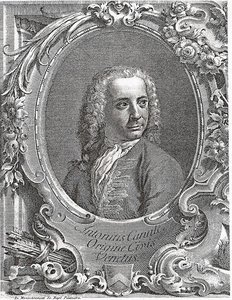
カナルエット
1697 - 1768 , イタリア
アーティスト情報
- Artistic Movement Or Style: ヴェネツィア派の風景画
- Artists Or Movements Influenced By This Artist: ['ティンコレット']
- Artists Who Influenced This Artist: ['ジョヴァンニ・パオロ・パンニーニ']
- Date Of Birth: 1697年10月18日
- Date Of Death: 1768年4月19日
- Full Name: ジョヴァンニ・アントニオ・カナル
- Nationality: イタリア人
- Notable Artworks:
- 石工場の風景
- 大運河のレガッタ
- イートン・カレッジ
- Place Of Birth (City And Country): イタリア、ヴェネツィア
関連記事

The Enduring Legacy of Oil on Canvas: Technique, History & Aesthetic Impact
Explore the rich history & techniques of oil painting – from Renaissance masters to Impressionism. Discover pigments, layering methods, and why this timeless medium endures. Expert insights for artists & art enthusiasts.

Giovanni Antonio Canal (Canaletto): A Venetian Master of Light, Space & Societal Observation
Explore the life & art of Giovanni Antonio Canal (Canaletto), a Venetian master renowned for his breathtaking cityscapes. Discover his techniques, legacy, and captivating depictions of 18th-century Venice & London.

The Dramatic Flourish: Exploring the Baroque Movement's Enduring Legacy in Art History
Explore the dramatic world of Baroque art! Discover iconic artists like Caravaggio & Rubens, defining techniques, and its lasting impact on art history. Expert insights for collectors & enthusiasts at OriginalUniqueArt.

The Enduring Power of Painting: A Historical & Contemporary Exploration of Form and Emotion
Explore the rich history & enduring techniques of oil painting with OriginalUniqueArt. Discover masterpieces, learn about art collecting, and find authentic handmade reproductions crafted by skilled artists.

バロックのドラマ:現代のインテリアに壮麗さと情感を取り込む
バロック様式の歴史、絵画、家具の魅力をご紹介。OriginalUniqueArtでは、高品質な油絵複製やカスタムポートレートをご提供し、現代のインテリアに壮麗さと情感を取り入れます。アートコンサルテーションも承ります。


