- ホーム

- キャンバスプリント用
- gilbert stuart newton
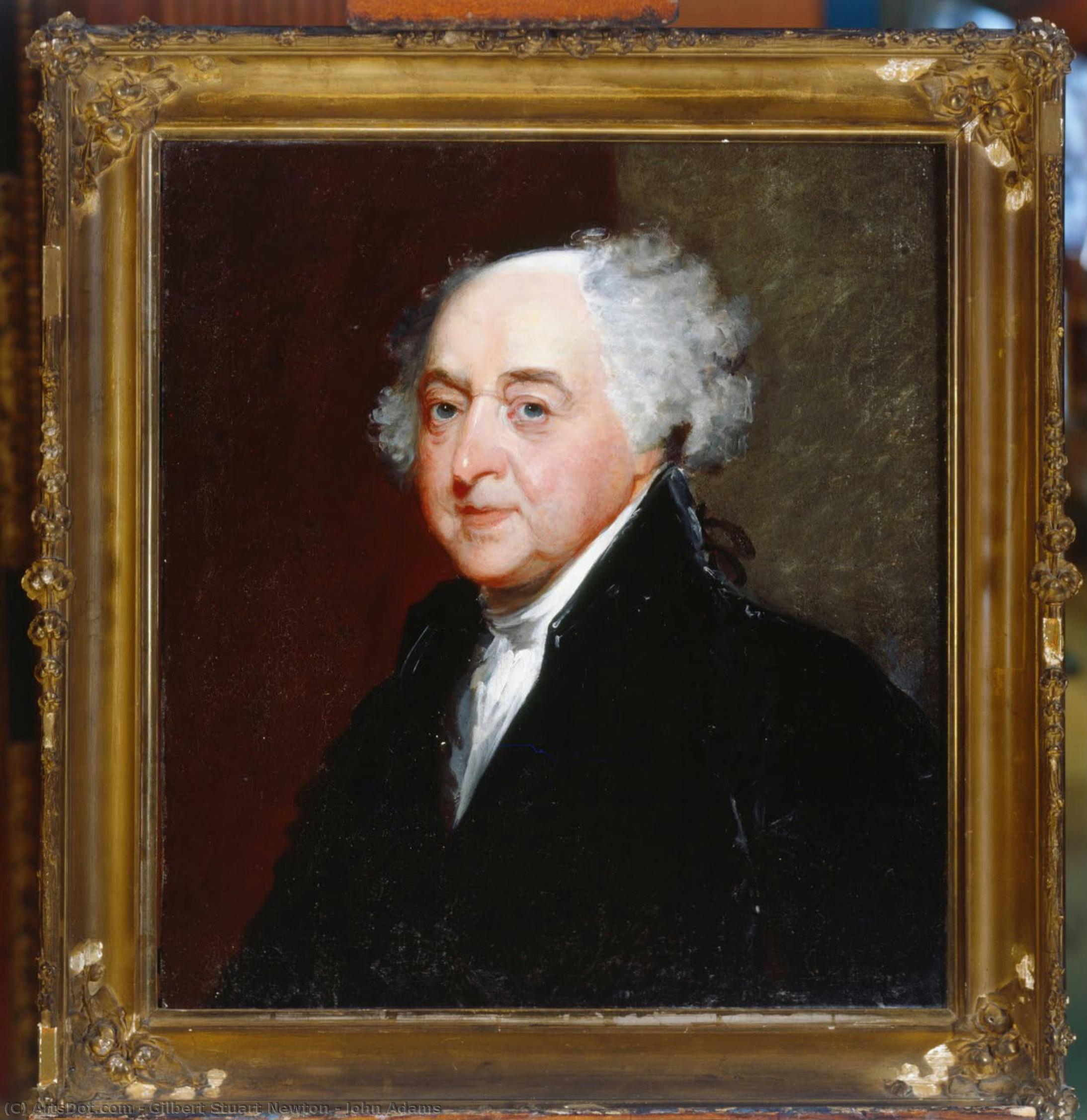
- John Adams
 手描き複製画を注文する
 シェアする
シェアする シェアする
シェアする
 詳細を見る
詳細を見る

 ダウンロード
 似ている作品
 X線調査
X線調査 スライドショー
John Adams


 詳細を見る
詳細を見る




P118B $10

P118H $10

P118W $10

P438Z $10

P508JH $12

P508YH $12

P805H $10

P805Z $10

P919BZ $10

P919G $10

P919XJ $10

P959ZH $10

P968JZ $12

W106C $8

W218G $10

W218JH $8

W218Y $10

W307PJ $10

W316G $10

W316PJ $8

W316Y $10

W398PJ $8

W4111J $10

W500HY $15

W500JH $15

W692G $12

W849H $8

W940BG $15

W953PJ $8




作品のオリジナル比率に合わせた、当店の規定サイズからお選びください。

特定のフレームやスペースに合わせて、ご自身でサイズを指定することも可能です。選択されたサイズが元の画像の比率と一致しない場合、作品をトリミングするか、鏡面反射または単色での塗りつぶしによって画像を拡張いたします。制作を開始する前に、ご確認用のデジタルモックアップをお送りいたします。
画面上のプレビューには、実際のトリミングや拡張は反映されませんのでご注意ください。最終的な構図を正確に確認できるのは、モックアップのみとなります。
カスタムサイズも承っておりますが、元の比率を維持するためには、あらかじめ用意されたリストからサイズを選択することをお勧めいたします。


 ガラスオプションは、110cm未満のサイズでのみご利用いただけます。

John Adams
ジークレー/アートプリント
複製画のサイズ
-


合計金額
-
作品詳細説明
A Glimpse into the Soul of a Founding Father
In the quiet dignity of Gilbert Stuart Newton’s 1815 portrait of John Adams, we encounter more than just a likeness of the second President of the United States; we enter a profound dialogue with history itself. The painting serves as a window into an era defined by revolution and the heavy mantle of leadership. Newton, a master of his craft and nephew to the legendary Gilbert Stuart, utilizes a refined realism to capture the essence of a man who stood at the very foundation of American democracy. As your eyes trace the contours of Adams' face, you are met with a serious, contemplative expression that speaks volumes of the burdens carried by those who shaped a nation.
The composition is masterfully balanced, utilizing a muted, deep red background that acts as a dramatic stage for the subject. This choice of color does not merely provide contrast; it imbues the portrait with a sense of warmth and gravitas, pushing the figure forward and demanding the viewer's undivided attention. The starkness of the dark coat against the lighter shirt creates a rhythmic interplay of light and shadow, a technique that breathes life into the fabric and emphasizes the physical presence of the statesman.
The Artistry of Precision and Legacy
Technically, the portrait is a triumph of nineteenth-century portraiture. Newton’s brushwork is incredibly detailed, particularly in the rendering of Adams' white hair, which appears both soft and structurally defined. Every fold in the dark coat and every subtle nuance in the skin tone reflects a meticulous approach to light and texture. This level of precision ensures that the reproduction retains the soulful depth of the original, making it an exquisite centerpiece for any collection focused on historical significance or classical elegance.
For the discerning collector or interior designer, this piece offers a unique opportunity to introduce a sense of timeless authority into a space. The painting’s aesthetic—characterized by its somber palette and realistic execution—complements both traditional study rooms and modern, minimalist galleries. It is not merely a decoration but an anchor for a room, providing a conversation piece that bridges the gap between the early American period and the contemporary era.
An Emotional Resonance for Modern Spaces
Beyond its historical importance, there is an undeniable emotional weight to this work. There is a certain melancholy in Adams' gaze, perhaps reflecting the twilight of his years or the complex legacy of his presidency. To hang such a piece in a home or office is to invite a spirit of reflection and intellectual rigor. It serves as a reminder of the enduring strength of character and the permanence of history.
Whether you are seeking to honor the heritage of the American spirit or looking for a sophisticated element to complete a curated interior, this reproduction of Newton's masterpiece offers unparalleled prestige. It is an investment in art that transcends trends, offering a lasting connection to one of the most pivotal figures in human history.
アーティストの略歴
Gilbert Stuart Newton: Life & Legacy
Early Life and Family Background
- Birth and Origins: Gilbert Stuart Newton was born on September 2, 1795, in Halifax, Nova Scotia. He was the youngest of twelve children.
- Family Connections: His father, Henry Newton, was a customs official, and his mother, Ann, held a significant artistic lineage – she was the daughter of Gilbert Stuart, the renowned American portrait painter.
- Early Years & Return to America: The family initially resided in Boston but returned to Charlestown near Boston in 1803 following his father’s death.
Artistic Training and Influences
- Initial Path & Uncle's Guidance: Though initially intended for a commercial career, Newton was apprenticed to his uncle, Gilbert Stuart, marking the beginning of his artistic journey.
- European Studies: He traveled to Europe with an elder brother and studied painting in Florence. Later visits to Paris (1817) introduced him to artists like Charles Robert Leslie, Washington Allston, and David Wilkie.
- Royal Academy & Formal Training: Newton continued his education at the Royal Academy in London after a period spent in the Netherlands.
Artistic Style and Major Themes
- Romantic Sensibilities: Newton’s work is generally categorized within the Romantic movement, characterized by emotional intensity and dramatic narratives.
- Literary & Poetic Inspirations: He became particularly known for paintings inspired by literature and poetry. Subjects drawn from works like *Don Quixote* and Shakespeare were prominent in his oeuvre.
- Portraiture & Genre Scenes: While he painted portraits, including those of notable figures such as Washington Irving, Newton also excelled in genre scenes depicting moments from literary narratives.
Key Achievements and Recognition
- Royal Academy Affiliation: Newton was elected an Honorary Academician of the National Academy of Design (1827), an Associate of the Royal Academy (1829), and a full Academician in 1832.
- Exhibitions & Patronage: He regularly exhibited at the Royal Academy from 1818 onwards, gaining recognition and attracting patrons like the Marquis of Lansdowne.
- Public Collections: His works found their way into prominent public collections, including the National Gallery and the South Kensington Museum (now V&A).
Later Life and Legacy
- Mental Health & Final Years: Shortly after his election to the Royal Academy, Newton began to suffer from mental illness. He was admitted to an asylum at Chelsea where he continued to paint until his death on August 5, 1835.
- Burial Site: He is buried in St Mary’s Church Wimbledon, London.
- Historical Significance: Though overshadowed by his uncle Gilbert Stuart, Newton carved a niche for himself as a skilled and imaginative artist of the Romantic period. His literary-inspired paintings offer insights into the cultural tastes and artistic trends of 19th-century Britain.

gilbert stuart newton
1795 - 1835
基本情報
- Birth_Date: 1795
- Birth_Place: Halifax, Nova Scotia
- Death_Date: 1835
- Influenced_By: Gilbert Stuart (uncle)
- Movement: Romanticism
- Name: Gilbert Stuart Newton
- Nationality: British
- Notable_Works:
- Don Quixote in his Study
- Captain Macheath upbraided by Polly and Lucy
- Yorick and the Grisette
- The Window or the Dutch Girl
- Portia and Bassanio
関連記事

ジョン・シンガー・サージェント:至高の25選 - 美と光の肖像画の世界 | OriginalUniqueArt
ジョン・シンガー・サージェントの至高の25選。肖像画、写実主義、光と影の表現が美しい作品群を紐解きます。マダムXや少女の肖像など、時代を超えて愛される名作をOriginalUniqueArtで鑑賞。高品質なアート複製で、お部屋に美術館のような空間を。今すぐコレクションをご覧ください。
Masterful Portraits: 10 Artworks That Define a Genre | OriginalUniqueArt
Explore 10 iconic portrait paintings – from Mona Lisa to Van Gogh’s self-portraits. Discover the stories behind these masterpieces, artistic techniques & find museum-quality art reproductions for your home at OriginalUniqueArt.com.

ジョン・コンスタブルの傑作25選:英国風景画の巨匠が描く自然と光の詩 | OriginalUniqueArt
ジョン・コンスタブルの傑作25選。英国風景画の巨匠が描く自然と光の詩の世界へ。ロマン主義を代表する絵画、デダム・ヴェールやヘイ・ウェインなど、OriginalUniqueArtで高品質なアートプリントをお楽しみください。インテリアに深みと感動を。コレクションはこちら。
Sir Joshua Reynolds' Masterpieces: 25 Portraits of Power & Refinement | OriginalUniqueArt
Explore 25 captivating portraits by Sir Joshua Reynolds, a master of British art. Discover stories behind his iconic paintings, elegant style & historical influence. Find museum-quality reproductions and elevate your home decor on OriginalUniqueArt.com.
Echoes of Time: A Comprehensive Exploration of Vintage Portrait Art – Styles, Techniques & Enduring Appeal
Explore the captivating world of vintage portrait art! Discover styles, techniques & the enduring appeal of 19th-century masterpieces. Expert restoration, custom reproductions & appraisal services at OriginalUniqueArt.

