
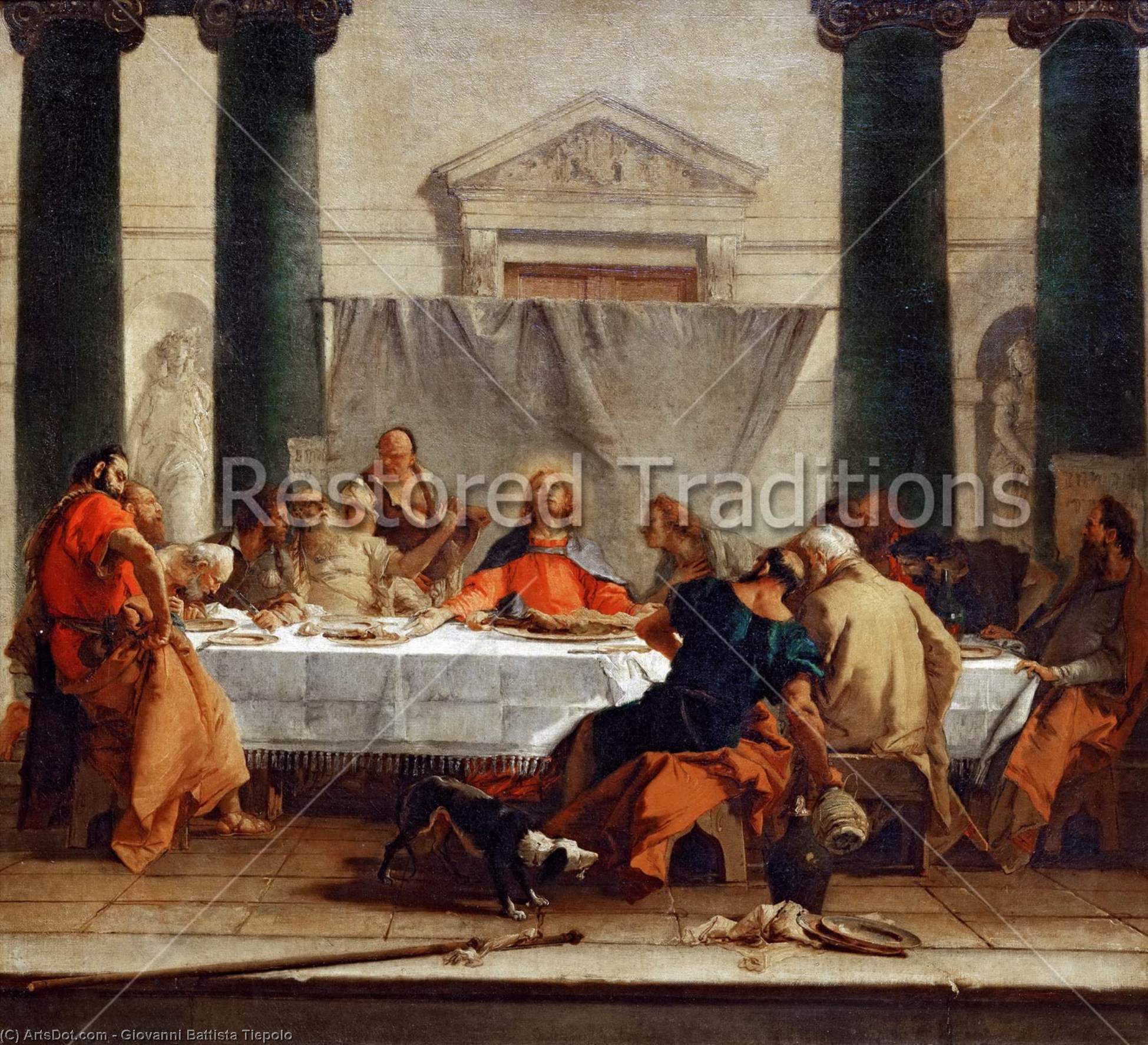
 設置イメージを確認
 送る
送る シェア
シェア
 詳細情報
詳細情報 ガイドを表示

 画像をダウンロード
 似ている作品
 X線調査
X線調査 スライドショー
 統計情報
統計情報The Last Supper
 Oil On Canvas
- WallArt
- High Renaissance
 1745
1745 81.0 x 90.0 cm
 ルーブル美術館
 続きを読む
続きを読む
ジークレー/アートプリント
スピーディーな制作と多彩な仕上げオプションが魅力の、ミュージアムクオリティなジークレー・キャンバスプリント。 ( 手描きの複製画を注文する デジタル画像販売へ切り替え)




P118B $10

P118H $10

P118W $10

P438Z $10

P508JH $12

P508YH $12

P805H $10

P805Z $10

P919BZ $10

P919G $10

P919XJ $10

P959ZH $10

P968JZ $12

W106C $8

W218G $10

W218JH $8

W218Y $10

W307PJ $10

W316G $10

W316PJ $8

W316Y $10

W398PJ $8

W4111J $10

W500HY $15

W500JH $15

W692G $12

W849H $8

W940BG $15

W953PJ $8




作品のオリジナル比率に合わせた、当店の規定サイズからお選びください。

特定のフレームやスペースに合わせて、ご自身でサイズを指定することも可能です。選択されたサイズが元の画像の比率と一致しない場合、作品をトリミングするか、鏡面反射または単色での塗りつぶしによって画像を拡張いたします。制作を開始する前に、ご確認用のデジタルモックアップをお送りいたします。
画面上のプレビューには、実際のトリミングや拡張は反映されませんのでご注意ください。最終的な構図を正確に確認できるのは、モックアップのみとなります。
カスタムサイズも承っておりますが、元の比率を維持するためには、あらかじめ用意されたリストからサイズを選択することをお勧めいたします。


 ガラスオプションは、110cm未満のサイズでのみご利用いただけます。

The Last Supper
ジークレー/アートプリント
複製画サイズ一覧
-


合計金額
$ 80
A Moment Frozen in Time: The Story of the Last Supper
Leonardo da Vinci’s The Last Supper, housed within the refectory of Santa Maria delle Grazie in Milan, isn't merely a painting; it’s an immersive experience. Completed between 1495 and 1498, this monumental fresco captures a pivotal moment – the announcement by Jesus of his impending betrayal – and unfolds with breathtaking realism and profound psychological depth. The scene is not simply depicted; it’s felt. Leonardo masterfully utilizes perspective to draw the viewer into the heart of the gathering, creating an illusion of space that feels both intimate and expansive. The figures aren't static representations but are caught in moments of stunned disbelief, quiet contemplation, or outright anger – a testament to Leonardo’s unparalleled ability to convey human emotion through gesture and expression.
The painting’s genesis is rooted in the ambitious plans of Ludovico Sforza, Duke of Milan, who envisioned transforming the monastery into a family mausoleum. Leonardo was commissioned to decorate the wall of this future burial chamber with a series of frescoes, including The Last Supper. This commission provided Leonardo with an unprecedented opportunity to experiment with new techniques and push the boundaries of artistic representation. He famously chose to work in tempera on gesso rather than fresco, a decision that ultimately contributed to the painting’s rapid deterioration over centuries – a poignant reminder of the fragility of art and the challenges inherent in pioneering new methods.
The Secrets of Composition: Perspective and Human Drama
Leonardo's genius lies not just in his ability to render realistic figures, but also in his innovative use of perspective. He employs *aerial perspective*, subtly blurring details in the background to create a sense of depth and distance, drawing the eye towards Jesus at the center of the composition. The arrangement of the apostles is equally deliberate; Leonardo groups them into clusters based on their reactions to Christ’s announcement, creating a dynamic visual narrative. Notice how Judas, often depicted with a subtle but unmistakable sneer, sits apart from the others, radiating an aura of suspicion and treachery.
The painting's psychological realism is equally remarkable. Leonardo meticulously studied human anatomy and expression, capturing the nuances of each apostle’s reaction – shock, denial, anger, confusion, and acceptance. He doesn’t simply depict faces; he reveals inner states. The subtle shifts in posture, hand gestures, and facial expressions convey a complex web of emotions that resonate deeply with viewers even today. Leonardo's use of *chiaroscuro*—the dramatic contrast between light and shadow—further enhances the sense of drama and realism, highlighting key figures and creating a powerful emotional impact.
Symbolism and Religious Significance
Beyond its technical brilliance, The Last Supper is rich in religious symbolism. The bread and wine depicted on the table represent the Eucharist, the central sacrament of Christianity – a memorial to Jesus’ sacrifice. The act of breaking bread symbolizes Christ's body being broken for humanity’s salvation. The setting itself—a simple dining room—underscores the intimate nature of this sacred event. Even Judas’ placement is significant; he sits in the darkest corner, symbolizing his role as the betrayer and the source of darkness within the group.
The painting's enduring power lies not only in its artistic merit but also in its profound exploration of human nature – betrayal, faith, doubt, and love. It’s a timeless masterpiece that continues to captivate viewers with its emotional intensity, technical innovation, and spiritual depth. The Last Supper remains a cornerstone of Western art history, a testament to Leonardo da Vinci's genius and his ability to capture the essence of human experience on canvas.
アーティストについて
ヴェネツィアの光を建築した画家、ジョヴァンニ・バッティスタ・ティエポロ
ジョヴァンニ・バッティスタ・ティエポロ(1696年 – 1770年)は、同時代の画家の中でも傑出した存在であり、ロココの無二の巨匠、そして18世紀で最も影響力のあるフレスコ画家のひとりとして知られています。芸術的伝統が息づくイタリアのヴェネツィアに生まれたティエポロは、息を呑むようなカンヴァスと壮大な壁画を通して、教会や宮殿を色彩、ドラマ、そしてイリュージョニズムの驚異的な空間へと変貌させました。彼の遺産は今日でもアーティストたちにインスピレーションを与え続け、ヴェネツィア美術史における最も重要な人物としての地位を不動のものとしています。幼少期と修業時代
ティエポロの芸術的旅程は、尊敬されるヴェネツィアの画家ジョヴァンニ・アントニオ・ペッレグリーニのもとでの師事から始まりました。ペッレグリーニは、バロック美術の基盤であるデッサン—イタリア語で「描画」を意味する言葉—の基礎をティエポロに教え込みました。その才能を見抜いたペッレグリーニは、ティエポロをボローニャのアカデミーへの留学へと促し、そこでフランチェスコ・バルトロメオ・ラストレリやアントニオ・カナルエットといった画家たちと共に研鑽を積みました。彼はバロックの壮大さと新興のロココの優雅さの両方から影響を受けました。ヴェネツィア工房と芸術的躍進
1726年にヴェネツィアに戻ったティエポロは、すぐに卓越した芸術性の代名詞となった活気あふれる工房を設立しました。彼は繊細な装飾、パステル調の色合い、非対称な構図を特徴とするロココの様式を取り入れましたが、古典的な比例と遠近法の原則への揺るぎないコミットメントを維持しました。この調和のとれた融合は、聴衆を魅了し、賞賛を集める作品を生み出しました。特に、パラッツォ・ラビアやカー・レッツォニコの壁画はその代表例です。王侯貴族の庇護と壮大な依頼
ティエポロの芸術的評判は瞬く間にヨーロッパの君主たちの目に留まり、イタリア、スペイン、プロイセン各地の国王や諸侯からの有利な依頼を獲得しました。ウィーン近郊のシェーンブルン宮殿やポツダムのサンスーシ宮殿に描かれた彼の壮大な壁画は、規模と劇的な表現における彼の卓越した才能を証明しています。これらの空間は、王権の力と芸術的革新を祝う豪華なスペクタクルへと変貌しました。技法と革新
ティエポロの独特な技法には、緻密な準備作業が含まれていました。彼はまず、正確な空間関係を確立するためにグライユ(灰色調の下絵)を使用し、その後、鮮やかな色彩の層を重ねていきました。彼は画材の混合と釉薬掛けにおける革新的な方法を開発し、それ自体が光を発しているかのような輝きのある表面を作り出しました—これは彼の比類のない芸術的ビジョンの特徴です。彼のフレスコ画は、光と影の相互作用であるキアロスクーロ(明暗法)の巧みな使用で知られており、目に見える深みとダイナミズムを生み出しています。遺産と影響
ティエポロの影響力は彼の生涯をはるかに超え、後世の芸術家の美的感覚を形作りました。彼はイリュージョニズム絵画に重点を置き、バロック様式とロココ様式に大きな影響を与え、劇場的な壮大さと視覚的な華麗さの揺るぎないチャンピオンとしての地位を確立しました。今日、ティエポロの作品は畏敬の念と賞賛を引き続き呼び起こし、ヴェネツィア芸術的天才への永続的な記念碑として機能しています。代表作と芸術的功績
- サン・ジョルジョ・マッジョーレ教会における聖母被昇天: ティエポロの傑作と考えられているこの壮大なフレスコ画は、没入感のある空間を作り出し、深遠な精神的な感情を伝える彼の比類のない才能を体現しています。そびえ立つ天井には、天国へと上昇する聖母マリアと、色彩と動きが息を呑むような天上の行列が描かれています。
- サン・ピエトロ大聖堂の聖ペテロの勝利: ローマにあるこのフレスコ画は、教皇戴冠式を記念しており—教皇権威の壮大な祝典が、細部にまでこだわって鮮やかに表現されています。
- パラッツォ・ラビアの壁画: ティエポロのパラッツォ・ラビアの壁画は、イリュージョニズム絵画における彼の才能を示しており—18世紀のヴェネツィアの生活を捉えた魅惑的なパノラマを作り出し、鑑賞者を過去へと誘います。
関連性と芸術的影響
ティエポロの芸術的発展は、同時代の支配的な様式によって大きく形作られました。彼はカラヴァッジョの劇的なキアロスクーロとベルニーニの彫刻的な才能から影響を受け—バロックの壮大さを取り入れながら、同時にロココの繊細な美的原則を探求しました。さらに、彼はアントニオ・カナルエットと緊密に協力し、その緻密な都市景観画はティエポロ自身のヴェネツィアの都市景観の描写のためのインスピレーションとなりました。
ジャン・バッティスタ・ティエポロ
1696 - 1770 , イタリア
アーティスト情報
- Artistic Movement Or Style: ロココ
- Artists Or Movements Influenced By This Artist: ['バロック']
- Artists Who Influenced This Artist: ['ニコラ・フレミエ']
- Date Of Birth: 1696年、イタリア・ヴェネツィア
- Date Of Death: 1770年、スペイン・マドリード
- Full Name: ジョヴァンニ・バッティスタ・ティエポロ
- Nationality: イタリア人
- Notable Artworks (List Of Titles):
- 聖母被昇天
- 若い弓を持つ男
- Place Of Birth (City And Country): イタリア・ヴェネツィア
関連記事
Renaissance Humanism's Greatest Art: 10 Masterpieces for Your Home
Explore 10 Renaissance Humanism masterpieces by Leonardo da Vinci, Michelangelo & Raphael. Discover the stories behind these iconic paintings & sculptures and bring timeless art into your home with museum-quality reproductions from OriginalUniqueArt.com. Explore the full collection online!
ウフィツィ美術館の至宝25選:ルネサンス巨匠たちの傑作とアートデコレーション
ウフィツィ美術館の至宝25選:ボッティチェリ、レオナルド・ダ・ヴィンチ…ルネサンス巨匠たちの傑作と感動的な物語を紐解きます。高品質な絵画複製やアートプリントで、お部屋に名画の輝きを。OriginalUniqueArt.comで芸術の世界へ。
ルーブル美術館の至宝25選:名画と芸術史を巡る旅 | OriginalUniqueArt
ルーブル美術館の至宝25選。レオナルド・ダ・ヴィンチ、ミロのヴィーナス…名画の歴史と感動を紐解きます。複製画やインテリアアートも豊富に。OriginalUniqueArtで、あなただけの芸術空間を。
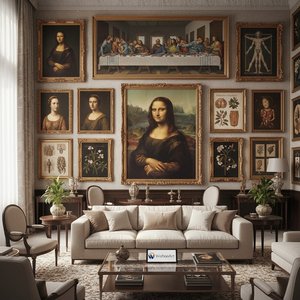
レオナルド・ダ・ヴィンチ:至高の25選 - 芸術、科学、そして不朽の名作の世界
レオナルド・ダ・ヴィンチの至宝25選。モナリザ、最後の晩餐…ルネサンス美術を代表する名画の世界へ。芸術史、技法、そして感動の物語を紐解き、お部屋に飾る高級複製画で特別な空間を。OriginalUniqueArt.comで全コレクションをご覧ください。
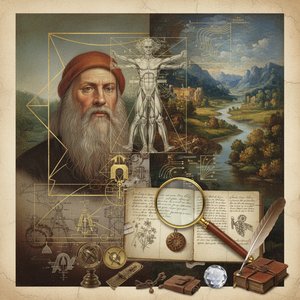
Leonardo da Vinci: A Renaissance Master’s Synthesis of Art, Science & Human Observation – Reinterpreted for the Collector
Explore Leonardo da Vinci’s timeless masterpieces with OriginalUniqueArt. Discover insights into his art, science, and legacy – trusted expertise for discerning collectors seeking authentic reproductions & investment opportunities.


