

 設置イメージを確認
 送る
送る シェア
シェア
 詳細情報
詳細情報 ガイドを表示

 画像をダウンロード
 似ている作品
 X線調査
X線調査 スライドショー
 統計情報
統計情報Speeding Automobile
 Futurist Painting
 1912
1912 56.0 x 69.0 cm
 MoMA(ニューヨーク近代美術館)
 続きを読む
続きを読む
このページに掲載されている作品は著作権法によって保護されており、当社の許可なく同一の複製物を制作または販売することは法律で禁じられています。この保護は、以下のような国際条約に基づき執行されます。 ベルヌ条約 および、以下の条項に定められたものを含む各国の法律により、 米国著作権法 第17編。
この手法は、著作権で保護された作品の複製や複写を伴わないため、著作権法に完全に準拠しています。これは単なる模倣ではなく、創造的な再解釈です。元の作品からインスピレーションを受けつつも、それとは異なる、全く新しい絵画を生み出すものです。
ジークレー/アートプリント
スピーディーな制作と多彩な仕上げオプションが魅力の、ミュージアムクオリティなジークレー・キャンバスプリント。 ( 手描きの複製画を注文する デジタル画像販売へ切り替え)




P118B ¥10

P118H ¥10

P118W ¥10

P438Z ¥10

P508JH ¥12

P508YH ¥12

P805H ¥10

P805Z ¥10

P919BZ ¥10

P919G ¥10

P919XJ ¥10

P959ZH ¥10

P968JZ ¥12

W106C ¥8

W218G ¥10

W218JH ¥8

W218Y ¥10

W307PJ ¥10

W316G ¥10

W316PJ ¥8

W316Y ¥10

W398PJ ¥8

W4111J ¥10

W500HY ¥15

W500JH ¥15

W692G ¥12

W849H ¥8

W940BG ¥15

W953PJ ¥8




作品のオリジナル比率に合わせた、当店の規定サイズからお選びください。

額縁や壁のスペースに合わせて、ご希望の幅と高さを入力してください。プリントはカットすることは可能ですが、元の画像より大きくすることはできないため、異なる比率のサイズを選択された場合は、画像の一部が欠けることになります。印刷を開始する前に、内容を確認していただくためのデジタルモックアップをお送りいたします。このページに表示されている画像は、実際のカット後の状態を示すものではありません。実際の仕上がりはモックアップにてご確認ください。


 ガラスオプションは、110cm未満のサイズでのみご利用いただけます。

Speeding Automobile
ジークレー/アートプリント
複製画サイズ一覧
-


合計金額
¥ 12695
Speeding Automobile: A Futurist Vision of Modernity
Giacomo Balla’s “Speeding Automobile,” completed in 1912, stands as a cornerstone of Futurism—a movement that vehemently rejected the past and embraced speed, dynamism, and technological advancement. Painted on wood, this striking artwork exemplifies the Futurist aesthetic's obsession with capturing fleeting moments of motion and disrupting traditional artistic conventions.
- Subject Matter: The painting depicts a car in rapid movement, illuminated by its headlights, traversing an urban landscape populated by buildings. This deliberate choice reflects Futurists’ fascination with the transformative influence of automobiles on society and daily life.
- Style & Technique: Balla employed Divisionism—a technique pioneered by Monet and others—to achieve a luminous effect through juxtaposed patches of pure color. However, he pushed beyond mere optical representation, prioritizing expressive gesture and conveying the sensation of speed rather than precise visual detail. The artist’s meticulous attention to capturing the car's wheels at varying positions underscores this commitment to portraying movement effectively.
The inclusion of two figures—one positioned on the left side of the canvas and another closer to the center—adds a human element to the scene, emphasizing the relationship between individuals and the burgeoning pace of industrialization. These figures aren’t merely incidental; they serve as conduits for conveying the emotional impact of this accelerated world.
Historical Context: The Birth of Futurism
Born in Turin in 1871, Giacomo Balla's artistic journey began with an initial inclination towards music before shifting his focus to visual art following his father’s untimely death. His formative years were spent honing his skills in lithograph printmaking and studying at academies and the University of Turin. Moving to Rome in 1895 broadened his horizons creatively, fostering collaborations with illustrators and portrait painters.
The painting emerged during a period defined by fervent optimism about technological progress and fueled by the revolutionary manifesto penned by Filippo Tommaso Marinetti in 1910. Futurism championed concepts like violence, speed, and the glorification of machines—ideas that profoundly challenged artistic sensibilities of the time.
Symbolism & Emotional Resonance
"Speeding Automobile" transcends mere depiction; it embodies Futurist ideals. The vibrant colors and fractured forms symbolize the disruption of established order and celebrate the exhilarating energy of modernity. The headlights, strategically placed, represent illumination—both literal and metaphorical—guiding viewers toward a new understanding of time and space.
Resources for Further Exploration
- MoMA: Giacomo Balla. Speeding Automobile. 1912
- Obelisk Art History: Speeding Automobile by Giacomo Balla
よくあるご質問
1912年に「Speeding Automobile」を制作した際、ジャコモ・バッラは何歳でしたか?
1912年に「Speeding Automobile」が制作された際、1871年生まれのジャコモ・バッラは41歳でした。
ジャコモ・バッラ作「Speeding Automobile」のスライドショーはありますか?
ジャコモ・バッラ作「Speeding Automobile」は、作品のスライドショーページにてスライドショーとしてご覧いただけます。
ジャコモ・バッラ作「Speeding Automobile」の配色(パレット)はどのように表現されていますか?
ジャコモ・バッラ作「Speeding Automobile」のパレットはEarthyと表現されています。これは、作品の色使いを簡潔にまとめたものです。
アーティストについて
幼少期と芸術への目覚め
- 生誕: 1871年7月18日、イタリア・トリノ
- 没年: 1958年
- ジャコモ・バッラは、写真家を父に持つ芸術一家に生まれました。
- 幼少期は音楽を学びましたが、9歳まで続けた後、視覚芸術への関心を深めていきました。
- 父親の死後、リトグラフ印刷所で働き始め、その中で視覚表現への興味が芽生えました。
- トリノの美術学校で研鑽を積み、その後トリノ大学に進学しました。
- 1895年にローマに移り住み、イラストレーター、風刺画家、肖像画家の仕事を開始しました。
芸術的変遷と未来派への傾倒
- 分割主義: 初期作品は、光の明滅を表現するために小さな純色の筆致を用いる分割主義の影響を受けていました。この時期に、光の効果を捉えようとする彼の関心が明らかになりました。
- 未来派: フィリッポ・トマソ・マリネッティとの出会いが転機となり、未来派を受け入れました。1910年には未来派宣言に署名しました。
- 未来派の理念: バッラの未来派作品は、光、運動、速度を描写することに焦点を当て、抽象的な要素を取り入れました。彼は未来派の原則を家具のデザインや衣服にも拡張しました。
- 晩年の作品: 後年、より過激な未来派から距離を置き、伝統的な具象様式に戻りました。
主要作品と芸術的スタイル
- 抽象速度+音 (Velocità Astratta + Rumore): 自動車によって象徴される速度を探求した重要な作品です。
- 街灯: 光、大気、運動の探求を体現しています。
- リードにつないだ犬の躍動感: 絵画を通して運動を表現しようとした試みを示す主要な作品です。
- ボッチョーニの拳: 未来派運動における彫刻家としての彼の活動を示しています。
- スタイル: バッラのスタイルは、分割主義的な技法から、運動、光、そして現代生活をダイナミックかつ抽象的に表現するへと進化しました。彼は断片化された形態、重なり合う平面、鮮やかな色彩を用いて、エネルギーと速度の感覚を伝達しました。
影響と歴史的意義
- エティエンヌ・ジュール・マレー: マレーのクロノフォトグラフィー実験は、バッラの運動表現に大きな影響を与えました。
- フィリッポ・トマソ・マリネッティ: 未来派宣言とマリネッティの思想は、バッラの芸術的指向を形成する上で重要な役割を果たしました。
- 歴史的意義: 未来派の創設メンバーの一人として、バッラはその美学原理を発展させ、様々な芸術形式に影響を与える上で不可欠な役割を果たしました。彼の作品は20世紀初頭のモダニズムを定義するのに役立ち、運動とテクノロジーを表現するための革新的なアプローチで今も称賛されています。
遺産と評価
- 会員: 1935年にローマのサン・ルカ芸術アカデミーの会員となりました。
- 展覧会: カッセルDocumenta 1 (1955年)に参加し、Documenta 8 (1987年)でも作品が展示されました。
- 美術館所蔵: 彼の作品は、アルブライト・ノックス美術館、ローマのサン・ルカ国立アカデミー、エストリックコレクションなどのコレクションに収蔵されています。
- バッラの遺産は、芸術における運動とダイナミズムの先駆的な探求にあり、未来派の開発と現代芸術表現への貢献が重要です。

ジャコモ・バッラ
1871 - 1958 , 日本
アーティスト情報
- Artistic Movement Or Style: 未来派
- Artists Or Movements Influenced By This Artist:
- ウンベルト・ボッチョーニ
- ジーノ・セヴェリーニ
- Artists Who Influenced This Artist: ['エティエンヌ=ジュール・マレー']
- Date Of Birth: 1871年7月18日
- Date Of Death: 1958年
- Full Name: ジャコモ・バッラ
- Nationality: イタリア人
- Notable Artworks (List Of Titles):
- 抽象スピード+音響
- 街灯
- 犬のリードを引くダイナミズム
- Place Of Birth (City And Country): イタリア、トリノ
関連記事

Carlo Carrà: Futurist Visions & Metaphysical Transformations in Early 20th-Century Italian Painting
Explore the artistic journey of Carlo Carrà, a pivotal figure in Italian Futurism & Metaphysical painting. Discover his dynamic compositions, collaborations with de Chirico, and lasting influence on modern art history.

Speed, Power, and Motion: A Journey Through the Energetic Soul of Futurism
Explore the exhilarating energy of Futurism. From Italian dynamism to Russian Cubo-Futurism, journey through a masterclass in speed, power, and motion in art history with our expert cultural reflections.
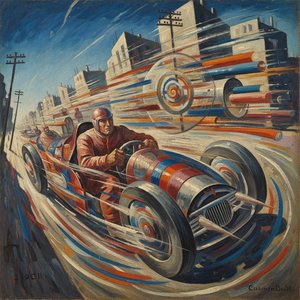
Giacomo Balla: Dynamism, Futurism & the Aesthetic of Speed – A Comprehensive Exploration
Explore the revolutionary art of Giacomo Balla, a key figure in Futurism. Discover his dynamic paintings capturing speed, light & movement. Learn about his techniques, masterpieces & legacy with our comprehensive guide.
Dynamism & Disruption: The Enduring Legacy of Futurism
Explore the revolutionary world of Futurism! Discover its key artists like Boccioni & Balla, defining principles, and lasting impact on modern art. A deep dive into this influential movement.

Speed, Power, and Motion: A Collector's Guide to the Dynamic World of Futurism
Explore the exhilarating world of Futurism with our expert guide. Discover how masters like Balla and Boccioni captured speed, power, and modern motion through dynamic avant-garde techniques—essential knowledge for any discerning art collector.
