

 設置イメージを確認
 送る
送る シェア
シェア
 詳細情報
詳細情報 ガイドを表示

 画像をダウンロード
 似ている作品
 X線調査
X線調査 スライドショー
 統計情報
統計情報Betender Einsiedler
 Oil
Oil- WallArt
- Dutch Golden Age Painting
 1670
1670- Early Modern
 25.0 x 19.0 cm
 Sanssouci Picture Gallery
 続きを読む
続きを読む
ジークレー/アートプリント
スピーディーな制作と多彩な仕上げオプションが魅力の、ミュージアムクオリティなジークレー・キャンバスプリント。 ( 手描きの複製画を注文する デジタル画像販売へ切り替え)




P118B ¥10

P118H ¥10

P118W ¥10

P438Z ¥10

P508JH ¥12

P508YH ¥12

P805H ¥10

P805Z ¥10

P919BZ ¥10

P919G ¥10

P919XJ ¥10

P959ZH ¥10

P968JZ ¥12

W106C ¥8

W218G ¥10

W218JH ¥8

W218Y ¥10

W307PJ ¥10

W316G ¥10

W316PJ ¥8

W316Y ¥10

W398PJ ¥8

W4111J ¥10

W500HY ¥15

W500JH ¥15

W692G ¥12

W849H ¥8

W940BG ¥15

W953PJ ¥8




作品のオリジナル比率に合わせた、当店の規定サイズからお選びください。

額縁や壁のスペースに合わせて、ご希望の幅と高さを入力してください。プリントはカットすることは可能ですが、元の画像より大きくすることはできないため、異なる比率のサイズを選択された場合は、画像の一部が欠けることになります。印刷を開始する前に、内容を確認していただくためのデジタルモックアップをお送りいたします。このページに表示されている画像は、実際のカット後の状態を示すものではありません。実際の仕上がりはモックアップにてご確認ください。


 ガラスオプションは、110cm未満のサイズでのみご利用いただけます。

Betender Einsiedler
ジークレー/アートプリント
複製画サイズ一覧
-


合計金額
¥ 12591
A Quiet Devotion: The Luminous World of Gerrit Dou
In the hushed atmosphere of a seventeenth-century interior, a single figure emerges from the shadows, caught in a profound moment of spiritual introspection. Betender Einsiedler, or the Praying Hermit, is not merely a painting but an invitation into a private sanctuary of thought. Executed around 1670 by the master of the Leiden School, Gerrit Dou, this diminutive masterpiece commands attention through its sheer psychological weight. The subject—an elderly man with a weathered face and a flowing white beard—is deeply immersed in his devotion, his eyes cast downward toward a book held firmly in his hands. Through Dou’s unparalleled ability to capture the essence of human vulnerability, the viewer is drawn into a silent dialogue with the hermit, feeling the weight of his solitude and the sanctity of his prayer.
The brilliance of this work lies in its technical execution, specifically Dou's legendary command of chiaroscuro. Rather than relying on broad strokes or bright, distracting colors, the artist employs a sophisticated interplay of light and shadow to sculpt the hermit’s form. The subtle gradations of tone create a palpable sense of three-dimensionality; one can almost feel the coarse texture of his heavy robes and the delicate, papery quality of his aged skin. This meticulous approach, characteristic of the fijnschilder or "fine painter" tradition, allows light to behave as if it were emanating from a soft, unseen source, perhaps a flickering candle just out of view. Such precision transforms the small canvas into a window of immense depth, where every fold of fabric and every strand of hair serves to heighten the illusion of reality.
Historical Resonance and Symbolic Depth
Beyond its technical splendor, Betender Einsiedler is a profound artifact of the Dutch Golden Age and the burgeoning spirit of the Enlightenment. During this era, there was an increasing fascination with the intersection of empirical observation and inner psychological truth. Dou, a student of Rembrandt, took the dramatic lighting of his master and refined it into something much more intimate and controlled. The painting’s history is equally captivating; it was famously acquired by Friedrich II for the Staatliche Bildergalerie in Berlin, reflecting the era's aristocratic passion for Northern European realism. This connection to royal patronage underscores the work's status as a treasure of cultural significance, representing a period when art sought to document the human condition with unprecedented accuracy.
Symbolically, the painting serves as a meditation on time and the eternal. The presence of a clock visible in the background acts as a memento mori, a gentle reminder of the fleeting nature of earthly existence compared to the enduring nature of faith. This tension between the ticking seconds of the physical world and the timelessness of the hermit's prayer creates a poignant emotional resonance. For the modern collector or interior designer, a high-quality reproduction of this piece offers more than just aesthetic beauty; it brings a sense of contemplative stillness and intellectual sophistication to any space. It is an ideal centerpiece for those seeking to evoke a mood of quiet elegance, scholarly depth, and a timeless connection to the masters of the Dutch Golden Age.
よくあるご質問
ゲリット・ドウ作「Betender Einsiedler」を異なる照明の下で見ることはできますか?
ゲリット・ドウ作「Betender Einsiedler」のX線ビューは、作品のX線解析ページでご覧いただけます。11層の光学レイヤーを通じて画像をインタラクティブに解析できる、詳細な検証機能です。
原画の"Betender Einsiedler"のサイズはどのくらいですか?
原画のゲリット・ドウ作「Betender Einsiedler」のサイズは25 x 19 cmです。
ゲリット・ドウ作「Betender Einsiedler」 の色彩的な特徴は何ですか?
「Betender Einsiedler」は、Phthalo Green (#2c2521)を主軸としたEarthyなパレットによって構成されています。
アーティストについて
多作な画家による生涯
ゲリット(ジェラール)・ドウは、オランダ黄金時代の絵画における極めて重要な人物です。1613年4月7日、オランダのライデンに生を受けた彼は、1675年2月9日にその生涯を閉じました。彼が遺した、細部まで磨き上げられた見事な作品群は、時代を超えて世界中の芸術愛好家を魅了し続けています。芸術的様式と専門性
ゲリット・ドウの画風を特徴づけるのは、極めて緻密で精巧な描写です。日常の情景を描いた風俗画や、まるでそこに実物が存在するかのような錯覚を与える「トロンプ・ルイユ(だまし絵)」の手法を用いたニッチ(壁龕)画を得意としました。特に、キャンドルの灯りに照らされた夜の情景に見られるような、明暗法(キアロスクロ)の卓越した技術は特筆すべきものです。こうした類まれな技術の融合により、彼は「ライデン・フィンスヒラー(細密画家)」の一員としてその名を刻みました。代表作とコレクション
繊細な光の揺らぎを捉えるドウの卓越した技量を示す傑作、「キャンドルに照らされた天文学者」は、OriginalUniqueArt.comにてご覧いただけます。また、ニューヨークの名高い美術館であるライデン・コレクションには、他の著名な芸術家とともに彼の作品が収蔵されています。コレクションの詳細については、OriginalUniqueArt.com内の「ライデン・コレクション、ニューヨーク:総合ガイド」をご参照ください。影響と遺産
ゲリット・ドウの影響は、フランス・ファン・ミーリス(父)やガブリエル・メッツといった彼の弟子たちの作品の中にも脈々と受け継がれています。彼の作品は、16世紀から18世紀にかけての素晴らしい欧州美術コレクションを誇る、オランダ・ハーグのヒュイス・テン・ボッシュ美術館をはじめ、様々な美術館で展示されています。- 主要な事実:
・生年月日:1613年4月7日、オランダ、ライデン
・没年月日:1675年2月9日
・代表作:キャンドルに照らされた天文学者、風俗画、キャンドルの光が灯る夜の情景
・影響を与えた人物:フランス・ファン・ミーリス(父)、ガブリエール・メッツ、その他 - おすすめの文献:
・OriginalUniqueArt.comによる「ゲリット(ジェラール)・ドウ」
・Wikipediaの「オランダ黄金時代の絵画」
結び
オランダ黄金時代に対するゲリット(ジェラール)・ドウの多大なる貢献は、美術史に消えることのない足跡を残しました。緻密なディテールと光の魔術的な扱いを特徴とする彼の魅惑的な絵画は、今なおアーティストや芸術愛好家たちにインスピレーションを与え続けています。彼の作品や他の偉大な芸術家たちの作品をさらに探索するには、OriginalUniqueArt.comをぜひ訪れてみてください。
ゲリット・ドウ
1613 - 1675 , オランダ
アーティスト情報
- Artistic Movement Or Style: フィンスヒラー(細密画)
- Artists Or Movements Influenced By This Artist:
- フランス・ファン・ミューリス(父)
- ガブリエル・メッツ
- Artists Who Influenced This Artist: ['レンブラント・ファン・レイン']
- Date Of Birth: 1613年4月7日
- Date Of Death: 1675年2月9日
- Full Name: ゲリット・ドウ
- Nationality: オランダ
- Notable Artworks:
- キャンドルに照らされた天文学者
- 老女の肖像
- 風俗画
- 蝋燭の光が灯る夜の情景
- Place Of Birth: オランダ、ライデン
関連記事
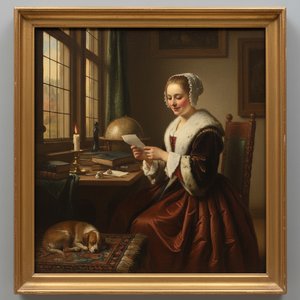
Gerrit Dou: Intimacy & Light in the Dutch Golden Age
Explore the exquisite world of Gerrit Dou, a master of Dutch Golden Age painting. Discover his intimate genre scenes, signature use of light, and lasting legacy. Learn about collecting Dou's works & their value.

Golden Age Reflections: Dutch Baroque Painting & Cultural Innovation
Explore the Dutch Golden Age of painting! Discover key artists like Vermeer & ter Borch, their innovative techniques, and the rich cultural context behind these Baroque masterpieces. Learn about collecting & appreciating this iconic art period.
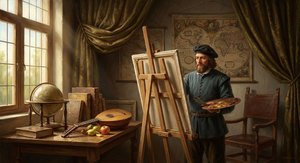
Illuminating Realism: Exploring the Dutch Golden Age of Painting (1600-1700)
Explore the Dutch Golden Age of painting (1600-1700) with OriginalUniqueArt. Discover Rembrandt, Vermeer & other masters. Learn about techniques, history & find museum-quality reproductions.

Golden Light & Dutch Skies: The Timeless Magic of Dutch Golden Age Landscapes
Discover the breathtaking beauty of Dutch Golden Age landscapes. Explore the mastery of light, chiaroscuro, and 17th-century realism through an expert art history lens, celebrating the enduring legacy of the Dutch Masters for discerning collectors and art lovers.

黄金世紀の巨匠たち:バロック絵画が彩る10選|OriginalUniqueArt
オランダ黄金時代の10大傑作を紐解く!レンブラント、フェルメール…バロック絵画の魅力と時代背景を深く探求。OriginalUniqueArtで、至高のアートコレクションと空間演出のヒントを見つけよう。高品質なアートプリントで、お部屋を華やかに。

