
 送る
送る シェア
シェア
 詳細情報
詳細情報 ガイドを表示

 画像をダウンロード
 似ている作品
 スライドショー
 Q&A
Q&A 統計情報
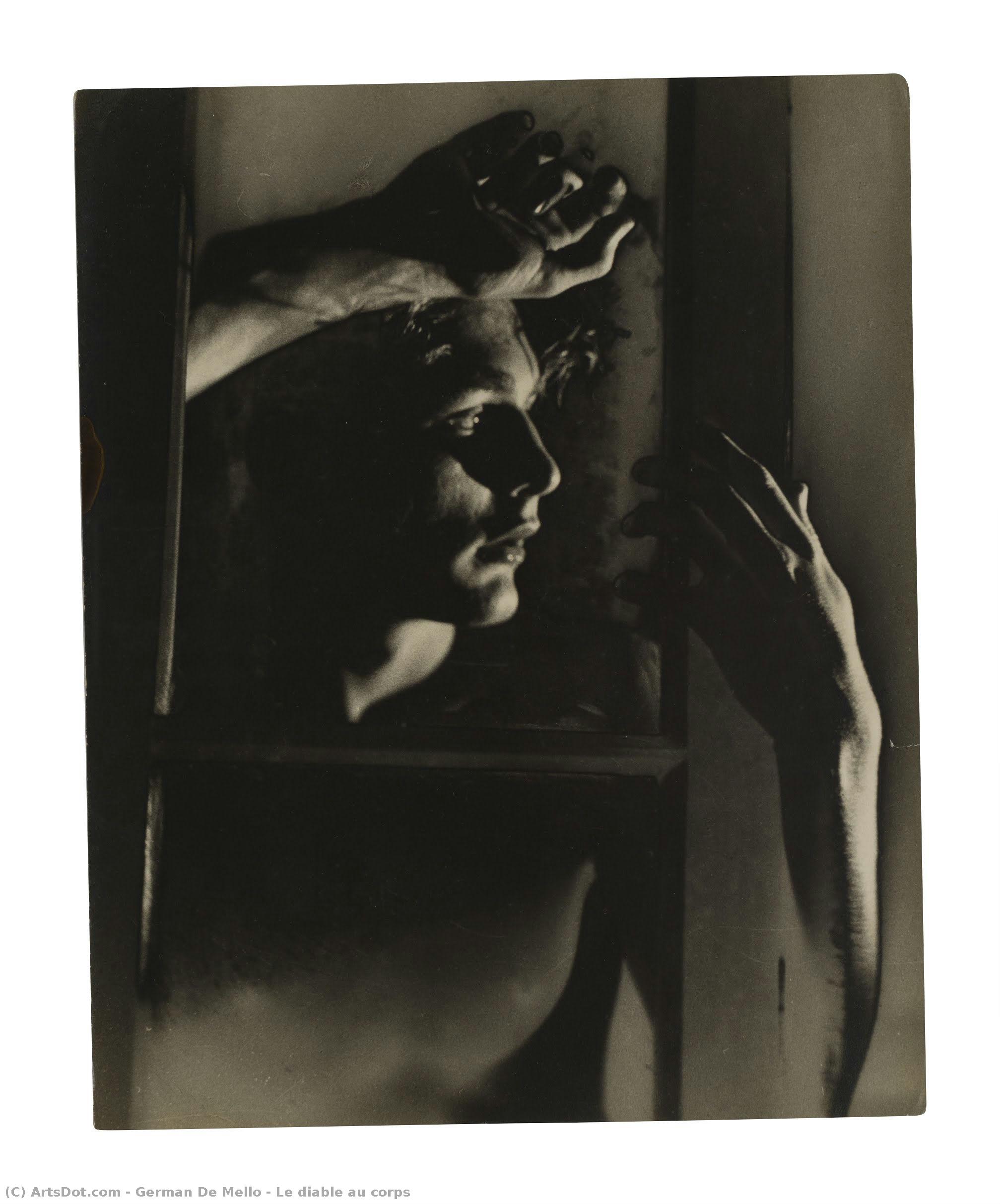
統計情報Le diable au corps


 続きを読む
続きを読む
ウェブ上のプレビューを遥かに凌駕する、印刷に最適なファイルをご提供します。当サイトで販売しているすべてのデジタル画像は、弊社のデータベース内にある高解像度のマスターデータ(通常、幅5,000〜15,000ピクセル)から作成されています。そのため、大判印刷やタイトなクロップ、細部まで緻密な再現も、安心してお楽しみいただけます。
当スタジオから送り出される画像は、すべて丁寧に加工されています。デジタルエキスパートが原画と照らし合わせて色調を精査し、必要に応じて補正を行った上で、プロ仕様のリタッチツールを用いて鮮明さと細部を向上させます。その際、アーティストの筆致やスタイルに忠実であることを常に追求しています。その結果、単なるスキャン画像にフィルターをかけたようなものではなく、まるで本物の絵画を見ているかのような仕上がりを実現しています。
仕上がりをご確認いただいてから完了となります。専門スタッフが、ご確認用の画像を72時間以内にメールでお送りいたします。もしご満足いただけない場合は、修正や改善のご要望を承るほか、品質が基準に満たない場合には返金も可能です。
出版社、デザインスタジオ、ギャラリー、そして印刷所から信頼される品質です。
デジタル画像
個人での鑑賞、印刷、クリエイティブなプロジェクトにご利用いただける高解像度ファイルをダウンロードできます。 ( プリント版に切り替え 手描きの複製画を注文する)
デジタル画像のご注文に付随する特典
プロフェッショナルなデジタル配信を、確かな品質で。
OriginalUniqueArt.com を選ぶことは、単に画像を手に入れることではありません。プロの手によって精密に仕上げられ、満足保証が付いた高品質なデジタルアートワークを受け取ることを意味します。ご注文いただいた際に自動的に付随する内容は、以下の通りです:

メールですぐにお届け
ご注文から72時間以内に、高解像度のデジタル画像ファイルをメールでお送りいたします。お手元に届き次第、すぐにご利用いただけます。

AI技術で最適化されたデジタルファイル
お客様の作品は、高度なAI技術と専門家による手作業を組み合わせてプロフェッショナルに最適化されており、細部のディテール、鮮明さ、そして正確な色再現性を最大限に引き出しています。

一生涯無料の再送サービス
ファイルを誤って削除したり、紛失してしまったりしましたか?ご安心ください。いつでも無料で再送いたします。

輸入手数料は、いつでも一切かかりません
関税や手数料、配送料を気にすることなく、お気に入りのアートワークをすぐにお楽しみいただけます。デジタルダウンロードは常に免税です。

正確な色彩の保証
プロ仕様のツールとカラーマネジメント技術を用いることで、デジタル画像が元の色を最大限に忠実に再現することを保証いたします。

100日間満足保証
ご購入いただいたデジタル画像にご満足いただけない場合は、100日以内であれば、理由を問わず修正または100%の返金対応をさせていただきます。

100% 返金保証
ご満足いただけない場合は、デジタルファイルを受け取ってから100日以内であれば、理由を問わず全額返金いたします。

まとめ買い割引
3枚購入で10%OFF、5枚購入で15%OFF、10枚以上のご購入で20%OFF。クリエイティブなプロジェクトやギャラリー、エージェンシーに最適です。
The Raw Intimacy of Shadow and Light
In the evocative monochrome world of German De Mello, certain moments transcend mere documentation to become profound psychological portraits. Le diable au corps, captured in 1949, stands as a haunting testament to this mastery. The photograph presents a man caught in a private moment of intense vulnerability, his hands raised toward his face in a gesture that oscillates between deep distress and a desperate search for solace. Through the stark, high-contrast lens of mid-century black and white photography, De Mello strips away the distractions of color, forcing the viewer to confront the raw, unadorned texture of human emotion. The way the light clings to the contours of his fingers and the tension in his closed eyes creates a sculptural quality, turning a fleeting expression into an enduring monument of existential struggle.
The technical brilliance of this piece lies in its ability to utilize the absence of light as much as the presence of it. De Mello, a pivotal figure in the Brazilian photography movement and a member of the prestigious Foto Cinema Clube Bandeirante, possessed an uncanny ability to manipulate shadows to direct the viewer's emotional journey. In this work, the deep blacks serve not just as a background, but as a heavy, atmospheric weight that presses upon the subject, mirroring the internal pressure of his visible discomfort. The grain of the film adds a tactile, organic layer to the composition, lending an air of authenticity and timelessness that makes the man's silent cry feel both immediate and ancient.
A Window into the Human Condition
Beyond its technical execution, Le diable au corps functions as a powerful symbol of the universal human experience. The title itself—suggesting a "devil in the flesh"—invites us to contemplate the internal conflicts, passions, and demons that reside within every individual. There is a profound sense of solitude in this image; though we gaze upon him, we are witnesses to a struggle that is deeply solitary. For the collector or the art enthusiast, this piece offers more than just visual beauty; it provides a meditative focal point that encourages introspection. It captures that precise, agonizing second where the weight of the world becomes too much to bear, yet remains frozen in a state of dignified, artistic grace.
For interior designers and curators of fine spaces, this photograph offers a sophisticated way to introduce depth and narrative into a room. Its monochromatic palette allows it to integrate seamlessly into modern, minimalist, or classic gallery-style decors, acting as a soulful anchor in an environment. A high-quality reproduction of this work brings with it a sense of historical gravity and intellectual prestige. It is a piece designed for those who appreciate art that does not merely decorate a wall but speaks to the soul, inviting conversation and providing a window into the complex, beautiful, and often turbulent landscape of human emotion.
よくあるご質問
German De Melloには他にどのような名で知られているものがありますか?
German De Melloは、German Lorcaという別名でも知られています。
制作時期から見て、"Le diable au corps"はGerman De Melloのキャリアにおけるどの時期にあたりますか?
1949年という制作年代から、「Le diable au corps」はGerman De MelloのMature Expressionismに属します。
German De Mello作「Le diable au corps」の形式には、どのような配置が適していますか?
Portraitの形状を活かした「Le diable au corps」の複製画は、Living Roomに飾るのがおすすめです。
アーティスト・プロフィール
Early Life and Influences
- Born: São Paulo, Brazil (1922)
- Died: 2021
- Initially studied accounting at Liceu Acadêmico de São Paulo.
- Started his own accounting business in 1952 before dedicating himself to photography.
- Joined Foto Cinema Clube Bandeirante in 1959, a pivotal group for Brazilian photographers like Thomaz Farkas and Chico Albuquerque.
- Served as the official photographer for the celebration of the 400th anniversary of São Paulo in 1954.
Artistic Development and Key Works
- Known primarily for his striking black and white photographs.
- His work showcases a unique approach to visual composition and attention to detail.
- Notable works include:
- Le Diable au Corps (1949): A significant early photograph demonstrating his artistic vision.
- Curvas Concêntricas (1955): Highlights his compositional skills.
- Apartments or: Captures the essence of urban living.
- Still Life: Demonstrates meticulous attention to detail.
- His photography often explored themes of urban life and still life subjects.
Style and Techniques
- Distinctive Style: German de Mello’s style is characterized by its stark simplicity, masterful use of light and shadow, and a keen eye for geometric forms.
- Technical Proficiency: He was highly skilled in traditional photographic techniques, particularly black-and-white printing.
- Compositional Approach: His compositions often feature carefully arranged elements that create a sense of balance and harmony.
- Influences: The Foto Cine Clube Bandeirante played a crucial role in shaping his artistic development, exposing him to modernist photographic trends.
Recognition and Legacy
- His photographs are housed in prestigious museums including the Museu de Arte de São Paulo Assis Chateaubriand (MASP).
- Recognized as a key figure of the "Escola Paulista de Fotografia" (São Paulo School of Photography).
- Continued to be celebrated for his contributions to Brazilian photography well into his later years.
- His work has been exhibited internationally, solidifying his place in art history.
- Died in 2021 leaving behind a legacy of captivating photographs that continue to inspire artists and photographers.
Historical Significance
- Pioneer of Brazilian Photography: De Mello was instrumental in the development of modern photography in Brazil, contributing significantly to its artistic recognition.
- Documenting Urban Life: His photographs offer a valuable visual record of São Paulo and its evolving urban landscape during the mid-20th century.
- Influence on Subsequent Generations: His unique style and approach have influenced countless photographers in Brazil and beyond.
- Preservation of Cultural Heritage: Through his work, he helped preserve a vital part of Brazilian cultural heritage for future generations.

German De Mello
1922 - 2021 , Brazil
略歴
- Artistic Movement Or Style: Photography
- Artists Who Influenced This Artist:
- Thomaz Farkas
- Chico Albuquerque
- Date Of Birth: 1922
- Date Of Death: 2021
- Full Name: German de Mello
- Nationality: Brazilian
- Notable Artworks:
- Le Diable Au Corps
- Curvas Concêntricas
- Apartments or
- Still Life
- Place Of Birth: São Paulo, Brazil