

 設置イメージを確認
 送る
送る シェア
シェア
 詳細情報
詳細情報 ガイドを表示

 画像をダウンロード
 似ている作品
 X線調査
X線調査 スライドショー
 統計情報
統計情報St Jerome
 Oil On Canvas
- WallArt
- Baroque Dramatic Light
 109.0 x 139.0 cm
 リヒテンシュタイン美術館
 続きを読む
続きを読む
ジークレー/アートプリント
スピーディーな制作と多彩な仕上げオプションが魅力の、ミュージアムクオリティなジークレー・キャンバスプリント。 ( 手描きの複製画を注文する デジタル画像販売へ切り替え)




P118B ¥10

P118H ¥10

P118W ¥10

P438Z ¥10

P508JH ¥12

P508YH ¥12

P805H ¥10

P805Z ¥10

P919BZ ¥10

P919G ¥10

P919XJ ¥10

P959ZH ¥10

P968JZ ¥12

W106C ¥8

W218G ¥10

W218JH ¥8

W218Y ¥10

W307PJ ¥10

W316G ¥10

W316PJ ¥8

W316Y ¥10

W398PJ ¥8

W4111J ¥10

W500HY ¥15

W500JH ¥15

W692G ¥12

W849H ¥8

W940BG ¥15

W953PJ ¥8




作品のオリジナル比率に合わせた、当店の規定サイズからお選びください。

額縁や壁のスペースに合わせて、ご希望の幅と高さを入力してください。プリントはカットすることは可能ですが、元の画像より大きくすることはできないため、異なる比率のサイズを選択された場合は、画像の一部が欠けることになります。印刷を開始する前に、内容を確認していただくためのデジタルモックアップをお送りいたします。このページに表示されている画像は、実際のカット後の状態を示すものではありません。実際の仕上がりはモックアップにてご確認ください。


 ガラスオプションは、110cm未満のサイズでのみご利用いただけます。

St Jerome
ジークレー/アートプリント
複製画サイズ一覧
-


合計金額
¥ 12591
Saint Jerome by Gerrit van Honthorst: Illuminating the Dutch Golden Age with Caravaggism & Courtly Grace
The painting Saint Jerome by Gerard van Honthorst (Gerrit Van Honthorst) stands as a testament to the Baroque aesthetic, capturing not merely a depiction of biblical scripture but also an atmosphere steeped in contemplation and intellectual rigor. Executed in oil on canvas circa 1647-1650, this artwork resides within the Liechtenstein Museum’s collection in Vienna, Austria—a location that underscores its significance as a cornerstone of Dutch Baroque art history. Measuring approximately 109 x 139 cm, Van Honthorst's masterpiece distinguishes itself through masterful use of chiaroscuro – a technique pioneered by Caravaggio – transforming light and shadow into instruments of dramatic expression and psychological insight.- Subject Matter: The scene portrays Saint Jerome in his study, meticulously rendered against a dimly lit interior punctuated by the stark illumination emanating from a large mirror positioned to the left. This mirror serves not merely as an optical element but also as a symbolic device reflecting both the saint’s figure and the room itself—a motif frequently employed during the Baroque period to heighten visual impact and convey notions of duality and introspection.
- Style & Technique: Van Honthorst's signature style embodies Caravaggio’s influence, prioritizing dramatic realism achieved through tenebrism – a bold juxtaposition of intense light against deep darkness. The artist skillfully employs subtle modeling of light and shadow to sculpt the contours of Jerome’s robe and torso, creating an illusion of volume that draws the viewer’s gaze inward.
- Symbolism: Scattered throughout the composition are symbolic objects—a skull prominently displayed in Jerome's left hand—representing mortality and serving as a poignant reminder of human vulnerability. Alongside the skull rests a book open on his desk, symbolizing knowledge and spiritual contemplation. The inclusion of another skull positioned near the mirror reinforces this thematic preoccupation with death and decay.
- Historical Context: Produced during the Dutch Golden Age – a period characterized by unprecedented artistic flourishing—Saint Jerome reflects the intellectual currents of its time. Artists like Van Honthorst sought to elevate religious imagery beyond mere representation, aiming instead to evoke profound emotional responses and stimulate contemplation on existential themes.
- Emotional Impact: The painting’s subdued color palette—dominated by earthy tones—contributes to its melancholic mood, fostering a sense of solitude and introspection that aligns perfectly with Jerome's ascetic lifestyle. Van Honthorst’s meticulous attention to detail—evident in the textures of the robe, the reflections in the mirror, and the subtle modeling of light—further enhances the artwork’s immersive quality, transporting viewers into the contemplative space of Saint Jerome’s study.
Detailed Analysis: Caravaggism & Chiaroscuro Mastery
Gerard van Honthorst's masterful manipulation of chiaroscuro – derived directly from Caravaggio’s groundbreaking approach – elevates Saint Jerome beyond a simple portrait into an embodiment of Baroque dramatic idealism. The artist meticulously sculpts the figure with light, creating a palpable sense of volume and depth that draws the viewer’s eye toward Jerome’s central form. This technique isn't merely decorative; it serves as a conduit for conveying psychological states—the saint’s inner turmoil mirrored in the stark contrasts of light and shadow. The mirror reflects not only Jerome’s physical presence but also the room’s ambiance, amplifying the painting’s contemplative atmosphere and reinforcing its symbolic significance.Notable Comparisons & Artistic Influences
Saint Jerome stands alongside other seminal Baroque paintings—such as Rembrandt's *The Return of Susanna* and Rubens' *The Descent from Calvary*—as exemplifying the period's artistic conventions. Van Honthorst’s work shares a common thread with these masterpieces: an unwavering commitment to realism infused with expressive emotion. Like Caravaggio, he prioritized capturing the human condition with unflinching honesty, eschewing idealized representations in favor of portraying figures grappling with profound spiritual dilemmas.Provenance & Artistic Legacy
Currently housed at the Liechtenstein Museum, Saint Jerome’s journey through art history reflects the broader dissemination of Baroque ideals across Europe. Its meticulous execution and symbolic richness underscore Van Honthorst's enduring contribution to Dutch artistic heritage—a legacy that continues to inspire artists and collectors alike. The painting serves as a poignant reminder of the Baroque period’s fascination with introspection, mortality, and the pursuit of spiritual enlightenment.よくあるご質問
ご購入前に、ヘラルト・ファン・ホンストロード作「St Jerome」 をご自身の壁に飾った様子を確認することはできますか?
「St Jerome」は、拡張現実(AR)でのプレビューが可能です。対応デバイスで作品のARプレビューページを表示すると、ご自身の空間に作品を配置してご確認いただけます。
ヘラルト・ファン・ホンストロード作「St Jerome」の彩度や色の強さはどのような感じでしょうか?
ヘラルト・ファン・ホンストロード作「St Jerome」は、Mutedの彩度とMonochromaticの強烈な色彩で記録されています。
ヘラルト・ファン・ホンストロード作「St Jerome」は、作家の母国に保管されていますか?
いいえ、作品は国外に保管されています。ヘラルト・ファン・ホンストロードの出生国は日本であり、「St Jerome」の真作を収蔵している美術館はオーストリアにあります。
アーティストについて
光と影の巨匠:ヘラルト・ファン・ホンストロートの生涯と芸術
1592年、オランダのユトレヒトに生まれたヘラルト・ファン・ホンストロートは、オランダ黄金時代を照らす劇的な芸術家として頭角を現しました。当初は装飾画家の父から指導を受けましたが、若き日の才能はアブラハム・ブロメールのもとで開花し、素描と構成の確かな基礎を築きました。しかし、彼の芸術的発展の転機となったのはローマへの旅でした。イタリア・バロックの熱狂的なエネルギーの中で、彼はカラヴァッジョの革新的な作品に出会います。この出会いは彼のシグネチャーとなるスタイルを決定づけ、「ジェラルド・デッレ・ノッテ(夜のジェラルド)」という愛称を与えました。明暗の劇的な対比を利用するテネブリズムは、ホンストロートの特徴となり、彼のキャンバスに鮮烈なドラマと感情的な強度をもたらしました。彼は単にカラヴァッジョを模倣していたのではなく、イタリアの巨匠の革新を独特のオランダ的感性に翻訳し、ろうそく、ランプ、火などの人工光源で照らされた親密なシーンに焦点を当てました。この光の掌握は単なる技術的なスキルではなく、キャラクターを明らかにし、鑑賞者を各シーンの中心へと引き込む手段でした。ローマでの成功からオランダでの名声へ
ホンストロートのローマ時代は目覚ましい成功とパトロンとの出会いで彩られました。彼はヴィンチェンツォ・ジュスティニアニをはじめとする都市のエリート層に恵まれ、彼の代表作の一つである「最高司祭のもとにあるキリスト」を制作しました。この作品は現在ロンドンのナショナル・ギャラリーに所蔵されており、彼の光と影の巧みな操縦だけでなく、人物の中に深い心理的深みを表現する能力を示しています。さらに彼はコジモ2世・デ・メディチ、トスカーナ大公のために働き、適応性と多才さを示すことでキャリアを確固たるものにしました。1620年頃にユトレヒトに戻ったホンストロートは、すぐにオランダ共和国の主要な肖像画家としての地位を確立しました。彼の肖像画は単なる容姿だけでなく、被写体の性格や社会的地位をとらえる能力によって高く評価され、裕福な商人、貴族、そして王室からの依頼が殺到しました。1623年にはユトレヒトの聖ルカ組合の会長に就任し、芸術界における彼の影響力を示すこととなりました。この時期は多くの依頼を受け、ホンストロートは自身のスタイルを洗練させ、オランダ絵画の中に独自の表現を見出すことができました。宮廷画家:依頼と協働
ホンストロートの才能はオランダ国外にも及びました。彼の作品はサー・ダドリー・カールトンに認められ、チャールズ1世の姉であるエリザベス女王をはじめとするイギリスの貴族たちに熱心に紹介されました。これにより、彼はエリザベス女王から画家としてだけでなく、子供たちの絵画教師としても依頼を受けることになります。これらの王室との繋がりは、現在ハンプトン・コート宮殿に所蔵されているチャールズとヘンリエッタ・マリアをダイアナとアポロンとして描いた寓意的な作品などの重要な作品につながりました。ホンストロートの他の芸術家との協働への意欲も彼の開放性と芸術的寛容さを示しています。彼は有名なピーテル・パウル・ルーベンスをユトレヒトに招き、ディオゲネスが正直な人を探す場面を描いた遊び心のある作品を制作しました。これは2人のバロック巨匠の相互尊重を示すものです。当初はホンストロートのみが「キリストの捕縛」などの共同作品の作者とされていましたが、近年の研究により他の芸術家の貢献も明らかになり、この時代の芸術的生産の複雑なダイナミクスが浮き彫りになりました。これらの協働は単なる労働力の分担ではなく、芸術的な風景を豊かにする知的交流でした。遺産とユトレヒト・カラヴァッジスティ
ヘラルト・ファン・ホンストロートの影響力は彼の死後も長く残りました。彼は*ユトレヒト・カラヴァッジスティ*運動の重要な人物であり、カラヴァッジョの劇的なリアリズムとテネブリズムを受け入れたオランダ人画家たちのグループでした。ヘンドリック・テル・ブルッゲンやディルク・ファン・バブレンらとともに、彼はイタリア・バロック様式を独特のオランダ解釈として確立するのに貢献しました。人工光で照らされたジャンルシーンへの彼の重点、巧みな肖像画、そしてキアロスクーロ(明暗法)による感情的な深みを表現する能力は、オランダ黄金時代絵画の発展に消えない足跡を残しました。彼の弟であるウィレム・ファン・ホンストロートもまた、その足跡をたどり、様式的な類似性からしばしばヘラルトの作品と誤って特定されていました。- ホンストロートの絵画は今日でも観客を魅了し続けています。
- 彼の劇的な美しさと心理的な洞察力は永続的な資質です。
- 彼は美術史における重要な人物としての地位を確立しました。

ヘラルト・ファン・ホンストロード
1590 - 1656 , 日本
アーティスト情報
- Artistic Movement Or Style: バロック、カラヴァッジョ派
- Artists Or Movements Influenced By This Artist: ['ユトレヒト・カラヴァッジョ派']
- Artists Who Influenced This Artist: ['カラヴァッジョ']
- Date Of Birth: 1590年
- Date Of Death: 1656年
- Full Name: ヘラルト・ファン・ホントホルスト
- Nationality: オランダ人
- Notable Artworks:
- キリストの庭園
- 晩餐会
- ディアナとアポロン
- Place Of Birth (City And Country): ユトレヒト、オランダ
関連記事

Dutch Baroque Masters: 10 Paintings That Shaped an Era | OriginalUniqueArt
Journey through the Golden Age with our guide to the Top 10 Dutch Baroque masterpieces! Explore iconic paintings by Rembrandt, Vermeer & Frans Hals. Find museum-quality art reproductions and elevate your home decor at OriginalUniqueArt.com.

バロック美術を極めた至宝:時代を彩る10大名作の世界
バロック美術の華!カラヴァッジョ、ベルニーニら巨匠が創り上げた10大名作を徹底解剖。ドラマチックな色彩と豪華絢爛の世界観に触れ、至宝のアートプリントで空間を彩ろう。OriginalUniqueArt.comで美術館品質の複製と洗練されたインテリアを見つけましょう!

バロック美術の真髄:光と影、劇的な動性が描き出す17世紀ヨーロッパの情熱
バロック美術の核心である光と影の技法や、カラヴァッジョからハルスに至る巨匠たちの情熱を専門的に解説します。17世紀ヨーロッパが放つ劇的な美の世界を今すぐ体験してください。

レンブラント傑作25選:光と影の巨匠、魂を揺さぶる名画の世界 | OriginalUniqueArt
レンブラントの傑作25選。光と影の魔術師が描いた魂を揺さぶる名画の世界へ。美術史に残る自画像、夜警、宗教画…OriginalUniqueArtで高品質なアートプリントやインテリアアートをお楽しみください。コレクションはこちら→
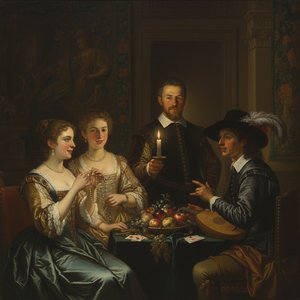
Gerard van Honthorst: Illuminating the Dutch Golden Age with Caravaggism & Courtly Grace
Explore the captivating world of Gerard van Honthorst, a Dutch Golden Age master renowned for his dramatic chiaroscuro & courtly portraits. Discover his life, art, and lasting influence on Baroque painting.
