

 設置イメージを確認
 送る
送る シェア
シェア
 詳細情報
詳細情報 ガイドを表示

 画像をダウンロード
 似ている作品
 X線調査
X線調査 スライドショー
 統計情報
統計情報The Visit
 Oil On Canvas
- WallArt
- Dutch Golden Age Genre
 78.0 x 74.0 cm
 Staatliches Museum
 続きを読む
続きを読む
ジークレー/アートプリント
スピーディーな制作と多彩な仕上げオプションが魅力の、ミュージアムクオリティなジークレー・キャンバスプリント。 ( 手描きの複製画を注文する デジタル画像販売へ切り替え)




P118B ¥10

P118H ¥10

P118W ¥10

P438Z ¥10

P508JH ¥12

P508YH ¥12

P805H ¥10

P805Z ¥10

P919BZ ¥10

P919G ¥10

P919XJ ¥10

P959ZH ¥10

P968JZ ¥12

W106C ¥8

W218G ¥10

W218JH ¥8

W218Y ¥10

W307PJ ¥10

W316G ¥10

W316PJ ¥8

W316Y ¥10

W398PJ ¥8

W4111J ¥10

W500HY ¥15

W500JH ¥15

W692G ¥12

W849H ¥8

W940BG ¥15

W953PJ ¥8




作品のオリジナル比率に合わせた、当店の規定サイズからお選びください。

額縁や壁のスペースに合わせて、ご希望の幅と高さを入力してください。プリントはカットすることは可能ですが、元の画像より大きくすることはできないため、異なる比率のサイズを選択された場合は、画像の一部が欠けることになります。印刷を開始する前に、内容を確認していただくためのデジタルモックアップをお送りいたします。このページに表示されている画像は、実際のカット後の状態を示すものではありません。実際の仕上がりはモックアップにてご確認ください。


 ガラスオプションは、110cm未満のサイズでのみご利用いただけます。

The Visit
ジークレー/アートプリント
複製画サイズ一覧
-


合計金額
¥ 12650
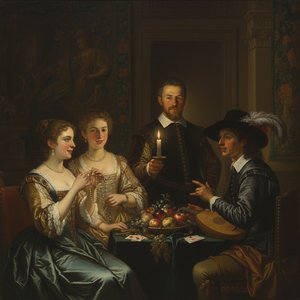
A Window Into Seventeenth-Century Domestic Life: Exploring Gerard Ter Borch’s “The Visit”
Gerard ter Borch, a pivotal figure in Dutch Golden Age art history, stands as a beacon of psychological realism and meticulous observation within the genre of domestic painting. Born in Zwolle in 1617, he embarked on an artistic journey that traversed Europe, absorbing influences from diverse artistic traditions – notably the Baroque – shaping his distinctive style and cementing his legacy as one of the era’s foremost masters. His sister, Gesina ter Borch, also pursued a career in painting, fostering a familial commitment to artistic excellence that would resonate throughout their lives. Ter Borch's oeuvre is characterized by an unparalleled sensitivity to capturing subtle emotions and nuanced interactions within seemingly commonplace settings—a hallmark that distinguishes him from many of his contemporaries.Composition and Technique: Mastering Light and Texture
“The Visit,” painted circa 1655, exemplifies ter Borch’s masterful command of technique. Executed in oil on canvas – a medium favored for its ability to achieve remarkable luminosity and textural detail – the artwork presents four figures engaged in conversation within a richly furnished bedroom. The artist skillfully employs chiaroscuro—the dramatic interplay between light and shadow—to sculpt the forms of the women seated on a bench and the men standing nearby, creating an illusionistic depth that draws the viewer into the scene. Ter Borch’s meticulous brushwork captures the delicate weave of fabric, the sheen of polished surfaces, and the subtle nuances of skin tones with astonishing accuracy. This painstaking attention to detail underscores ter Borch's dedication to portraying reality as faithfully as possible—a cornerstone of his artistic philosophy.Symbolism Within Everyday Reality: Decoding Gestures and Expressions
Beyond its technical brilliance, “The Visit” is laden with symbolic significance. The bed draped in a scarlet blanket serves as a visual anchor, representing comfort, intimacy, and perhaps even unspoken desires. The postures and gestures of the figures convey a complex tapestry of emotions—ranging from polite cordiality to veiled apprehension—reflecting the psychological depth that ter Borch sought to achieve. Scholars have interpreted subtle facial expressions and glances as indicators of hidden agendas and unspoken feelings, prompting ongoing debate about the artwork’s intended message. Ter Borch's ability to transform ordinary domestic life into a vehicle for profound emotional exploration distinguishes him from many other artists of his time.Historical Context: Reflecting Dutch Society’s Values
“The Visit” emerged during a period of considerable social and intellectual ferment in Holland—the Dutch Golden Age (approximately 1648-1702). This era witnessed unprecedented economic prosperity, fueled by maritime trade and colonial expansion, fostering a vibrant cultural landscape characterized by artistic innovation and humanist ideals. Genre painting flourished as a response to the prevailing fascination with portraying the realities of everyday life—a deliberate departure from grand mythological narratives favored by earlier Baroque artists. Ter Borch’s work reflects the Dutch obsession with moral virtue and social decorum—values that underpinned the nation's reputation for stability and sophistication.Emotional Resonance: Capturing Transient Moments
Ultimately, “The Visit” transcends its formal qualities to evoke a powerful emotional response in the viewer. The artwork captures a fleeting moment of human connection—a conversation between friends or family members—rendered with breathtaking tenderness and sensitivity. Ter Borch’s masterful depiction of psychological realism invites contemplation about the complexities of human relationships and the enduring power of unspoken emotions. Like many of his contemporaries, ter Borch aimed to elevate genre painting beyond mere visual representation, transforming it into a medium for conveying profound truths about the human condition—a testament to his artistic genius and lasting influence on art history.Location: Staatliches Museum Schwerin
The Staatliches Museum Schwerin houses an impressive collection of artworks from various periods and styles. You can find more information about the museum on Wikipedia: https://en.wikipedia.org/wiki/Staatliches_Musよくあるご質問
ゲラルト・テル・ボルホ作「The Visit」の輝度はどの程度ですか?
「The Visit」の色調は、Darkの輝度を示しています。
「The Visit」は、ゲラルト・テル・ボルホの他の作品群とどのような共通点を持っていますか?
「The Visit」はゲラルト・テル・ボルホによるDutch Golden Age Genreの作品であり、その記録されたテーマにはdomestic intimacy, psychological realism, genre painting style, dutch artistic heritage, symbolic interior spaceが含まれます。
ゲラルト・テル・ボルホ作「The Visit」のX線画像を見ることはできますか?
ゲラルト・テル・ボルホ作「The Visit」のX線解析ページは、X線写真のような表示を含む、作品画像の11層にわたる光学レイヤーをスライドして閲覧できるインタラクティブ・ビューアです。
アーティストについて
オランダ風俗画の先駆者
ゲラルト・テル・ボルホは、オランダ黄金時代を代表する巨匠の一人であり、その風俗画を通じて美術史に消えることのない足跡を残しました。1617年12月に生を受け、1681年12月8日にその生涯を閉じるまで、テル・ボルホの人生はまさに芸術的才能の結晶であったと言えるでしょう。幼少期と芸術への影響
彼の初期の生活については詳細な記録が残っていない部分もありますが、ロンドン、ドイツ、フランス、スペイン、そしてイタリアといったヨーロッパ各地を広く旅したことは知られています。こうした広範な経験が彼の芸術的視野を大きく広げ、独自のスタイルを形作る糧となりました。また、妹のヘジーナ・テル・ボルホも画家としての道を歩んでおり、この家族が持つ芸術への情熱は非常に深いものでした。代表作と輝かしい業績
彼の作品群には、光と質感の捉え方において比類なき技量を示す傑作『手紙』があります。また、ヨハン・ゲオルグ・ヴィレによる版画としても知られる『優雅な会話』は、繊細な感情の機微を表現する彼の卓越した能力を象徴しています。初期の才能を感じさせる『騎馬の男』(1634年)や、画家の物語的な表現力を際立たせる『ミュンスターへのアドリアーン・パウスの到着』(1646年)など、その作品はどれも見る者を惹きつけて止みません。テル・ボルホの作品を収蔵する美術館とコレクション
彼の芸術的価値は世界中で認められており、エルミタージュ美術館には6点もの作品が収蔵されており、最大級のコレクションの一つを誇っています。ベルリン美術館にも6点が展示され、その国際的な評価を物語っています。さらに、ゲッティ・センターにも3点の絵画が収蔵されており、名高いコレクションの一部となっています。遺産と後世への影響
テル・ボルホがガブリエル・メッツ、ゲリット・ドウ、エグロン・ファン・デル・ネール、そしてヨハネス・フェルメイトといったオランダの画家たちに与えた影響は、歴史的に広く証明されています。風俗画に対する彼の革新的なアプローチは、彼を美術史における極めて重要な人物へと押し上げました。- テル・ボルホの生涯と作品の詳細については、こちらをご覧ください:https://OriginalUniqueArt.com/@/gerard-ter-borch
- テル・ボルホと同時代の画家たちを展示する、オランダのボイマンス・ヴァン・ベーニンゲン美術館を探索しましょう:https://OriginalUniqueArt.com/@@/a@d3arrk-museum-boijmans-van-beuningen-rotterdam-netherlands
- オランダ黄金時代とその偉大な芸術家たちについて詳しく知る:https://en.wikipedia.org/wiki/dutch_golden_age

ゲラルト・テル・ボルホ
1617 - 1681 , オランダ
アーティスト情報
- Artistic Movement Or Style: 風俗画
- Artists Or Movements Influenced By This Artist: ['ディエゴ・ベラスケス']
- Artists Who Influenced This Artist:
- ガブリエル・メッツ
- ゲリット・ドウ
- エグロン・ファン・デル・ネール
- ヨハネス・フェルメール
- Date Of Birth: 1617年12月
- Date Of Death: 1681年12月8日
- Full Name: ヘラルト・テル・ボルホ
- Nationality: オランダ
- Notable Artworks:
- 手紙
- 愛の語らい
- 馬上の男
- ミュンスターへのアドリアン・パウの到着
- Place Of Birth: オランダ、ズヴォレ
関連記事

Gerard ter Borch: Intimacy & Light in the Dutch Golden Age
Explore the captivating world of Gerard ter Borch, a master of Dutch Golden Age genre painting. Discover his intimate scenes, masterful light, and lasting influence on art history. Learn more at OriginalUniqueArt.

Golden Age Reflections: Dutch Baroque Painting & Cultural Innovation
Explore the Dutch Golden Age of painting! Discover key artists like Vermeer & ter Borch, their innovative techniques, and the rich cultural context behind these Baroque masterpieces. Learn about collecting & appreciating this iconic art period.
Gerard van Honthorst: Illuminating the Dutch Golden Age with Caravaggism & Courtly Grace
Explore the captivating world of Gerard van Honthorst, a Dutch Golden Age master renowned for his dramatic chiaroscuro & courtly portraits. Discover his life, art, and lasting influence on Baroque painting.

Chiaroscuro and Character: A Definitive Guide to Light and Shadow in the Dutch Baroque Era
Explore the dramatic mastery of the Dutch Baroque era. Discover how masters like Rembrandt used chiaroscuro to transform everyday life into timeless art. An expert guide for collectors and enthusiasts seeking to understand the profound interplay of light and shadow.

Dutch Baroque Masters: 10 Paintings That Shaped an Era | OriginalUniqueArt
Journey through the Golden Age with our guide to the Top 10 Dutch Baroque masterpieces! Explore iconic paintings by Rembrandt, Vermeer & Frans Hals. Find museum-quality art reproductions and elevate your home decor at OriginalUniqueArt.com.
