設置イメージを確認
 送る
送る シェア
シェア
 詳細情報
詳細情報 ガイドを表示

 画像をダウンロード
 似ている作品
 X線調査
X線調査 スライドショー
 統計情報
統計情報St Jerome


 続きを読む
続きを読む
ジークレー/アートプリント
スピーディーな制作と多彩な仕上げオプションが魅力の、ミュージアムクオリティなジークレー・キャンバスプリント。 ( 手描きの複製画を注文する デジタル画像販売へ切り替え)




P118B ¥10

P118H ¥10

P118W ¥10

P438Z ¥10

P508JH ¥12

P508YH ¥12

P805H ¥10

P805Z ¥10

P919BZ ¥10

P919G ¥10

P919XJ ¥10

P959ZH ¥10

P968JZ ¥12

W106C ¥8

W218G ¥10

W218JH ¥8

W218Y ¥10

W307PJ ¥10

W316G ¥10

W316PJ ¥8

W316Y ¥10

W398PJ ¥8

W4111J ¥10

W500HY ¥15

W500JH ¥15

W692G ¥12

W849H ¥8

W940BG ¥15

W953PJ ¥8




作品のオリジナル比率に合わせた、当店の規定サイズからお選びください。

額縁や壁のスペースに合わせて、ご希望の幅と高さを入力してください。プリントはカットすることは可能ですが、元の画像より大きくすることはできないため、異なる比率のサイズを選択された場合は、画像の一部が欠けることになります。印刷を開始する前に、内容を確認していただくためのデジタルモックアップをお送りいたします。このページに表示されている画像は、実際のカット後の状態を示すものではありません。実際の仕上がりはモックアップにてご確認ください。


 ガラスオプションは、110cm未満のサイズでのみご利用いただけます。

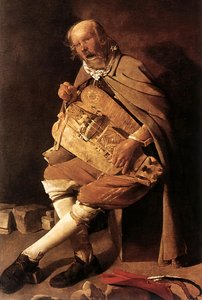
St Jerome
ジークレー/アートプリント
複製画サイズ一覧
-


合計金額
¥ 12650
A Meditation on Faith: Exploring Georges de La Tour’s “St Jerome”
The painting "St Jerome" by Georges de la Tour, completed in 1630, transcends mere depiction; it embodies a profound spiritual contemplation captured within the masterful manipulation of light and shadow—a hallmark of the artist's distinctive Baroque style. More than just a portrait of Saint Jerome, the hermit ascetic, De La Tour’s work delves into the very essence of piety and inner devotion, inviting viewers to participate in a silent dialogue with faith itself.- Subject Matter & Composition: The central figure—Jerome—kneels before a table laden with books, illuminated by a single candle flame that casts dramatic shadows across his face and garments. This deliberate arrangement isn’t accidental; it underscores the importance of introspection and prayer as pathways to spiritual enlightenment. Jerome's posture exudes humility and seriousness, conveying a palpable sense of solitude amidst intellectual pursuits.
- Style & Technique: De La Tour’s technique is characterized by tenebrism—a radical departure from Renaissance chiaroscuro—where intense contrasts between light and darkness dominate the canvas. This dramatic effect isn't merely stylistic; it serves a theological purpose, symbolizing God’s divine illumination piercing through the darkness of human imperfection. The artist meticulously renders textures with painstaking detail, capturing the folds of Jerome’s robe and the worn surface of the books to heighten realism.
Historical Context: Baroque Piety and Artistic Innovation
Painted during the height of the Catholic Counter-Reformation, “St Jerome” reflects the fervent religious fervor of its time. The Baroque period witnessed a renewed emphasis on emotion and dramatic expression—a reaction against the perceived intellectual dryness of earlier artistic movements. De La Tour’s work aligns perfectly with this trend, aiming to inspire piety and evoke spiritual awe in the viewer. Furthermore, he stands as one of the foremost practitioners of tenebrism, pushing the boundaries of artistic convention and establishing a precedent for future generations.- Symbolism: The candle flame represents divine grace—the guiding light illuminating Jerome’s soul—while the books symbolize knowledge and contemplation. Jerome's gaze is directed upwards, suggesting an aspiration towards God and highlighting the importance of spiritual reflection. The muted colors contribute to the overall atmosphere of solemnity and reverence.
- Emotional Impact: Viewing “St Jerome” evokes a feeling of quiet melancholy mingled with profound serenity. De La Tour’s masterful use of light and shadow compels contemplation, prompting viewers to consider themes of faith, humility, and inner peace. It's an image designed not merely to observe but to experience—a testament to the artist’s ability to translate spiritual concepts into visual form.
A Legacy Enduring Through Reproduction
Today, reproductions of “St Jerome” grace homes and galleries worldwide. OriginalUniqueArt.com offers exceptional quality prints that faithfully capture De La Tour's luminous artistry, allowing collectors and interior designers alike to appreciate the enduring beauty and spiritual depth of this iconic Baroque masterpiece. Bringing this evocative image into your space is an invitation to engage in a timeless dialogue with faith—a connection forged centuries ago by one of art history’s most visionary artists.よくあるご質問
ジョルジュ・ド・ラ・トゥール作「St Jerome」はパブリックドメインですか?
ジョルジュ・ド・ラ・トゥール作「St Jerome」 の著作権について:本作品はパブリックドメイン(著作権消滅)です。これにより、画像の複製が自由に行えるかどうかが決まります。
「St Jerome」の色は、どの程度の光を反射しているように見えますか?
「St Jerome」の色調は、Darkの輝度を示しています。
「St Jerome」は、ジョルジュ・ド・ラ・トゥールのキャリアにおけるどの時期の作品でしょうか?
「St Jerome」は、ジョルジュ・ド・ラ・トゥールのMature Periodを象徴する作品です。
アーティストについて
Georges de La Tour (1593–1652): French Baroque Master of Dramatic Chiaroscuro & Tenebrism
Georges de La Tour, a name that resonates with the hushed reverence reserved for masters of light and shadow, remains one of the most compelling figures of the French Baroque. Born in 1593 in Vic-sur-Seille, Lorraine—now Moselle—his life unfolded against a backdrop of religious fervor and political upheaval. While details surrounding his early training remain somewhat elusive—scholars speculate about potential journeys to Italy or apprenticeships with local artists like Jacques Bellange—the seeds of his artistic vision were undoubtedly sown in this environment. He wasn’t born into an artistically established family; his father was a baker, yet the circumstances of his mother's lineage hint at a possible connection to nobility, a subtle influence perhaps reflected in the dignity and quiet grace that permeate his work.
Early Life & Artistic Influences
Georges de La Tour’s educational background remains somewhat unclear, but it is assumed that he traveled either to Italy or the Netherlands early in his career. He may possibly have trained under Jacques Bellange in Nancy—the capital of Lorraine—although their styles are very different. His paintings reflect the Baroque naturalism of Caravaggio—the Italian master who revolutionized painting with his intensely realistic and emotionally charged scenes—yet, De La Tour didn’t simply imitate; he filtered Caravaggism through the prism of Dutch Caravaggisti, particularly those from the Utrecht School like Hendrick Terbrugghen. This fusion resulted in a style that was both powerful and restrained, characterized by a muted palette dominated by earth tones and subtle gradations of light. The Utrecht School's emphasis on dramatic lighting—a technique known as *tenebrism*—significantly shaped De La Tour’s artistic approach.
The Style of Lunéville & Major Works
In 1620 he established his studio in Lunéville, where he would spend much of his career serving both the French court and the Dukes of Lorraine. This dual patronage allowed him to flourish, yet it was within the intimate confines of domestic scenes and religious contemplation that his true genius found expression. His distinctive style—marked by a profound simplification of forms and an almost obsessive attention to detail—became synonymous with the Lunéville School. Among De La Tour’s most iconic works are *The Fortune Teller*, painted around 1630, which captures the eerie atmosphere of nocturnal storytelling; *St Joseph Carpenter*, depicting a serene domestic scene illuminated by candlelight—a motif that would become central to his oeuvre; and *The Lamentation over St Sebastian*, rendered with heartbreaking subtlety and realism—demonstrating De La Tour’s unparalleled ability to convey profound emotional truths.
Rediscovery & Legacy
Despite achieving recognition during his lifetime—he was appointed “Painter to the King” by Louis XIII in 1638—De La Tour’s work fell into relative obscurity after his death in 1652. For centuries, many of his paintings were misattributed to other artists, and his name faded from art historical memory. It wasn't until the early 20th century that a concerted effort was made to rediscover and re-evaluate his oeuvre, led by scholars like Hermann Voss. This rediscovery revealed an artist of extraordinary originality and depth—whose work bridged the gap between Caravaggism and French Classicism—solidifying his place as a pivotal figure in the history of European art. His innovative use of light and shadow—combined with his psychological insight into his subjects—continues to captivate audiences today. He remains celebrated for his ability to imbue everyday scenes with profound meaning and emotional depth.

ジョルジュ・ド・ラ・トゥール
1593 - 1652 , フランス
アーティスト情報
- Artistic Movement Or Style: Барокко, Тенебризм
- Artists Who Influenced This Artist:
- Караваджо
- Генрик Тербрюгген
- Date Of Birth: 13 марта 1593 г.
- Date Of Death: 30 января 1652 г.
- Full Name: Georges de La Tour
- Nationality: Французский
- Notable Artworks:
- Пророк Эзекииль
- Поклонение пастухов
- Слезы святого Петра
- Place Of Birth: Вик-сюр-Сейль, Франция