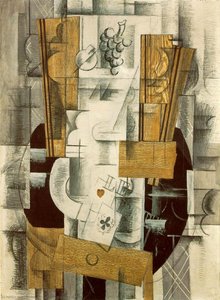
- ホーム

- キャンバスプリント用
- ジョルジュ・ブラクエ
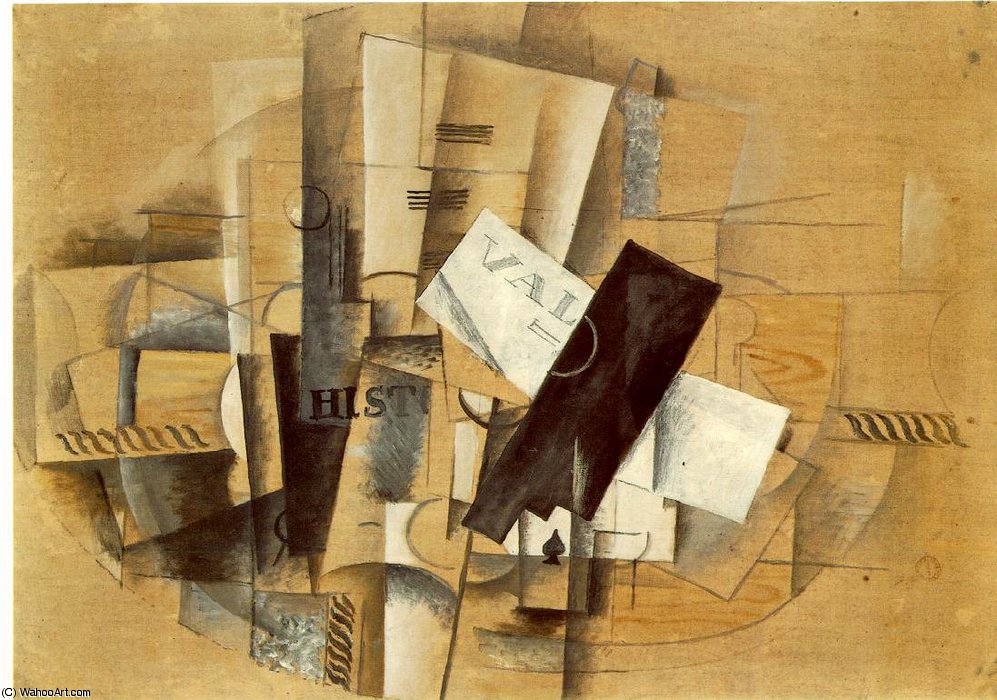
- Pedestal table, Kunstmuseum Basel
 プレビュー
プレビュー
 シェアする
シェアする シェアする
シェアする
 詳細を見る
詳細を見る

 ダウンロード
 似ている作品
 X線調査
X線調査 スライドショー
Pedestal table, Kunstmuseum Basel


 詳細を見る
詳細を見る
ジークレー/アートプリント
迅速な制作と多彩な仕上げオプションを備えた、ミュージアムクオリティのジークレーまたはキャンバスプリント。 ( 手描き画への切り替え 画像に切り替え)




P118B $10

P118H $10

P118W $10

P438Z $10

P508JH $12

P508YH $12

P805H $10

P805Z $10

P919BZ $10

P919G $10

P919XJ $10

P959ZH $10

P968JZ $12

W106C $8

W218G $10

W218JH $8

W218Y $10

W307PJ $10

W316G $10

W316PJ $8

W316Y $10

W398PJ $8

W4111J $10

W500HY $15

W500JH $15

W692G $12

W849H $8

W940BG $15

W953PJ $8




作品のオリジナル比率に合わせた、当店の規定サイズからお選びください。

特定のフレームやスペースに合わせて、ご自身でサイズを指定することも可能です。選択されたサイズが元の画像の比率と一致しない場合、作品をトリミングするか、鏡面反射または単色での塗りつぶしによって画像を拡張いたします。制作を開始する前に、ご確認用のデジタルモックアップをお送りいたします。
画面上のプレビューには、実際のトリミングや拡張は反映されませんのでご注意ください。最終的な構図を正確に確認できるのは、モックアップのみとなります。
カスタムサイズも承っておりますが、元の比率を維持するためには、あらかじめ用意されたリストからサイズを選択することをお勧めいたします。


 ガラスオプションは、110cm未満のサイズでのみご利用いただけます。

Pedestal table, Kunstmuseum Basel
ジークレー/アートプリント
複製画のサイズ
-


合計金額
$ 80
作品詳細説明
A Fragmented World: Georges Braque’s “Pedestal Table”
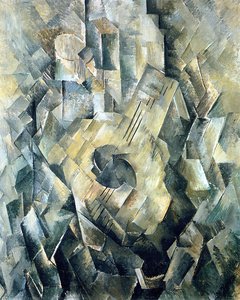
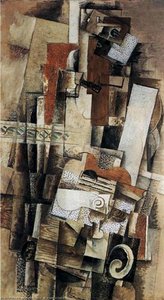
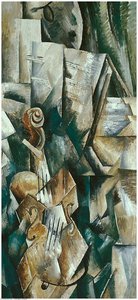
Georges Braque's "Pedestal Table," painted in 1913 during the pivotal years of Synthetic Cubism, isn’t merely a still life; it’s an architectural puzzle rendered in oil on canvas. This work, currently residing within the Kunstmuseum Basel, offers a glimpse into the artist’s radical experimentation with space and perception – a deliberate dismantling of traditional representation to reveal the underlying structure of form itself. The painting immediately captivates with its seemingly chaotic arrangement: a round pedestal table dominates the composition, supporting an assortment of objects—brushes, palettes, tubes of paint, cylinders, and even fragments of text—all presented in a flattened, almost two-dimensional space. Yet, this apparent disorder is meticulously orchestrated; Braque employs geometric abstraction to build a complex, self-contained world, inviting the viewer to engage in a process of deciphering its visual language.
The stylistic hallmarks of Synthetic Cubism are powerfully evident. Unlike Analytic Cubism’s dissection into smaller, interlocking facets, this painting embraces brighter colors and introduces collage elements – a technique that would become increasingly prominent in Braque's later work. The muted palette—primarily browns, whites, and blacks—creates a sense of solidity and materiality, while the strategic use of color adds subtle dynamism. Notice how the ochre tones subtly shift across the surfaces, suggesting texture and depth despite the flattened perspective. The inclusion of letters and numbers scattered throughout the composition isn’t arbitrary; they disrupt the purely visual experience, forcing us to consider the painting as a hybrid of image and text – a deliberate blurring of boundaries between art and everyday life.
Deconstructing Reality: The Principles of Synthetic Cubism
Braque's exploration within Synthetic Cubism stemmed directly from his collaboration with Pablo Picasso. They were driven by a desire to move beyond the analytical deconstruction of form, pioneered in Analytic Cubism, towards a more integrated and evocative representation. This new approach sought to capture not just the appearance of objects but their essence – their underlying structure and spatial relationships. Braque’s “Pedestal Table” exemplifies this shift. The table itself isn't depicted as a realistic object; instead, it becomes a structural element within a larger, invented space. The overlapping planes and fragmented forms create an illusion of depth, suggesting that the painting is not merely a representation of objects but a construction of spatial relationships.
Crucially, Braque’s use of collage—incorporating elements like newspaper clippings or fabric – further challenged traditional notions of artistic authorship. This technique blurred the lines between painting and other media, reflecting a broader cultural shift towards experimentation and interdisciplinary approaches during this period. The inclusion of these seemingly unrelated fragments contributes to the painting's overall sense of dynamism and complexity, mirroring the fragmented nature of modern experience.
Symbolism and the Everyday: A Reflection of Modern Life
While ostensibly a still life, “Pedestal Table” is rich in symbolic potential. The objects arranged on the table—brushes, palettes, paint tubes—are directly related to the act of painting itself, suggesting that the work is both a representation of the artist’s studio and a meditation on the creative process. The presence of musical instruments – hinted at by fragments resembling sheet music – adds another layer of meaning, evoking notions of leisure, inspiration, and perhaps even the pursuit of harmony. The table itself, a ubiquitous object in domestic life, becomes a stage for this carefully constructed tableau.
Furthermore, the inclusion of text—letters and numbers—introduces an element of abstraction and invites interpretation. These fragments disrupt the purely visual experience, prompting us to consider the painting as a dialogue between image and language. Braque’s deliberate ambiguity encourages viewers to actively engage with the work, projecting their own meanings onto its fragmented surface. “Pedestal Table” isn't simply a depiction of objects; it’s an invitation to contemplate the relationship between art, reality, and the human experience.
A Reproduction for Your Space: Bringing Braque Home
OriginalUniqueArt offers meticulously crafted hand-painted reproductions of Georges Braque’s “Pedestal Table,” allowing you to bring this iconic work into your own home or office. Our skilled artists replicate Braque's distinctive style and nuanced color palette with exceptional precision, ensuring that the reproduction captures the painting’s original depth and complexity. Available in a range of sizes and canvas materials, our reproductions provide an authentic representation of this groundbreaking artwork, making it accessible to art lovers and collectors alike.
Whether you appreciate Braque's pioneering contributions to Cubism or simply admire his masterful use of form and color, a OriginalUniqueArt reproduction of “Pedestal Table” is a beautiful addition to any collection. It’s more than just a print; it’s a tangible connection to one of the 20th century’s most influential artists.
アーティストの略歴
Georges Braque (1882-1963): キュビズムのパイオニアとファウヴィスムの巨匠
Georges Braqueはフランスで生まれ、1882年にアルジェンテイルで誕生しました。彼の幼少期は画家や職工の家族の中で育ち、素材に対する技術的な熟練さと形状への初期的な認識を培いました。父親の職業に従うことよりも、彼は芸術的な欲求がすぐに現れ、レハーヴ美術学院で美術教育を受けることで、20世紀における最も影響力のある画家の一人になるための旅立ちを果たしました。これは実践的な職人の技術とアカデミックな学習の融合であり、後に伝統的な芸術形式を破壊し書き換えながら、彼がより後の世代に影響を与えることを可能にする基礎となりました。 パリへ移住した1902年には、美術都市で美術教育を受け続けました。彼はマリー・ローランシンやフランシス・ピカビアなど、彼の初期の開発を形作ったつながりを築いたアーティストたちと出会いました。彼の最初の作品は印象主義とポスト印象主義の影響を受けていましたが、1905年にファウヴィズムの鮮やかな色彩と表現的な自由に遭遇したことで、彼の芸術的探求は新たな方向へ進みました。彼はファウヴィストの原則を採用し、鮮やかなパレットと簡素化された形態を特徴とする絵画でその影響を示しています。例えば、『エスタークの家』です。この時期には、ヘンリー・マティスやアン ドレ・ドランなどとともに働き、鮮やかな色彩と簡素化された形態を試みました。しかし、彼はファウヴィズムの熱狂的なエネルギーをより抑制的で分析的なアプローチで和らげながら、この動きの独自性を反映しました。ファウヴィズムへの傾倒とキュビズムの誕生
彼の芸術的探求は印象主義とポスト印象主義の影響を受けましたが、彼は特に絵画『パチエンス』においてファウヴィストの原則を採用し、鮮やかな色彩と表現的な自由を特徴とする絵画でその影響を示しています。この時期にはヘンリー・マティスやアン ドレ・ドランなどとともに働き、鮮やかな色彩と簡素化された形態を試みました。彼はファウヴィズムの熱狂的なエネルギーをより抑制的で分析的なアプローチで和らげながら、この動きの独自性を反映しました。彼の初期の作品は印象主義とポスト印象主義の影響を受けていましたが、彼は特に絵画『パチエンス』においてファウヴィストの原則を採用し、鮮やかな色彩と表現的な自由を特徴とする絵画でその影響を示しています。この時期にはヘンリー・マティスやアン ドレ・ドランなどとともに働き、鮮やかな色彩と簡素化された形態を試みました。彼はファウヴィズムの熱狂的なエネルギーをより抑制的で分析的なアプローチで和らげながら、この動きの独自性を反映しました。彼はファウヴィストの原則を採用し、鮮やかなパレットと簡素化された形態を特徴とする絵画でその影響を示しています。この時期にはヘンリー・マティスやアン ドレ・ドランなどとともに働き、鮮やかな色彩と簡素化された形態を試みました。彼はファウヴィズムの熱狂的なエネルギーをより抑制的で分析的なアプローチで和らげながら、この動きの独自性を反映しました。彼はファウヴィストの原則を採用し、鮮やかなパレットと簡素化された形態を特徴とする絵画でその影響を示しています。この時期にはヘンリー・マティスやアン ドレ・ドランなどとともに働き、鮮やかな色彩と簡素化された形態を試みました。彼はファウヴィズムの熱狂的なエネルギーをより抑制的で分析的なアプローチで和らげながら、この動きの独自性を反映しました。彼はファウヴィストの原則を採用し、鮮やかなパレットと簡素化された形態を特徴とする絵画でその影響を示しています。この時期にはヘンリー・マティスやアン ドレ・ドランなどとともに働き、鮮やかな色彩と簡素化された形態を試みました。彼はファウヴィズムの熱狂的なエネルギーをより抑制的で分析的なアプローチで和らげながら、この動きの独自性を反映しました。彼はファウヴィストの原則を採用し、鮮やかなパレットと簡素化された形態を特徴とする絵画でその影響を示しています。この時期にはヘンリー・マティスやアン ドレ・ドランなどとともに働き、鮮やかな色彩と簡素化された形態を試みました。彼はファウヴィズムの熱狂的なエネルギーをより抑制的で分析的なアプローチで和らげながら、この動きの独自性を反映しました。彼はファウヴィストの原則を採用し、鮮やかなパレットと簡素化された形態を特徴とする絵画でその影響を示しています。この時期にはヘンリー・マティスやアン ドレ・ドランなどとともに働き、鮮やかな色彩と簡素化された形態を試みました。彼はファウヴィズムの熱狂的なエネルギーをより抑制的で分析的なアプローチで和らげながら、この動きの独自性を反映しました。彼はファウヴィストの原則を採用し、鮮やかなパレットと簡素化された形態を特徴とする絵画でその影響を示しています。彼はファウヴィストの原則を採用し、鮮やかなパレットと簡素化された形態を特徴とする絵画でその影響を示しています。彼はファウヴィストの原則を採用し、鮮やかなパレットと簡素化された形態を特徴とする絵画でその影響を示しています。彼はファウヴィストの原則を採用し、鮮やかなパレットと簡素化された形態を特徴とする絵画でその影響を示しています。彼はファウヴィストの原則を採用し、鮮やかなパレットと簡素化された形態を特徴とする絵画でその影響を示しています。彼はファウヴィストの原則を採用し、鮮やかなパレットと簡素化された形態を特徴とする絵画でその影響を示しています。彼はファウヴィストの原則を採用し、鮮やかなパレットと簡素化された形態を特徴とする絵画でその影響を示しています。彼はファウヴィストの原則を採用し、鮮やかなパレットと簡素化された形態を特徴とする絵画でその影響を示しています。彼はファウヴィストの原則を採用し、鮮やかなパレットと簡素化された形態を特徴とする絵画でその影響を示しています。彼はファウヴィストの原則を採用し、鮮やかなパレットと簡素化された形態を特徴とする絵画でその影響を示しています。彼はファウヴィストの原則を採用し、鮮やかなパレットと簡素化された形態を特徴とする絵画でその影響を示しています。彼はファウヴィストの原則を採用し、鮮やかなパレットと簡素化された形態を特徴とする絵画でその影響を示しています。彼はファウヴィストの原則を採用し、鮮やかなパレットと簡素化された形態を特徴とする絵画でその影響を示しています。彼はファウヴィストの原則を採用し、鮮やかなパレットと簡素化された形態を特徴とする絵画でその影響を示しています。彼はファウヴィストの原則を採用し、鮮やかなパレットと簡素化された形態を特徴とする絵画でその影響を示しています。彼はファウヴィストの原則を採用し、鮮やかなパレットと簡素化された形態を特徴とする絵画でその影響を示しています。彼はファウヴィストの原則を採用し、鮮やかなパレットと簡素化された形態を特徴とする絵画でその影響を示しています。彼はファウヴィストの原則を採用し、鮮やかなパレットと簡素化された形態を特徴とする絵画でその影響を示しています。彼はファウヴィストの原則を採用し、鮮やかなパレットと簡素化された形態を特徴とする絵画でその影響を示しています。彼はファウヴィストの原則を採用し、鮮やかなパレットと簡素化された形態を特徴とする絵画でその影響を示しています。彼はファウヴィストの原則を採用し、鮮やかなパレットと簡素化された形態を特徴とする絵画でその影響を示しています。彼はファウヴィストの原則を採用し、鮮やかなパレットと簡素化された形態を特徴とする絵画でその影響を示しています。彼はファウヴィストの原則を採用し、鮮やかなパレットと簡素化された形態を特徴とする絵画でその影響を示しています。彼はファウヴィストの原則を採用し、鮮やかなパレットと簡素化された形態を特徴とする絵画でその影響を示しています。彼はファウヴィストの原則を採用し、鮮やかなパレットと簡素化された形態を特徴とする絵画でその影響を示しています。彼はファウヴィストの原則を採用し、鮮やかなパレットと簡素化された形態を特徴とする絵画でその影響を示しています。彼はファウヴィストの原則を採用し、鮮やかなパレットと簡素化された形態を特徴とする絵画でその影響を示しています。彼はファウヴィストの原則を採用し、鮮やかなパレットと簡素化された形態を特徴とする絵画でその影響を示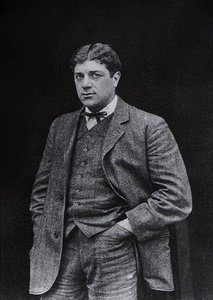
ジョルジュ・ブラクエ
1882 - 1963 , フランス
基本情報
- Artistic Movement Or Style: キュビズム、ファウヴィスム
- Artists Or Movements Influenced By This Artist: ['パブロ・ピカソ']
- Artists Who Influenced This Artist:
- ピエール・マティス
- アンリ・ドラン
- パウル・セザンヌ
- Date Of Birth: 1882年5月13日
- Date Of Death: 1963年
- Full Name: Georges Braque
- Nationality: フランス人
- Notable Artworks:
- エルスタックの家
- 忍耐
- Place Of Birth: フランス アルジェンテュイユ
関連記事
Deconstructing Reality: A Comprehensive Exploration of Cubist Still Life
Explore the revolutionary world of Cubist Still Life with OriginalUniqueArt. Discover Picasso & Braque's groundbreaking techniques, its philosophical roots, and lasting impact on modern art. Expert insights for collectors.

Jean Dominique Antony Metzinger: Pioneering Cubism & the Evolution of Abstract Form
Explore the life & work of Jean Metzinger, a pivotal Cubist painter and theorist. Discover his innovations in proto-Cubism, 'Du Cubisme,' and Crystal Cubism – a journey through modern art's evolution.
古典的静物画から現代抽象まで:ヴィラでのエンターテイメント空間を格上げする美術複製の世界
ルネサンスから現代アートまで、高品質な美術複製をOriginalUniqueArt.comで。静物画、ヴァニタス、抽象絵画など、ヴィラ空間を格上げする一点を見つけましょう。カスタムメイドやアートアドバイザーによる無料相談も。
Georges Braque: Pioneering Cubism & the Evolution of Modern Form
Explore the revolutionary art of Georges Braque, a pioneer of Cubism alongside Picasso. Discover his artistic evolution, key works, and lasting impact on modern art. A guide for discerning collectors.

The Dawn of Modernity: Exploring Artistic Transformations in the Pivotal Year of 1907
Explore the pivotal artistic shifts of 1907 – from Fauvism to Proto-Cubism. Discover key artists like Picasso & Braque, and gain insights for discerning art collectors. Expert analysis at OriginalUniqueArt.