プリント版に切り替え
 続きを読む
続きを読む







































 いずれかの辺が105 cm(約41インチ)を超えるアートワークまたは複製画の場合、フレームは分解されたキットの状態でお届けいたします。この方法は、輸送中の破損を防ぎ、安全に配送するために採用しております。


Georges Braque’s ‘Big Trees at Estaque’: A Cubist Revelation
“Big Trees at Estaque,” painted in 1908 by Georges Braque, stands as a pivotal work in the development of Cubism – a movement that would irrevocably alter the course of modern art. This deceptively simple depiction of trees and mountainous landscape is far more than a picturesque scene; it’s a meticulously constructed exploration of form, space, and perception, reflecting the burgeoning anxieties and intellectual currents of the early 20th century.
- Subject Matter: The painting focuses on a wooded area – likely near Estaque, a coastal town south of Marseille – rendered with an almost obsessive attention to detail. Braque’s choice of subject matter was deliberate, seeking to move beyond traditional representational art and delve into the very essence of visual experience.
- Cubist Technique: The trees themselves are fragmented and reassembled in multiple viewpoints simultaneously. This is a hallmark of Cubism, pioneered by Braque and Pablo Picasso, which sought to depict objects as they were *understood* rather than simply seen. The background landscape is similarly broken down into geometric planes, creating a sense of instability and challenging the viewer’s traditional assumptions about perspective.
A Synthesis of Tradition and Innovation
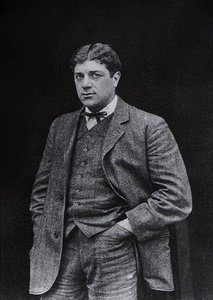
Braque's artistic journey leading to “Big Trees at Estaque” was marked by a fascinating synthesis of influences. Born in Argenteuil in 1882, he initially apprenticed with his father, a house painter, absorbing an understanding of color, texture, and the fundamental building blocks of visual form. This practical training, combined with his formal education at the École des Beaux-Arts in Le Havre and subsequent studies in Paris, provided him with a robust foundation before embracing the radical experimentation of Cubism. The Académie Humbert proved crucial, exposing him to contemporary artistic dialogues and fostering his developing style.
The painting’s creation coincided with a period of intense intellectual ferment – the rise of psychoanalysis, advancements in science, and a growing sense of disillusionment with established norms. Braque's work reflects this atmosphere, presenting a world fractured and reconfigured, mirroring the perceived fragmentation of modern consciousness.
Symbolism and Emotional Resonance
Beyond its purely formal qualities, “Big Trees at Estaque” possesses a subtle emotional resonance. The solitary bird perched on a branch introduces an element of vulnerability and perhaps even loneliness – a motif frequently explored in Braque’s work. The muted color palette—dominated by browns, ochres, and greens—contributes to the painting's contemplative mood, inviting viewers to engage with its complexities on a deeper level.
- Geometric Abstraction: The dominant use of geometric forms – triangles, squares, and planes – creates a sense of dynamism and movement, reflecting the artist’s desire to capture not just the appearance but also the underlying structure of reality.
- Spatial Illusion: Braque masterfully manipulates spatial illusion, creating a multi-dimensional effect that draws the viewer into the scene and challenges their perception of depth.
A Legacy of Influence
"Big Trees at Estaque" is more than just a beautiful painting; it’s a foundational work in the history of modern art. Its influence can be seen in the subsequent developments of Cubism, Futurism, and other avant-garde movements. Today, this piece continues to captivate viewers with its intellectual rigor, technical brilliance, and profound exploration of the nature of perception. A hand-painted reproduction offers a unique opportunity to experience the power and beauty of Braque’s revolutionary vision.
よくあるご質問
「Big trees at Estaque」をフルスクリーンのスライドショーで鑑賞することはできますか?
「Big trees at Estaque」のスライドショーは、作品のスライドショーページでご覧いただけます。
「Big trees at Estaque」は、ジョルジュ・ブラクエの作品群の中でどのような位置を占めているのでしょうか?
「Big trees at Estaque」はジョルジュ・ブラクエによるCubist Landscapeの作品であり、その記録されたテーマにはanalytical cubism, european modernism, fragmented forms, spatial illusion, braque’s early exploration, proto-cubist style, geometric deconstruction, color paletteが含まれます。
ジョルジュ・ブラクエ作「Big trees at Estaque」 の主要な色調は何ですか?
ジョルジュ・ブラクエ作「Big trees at Estaque」には、Ochre to Sepiaの色調が全体に広がっています。
More about this painting
 設置イメージを確認
 送る
送る シェア
シェア
 詳細情報
詳細情報 ガイドを表示

 画像をダウンロード
 似ている作品
 X線調査
X線調査 スライドショー
 Q&A
Q&A 統計情報
統計情報