
 プレビュー
プレビュー
 プリントを購入
 シェアする
シェアする シェアする
シェアする
 詳細を見る
詳細を見る

 ダウンロード
 似ている作品
 X線調査
X線調査 スライドショー
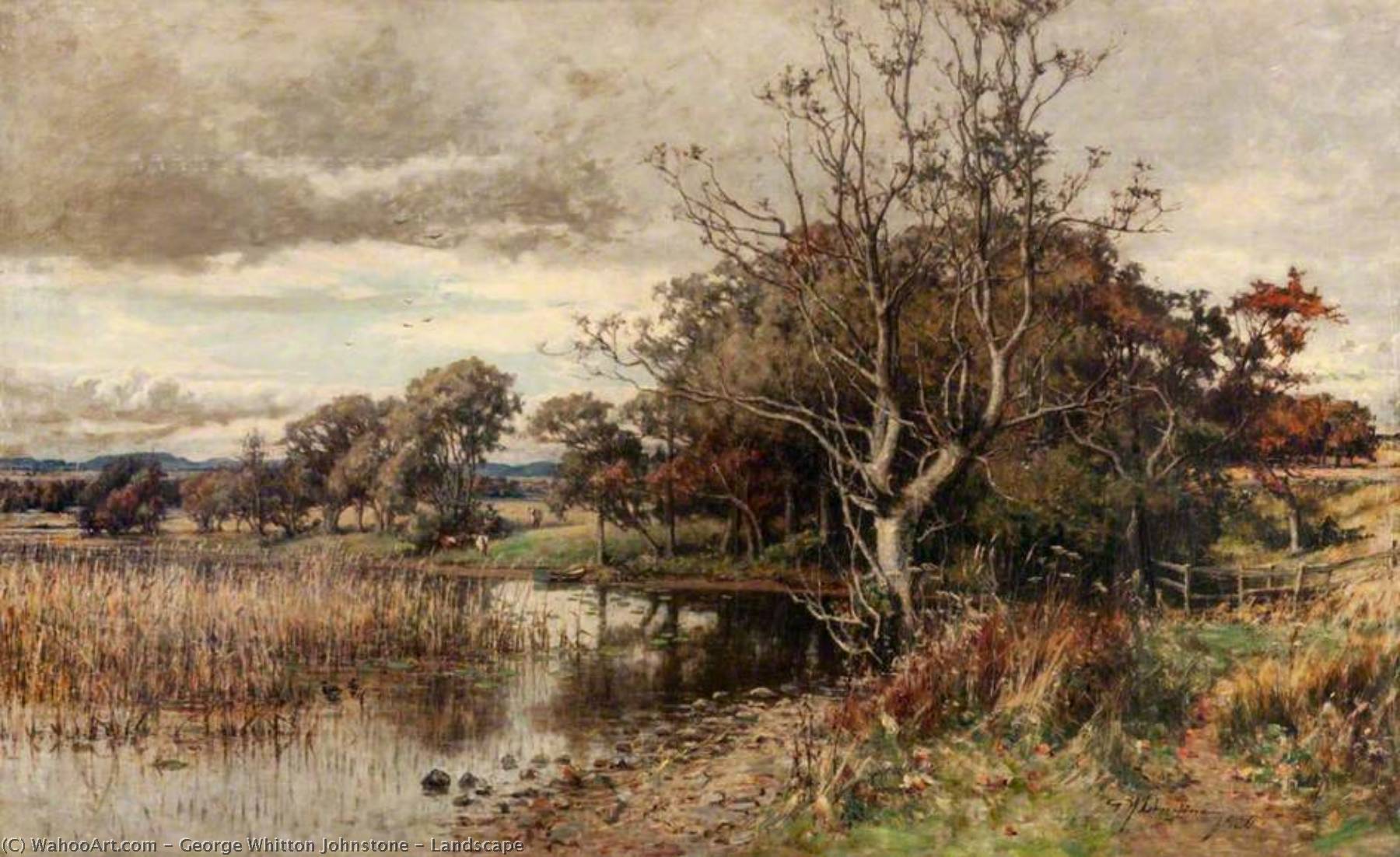
Landscape
 1880
1880 78.0 x 127.0 cm
 詳細を見る
詳細を見る
オンラインプレビューをはるかに凌ぐ、高解像度で鮮明なデジタル画像をご購入いただけます。
各ファイルは、社内の専門家が高度なツールと熟練した手作業によるレタッチを用いて、細心の注意を払って準備されています。すべての画像において、卓越した鮮明度、正確な色彩再現性、そして繊細なディテールを保証いたします。
最終ファイルは、プロフェッショナルな編集・印刷環境ですぐにご利用いただけるよう最適化された状態で、72時間以内にメールにてお届けいたします。これは、一流のデザインスタジオ、出版社、ギャラリーから信頼されているものと同等の品質です。
デジタル画像のご注文に付随する特典
高品質なデジタル画像配信を、確かな品質で。
OriginalUniqueArt.com を選ぶことは、単に画像を手に入れることではありません。それは、プロの手によって精密に仕上げられ、満足保証が付いた高品質なデジタルアートワークを受け取ることを意味します。ご注文いただいた際に自動的に付随する内容は、以下の通りです:

メールですぐにお届け
ご注文から72時間以内に、高解像度のデジタル画像ファイルがメールでお手元に届きます。すぐにそのままご利用いただけます。

AI技術で最適化されたデジタルファイル
お客様の作品は、高度なAIツールと専門家による手作業の編集を組み合わせてプロフェッショナルに最適化されており、細部のディテール、鮮明さ、そして正確な色再現性を最大限に引き出しています。

一生涯無料の再送サービス
ファイルを誤って削除したり、紛失してしまったりしましたか?ご安心ください。いつでも無料で再送いたします。

輸入手数料は一切かかりません
関税や手数料、配送料を気にすることなく、お気に入りのアートワークをすぐにお楽しみいただけます。デジタルダウンロードは常に免税です。

色彩再現の保証
プロ仕様のツールとカラーマネジメント技術を用いることで、デジタル画像が元の色を最大限に忠実に再現することを保証いたします。

60日間満足保証
ご購入いただいたデジタル画像にご満足いただけない場合は、60日以内であれば、修正または100%の返金(理由を問う必要はありません)をさせていただきます。

100% 返金保証
ご満足いただけない場合は、デジタルファイルを受け取ってから60日以内であれば、理由を問わず全額返金いたします。

まとめ買い割引
3枚購入で10%OFF - 5枚購入で15%OFF - 10枚以上購入で20%OFF。クリエイティブなプロジェクト、ギャラリー、エージェンシーに最適です。
作家の略歴
George Whitton Johnstone: A Highland Visionary
Born in Glamis, Forfarshire, in 1849, George Whitton Johnstone’s life was inextricably linked to the rugged beauty of Scotland's Highlands. His early years as a cabinetmaker provided a grounding in craftsmanship, but it was his innate artistic talent that ultimately defined him. Johnstone’s journey into art began with an appreciation for genre scenes and portraits, yet he swiftly gravitated towards the evocative landscapes that dominated the Scottish countryside – particularly the dramatic vistas of Eskdale and Annandale. He enrolled at the Royal Scottish Academy's Life School in Edinburgh, a pivotal step that immersed him in the artistic traditions of his nation while simultaneously allowing him to forge his own distinctive style.
Johnstone’s artistic development was profoundly influenced by the Barbizon school of painting, spearheaded by artists like Jean-Baptiste-Camille Corot. This movement championed a direct and unidealized approach to landscape, prioritizing observation and capturing the essence of nature rather than imposing preconceived notions of beauty. Corot's emphasis on atmospheric effects – the subtle shifts in light and color that define a Highland scene – resonated deeply with Johnstone’s sensibilities. He meticulously studied Corot’s techniques, learning to render the interplay of light and shadow, the textures of rock and heather, and the vastness of the Scottish sky.
Early Exhibitions and Academic Recognition
Johnstone's artistic career gained momentum through consistent participation in the Royal Scottish Academy’s annual exhibitions. Beginning in 1872, his works steadily appeared alongside those of Scotland’s leading artists, establishing him as a respected figure within the art community. His early landscapes – “On the Kerbit” and “Old Cottage near Brechin” – demonstrated a burgeoning skill in capturing the atmosphere and character of the Scottish Highlands. These paintings showcased his ability to translate the rugged terrain into compelling visual narratives.
Recognition for Johnstone’s talent came swiftly. In 1883, he was elected an Associate of the Royal Scottish Academy (ARSA), a significant milestone that acknowledged his artistic merit and established him as a recognized professional artist. Further solidifying his position, he received full membership in 1895, cementing his place among the most esteemed members of the Academy. He also exhibited at the British Royal Academy from 1885 to 1892, broadening his exposure and further refining his artistic practice.
The Highland Landscapes: A Reflection of Identity
Johnstone’s oeuvre is overwhelmingly defined by his depictions of the Scottish Highlands. He wasn't merely recording landscapes; he was conveying a deep sense of connection to the land – a feeling that resonated with the national identity of Scotland at the time. His paintings capture the dramatic light, the ever-changing weather, and the stark beauty of the region. The rugged mountains, the shimmering lochs, and the vast expanse of moorland became recurring motifs in his work.
Notable works such as “Where the Burnie Runs into the Sea” (1895), a captivating depiction of a Highland stream merging with the ocean, exemplify Johnstone’s ability to imbue his landscapes with narrative depth. Similarly, "Dunlappy Ford, Edzell" and "Lake of Menteith" showcase his mastery of capturing atmospheric conditions and conveying a sense of solitude and contemplation. These paintings are not simply representations of scenery; they are windows into the soul of the Highlands.
Legacy and Influence
George Whitton Johnstone died in Edinburgh in 1901, leaving behind a substantial body of work that continues to be admired for its evocative beauty and skillful execution. His influence can be seen in the works of subsequent Scottish landscape artists who followed in his footsteps, embracing his commitment to direct observation and capturing the essence of the Highland environment. His legacy extends beyond his individual paintings; he helped shape the visual representation of Scotland’s iconic landscapes, contributing significantly to the nation's artistic heritage.
Johnstone’s work is now held in several prominent collections, including the Smith Art Gallery and Museum in Stirling, a testament to its enduring appeal. His distinctive style – characterized by a masterful use of light, color, and texture – continues to captivate viewers and evoke a profound sense of connection to the wild beauty of Scotland.

プロフィール概要
- Artistic Movement Or Style: Landscape painting
- Artists Or Movements Influenced By This Artist: ['Royal Scottish Academy']
- Artists Who Influenced This Artist: ['Jean-Baptiste-Camille Corot']
- Date Of Birth: May 3, 1849
- Date Of Death: February 22, 1901
- Full Name: George Whitton Johnstone
- Nationality: Scottish
- Notable Artworks:
- Where the Burnie runs into the Sea
- Dunlappy Ford, Edzell
- The Lake of Menteith
- Place Of Birth: Glamis, Forfarshire

