

 設置イメージを確認
 送る
送る シェア
シェア
 詳細情報
詳細情報 ガイドを表示

 画像をダウンロード
 似ている作品
 X線調査
X線調査 スライドショー
 統計情報
統計情報Horse Devoured by a Lion
 Oil On Canvas
- WallArt
- Romanticism
 1763
1763- Early Modern
 3.0 x 69.0 cm
 テート・ブリテン
 続きを読む
続きを読む
オンラインプレビューをはるかに凌ぐ、高解像度で鮮明なデジタル画像をご購入いただけます。
各ファイルは、社内の専門家が高度なツールと熟練した手作業によるレタッチを駆使し、細心の注意を払って仕上げています。すべての画像において、卓越した鮮明度、正確な色彩再現性、そして繊細なディテールをお約束いたします。
最終ファイルは、プロフェッショナルな編集・印刷環境ですぐにご利用いただけるよう最適化された状態で、72時間以内にメールにてお届けいたします。これは、一流のデザインスタジオ、出版社、ギャラリーから信頼されているものと同等の品質です。
デジタル画像
個人での鑑賞、印刷、クリエイティブなプロジェクトにご利用いただける高解像度ファイルをダウンロードできます。 ( プリント版に切り替え 手描きの複製画を注文する)
デジタル画像のご注文に付随する特典
プロフェッショナルなデジタル配信を、確かな品質で。
OriginalUniqueArt.com を選ぶことは、単に画像を手に入れることではありません。プロの手によって精密に仕上げられ、満足保証が付いた高品質なデジタルアートワークを受け取ることを意味します。ご注文いただいた際に自動的に付随する内容は、以下の通りです:

メールですぐにお届け
ご注文から72時間以内に、高解像度のデジタル画像ファイルをメールでお送りいたします。お手元に届き次第、すぐにご利用いただけます。

AI技術で最適化されたデジタルファイル
お客様の作品は、高度なAI技術と専門家による手作業を組み合わせてプロフェッショナルに最適化されており、細部のディテール、鮮明さ、そして正確な色再現性を最大限に引き出しています。

一生涯無料の再送サービス
ファイルを誤って削除したり、紛失してしまったりしましたか?ご安心ください。いつでも無料で再送いたします。

輸入手数料は、いつでも一切かかりません
関税や手数料、配送料を気にすることなく、お気に入りのアートワークをすぐにお楽しみいただけます。デジタルダウンロードは常に免税です。

正確な色彩の保証
プロ仕様のツールとカラーマネジメント技術を用いることで、デジタル画像が元の色を最大限に忠実に再現することを保証いたします。

100日間満足保証
ご購入いただいたデジタル画像にご満足いただけない場合は、100日以内であれば、理由を問わず修正または100%の返金対応をさせていただきます。

100% 返金保証
ご満足いただけない場合は、デジタルファイルを受け取ってから100日以内であれば、理由を問わず全額返金いたします。

まとめ買い割引
3枚購入で10%OFF、5枚購入で15%OFF、10枚以上のご購入で20%OFF。クリエイティブなプロジェクトやギャラリー、エージェンシーに最適です。
The Primal Drama of Survival
To stand before George Stubbs's "Horse Devoured by a Lion" is to be thrust into the very heart of a visceral, untamed struggle. Completed in 1763, this masterpiece transcends mere animal portraiture, capturing a moment of raw, breathtaking violence that freezes time itself. The scene is one of profound tension: a horse, caught in its final, agonizing breaths, is relentlessly overtaken by the predatory force of a lion. There is no escape within this frame, only the inevitable triumph of brute strength over vulnerability. Stubbs does not merely observe this encounter; he orchestrates it, using the rugged, rocky landscape of Creswell Crags to mirror the chaotic and unforgiving nature of the conflict unfolding in the center of the canvas.
The emotional weight of the piece lies in its ability to evoke a sense of the sublime—that specific Romantic era fascination with beauty intertwined with terror. As the viewer, one feels an instinctive pull toward the central struggle, drawn by the sheer energy radiating from the lion’s powerful jaws and the horse's desperate, yielding form. It is a painting that demands attention, making it a commanding focal point for any collection or a sophisticated statement piece in a curated interior designed to provoke thought and conversation.
Mastery of Anatomy and Light
Stubbs’s technical brilliance is rooted in his unique background as an anatomist. His years spent studying dissection under the surgeon Charles Atkinson allowed him to render musculature with a startling, scientific precision that few of his contemporaries could match. In this work, every sinew of the struggling horse and every ripple of the lion's powerful frame is articulated with breathtaking verisimilitude. This anatomical accuracy does not strip the painting of its soul; rather, it grounds the drama in a terrifying reality, making the violence feel palpably real.
The artist employs a dramatic use of light and shadow, reminiscent of the chiaroscuro techniques found in classical masters, to heighten the narrative tension. Strong contrasts illuminate the textures of the scene—the coarse, thick fur of the predator, the smooth, sweating skin of the prey, and the jagged, unforgiving surfaces of the surrounding rocks. The color palette is a sophisticated arrangement of earthy tones, where deep browns, golds, and blacks create a brooding atmosphere, punctuated by highlights that guide the eye through the composition's dynamic movement. For the discerning collector, the depth of texture achieved in this oil on canvas offers a rich, tactile experience that remains captivating even in high-quality reproduction.
A Timeless Allegory of Power
Beyond its surface-level spectacle, "Horse Devoured by a Lion" serves as a profound allegory. While inspired by classical motifs Stubbs encountered during his travels to Rome, the painting speaks to universal themes of mortality and the cyclical nature of life and death. The lion represents an unstoppable, primordial force, while the horse embodies innocence and the fragility of existence when confronted with the overwhelming power of nature. It is a meditation on the loss of control and the inevitable confrontation between strength and weakness.
For interior designers and art enthusiasts alike, this work offers more than just aesthetic beauty; it provides a narrative depth that can transform a space. Whether placed in a grand library or a contemporary gallery setting, the painting’s ability to evoke feelings of awe, horror, and reverence makes it an enduring icon of the Romantic movement. It remains a testament to Stubbs's ability to translate biological reality into a profound exploration of the human condition, making it a timeless acquisition for those who appreciate art that challenges the spirit.
よくあるご質問
注文前にジョージ・スタッブス作「Horse Devoured by a Lion」をプレビューすることはできますか?
ジョージ・スタッブス作「Horse Devoured by a Lion」のプレビューは、作品のプレビューページでご確認いただけます。
ジョージ・スタッブス作「Horse Devoured by a Lion」 のプリントはどこで購入できますか?
ジョージ・スタッブス作「Horse Devoured by a Lion」のプリントは、こちらのファインアートプリントページから直接ご注文いただけます:コットンキャンバスまたはアーカイブ品質のキャンバスペーパーに施されたファインアートプリント
ジョージ・スタッブス作「Horse Devoured by a Lion」に関する統計情報はどこで確認できますか?
ジョージ・スタッブス作「Horse Devoured by a Lion」の統計情報ページでは、公開されている閲覧統計をご覧いただけます。この作品の月間閲覧数、アーティストのなかで最も閲覧されている作品との比較、そして訪問者の地域情報などが掲載されています。
アーティスト・プロフィール
生い立ちと初期の修練
1724年8月25日、イギリスのリバプールに生まれたジョージ・スタッブスは、その生涯を絵画の世界に捧げました。幼少期については記録が乏しく、1794年にオザイアス・ハンフリーとの会話に基づいて語られる情報が主となっています。スタッブスが芸術の道を歩み始めたのは15歳の時、父親の下で革細工師として働き始めた頃でした。その後、ランカシャー地方の画家であり版画家のハムレット・ウィンスタンリーに短期間弟子入りし、ノーズリー・ホールにあるコレクションを学ぶ機会を得ました。この短い修練期間が、彼の芸術的感性を育む最初のステップとなりました。解剖学への情熱と作品の発展
スタッブスの情熱は解剖学に向けられ、1744年にはヨークに移り、ヨーク郡病院で外科医チャールズ・アトキンソンの下で研究を始めました。初期の作品の一つに、1751年に出版されたジョン・バートンの産科学教科書のための挿絵があります。しかし、彼の芸術家としての真価が発揮され始めたのは、1756年のことでした。スタッブスはリンカンシャーの農家を借り、事実上の妻であるメアリー・スペンサーと共に18ヶ月間にわたり馬の解剖に没頭しました。この徹底的な研究の結果、1766年に「馬の解剖学」が発表され、その精密な描写はたちまち評判を呼びました。現在、この作品のオリジナル図面はロイヤル・アカデミーに所蔵されています。貴族の庇護と成功への道
スタッブスの才能はすぐに、第3代リッチモンド公爵をはじめとする有力な貴族たちの目に留まりました。1759年にはリッチモンド公爵から3枚の大作を依頼され、これが彼の成功への扉を開きました。その後、数多くの公爵や領主からの依頼が相次ぎ、ロンドンのメアリーボーンに家を購入するまでになりました。スタッブスの作品は、当時の貴族社会において高い評価を受け、その需要は絶えませんでした。遺産と代表的な絵画
スタッブスを代表する作品の一つである「ウィスルジャケット」は、第2代ロックインガム侯爵から依頼された競走馬の絵画です。現在、ナショナル・ギャラリーに所蔵されており、その躍動感あふれる構図と精密な描写は、見る者を魅了し続けています。この作品をはじめとするロックインガム侯爵への3枚の絵画は、従来の慣習にとらわれず、背景を簡素化するという大胆な試みを行っています。ウィスルジャケットは、スタッブスの卓越した技術と馬の本質を見抜く才能を示す傑作と言えるでしょう。また、ライオンが馬を襲う一連の絵画は、18世紀の芸術に影響を与えたロマン主義の初期の例として知られています。後世への影響
スタッブスの馬に対する深い理解と解剖学的な正確さは、その後の動物画家たちに大きな影響を与えました。彼の作品は、単なる肖像画にとどまらず、動物の生命力や美しさを表現する芸術としての価値を高めました。スタッブスは、ロマン主義の先駆者として、また比類なき馬の画家として、その名を美術史に刻んでいます。- スタッブスの作品をhttps://OriginalUniqueArt.com/@/george_stubbsでご覧いただけます。
- ナショナル・ギャラリーのコレクションには、スタッブスの代表的な作品が多数所蔵されています。/ja/art/show/art-8xyffg-ja/でスタッブスの作品をご覧ください。
- スタッブスの生涯と業績について、ウィキペディアでも詳しく解説されています。https://en.wikipedia.org/wiki/george_stubbs
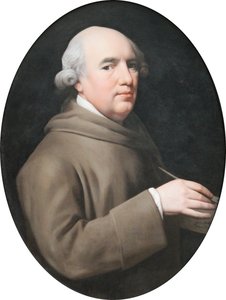
ジョージ・スタッブス
1724 - 1806 , イギリス
略歴
- Artistic Movement Or Style: ロマン主義、馬術絵画
- Artists Or Movements Influenced By This Artist: ['ジョシュア・レイノルズ']
- Artists Who Influenced This Artist: ['ハムレット・ウィンスタンリー']
- Date Of Birth: 1724年8月25日
- Date Of Death: 1806年7月10日
- Full Name: ジョージ・スタッブス
- Nationality: イギリス人
- Notable Artworks (List Of Titles):
- ウィスルジャケット
- ライオンと馬
- Place Of Birth (City And Country): イギリス、リバプール