
 設置イメージを表示
 シェアする
シェアする シェアする
シェアする
 詳細を見る
詳細を見る ガイドを表示

 ダウンロード
 似ている作品
 X線調査
X線調査 スライドショーを表示
 Q&A
Q&A 統計情報
統計情報A Lion attacking a Horse


 詳細を表示
詳細を表示
ジークレー/アートプリント
スピーディーな制作と多彩な仕上げオプションが魅力の、ミュージアムクオリティなジークレー・キャンバスプリント。 ( 手描き複製画を注文する デジタル画像販売へ切り替え)




P118B ¥10

P118H ¥10

P118W ¥10

P438Z ¥10

P508JH ¥12

P508YH ¥12

P805H ¥10

P805Z ¥10

P919BZ ¥10

P919G ¥10

P919XJ ¥10

P959ZH ¥10

P968JZ ¥12

W106C ¥8

W218G ¥10

W218JH ¥8

W218Y ¥10

W307PJ ¥10

W316G ¥10

W316PJ ¥8

W316Y ¥10

W398PJ ¥8

W4111J ¥10

W500HY ¥15

W500JH ¥15

W692G ¥12

W849H ¥8

W940BG ¥15

W953PJ ¥8




作品のオリジナル比率に合わせた、当店の規定サイズからお選びください。

額縁や壁のスペースに合わせて、ご希望の幅と高さを入力してください。プリントはカットすることは可能ですが、元の画像より大きくすることはできないため、異なる比率のサイズを選択された場合は、画像の一部が欠けることになります。印刷を開始する前に、内容を確認していただくためのデジタルモックアップをお送りいたします。このページに表示されている画像は、実際のカット後の状態を示すものではありません。実際の仕上がりはモックアップにてご確認ください。


 ガラスオプションは、110cm未満のサイズでのみご利用いただけます。

A Lion attacking a Horse
ジークレー/アートプリント
複製画サイズ一覧
-


合計金額
¥ 12842
A Symphony of Terror and Anatomical Mastery
In the annals of British art history, few images possess the visceral, heart-stopping intensity of George Stubbs’s “A Lion Attacking a Horse.” Completed in 1762, this masterpiece is far more than a mere depiction of predatory violence; it is a profound exploration of life, death, and the raw mechanics of existence. As the lion lunges with predatory precision, sinking its claws into the equine back, the viewer is thrust into a moment of pure, unadulterated drama. The scene is a breathtaking study in contrast—the golden, muscular power of the predator clashing against the desperate, straining vulnerability of the prey. For the discerning collector or interior designer, this work offers an unparalleled focal point, bringing a sense of classical grandeur and untamed energy to any sophisticated space.
The true genius of Stubbs lies in his ability to marry scientific rigor with Romantic emotion. Having spent years engaged in the grueling process of anatomical dissection, Stubbs possessed an intimate knowledge of musculature and skeletal structure that was unparalleled in his era. In this painting, every ripple of the horse’s flank and every tensed tendon in the lion's paw serves as a testament to his dedication to truth. The light plays across the scene with a masterful chiaroscuro effect, casting deep, dramatic shadows that heighten the sense of peril while illuminating the glistening sweat on the horse's skin and the coarse texture of the lion's mane. This meticulous attention to detail ensures that the painting feels less like a static image and more like a living, breathing event captured in time.
Historical Resonance and Aesthetic Grandeur
Beyond its physical prowess, “A Lion Attacking a Horse” serves as a pivotal bridge between the Enlightenment's obsession with scientific observation and the burgeoning Romantic movement’s fascination with the sublime. Stubbs does not merely illustrate an attack; he captures the sublime—that overwhelming feeling of awe and terror inspired by the uncontrollable forces of nature. This thematic depth makes the piece incredibly versatile for high-end decor, providing a narrative weight that can anchor a room, whether placed in a traditional library or a contemporary gallery setting. The painting’s historical significance is matched only by its visual impact, as it echoes the dramatic energy found in the works of later masters like Théodore Géricault.
For those seeking to incorporate a piece of this magnitude into their collection through a high-quality reproduction, the artwork offers a wealth of sensory experiences. The interplay of earthy tones, the rugged textures of the rocky landscape, and the dynamic composition create an atmosphere of movement and tension that is both captivating and intellectually stimulating. It is a work that invites prolonged contemplation, rewarding the eye with new anatomical details and emotional nuances upon every viewing. Owning a reproduction of this masterpiece allows one to possess not just a beautiful object, but a window into the very essence of biological struggle and artistic triumph.
Q&A
「A Lion attacking a Horse」の原画は、どの美術館に収蔵されていますか?
ジョージ・スタッブス作「A Lion attacking a Horse」の真作はYale University Art Gallery, ニューヘイブン, アメリカ合衆国に所蔵されています。複製画(レプリカ)を用いることで、ご自宅でも作品をお楽しみいただけます。
ジョージ・スタッブス作「A Lion attacking a Horse」の解説ページはありますか?
「A Lion attacking a Horse」のガイドは、作品の解説資料ページです。このページは印刷可能なファクトシートとなっており、作品のキャプション、クレジット、および詳細情報(作家名、制作年、技法、原寸大、所蔵)をまとめてご確認いただけます。
「A Lion attacking a Horse」において、素材と動きはどのように融合しているのでしょうか?
「A Lion attacking a Horse」は、Romanticism様式のOil On Canvasで制作されています。
作家プロフィール
生い立ちと初期の修練
1724年8月25日、イギリスのリバプールに生まれたジョージ・スタッブスは、その生涯を絵画の世界に捧げました。幼少期については記録が乏しく、1794年にオザイアス・ハンフリーとの会話に基づいて語られる情報が主となっています。スタッブスが芸術の道を歩み始めたのは15歳の時、父親の下で革細工師として働き始めた頃でした。その後、ランカシャー地方の画家であり版画家のハムレット・ウィンスタンリーに短期間弟子入りし、ノーズリー・ホールにあるコレクションを学ぶ機会を得ました。この短い修練期間が、彼の芸術的感性を育む最初のステップとなりました。解剖学への情熱と作品の発展
スタッブスの情熱は解剖学に向けられ、1744年にはヨークに移り、ヨーク郡病院で外科医チャールズ・アトキンソンの下で研究を始めました。初期の作品の一つに、1751年に出版されたジョン・バートンの産科学教科書のための挿絵があります。しかし、彼の芸術家としての真価が発揮され始めたのは、1756年のことでした。スタッブスはリンカンシャーの農家を借り、事実上の妻であるメアリー・スペンサーと共に18ヶ月間にわたり馬の解剖に没頭しました。この徹底的な研究の結果、1766年に「馬の解剖学」が発表され、その精密な描写はたちまち評判を呼びました。現在、この作品のオリジナル図面はロイヤル・アカデミーに所蔵されています。貴族の庇護と成功への道
スタッブスの才能はすぐに、第3代リッチモンド公爵をはじめとする有力な貴族たちの目に留まりました。1759年にはリッチモンド公爵から3枚の大作を依頼され、これが彼の成功への扉を開きました。その後、数多くの公爵や領主からの依頼が相次ぎ、ロンドンのメアリーボーンに家を購入するまでになりました。スタッブスの作品は、当時の貴族社会において高い評価を受け、その需要は絶えませんでした。遺産と代表的な絵画
スタッブスを代表する作品の一つである「ウィスルジャケット」は、第2代ロックインガム侯爵から依頼された競走馬の絵画です。現在、ナショナル・ギャラリーに所蔵されており、その躍動感あふれる構図と精密な描写は、見る者を魅了し続けています。この作品をはじめとするロックインガム侯爵への3枚の絵画は、従来の慣習にとらわれず、背景を簡素化するという大胆な試みを行っています。ウィスルジャケットは、スタッブスの卓越した技術と馬の本質を見抜く才能を示す傑作と言えるでしょう。また、ライオンが馬を襲う一連の絵画は、18世紀の芸術に影響を与えたロマン主義の初期の例として知られています。後世への影響
スタッブスの馬に対する深い理解と解剖学的な正確さは、その後の動物画家たちに大きな影響を与えました。彼の作品は、単なる肖像画にとどまらず、動物の生命力や美しさを表現する芸術としての価値を高めました。スタッブスは、ロマン主義の先駆者として、また比類なき馬の画家として、その名を美術史に刻んでいます。- スタッブスの作品をhttps://OriginalUniqueArt.com/@/george_stubbsでご覧いただけます。
- ナショナル・ギャラリーのコレクションには、スタッブスの代表的な作品が多数所蔵されています。/ja/art/show/art-8xyffg-ja/でスタッブスの作品をご覧ください。
- スタッブスの生涯と業績について、ウィキペディアでも詳しく解説されています。https://en.wikipedia.org/wiki/george_stubbs
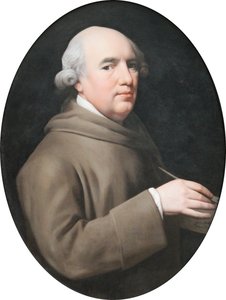
ジョージ・スタッブス
1724 - 1806 , イギリス
プロフィール概要
- Artistic Movement Or Style: ロマン主義、馬術絵画
- Artists Or Movements Influenced By This Artist: ['ジョシュア・レイノルズ']
- Artists Who Influenced This Artist: ['ハムレット・ウィンスタンリー']
- Date Of Birth: 1724年8月25日
- Date Of Death: 1806年7月10日
- Full Name: ジョージ・スタッブス
- Nationality: イギリス人
- Notable Artworks (List Of Titles):
- ウィスルジャケット
- ライオンと馬
- Place Of Birth (City And Country): イギリス、リバプール
関連記事

The Equine Muse: A Historical & Artistic Exploration of Horses in Painting
Explore the captivating history of horses in painting! Discover Renaissance masterpieces, Baroque grandeur & expert insights for collecting equestrian art. Learn about symbolism, techniques & lasting value with OriginalUniqueArt.

ジョルジュ・スーラ傑作25選:光と色彩の科学が織りなす芸術の世界|OriginalUniqueArt
ジョルジュ・スーラの傑作25選。点描画の光と色彩、印象派から新印象派へ—OriginalUniqueArtで美術史を紐解き、リビングやダイニングを彩る高品質なアートプリントを見つけましょう。セーラ作品集をオンラインで鑑賞ください。
George Stubbs: Anatomical Precision & Romantic Vision in 18th-Century British Art
Explore the captivating world of George Stubbs, the 18th-century master renowned for his anatomical precision & Romantic animal paintings. Discover his legacy and investment potential.
The Noble Steed on Canvas: A Historical & Artistic Exploration of Horse Painting Across Cultures
Explore the rich history of horse painting! Discover masterpieces from Stubbs to Munnings & learn about symbolism, techniques & artists. Find museum-quality reproductions at OriginalUniqueArt.

ジョルジュ・ブラック傑作25選:革新的なキュビスムの世界と装飾への誘い
ジョルジュ・ブラックの傑作25選。キュビスムを代表する画家、その革新的な色彩と技法に迫ります。名画から知られざる逸品まで、美術史に残る作品群をOriginalUniqueArt.comで鑑賞。お部屋を彩るアートプリントも多数ご用意。今すぐオンラインでコレクションをご覧ください。


