

 設置イメージを確認
 送る
送る シェア
シェア
 詳細情報
詳細情報 ガイドを表示

 画像をダウンロード
 似ている作品
 X線調査
X線調査 スライドショー
 Q&A
Q&A 統計情報
統計情報Two bathers

 続きを読む
続きを読む
ウェブ上のプレビューを遥かに凌駕する、印刷に最適なファイルをご提供します。当サイトで販売しているすべてのデジタル画像は、弊社のデータベース内にある高解像度のマスターデータ(通常、幅5,000〜15,000ピクセル)から作成されています。そのため、大判印刷やタイトなクロップ、細部まで緻密な再現も、安心してお楽しみいただけます。
当スタジオから送り出される画像は、すべて丁寧に加工されています。デジタルエキスパートが原画と照らし合わせて色調を精査し、必要に応じて補正を行った上で、プロ仕様のリタッチツールを用いて鮮明さと細部を向上させます。その際、アーティストの筆致やスタイルに忠実であることを常に追求しています。その結果、単なるスキャン画像にフィルターをかけたようなものではなく、まるで本物の絵画を見ているかのような仕上がりを実現しています。
仕上がりをご確認いただいてから完了となります。専門スタッフが、ご確認用の画像を72時間以内にメールでお送りいたします。もしご満足いただけない場合は、修正や改善のご要望を承るほか、品質が基準に満たない場合には返金も可能です。
出版社、デザインスタジオ、ギャラリー、そして印刷所から信頼される品質です。
デジタル画像
個人での鑑賞、印刷、クリエイティブなプロジェクトにご利用いただける高解像度ファイルをダウンロードできます。 ( プリント版に切り替え 手描きの複製画を注文する)
デジタル画像のご注文に付随する特典
プロフェッショナルなデジタル配信を、確かな品質で。
OriginalUniqueArt.com を選ぶことは、単に画像を手に入れることではありません。プロの手によって精密に仕上げられ、満足保証が付いた高品質なデジタルアートワークを受け取ることを意味します。ご注文いただいた際に自動的に付随する内容は、以下の通りです:

メールですぐにお届け
ご注文から72時間以内に、高解像度のデジタル画像ファイルをメールでお送りいたします。お手元に届き次第、すぐにご利用いただけます。

AI技術で最適化されたデジタルファイル
お客様の作品は、高度なAI技術と専門家による手作業を組み合わせてプロフェッショナルに最適化されており、細部のディテール、鮮明さ、そして正確な色再現性を最大限に引き出しています。

一生涯無料の再送サービス
ファイルを誤って削除したり、紛失してしまったりしましたか?ご安心ください。いつでも無料で再送いたします。

輸入手数料は、いつでも一切かかりません
関税や手数料、配送料を気にすることなく、お気に入りのアートワークをすぐにお楽しみいただけます。デジタルダウンロードは常に免税です。

正確な色彩の保証
プロ仕様のツールとカラーマネジメント技術を用いることで、デジタル画像が元の色を最大限に忠実に再現することを保証いたします。

100日間満足保証
ご購入いただいたデジタル画像にご満足いただけない場合は、100日以内であれば、理由を問わず修正または100%の返金対応をさせていただきます。

100% 返金保証
ご満足いただけない場合は、デジタルファイルを受け取ってから100日以内であれば、理由を問わず全額返金いたします。

まとめ買い割引
3枚購入で10%OFF、5枚購入で15%OFF、10枚以上のご購入で20%OFF。クリエイティブなプロジェクトやギャラリー、エージェンシーに最適です。
アーティスト・プロフィール
George Segal (1924 – 2000): The Poetic Void of Everyday Life
George Segal was a pivotal figure in American Pop Art, renowned for his distinctive sculptural approach that combined meticulous craftsmanship with profound emotional resonance. Born in New York City in 1924 to Jewish immigrants from Eastern Europe, Segal’s upbringing instilled in him an appreciation for both artistic tradition and intellectual curiosity—a duality that would profoundly shape his creative vision. He pursued formal education at Stuyvesant High School, Pratt Institute, Cooper Union, and NYU, earning a teaching degree in 1949, establishing a foundation for his future career as an educator and artist.- Early Career & Influences: Segal’s artistic journey began with painting, absorbing influences from Surrealism and Abstract Expressionism, particularly the work of Franz Kline and Willem de Kooning. However, he swiftly transitioned to sculpture, recognizing its potential for conveying complex ideas through simplified forms.
- The Plaster Bandage Technique: Segal revolutionized sculptural technique by pioneering the use of plaster bandages—specially designed gauze strips impregnated with plaster—as his primary medium. This innovative method involved wrapping a model in bandages in sections, removing hardened forms, and reconstructing them with additional plaster to create hollow shells. Unlike traditional molds, these shells retained the texture of the bandages, resulting in sculptures that possessed an inherent physicality and vulnerability.
Sculptural Innovation: Life-Size Casts & Melancholic Urban Scenes
Segal’s sculptural output is characterized by its striking simplicity—life-size figures placed within meticulously constructed urban environments crafted from found objects like benches, bus shelters, and diner tables. These scenes evoke a sense of isolation and contemplation, mirroring the artist's own preoccupation with themes of mortality and human experience. The figures themselves are rendered in muted tones, devoid of excessive detail, contributing to their ghostly appearance and conveying an atmosphere of melancholic beauty. This deliberate reductionist style aligns perfectly with Pop Art’s rejection of emotional excess and its focus on confronting everyday realities.- The Process: Segal initially painted his sculptures white, reflecting the original plaster form. Later, he transitioned to bronze casting, sometimes patinating it white to emulate the texture of the plaster bandages—a testament to his commitment to preserving the materiality of his process.
- Symbolism & Atmosphere: The figures’ stillness and anonymity serve as powerful symbols of human existence, prompting viewers to consider questions about identity, solitude, and the passage of time. Segal's environments amplify this effect, creating spaces that feel both familiar and unsettling.
Recognition & Legacy
George Segal’s contribution to American art was formally acknowledged in 1999 when he received the United States National Medal of Arts—a prestigious honor bestowed upon individuals who have made significant contributions to the arts. His sculptures continue to resonate with audiences worldwide, celebrated for their understated elegance and profound psychological depth. Segal's work stands as a cornerstone of Pop Art’s exploration of existential concerns within the context of modern life, cementing his place as one of the most influential sculptors of the 20th century.Notable Works
Some of Segal’s most celebrated pieces include “Three People on 4 Benches,” “Two Bathers,” and “The Tightrope Walker”—each embodying the artist's signature style and conveying a poignant meditation on human vulnerability and urban solitude. These sculptures are currently housed in prominent museums across North America and Europe, ensuring that Segal’s artistic vision will endure for generations to come.Further Exploration
For more information about George Segal’s life and work, please refer to the Wikipedia article: Wikipedia.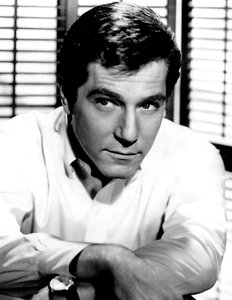
George Segal
1924 - 2000 , United States of America
略歴
- Full Name: George Segal
- Nationality: American
- Date Of Birth: 1924
- Date Of Death: 2000
- Place Of Birth: New York, United States of America
- Notable Artworks:
- Three People on 4 Benches
- Two bathers
- The tightrope walker
- Artistic Movement Or Style: Pop Art