

 設置イメージを確認
 送る
送る シェア
シェア
 詳細情報
詳細情報 ガイドを表示

 画像をダウンロード
 似ている作品
 X線調査
X線調査 スライドショー
 統計情報
統計情報Erotic scene


 続きを読む
続きを読む
このページに掲載されている作品は著作権法によって保護されており、当社の許可なく同一の複製物を制作または販売することは法律で禁じられています。この保護は、以下のような国際条約に基づき執行されます。 ベルヌ条約 および、以下の条項に定められたものを含む各国の法律により、 米国著作権法 第17編。
この手法は、著作権で保護された作品の複製や複写を伴わないため、著作権法に完全に準拠しています。これは単なる模倣ではなく、創造的な再解釈です。元の作品からインスピレーションを受けつつも、それとは異なる、全く新しい絵画を生み出すものです。
ジークレー/アートプリント
スピーディーな制作と多彩な仕上げオプションが魅力の、ミュージアムクオリティなジークレー・キャンバスプリント。 ( 手描きの複製画を注文する デジタル画像販売へ切り替え)




P118B ¥10

P118H ¥10

P118W ¥10

P438Z ¥10

P508JH ¥12

P508YH ¥12

P805H ¥10

P805Z ¥10

P919BZ ¥10

P919G ¥10

P919XJ ¥10

P959ZH ¥10

P968JZ ¥12

W106C ¥8

W218G ¥10

W218JH ¥8

W218Y ¥10

W307PJ ¥10

W316G ¥10

W316PJ ¥8

W316Y ¥10

W398PJ ¥8

W4111J ¥10

W500HY ¥15

W500JH ¥15

W692G ¥12

W849H ¥8

W940BG ¥15

W953PJ ¥8




作品のオリジナル比率に合わせた、当店の規定サイズからお選びください。

額縁や壁のスペースに合わせて、ご希望の幅と高さを入力してください。プリントはカットすることは可能ですが、元の画像より大きくすることはできないため、異なる比率のサイズを選択された場合は、画像の一部が欠けることになります。印刷を開始する前に、内容を確認していただくためのデジタルモックアップをお送りいたします。このページに表示されている画像は、実際のカット後の状態を示すものではありません。実際の仕上がりはモックアップにてご確認ください。


 ガラスオプションは、110cm未満のサイズでのみご利用いただけます。

Erotic scene
ジークレー/アートプリント
複製画サイズ一覧
-


合計金額
¥ 12596
A Raw Examination of Desire: George Grosz's Erotic Scene
George Grosz’s “Erotic Scene,” painted in watercolor on paper, is more than just a depiction of intimacy; it’s a searing indictment of the moral and social landscape of early 20th-century Germany. Created during the turbulent years of the Weimar Republic – a period defined by rapid industrialization, political instability, and a growing sense of societal decay – this artwork embodies Grosz's signature style: a brutally honest portrayal of human vulnerability and corruption. The scene unfolds with an arresting immediacy, capturing two figures locked in a passionate embrace, rendered with a deliberate lack of sentimentality that reflects the artist’s profound disillusionment.
- Historical Context: Grosz's work emerged from a period of immense social upheaval. The rise of fascism and the erosion of traditional values fueled his artistic rebellion, prompting him to expose the hypocrisy and moral bankruptcy he saw within German society.
- The Artist’s Vision: Grosz rejected academic conventions early in his career, prioritizing emotional impact over technical perfection. This is evident in the loose brushwork and distorted forms that contribute to the painting's unsettling power.
Technique and Materiality – A Dance of Wet Watercolor
The artwork’s remarkable effect stems directly from Grosz’s masterful manipulation of watercolor, a medium he embraced with an almost obsessive intensity. The dominant technique is “wet-on-wet,” where washes of color are applied to damp paper, allowing them to bleed and blend seamlessly. This creates a sense of fluidity and movement that perfectly captures the dynamism of the embrace. Hatching and cross-hatching are employed subtly for shading, adding depth without sacrificing the overall softness. The visible texture of the paper grain – a hallmark of watercolor – isn’t merely an accident; it's deliberately incorporated to enhance the tactile quality of the piece and evoke a sense of raw vulnerability.
- Layering and Glazing: Grosz skillfully utilizes layering and glazing techniques, building up tones gradually to achieve depth and luminosity.
- Material Choices: The use of watercolor on paper is crucial to the artwork’s aesthetic – it lends itself perfectly to the impressionistic style and the artist's desire to convey emotion over precise representation.
Symbolism, Emotion, and a Flattened Reality
The composition itself is deliberately unsettling. The figures are arranged in a central, almost claustrophobic space, their bodies intertwined with an intensity that borders on desperation. The flattened perspective – a deliberate rejection of traditional spatial realism – further intensifies the emotional impact, drawing the viewer into the scene and fostering a sense of intimacy and vulnerability. The muted color palette – dominated by pinks, creams, browns, and grays – contributes to the artwork’s melancholic atmosphere, suggesting a profound sadness beneath the surface of desire. The lack of sharp lines or defined edges reinforces this feeling, creating an impression of fragility and impermanence.
- Emotional Resonance: The painting evokes feelings of sensuality, vulnerability, and perhaps even a touch of despair – mirroring Grosz’s broader exploration of human suffering.
- Symbolic Weight: The scene can be interpreted as a metaphor for the loss of innocence and the destructive forces at play within society.
A Legacy of Social Commentary
“Erotic Scene” stands as a testament to George Grosz’s unwavering commitment to social realism and his willingness to confront uncomfortable truths. It's a powerful reminder of the artist's ability to translate personal disillusionment into a universally resonant critique of human nature and societal decay. This reproduction offers an unparalleled opportunity to experience firsthand the raw power and enduring relevance of one of Grosz’s most iconic works – a piece that continues to provoke, challenge, and captivate viewers over a century after its creation.
よくあるご質問
「Erotic scene」の高解像度ダウンロード版は購入可能ですか?
ジョージ・グロス作「Erotic scene」のデジタルイメージは、こちらのデジタル画像ページにてご購入いただけます:高解像度デジタル画像のダウンロード
「Erotic scene」の作者は誰で、どの様式に属していますか?
「Erotic scene」は、Expressionistic Satire様式のもと、ジョージ・グロスによって制作されました。作者と様式は、その作品が受け継ぐ伝統を定義するものです。
美術史において、ジョージ・グロス作「Erotic scene」はどのような位置を占めているのでしょうか?
歴史的に見て、「Erotic scene」は、より広範な19th Century時代におけるExpressionistic Satireの作品です。
アーティストについて
崩壊する世界を告発した表現者:ジョージ・グロスの生涯と芸術
1893年、ベルリンにゲオルク・エーレンフリードリヒ・グロスとして生まれたジョージ・グロスは、社会の衰退と政治的激動を視覚的に記録した人物でした。彼の芸術は、激動のヴァイマル共和制やファシズムの台頭という時代背景にあるだけでなく、それに対する生々しい反応であり、鋭い線とグロテスクな風刺画で描かれた激しい告発でした。グロスは単にベルリンを描いたのではなく、その道徳的腐敗を容赦ない正直さで暴き出し、解剖しました。彼の人生の初期は、父親の死によって不安定さがもたらされ、母親が将校クラブの経営を引き継ぎ、若いゲオルクはプロイセン軍国主義と厳格な社会階層の世界に置かれることになりました。彼は後に執拗に風刺することになる世界です。彼の正式な芸術的訓練は、エドゥアルト・フォン・グリュッツナーのような伝統的なオランダの巨匠の模写から始まり、学術的な慣習を放棄する前に技術力を磨きました。しかし、この初期の鍛錬は、彼独自の表現様式が構築される基盤となりました。ダダイズム、新即物主義、そして批判的視点の誕生
グロスの芸術的発展は、第一次世界大戦後のドイツで花開いたアヴァンギャルド運動と不可分に結びついていました。彼はベルリン・ダダイの中心人物となり、そのニヒリズムの精神と反体制的な熱狂を受け入れました。しかし、純粋な不条理に耽溺した同時代のダダイストとは異なり、グロスはダダイの反逆的なエネルギーを鋭い社会批判へと転換しました。この時期の彼の作品—1921年の『穴』や1926年の『社会の柱』のような作品—は、ドイツブルジョワジー、軍事エリート、そして国を破滅に導いた腐敗した政治システムに対する痛烈な告発でした。彼は美的美には関心がなく、衝撃を与え、挑発し、偽善を暴露しようとしました。この社会批判へのコミットメントは、現実主義的な描写でありながらも感情を排した同時代の生活を描いた『新即物主義』への参加へと発展しました。New Objectivityの焦点に焦点を当てながらも、グロスは他のグループに関連する芸術家とは一線を画す独特の辛辣な風刺を注入しました。彼の絵画やドローイングは単なる現実の表現ではなく、崩壊寸前の社会の歪んだ反映でした。亡命と変容:新世界、そして変化する様式
ナチズムの台頭により、グロスは1933年に亡命を余儀なくされました。彼はアメリカ合衆国に避難し、1938年に市民権を取得しました。この移住は、彼の芸術的キャリアにおける重要な転換点となりました。彼が最も強力な作品を生み出した直接的な文脈から離れ、異なる社会政治的現実と対峙したグロスの様式は変化を始めました。露骨に攻撃的な風刺画はより控えめな風景や肖像画に取って代わられ、しばしばメランコリーと幻滅の色合いを帯びていました。彼はニューヨークのArt Students Leagueで展示会を開き教鞭を取りましたが、彼の作品にはベルリン時代のような生々しい緊迫感は欠けていました。彼は新しい環境の中で自分の居場所を見つけようと苦闘し、疎外感や芸術的不確実性に苛まれました。この時期に現れた黙示録的なビジョン—荒涼とした風景や断片化された人物を描いた絵画—は、ヨーロッパで繰り広げられている恐怖だけでなく、彼自身の内面の葛藤も反映していました。遺産と永続する意義
ジョージ・グロスは1959年にベルリンに戻り、その直後に亡くなりました。それは彼を鼓舞し、悩ませてきた街への痛切な帰還でした。彼の遺産はヴァイマル共和制の歴史的背景を超えて広がっています。彼は不都合な真実と社会規範に挑戦することを恐れなかった芸術家の強力な例であり続けています。彼の作品は、政治的な過激主義、社会的不公正、そして抑制されていない権力の危険性についての警告物語として機能します。- 風刺の力: グロスの巧みな風刺画の使用は、今日でもアーティストや評論家たちにインスピレーションを与え続けています。
- 社会批判: 彼の社会の不正に対する容赦ない批判は、不平等、腐敗、そして政治的分極化と闘い続ける世界において、驚くほど関連性があります。
- 歴史的証言: 彼の芸術は、第一次世界大戦後のドイツの社会的・政治的状況に関する貴重な洞察を提供し、第二次世界大戦につながった力を生々しく理解することを可能にします。
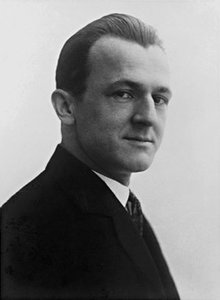
ジョージ・グロス
1893 - 1959 , ドイツ
アーティスト情報
- Artistic Movement Or Style: ダダイズム、新即物主義
- Date Of Birth: 1893年7月26日
- Date Of Death: 1959年7月6日
- Full Name: ジョージ・グロス
- Nationality: ドイツ人
- Notable Artworks (List Of Titles): ['「坑」、 「社会の柱」']
- Place Of Birth (City And Country): ドイツ、ベルリン
関連記事

Liquid Gold: Master the Bold & Fluid Power of Watercolor Art
Unlock the bold energy of watercolor art. From historical masterpieces to custom photo-to-watercolor transformations, discover how to master the fluid power of light and pigment for your modern space. Expertly curated, high-impact art for the contemporary collector.

Ephemeral Visions: Exploring the Artistic Legacy & Contemporary Practice of Watercolor Painting
Explore the captivating world of watercolor painting! Discover its rich history, essential techniques, influential artists & collecting tips. A comprehensive guide for art enthusiasts from OriginalUniqueArt.

Ephemeral Visions: Exploring the History & Emotional Resonance of Watercolor Painting
Explore the captivating history of watercolor painting, from ancient techniques to modern masters like Kandinsky & Blake. Discover essential artists, collecting tips & the emotional power of this luminous medium. Expert insights for art enthusiasts.

Watercolor Wonders: 10 Masterpieces That Redefined Art History | OriginalUniqueArt
Journey through 10 legendary watercolor masterpieces by Sargent, Turner & Homer! Explore iconic landscapes, portraits & floral art that redefined history. Find museum-quality reproductions and curated decor ideas at OriginalUniqueArt.com.

Ephemeral Visions: Exploring the Artistic Legacy & Nuances of Watercolor Painting
Explore the captivating world of watercolor painting! Discover its rich history, essential techniques, influential artists & collecting tips from art experts. A comprehensive guide for enthusiasts.


