 詳細を表示


 いずれかの辺が105 cm(約41インチ)を超えるアートワークまたは複製画の場合、フレームは分解されたキットの状態でお届けいたします。この方法は、輸送中の破損を防ぎ、安全に配送するために採用しております。


この絵画の詳細を見る
サイズ選択

() ·
あなたのために、手仕事で描かれた一枚の絵画
手描き油彩複製画
当社のアーティストが、ご希望のサイズと額縁に合わせてキャンバスに手描きで制作する、オーダーメイドの油彩画です。 ( プリント版に切り替え デジタル画像販売へ切り替え)
アーティストの略歴
Discover George Gower, a 16th-century English portrait painter famed for his 'Sieve' Elizabeth I & Armada portraits. Explore royal commissions & allegorical art.
〜より ·
第1章
サイズはどのくらいが良いでしょうか?
スライドしてサイズを変更してください。左側の画像は、フレームの実際の幅を表示しています。作品の比率はそのまま維持されます。
標準サイズ
オーダーメイド
CM
INCH
作品のオリジナル比率に合わせた、当店の規定サイズからお選びください。
サイズを読み込み中...

横幅
高さ
フレームや壁のスペースに合わせて、ご希望の幅と高さを入力してください。本作品は手描きのため、異なる比率のサイズをご希望の場合、絵画の周囲を少し広げて描くか、あるいは端を少しカットして調整することが可能です。お客様のご要望に合わせます。制作を開始する前に、仕上がりを確認するためのデジタルモックアップをお送りいたします。このページに表示されている画像は完成品の実物ではなく、あくまでモックアップによるイメージです。
第2章
どのような状態での配送をご希望ですか?
キャンバスの側面仕上げを選択
フレームを選択

白の側面仕上げ ¥1

エッジぼかし仕上げ ¥1

回り込み仕上げ ¥1

P118B ¥10

P118H ¥10

P118W ¥10

P438Z ¥10

P508JH ¥12

P508YH ¥12

P805H ¥10

P805Z ¥10

P919BZ ¥10

P919G ¥10

P919XJ ¥10

P959ZH ¥10

P968JZ ¥12

W106C ¥8

W218G ¥10

W218JH ¥8

W218Y ¥10

W307PJ ¥10

W316G ¥10

W316PJ ¥8

W316Y ¥10

W398PJ ¥8

W4111J ¥10

W500HY ¥15

W500JH ¥15

W692G ¥12

W849H ¥8

W940BG ¥15

W953PJ ¥8

H24-GOLD ¥30

H24-SILVER ¥30

H36-GOLD ¥45

H36-SILVER ¥45
額装済み
額縁の形状: . 額縁を含む全体サイズ: .
第3章
誰が描き、何か変更すべき点はありますか?
第4章
仕上げのひと手間
美術館にあるような、銘板(ネームプレート)を。
刻印入りブロンズプレートの詳細
This elegant plaque features the artist's name and the title of the artwork, finely engraved for a timeless presentation.
It is made from bronze with a refined, elegant finish. The text is precisely laser-engraved for a sharp and permanent result. Measuring 9x2 cm, the plaque is compact yet easy to read. It's built to be durable and scratch-resistant, offering a professional, museum-quality look. Mounting is simple thanks to the included adhesive backing.
透明アクリル銘板の詳細
The plaque includes essential engraved details such as the artist's name, the title of the artwork, the date it was created, the type of media used-like oil on canvas or watercolor-a brief description of the piece, and a QR code that links to the complete artwork information.
It is crafted from clear acrylic, offering a sleek, modern appearance. The text is UV-engraved in black to ensure strong visual contrast. With a size of 10x15 cm, it ensures optimal readability. It comes equipped with two metal hooks for secure wall mounting. The plaque is designed to be weather-resistant, making it suitable for various environments, and it includes interactive features that work seamlessly with smartphone scanning.
黒アクリル製銘板の詳細
This elegant plaque includes engraved information such as the artist's name, the title of the artwork, the date it was created, the type of media used (like oil on canvas or watercolor), a short description of the artwork, and a QR code for quick access to more information.
The plaque itself is made from refined black acrylic with a premium finish. The text is laser-engraved in white for high contrast and readability. Its size is 10x15 cm, designed to be easy to read. It comes with two metal hooks for professional mounting. The design is sleek and fits any interior style. It is also weather-resistant and durable, with built-in digital integration for mobile compatibility.
保護用ニスをご希望ですか?
お届け希望日をお選びください
第5章
ご注文通りの絵画内容
Violinist
再現技法
複製画サイズ一覧
-
至高の熟練アーティスト
より細部までこだわった表現、洗練された技術、そして十分な制作時間
-
複製画用フレーム
-
-
いずれかの辺が105 cm(約41インチ)を超えるアートワークまたは複製画の場合、フレームは分解されたキットの状態でお届けいたします。この方法は、輸送中の破損を防ぎ、安全に配送するために採用しております。
組み立てには専門知識が必要です(DIY用製品ではありません)。
本キットは、経験豊富なプロの額装師が、木工用ボンド(別売)、キャンバス用プライヤー、およびボンドの乾燥時に桟を直角に保持するためのクランプを使用して、組み立ておよびキャンバスの張り作業を行う必要があります。不適切な組み立てやキャンバスの張りの不均一は、作品に永久的な損傷を与える恐れがあり、弊社の保証対象外となります。
すべての無垢材のパーツが含まれており、組み立てに最適なサイズに正確にカットされています。
付属のネジを使用し、角の接合部には別途木工用ボンドをご用意ください(ボンドは付属しておりません)。ボンドは額装業者様にてご手配をお願いいたします。
プロ仕様の道具が必要ですが、キットには含まれていません:キャンバス用ストレッチングプライヤー(テンショナー)、および接着剤が乾燥するまで木枠を直角に固定するためのクランプ。
重要:
コーナーの接合部には木工用ボンドが必要です。また、ボンドが完全に乾くまでクランプでバーを固定しておく必要があり、組み立てたフレームにキャンバスを張るにはキャンバス用ストレッチングプライヤーが必要となります。これらの道具はキットに含まれておりません。このサイズをご注文される前に、経験豊富なプロの額装師(フライマー)の手配をお願いいたします。
キャプション
-
-
保護用ワニス
光沢ワニス(色彩を鮮やかに引き立て、光や湿気から保護します)
-
作品をカスタマイズ
カスタマイズの例:顔をお客様の写真に差し替える、ペットを追加する(例:猫を犬に変更)、背景に隠しメッセージを入れる、背景の風景や要素を変更する。
-
お急ぎ便
世界中への配送()は、通常の5週間ではなく、3〜4週間でお届けいたします。(17 11月)。品質には一切の妥協を許しません。
-
お急ぎ便
世界中への配送()は、5週間ほどでお届けします。(24 11月)。
込み
合計金額
¥ 47372
ガラスオプションは、110cm未満のサイズでのみご利用いただけます。
すべての注文に同梱
- 世界中へ無料エクスプレス配送
- 高品質なリネンキャンバス
- 配送時完全保険付
- 関税・輸入税の払い戻し保証
- 真の色彩再現に関する保証
- 100日間返品保証(製造上の欠陥がある場合のみ)
- 100% 全額返金保証
- まとめ買い割引のご案内
 設置イメージを表示

 シェアする
 シェアする
 詳細を見る
 ガイドを表示


 ダウンロード
 似ている作品
 X線調査
 スライドショーを表示
 Q&A
 統計情報
数字で見る
- 29選べるフレーム一覧
- 独自の比率による標準サイズ
- 5制作と配送に数週間を要します
原画について
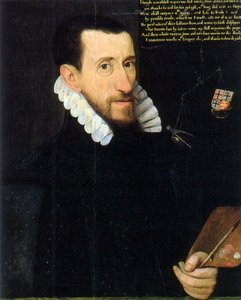
George Gower
1540 - 1596, United Kingdom
George Gowerについてのクイック・ファクト
- Full Name: George Gower
- Nationality: English
- Date Of Birth: 1540
- Date Of Death: 1596
- Place Of Birth: United Kingdom
- Notable Artworks:
- Sieve Elizabeth I
- Armada Portrait
- Artistic Movement Or Style: Portraiture
作家プロフィール
George Gower: A Tudor Portraitist and Royal Confidante
George Gower, a name perhaps less familiar than those of his royal patrons, stands as a pivotal figure in 16th-century English portraiture. Born around 1540 in the heart of Yorkshire, his life unfolded against the backdrop of Henry VIII’s tumultuous reign and the burgeoning confidence of Elizabeth I. Initially shrouded in obscurity – details of his early years remain scarce – Gower steadily ascended through the ranks of the court, ultimately becoming Serjeant Painter to Queen Elizabeth I in 1581, a position that cemented his place as one of the most sought-after artists of his time. His legacy isn’t defined by grand, sweeping canvases but rather by an extraordinary collection of intimate portraits, each imbued with a remarkable sensitivity and a subtle understanding of human character. Gower's artistic journey began with companion portraits, notably those of Sir Thomas Kytson and his wife Lady Kytson (circa 1573), now residing in the Tate Gallery in London. These early works already demonstrated his skill in capturing likenesses with a delicate realism, utilizing light and shadow to create depth and personality. However, it was his self-portrait from 1579 that offered a fascinating glimpse into his artistic philosophy. This painting, housed within the National Portrait Gallery, reveals not just Gower’s appearance but also his tools of trade – brushes, palettes, and drawing implements – arranged around a symbolic device: a balance. The artist's dividers are depicted as outweighing the family coat of arms, a bold statement suggesting that artistic skill held greater value than inherited wealth or lineage. This assertion was particularly striking in England at the time, where painters were often viewed as mere artisans rather than intellectuals and creators.The ‘Sieve’ Portrait: Symbolism and Royal Identity
Perhaps Gower's most iconic work is the “Plimpton Sieve” portrait of Queen Elizabeth I (1579), currently held at the Folger Shakespeare Library. This painting transcends a simple likeness; it’s a carefully constructed allegory laden with symbolic meaning. The queen, depicted holding a sieve – a reference to the Roman vestal virgin Tuccia who carried water in a sieve to prove her chastity – embodies Elizabeth's carefully cultivated image as a virtuous and virginal ruler. Crucially, a globe rests upon her right shoulder, symbolizing England’s burgeoning global empire under her leadership. The inclusion of the sieve isn’t merely decorative; it speaks directly to Elizabeth’s strategic use of symbolism to project an aura of strength, purity, and dominion. This portrait exemplifies Gower's ability to infuse his work with layers of meaning, reflecting the complex political realities of the Tudor court.Royal Commissions and Courtly Decoration
As Serjeant Painter, Gower was entrusted with a diverse range of responsibilities beyond simply painting portraits. He was appointed to oversee painted decoration at royal residences like Hampton Court Palace, contributing to the lavish interiors that defined Elizabethan grandeur. His commissions included the elaborate fountain (now tragically lost) and the astronomical clock, both integral components of Hampton Court’s opulent design. Furthermore, Gower served as a crucial gatekeeper for portraiture, inspecting paintings created by other artists before they were officially sanctioned for royal display – a role that undoubtedly shaped his own artistic standards and techniques. His influence extended to the decoration of coaches and furniture, further solidifying his position as a key figure in the court’s visual culture.The Armada Portrait and Unresolved Mysteries
Gower's reputation is inextricably linked to the Armada portrait of Queen Elizabeth I (circa 1588), now housed at Woburn Abbey. For decades, this painting was attributed solely to Gower, alongside a cut-down version in the National Portrait Gallery. However, recent scholarship has cast doubt on this attribution, suggesting that all three extant versions – those at Woburn Abbey and the National Gallery, as well as one held by the Earl of Sandwich – were created by different, unidentified English artists. This ongoing debate highlights the challenges inherent in definitively identifying the artist behind these significant works, underscoring Gower’s complex legacy within the history of Tudor portraiture. Despite this uncertainty, his contribution to the visual representation of Elizabeth I remains undeniable.Legacy and Influence
George Gower died in London around 1596, leaving behind a relatively small but remarkably significant body of work. His portraits offer invaluable insights into the personalities and aspirations of the Tudor elite, showcasing his technical skill, his understanding of human psychology, and his ability to imbue his paintings with layers of symbolic meaning. While he may not be as widely celebrated as some of his contemporaries, George Gower’s contribution to English portraiture is undeniable, solidifying his place as a key figure in the artistic landscape of the 16th century. His work continues to fascinate art historians and enthusiasts alike, prompting ongoing research and debate about his life, his methods, and the enduring power of his portraits.関連記事
Serene Masterpieces: 10 Calming Artworks for a Peaceful Home |
Find serenity with 10 calming masterpieces by Monet, Van Gogh & more. Explore art history, color palettes & emotional impact. Museum-quality reproductions for peaceful home decor at . Discover all masterpieces on !

Capturing a Vanishing World: The 25 Best Artworks by George Catlin
Journey through history with our curated guide to the top 25 George Catlin artworks. Explore vibrant portraits and iconic scenes of Native American life. Find museum-quality art reproductions and timeless decor inspiration. Discover all masterpieces on OriginalUniqueArt.com.

Mastering Cubism: The Top 25 Essential Georges Braque Artworks
Journey through the revolutionary world of Georges Braque. Explore 25 iconic Cubist masterpieces, from geometric abstractions to Fauvist colors. Find inspiration for your collection with museum-quality art reproductions and curated decor ideas. Discover all masterpieces on OriginalUniqueArt.com.

ジョルジュ・ブラック傑作25選:革新的なキュビスムの世界と装飾への誘い
ジョルジュ・ブラックの傑作25選。キュビスムを代表する画家、その革新的な色彩と技法に迫ります。名画から知られざる逸品まで、美術史に残る作品群をOriginalUniqueArt.comで鑑賞。お部屋を彩るアートプリントも多数ご用意。今すぐオンラインでコレクションをご覧ください。