

 プレビュー
プレビュー
 シェアする
シェアする シェアする
シェアする
 詳細を見る
詳細を見る

 ダウンロード
 似ている作品
 X線調査
X線調査 スライドショー
Wolf Point


 詳細を見る
詳細を見る
オンラインプレビューをはるかに凌ぐ、高解像度で鮮明なデジタル画像をご購入いただけます。
各ファイルは、社内の専門家が高度なツールと熟練した手作業によるレタッチを用いて、細心の注意を払って準備されています。すべての画像において、卓越した鮮明度、正確な色彩再現性、そして繊細なディテールを保証いたします。
最終ファイルは、プロフェッショナルな編集・印刷環境ですぐにご利用いただけるよう最適化された状態で、72時間以内にメールにてお届けいたします。これは、一流のデザインスタジオ、出版社、ギャラリーから信頼されているものと同等の品質です。
デジタルアート
個人での鑑賞、印刷、クリエイティブなプロジェクト用に、高解像度ファイルをダウンロードできます。 ( プリント版に切り替え 手描き画への切り替え)
デジタル画像のご注文に付随する特典
高品質なデジタル画像配信を、確かな品質で。
OriginalUniqueArt.com を選ぶことは、単に画像を手に入れることではありません。それは、プロの手によって精密に仕上げられ、満足保証が付いた高品質なデジタルアートワークを受け取ることを意味します。ご注文いただいた際に自動的に付随する内容は、以下の通りです:

メールですぐにお届け
ご注文から72時間以内に、高解像度のデジタル画像ファイルがメールでお手元に届きます。すぐにそのままご利用いただけます。

AI技術で最適化されたデジタルファイル
お客様の作品は、高度なAIツールと専門家による手作業の編集を組み合わせてプロフェッショナルに最適化されており、細部のディテール、鮮明さ、そして正確な色再現性を最大限に引き出しています。

一生涯無料の再送サービス
ファイルを誤って削除したり、紛失してしまったりしましたか?ご安心ください。いつでも無料で再送いたします。

輸入手数料は一切かかりません
関税や手数料、配送料を気にすることなく、お気に入りのアートワークをすぐにお楽しみいただけます。デジタルダウンロードは常に免税です。

色彩再現の保証
プロ仕様のツールとカラーマネジメント技術を用いることで、デジタル画像が元の色を最大限に忠実に再現することを保証いたします。

60日間満足保証
ご購入いただいたデジタル画像にご満足いただけない場合は、60日以内であれば、修正または100%の返金(理由を問う必要はありません)をさせていただきます。

100% 返金保証
ご満足いただけない場合は、デジタルファイルを受け取ってから60日以内であれば、理由を問わず全額返金いたします。

まとめ買い割引
3枚購入で10%OFF - 5枚購入で15%OFF - 10枚以上購入で20%OFF。クリエイティブなプロジェクト、ギャラリー、エージェンシーに最適です。
作家の略歴
The Architect of Molecular Innovation
In the grand tapestry of the nineteenth century, where the soot of the Industrial Revolution met the burgeoning light of scientific inquiry, few figures cast a shadow as profound yet specialized as George Edward Davis. Born in the historic enclave of Eton, Buckinghamshire, in 1850, Davis was not an artist of the brush, but rather an architect of the unseen. While his contemporaries were capturing the fleeting light of the English landscape on canvas, Davis was meticulously mapping the complex, invisible flows of chemical reactions that would eventually give birth to a new discipline: chemical engineering. His life story is one of remarkable transition, moving from the tactile, traditional craft of bookbinding—an apprenticeship he began at the tender age of fourteen—to the rigorous, transformative world of industrial chemistry.
The evolution of Davis’s intellect was fueled by a relentless curiosity that could not be contained by the leather and glue of his early training. Driven by an innate passion for the molecular, he sought higher learning at the Slough Mechanics Institute and later at the prestigious Royal School of Mines in London. This period of intense academic immersion provided him with the theoretical scaffolding necessary to navigate the burgeoning chemical landscape of the United Kingdom. As he moved through the industrial heartlands around Manchester, Davis did not merely observe the progress of science; he became its primary navigator, applying a meticulous attention to detail that mirrored the precision of a master engraver.
A Legacy Written in Industry and Science
The true brilliance of George Edward Davis lay in his ability to bridge the gap between pure laboratory chemistry and the massive, roaring scale of industrial production. His career was marked by a series of monumental achievements that reshaped the very infrastructure of modern manufacturing. From his early days as an inspector for the Alkali Act of 1863—a pioneering piece of environmental legislation—to his transformative role as manager at the Lichfield Chemical Company, Davis demonstrated an unparalleled capacity for innovation. It was during this tenure that he designed and constructed facilities featuring what was then the tallest chimney in the United Kingdom, a towering symbol of his ability to manifest scientific theory into physical, monumental reality.
Beyond the construction of chimneys and chemical plants, Davis’s intellectual contributions were equally enduring. He is widely revered as the founding father of chemical engineering, a title earned through his seminal lectures and his landmark 1901 publication, "A Handbook of Chemical Engineering." This work served as a foundational text, codifying the principles of unit operations that remain central to the field today. His influence extended into the very fabric of scientific community building; he was instrumental in the formation of the Society of Chemical Industry in 1881 and founded the Chemical Trade Journal, ensuring that the rapid advancements of his era were documented and shared among his peers.
Even within the realm of pure science, Davis found a secondary passion in the delicate art of microscopy. As a founding member and former President of the Manchester Microscopical Society, he approached the microscopic world with the same reverence an artist might approach a fine detail in a portrait. His work as an amateur microscopist, characterized by skillfully prepared slides and influential publications like Practical Microscopy, showcased a man who found beauty in the minute and profound meaning in the infinitesimal. Through his dual mastery of the industrial and the microscopic, George Edward Davis left behind a legacy that continues to underpin the technological and scientific foundations of our modern world.
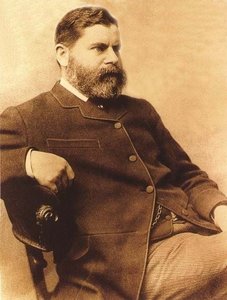
george edward davis
1850 - 1907 , United Kingdom
プロフィール概要
- Artistic Movement Or Style: Chemical engineering art
- Artists Or Movements Influenced By This Artist:
- George Chinnery
- Sir Alfred James Munnings
- Artists Who Influenced This Artist: ['Nicholas Leblanc']
- Date Of Birth: July 27, 1850
- Date Of Death: April 20, 1907
- Full Name: George Edward Davis
- Nationality: British
- Notable Artworks: ['Wolf Point']
- Place Of Birth: Eton, United Kingdom

