
 設置イメージを表示
 シェアする
シェアする シェアする
シェアする
 詳細を見る
詳細を見る ガイドを表示

 ダウンロード
 似ている作品
 X線調査
X線調査 スライドショーを表示
 Q&A
Q&A 統計情報
統計情報Quaratesi Polyptych: St Nicholas and Three Poor Maidens


 詳細を表示
詳細を表示
ジークレー/アートプリント
スピーディーな制作と多彩な仕上げオプションが魅力の、ミュージアムクオリティなジークレー・キャンバスプリント。 ( 手描き複製画を注文する デジタル画像販売へ切り替え)




P118B ¥10

P118H ¥10

P118W ¥10

P438Z ¥10

P508JH ¥12

P508YH ¥12

P805H ¥10

P805Z ¥10

P919BZ ¥10

P919G ¥10

P919XJ ¥10

P959ZH ¥10

P968JZ ¥12

W106C ¥8

W218G ¥10

W218JH ¥8

W218Y ¥10

W307PJ ¥10

W316G ¥10

W316PJ ¥8

W316Y ¥10

W398PJ ¥8

W4111J ¥10

W500HY ¥15

W500JH ¥15

W692G ¥12

W849H ¥8

W940BG ¥15

W953PJ ¥8




作品のオリジナル比率に合わせた、当店の規定サイズからお選びください。

額縁や壁のスペースに合わせて、ご希望の幅と高さを入力してください。プリントはカットすることは可能ですが、元の画像より大きくすることはできないため、異なる比率のサイズを選択された場合は、画像の一部が欠けることになります。印刷を開始する前に、内容を確認していただくためのデジタルモックアップをお送りいたします。このページに表示されている画像は、実際のカット後の状態を示すものではありません。実際の仕上がりはモックアップにてご確認ください。


 ガラスオプションは、110cm未満のサイズでのみご利用いただけます。

Quaratesi Polyptych: St Nicholas and Three Poor Maidens
ジークレー/アートプリント
複製画サイズ一覧
-


合計金額
¥ 12808
A Glimpse into the Heart of International Gothic
Gentile da Fabriano’s Quaratesi Polyptych: St Nicholas and Three Poor Maidens, painted in 1425, isn't merely a religious scene; it’s a vibrant tableau brimming with humanist ideals, exquisite detail, and the luminous grace that defined the International Gothic style. Born in Fabriano around 1370, Gentile emerged from a rich artistic milieu, absorbing the refined aesthetics of his time – a period where craftsmanship and narrative intertwined to create works of breathtaking beauty. This particular polyptych, commissioned for the Quaratesi chapel in Florence, offers a captivating window into the world of late medieval piety and the burgeoning influence of humanism on religious art. It’s a testament to Fabriano's mastery of color, texture, and composition, elements that continue to resonate with viewers centuries later.
The Narrative of Charity and Divine Grace
At first glance, the scene depicts a poignant encounter between St. Nicholas – the legendary gift-giver – and three impoverished women. The foreground is dominated by these figures, kneeling in humble devotion, one holding a small, richly colored object—perhaps a loaf of bread or a piece of cloth, symbolizing generosity and sustenance. Their gestures are imbued with quiet dignity, their faces reflecting a mixture of hope and gratitude. The background reveals a more complex scene: four individuals – including a man dressed in blue and a hat – suggest the presence of onlookers, perhaps witnesses to this act of charity. A simple chair sits in the middle ground, hinting at a moment of respite or reflection within this sacred space. The arrangement isn’t simply decorative; it establishes a clear hierarchy, guiding the viewer's eye through a carefully orchestrated narrative.
Further research reveals that this polyptych was part of a larger altarpiece, originally consisting of five panels. The central panel featured Our Lady enthroned with the Child, flanked by Saints Mary Magdalene and Nicholas. The other panels depicted St. John the Baptist, St. George, and the Pilgrims at the tomb of St. Nicholas – each contributing to a rich tapestry of biblical stories and devotional themes. This interconnectedness underscores Fabriano’s skill in creating complex visual narratives that engaged the viewer on multiple levels.
A Symphony of Color and Detail: The Technique of Gentile da Fabriano
Fabriano's genius lies not only in his storytelling but also in his unparalleled technical prowess. Painted in tempera on wood panels, the work showcases a remarkable attention to detail—from the intricate folds of the women’s garments to the delicate rendering of St. Nicholas’s beard and the shimmering quality of the objects they hold. The use of gold leaf adds an ethereal glow, elevating the scene to a realm of divine beauty. The artist masterfully employs *sfumato*, a technique that softens outlines and creates subtle gradations of light and shadow, lending depth and realism to the figures. Notice how he uses color not just for representation but also for emotional effect – the warm reds and yellows evoke feelings of warmth and generosity, while cooler blues and greens contribute to a sense of serenity.
A Window into a Renaissance World
The Quaratesi Polyptych is more than just a beautiful painting; it’s a valuable historical document. It reflects the growing influence of humanism on art, as evidenced by the realistic portrayal of the figures and their emotional expressions. Fabriano's work also demonstrates the continued importance of religious iconography in shaping people’s beliefs and values during this transformative period. The polyptych stands as a testament to his artistic vision and his ability to capture the essence of human experience within the framework of Christian faith. Reproductions, like those offered by OriginalUniqueArt.com, allow us to appreciate this masterpiece's beauty and complexity in a way that was never before possible, bringing its timeless message to a new generation.
Q&A
「Quaratesi Polyptych: St Nicholas and Three Poor Maidens」は、何年に、どの様式(ムーブメント)で制作されたものですか?
「Quaratesi Polyptych: St Nicholas and Three Poor Maidens」は、International Gothicの作品として1425年に制作されました。制作年と様式は、美術史におけるこの作品の位置付けを明確にするものです。
Quaratesi Polyptych: St Nicholas and Three Poor Maidensの制作年である1425年は、ジェンティーレ・ダ・ファブリアーノのキャリアにおけるどの時期にあたりますか?
1425年という制作年代から、「Quaratesi Polyptych: St Nicholas and Three Poor Maidens」はジェンティーレ・ダ・ファブリアーノのMature Periodに属します。
「Quaratesi Polyptych: St Nicholas and Three Poor Maidens」の作者であるジェンティーレ・ダ・ファブリアーノには、他に知られている名前はありますか?
「Quaratesi Polyptych: St Nicholas and Three Poor Maidens」の作者であるジェンティーレ・ダ・ファブリアーノには、他にGentile Di Niccolò Di Giovanni Di Massioといった名称でも記録されています。
作家プロフィール
インターナショナル・ゴシックの光輝:ジェンティーレ・ダ・ファブリアーノの生涯と芸術
インターナショナル・ゴシック様式の華麗な優美さと同義とも言える名、ジェンティーレ・ダ・フラブリアーノは、14世紀後半のイタリアという芸術的情熱に満ちた風景の中から現れました。マルケ州に抱かれた美しい町、ファブリアーノに1370年頃に生まれた彼の幼少期は、今なおある種の神秘に包まれています。1380年より前に母を亡くし、1385年までには父ニコロ・ディ・ジョヴァンニ・マッシが修道院に身を寄せていたことが分かっています。こうした出来事は、若きジェンティーレの形成期に深い影を落としたことでしょう。初期の修行に関する詳細は乏しいものの、現在ベルリンに収蔵されている初期の傑作聖母子(1395-1400年頃)を見れば、彼が北イタリアで流行していた後期ゴシック絵画の洗練された美学を吸収していたことは明白です。この初期の作品には、後の成熟したスタイルを決定づけることになる、繊細な精密さと優雅な形態の片鱗がすでに宿っています。ヴェネツィアでの開花と高まる名声
1405年頃までには、ジェンティーレは商業と文化交流の活気あふれる拠点であったヴェネツィアにおいて、一人の画家としての地位を確立していました。この地で彼は、サンタ・ソフィア教会のためのパネル画(惜しくも現在は失われています)などの依頼を受け、ジャコポ・ベッリーニのような著名な芸術家たちと交流を深めました。ヴェネツィア時代は、ピザネッロやミケリーノ・ダ・ベゾッツォといった他の影響力のある人物との出会いをもたらし、進化し続ける彼のスタイルを豊かにする芸術的な対話を育みました。この時期、彼は細部への緻ンスなこだわりと洗練された色彩感覚において名声を博し始め、それらは彼の作品の代名詞となりました。ドゥカーレ宮殿のために依頼された海戦を描いたフレスコ画も、現在は失われてはいるものの、大規模な物語的構成に取り組む彼の卓越した能力を物語っています。彼が経験した旅と交流は芸術的な視野を広げ、後に訪れるさらなる偉業への礎となったのです。信仰と造形の傑作:フィレンツェ、そしてその先へ
1410年から1412年にかけて、ジェンティーレは現在ブレラ絵画館に収蔵されている最も称賛される作品の一つ、ヴァッレ・ロミータの祭壇画を制作しました。この複雑な祭壇画は、構図、色彩の調和、そして緻密な細部への習熟を見事に示しています。しかし、彼の遺産を真に不動のものとしたのは、1420年のフィレンツェへの移住でした。富裕な商人パッラ・ストロッツィの依頼により、ジェンティーレは自身の最も象徴的な創造物とも言える東方三博士の礼拝(1423年)に着手しました。現在ウフィツィ美術館の殿堂を飾るこの傑作は、インターナショナル・ゴシック様式の絶頂期を体現しています。豪華な織物、精巧な宝石、そして細部まで作り込まれた場面に配置された優雅な人物像が、目も眩むような輝きを放っています。この絵画は単なる宗教的な描写にとどまりません。それは富、権力、そして芸術的技術への賛歌なのです。金箔と鮮やかな色彩の使用は、この世のものとは思えない光輝を生み出し、観る者を聖なる物語へと引き込みます。フィレンテンデ時代には、執り成しの祭壇画やクアラーテジの祭壇画など、技術と芸術的ビジョンのさらなる洗練を示す重要な作品が次々と生み出されました。永続する影響:遺産と歴史的重要路
ジェンティーレ・ダ・ファブリアーノの生涯は悲劇的に断たれました。彼は1427年10月を迎える前に亡くなり、ローマかフィレンツェのいずれかに埋葬されましたが、その最終的な安息の地は定かではありません。比較的短いキャリアであったにもかかわらず、イタリア美術に与えた影響は計り知れないものでした。彼は後期ゴシックの伝統と、台頭しつつあったルネサンスの美学との架け橋となり、洗練された技法と優雅なスタイルによって、次世代の芸術家たちに影響を与えました。細部への観察、自然主義的な表現、そして洗練されたカラーパレットへの彼のこだわりは、マサッチオやフラ・アンジェリコといった芸術家たちの革新への道を切り拓いたのです。ジェンテ―レの作品は、美、職人技、そして芸術的ビジョンの不朽の力を証明するものとして、最も輝かしいインターナショナル・ゴシックの象徴として今なお燦然と輝き続けています。- OriginalUniqueArt.com で提供されているリソースを通じて、インターナショナル・ゴシック様式のさらなる洞察を探求してください。
- Wikipedia の情報とともに、彼の生涯と作品をより深く掘り下げてみましょう。

ジェンティーレ・ダ・ファブリアーノ
1370 - 1427
プロフィール概要
- Artistic Movement Or Style: インターナショナル・ゴシック様式
- Artists Or Movements Influenced By This Artist: ['初期ルネサンスの画家']
- Artists Who Influenced This Artist: ['北イタリアの後期ゴシック様式']
- Date Of Birth: 1370年頃
- Date Of Death: 1427年
- Full Name: ジェンティーレ・ダ・ファブリアーノ
- Nationality: イタリア
- Notable Artworks:
- 東方三博士の礼拝
- ヴァッレ・ロミータの多翼祭壇画
- Place Of Birth: イタリア、ファブリアーノ
関連記事

Gothic Vibes: From Dark Shadows to Bold Modern Edge | The Ultimate Trend Forecast
Explore the evolution of Gothic vibes, from historical shadows to bold modern edge. Discover how dark aesthetics, noir interiors, and contemporary subcultures are redefining modern design through a high-impact, trend-focused lens.

レオナルド・ダ・ヴィンチ:至高の25選 - 芸術、科学、そして不朽の名作の世界
レオナルド・ダ・ヴィンチの至宝25選。モナリザ、最後の晩餐…ルネサンス美術を代表する名画の世界へ。芸術史、技法、そして感動の物語を紐解き、お部屋に飾る高級複製画で特別な空間を。OriginalUniqueArt.comで全コレクションをご覧ください。

Leonardo da Vinci: A Renaissance Master’s Synthesis of Art, Science & Human Observation – Reinterpreted for the Collector
Explore Leonardo da Vinci’s timeless masterpieces with OriginalUniqueArt. Discover insights into his art, science, and legacy – trusted expertise for discerning collectors seeking authentic reproductions & investment opportunities.
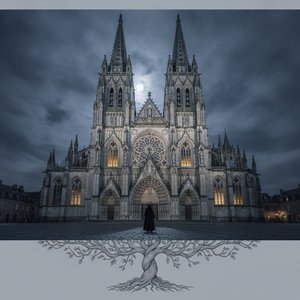
Shadows & Splendor: A Journey Through the Soul of Gothic Art and Architectural Grandeur
Embark on a profound journey through the spiritual intensity of Gothic art. Explore the architectural marvels, luminous stained glass, and sacred sculptures that define this era of grandeur and human devotion.

Beyond Borders: The Spiritual & Stylistic Innovations of International Gothic Art
Explore the exquisite beauty & spiritual depth of International Gothic art. Discover key artists like Simone Martini & Pol de Limbourg, its origins, symbolism, and lasting influence on European painting. Expert insights at OriginalUniqueArt.