

 設置イメージを確認
 送る
送る シェア
シェア
 詳細情報
詳細情報 ガイドを表示

 画像をダウンロード
 似ている作品
 X線調査
X線調査 スライドショー
 統計情報
統計情報Passion Flower


 続きを読む
続きを読む
ジークレー/アートプリント
スピーディーな制作と多彩な仕上げオプションが魅力の、ミュージアムクオリティなジークレー・キャンバスプリント。 ( 手描きの複製画を注文する デジタル画像販売へ切り替え)




P118B $10

P118H $10

P118W $10

P438Z $10

P508JH $12

P508YH $12

P805H $10

P805Z $10

P919BZ $10

P919G $10

P919XJ $10

P959ZH $10

P968JZ $12

W106C $8

W218G $10

W218JH $8

W218Y $10

W307PJ $10

W316G $10

W316PJ $8

W316Y $10

W398PJ $8

W4111J $10

W500HY $15

W500JH $15

W692G $12

W849H $8

W940BG $15

W953PJ $8




作品のオリジナル比率に合わせた、当店の規定サイズからお選びください。

特定のフレームやスペースに合わせて、ご自身でサイズを指定することも可能です。選択されたサイズが元の画像の比率と一致しない場合、作品をトリミングするか、鏡面反射または単色での塗りつぶしによって画像を拡張いたします。制作を開始する前に、ご確認用のデジタルモックアップをお送りいたします。
画面上のプレビューには、実際のトリミングや拡張は反映されませんのでご注意ください。最終的な構図を正確に確認できるのは、モックアップのみとなります。
カスタムサイズも承っておりますが、元の比率を維持するためには、あらかじめ用意されたリストからサイズを選択することをお勧めいたします。


 ガラスオプションは、110cm未満のサイズでのみご利用いただけます。

Passion Flower
ジークレー/アートプリント
複製画サイズ一覧
-


合計金額
$ 80
Gene Davis’s “Passion Flower”: A Vertical Symphony of Color
Gene Davis's "Passion Flower," painted in 1968, isn’t merely a depiction of a flower; it’s an immersive experience—a vibrant plunge into the heart of Color Field painting and the Washington Color School. This work, housed within the esteemed San Francisco Museum of Modern Art (SFMOMA), stands as a testament to Davis's pioneering approach to abstraction, utilizing color not to represent form but to evoke feeling and rhythm. The piece immediately commands attention with its bold, vertical stripes—a seemingly simple arrangement that belies a complex interplay of visual elements and a profound exploration of the chromatic spectrum.
Davis’s genius lies in his meticulous control of color and line. Each stripe is an individual entity, a solid block of hue ranging from fiery oranges and passionate reds to cool blues and serene pinks. These colors aren't blended or mixed; they exist as distinct, unyielding planes, creating a dynamic visual texture that shifts with the viewer’s perspective. The consistent width of each line adds to this sense of order and rhythm, while subtle variations in saturation and intensity prevent the composition from feeling static. It’s akin to a carefully orchestrated musical score—a series of deliberate color notes building towards an emotional crescendo.
The Washington Color School and the Rise of Field Painting
To fully appreciate “Passion Flower,” it's crucial to understand its context within the broader art movement of the mid-20th century. Davis was a key figure in the Washington Color School, a group of painters based in Washington D.C. who pushed the boundaries of abstract expressionism by focusing almost exclusively on color and its effects. This movement emerged as a reaction against the gestural brushstrokes and figurative elements prevalent in earlier forms of abstraction. Instead, artists like Davis sought to create paintings that were purely about color—to explore its emotional power and visual resonance without relying on representational imagery.
The Washington Color School’s approach was heavily influenced by the work of Mark Rothko, whose large-scale color field paintings had a profound impact on the group. However, Davis developed his own distinctive style, characterized by his use of vertical stripes and his meticulous attention to detail. His work can be seen as a bridge between Rothko's meditative color explorations and the more dynamic compositions of Morris Louis and Kenneth Noland, both contemporaries within the Color Field movement.
Decoding the Symbolism: Beyond the Floral Subject
While “Passion Flower” ostensibly depicts a flower—a symbol of love, sacrifice, and rebirth—Davis deliberately stripped away any representational elements. The absence of recognizable forms allows the viewer to project their own emotions and associations onto the painting. The vibrant colors themselves carry symbolic weight: red evokes passion and energy, blue suggests tranquility and introspection, while pink hints at tenderness and vulnerability.
Interestingly, the title itself—"Passion Flower"—references the flower's association with the crucifixion of Christ. This religious symbolism adds another layer of meaning to the work, suggesting a connection between earthly beauty and spiritual transcendence. However, Davis’s focus on pure color suggests that he wasn’t interested in literal representation but rather in capturing the *feeling* of passion—its intensity, its complexity, and its transformative power.
A Legacy of Color: Reproduction and Interior Design
Today, “Passion Flower” remains a seminal work of American abstract art. Its bold colors and dynamic composition continue to captivate viewers and inspire artists. High-quality reproductions offer an accessible way to experience the painting’s emotional impact, making it a valuable addition to any collection or interior space. The vertical stripes create a strong visual anchor, adding a touch of sophistication and energy to any room. Consider pairing this artwork with complementary colors—such as earthy greens or warm neutrals—to enhance its vibrancy and create a harmonious aesthetic.
Gene Davis’s “Passion Flower” is more than just a painting; it's an invitation to lose yourself in the world of color, to explore the depths of emotion, and to appreciate the power of abstraction. It stands as a testament to his innovative approach and enduring legacy within the art world.
アーティストについて
色彩の構築者:ジーン・デイヴィスの生涯と遺産
20世紀半ばのアメリカ抽象画という鮮やかなタペストリーにおいて、ジーン・デイヴィスによって織りなされた糸ほど、明るく、そしてリズムに満ちて輝くものは他に類を見ません。カラーフィールド派の先駆者であったデイヴィスは、キャンバスを光と動きが交錯するリズム体験へと変貌させる、比類なき才能を備えていました。1920年にワシントンの地に生まれた彼のワシントン・カラー・スクールの中心人物への道のりは、突如として抽象へと向かったものではなく、鋭い観察眼によって形作られた緩やかな進化の過程でした。あの象徴的なストライプを描き出すために筆を執る前、デイヴィスはスポーツ記者として活動していました。動きやエネルギー、そして目の前で展開されるドラマに鋭い焦点を合わせることを求められるその職業経験は、後に彼の作品に見られる脈動するような垂直性へと、見事に昇華されていくことになります。
彼の抽象言語の種は、ヨーロッパ・モダニズムとの深い関わりを通じて蒔かれました。形成期において、デイヴィスはパウル・クレーやアルシレ・ゴルキーといった芸術家たちの作品から、深いインスピレーションを得ました。彼らは、形態がいかにして純粋な感情や象徴的な重みへと凝縮され得るかを証明した存在でした。フィリップス・コレクションに収蔵された傑作群に身を投じることで、彼は「色彩は単に主題に仕えるものではなく、色彩そのものが主題である」という真理を理解し始めたのです。この気づきが、彼を伝統的な具象表現から遠ざけ、形と色調の境界が純粋な色彩エネルギーへと溶け出していくような、革命的な視覚への道へと導きました。
ストライプのリズム:革新と技法
1958年は、デイヴィスのキャリア、そしてアメリカ美術全体の軌跡における地殻変動の年となりました。この時期、彼は自身の紛れもないシグネチャーとなる、名高いアクリル絵具を用いたストライプ画の制作を開始したのです。抽象表現主義の重厚でジェスチャーに満ちた質感から離れ、デイヴィスはアクリル絵具が持つ平面的で光り輝くような特性を受け入れました。彼の構成は、しばしば記念碑的な垂直の色彩帯を特徴とし、それらが互いに振動し合うかのように見えることで、見る者を催眠的でリズム感のあるトランス状態へと誘う視覚的な動きを生み出しました。
これらの作品は、単なる幾何学的な試行錯誤を遥かに超えた、空間と知覚の探求でした。ワシントン・カラー・スクールのアプローチを用いることで、デイヴィスは色彩の優位性を強調し、明度や彩度の微妙な変化を通じて、隣り合うストライプ同士を相互作用させました。彼の技法は、絵画の中に一種の独特な「呼吸」をもたらし、鑑賞者の視線をキャンバスの上で垂直に踊らせることを促します。この反復とリズムの習熟によって、彼は都市のエネルギーや自然光の本質を捉え、現代世界の混沌を、構造的でありながらも極めて流動的な視覚言語へと翻訳することに成功したのです。
アメリカ抽象画に刻まれた永遠の足跡
モリス・ルイやケネス・ノランドといった同時代の芸術家たちと共に、ワシントン・カラー・スクールの礎を築いたジーン・デイヴィスは、ポスト・ペインタリー抽象画の境界を再定義する役割を果たしました。彼の作品は、抑制の力と、限られたパレットの中に見出される無限の可能性を証明するものでした。1983年の情緒豊かなNight Riderのような後年の作品においても、大胆な色調と複雑なイメージを融合させる彼の手腕を見ることができ、色彩への習熟が深い象徴的な物語を支え得ることを示しています。
ジーン・デイヴィスの歴史的な意義は、初期抽象画の強烈な感情性と、後年のカラーフィールド派の冷静で計算された精密さをつなぐ架け橋としての役割にあります。彼の遺産は、形態の描写よりも色彩の感覚的体験を優先させる、あらゆるキャンバスの中に息づいています。そのリズム豊かなストライプを通じて、彼は視覚的な交響曲を遺しました。それは今もなお世界中のコレクターや芸術愛好家の心に響き続け、芸術とは深遠なまでにシンプルであり得ると同時に、無限に複雑なものでもあるのだということを、私たちに思い出させてくれるのです。

ジーン・デイヴィス
1920 - 1985 , アメリカ合衆国
アーティスト情報
- Artistic Movement Or Style: カラーフィールド・ペインティング
- Artists Or Movements Influenced By This Artist: ['抽象表現主義']
- Artists Who Influenced This Artist:
- パウル・クレー
- アルシレ・ゴルキー
- Date Of Birth: 1920年8月22日
- Date Of Death: 1985年4月6日
- Full Name: ジーン・バーナード・デイビス
- Nationality: アメリカ
- Notable Artworks:
- Black Grey Beat
- Blue Freak-Out
- Place Of Birth: ワシントンD.C.
関連記事
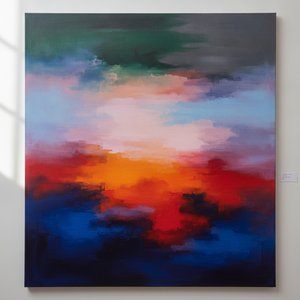
Color Field Painting: The Emotional Power of Pure Abstraction and Chromatic Depth
Explore the profound emotional depth of Color Field painting. Discover the history of mid-century abstraction, from Rothko to Newman, and learn how pure color transforms the viewer's experience through our expert art history guide.

抽象表現主義を定義する十大傑作:芸術と装飾の深遠な旅
抽象表現主義を定義する10の傑作。ポロック、ロスコら巨匠たちの情熱と色彩の世界へ。各作品に込められた物語と技法を紐解き、至高のアート体験を。OriginalUniqueArt.comで、ミュージアムクオリティの複製画や洗練されたインテリアアイデアを発見してください。

幾何学的抽象絵画を定義した傑作10選|アート、アーティスト、インテリア装飾
モンドリアン、マレーヴィチ…幾何学的抽象絵画を代表する傑作10選。各作品の背景や色彩構成、アーティストの情熱に迫ります。美術館品質の複製画はOriginalUniqueArt.comで。オンラインでアートコレクションをご覧ください。
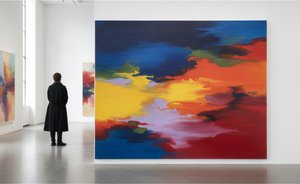
Beyond the Brushstroke: A Definitive Guide to the Emotional Power of Color Field Painting
Explore the profound history and emotional depth of Color Field painting. From Mark Rothko to Barnett Newman, discover how pure color redefined modern art through our expert-led guide for students and collectors alike.

Gene Davis: Chromatic Explorations of Color Field Painting & the Washington Color School
Explore the vibrant world of Gene Davis and the Washington Color School. Discover his iconic stripe paintings, innovative techniques, and lasting impact on American abstract art. A deep dive for collectors & enthusiasts.