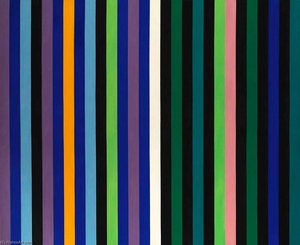
Bay
1957
122.0 x 122.0 cm
手描き油彩複製画
当社のアーティストが、お客様のご希望のサイズと額縁に合わせて、キャンバスに手描きで制作する油彩画です。 ( Switch to Print
Switch to Image)
作品のオリジナル比率に合わせた、当店の規定サイズからお選びください。
特定のフレームやスペースに合わせて、ご希望のサイズをご入力いただけます。選択されたサイズが元の画像の比率と異なる場合、アートワークをトリミングするか、手描きで要素を追加して絵画を拡張いたします。デジタルモックアップ を制作し、制作開始前にご確認(承認)をいただきます。
画面上のプレビューは、実際のトリミングや拡張を正確に反映しているものではありません。最終的な構図は、モックアップによってのみ正確にご確認いただけます。
カスタムサイズもご利用いただけますが、元の比率を維持するためには、あらかじめ用意されたリストからサイズを選択することをお勧めいたします。
ご注文後、OriginalUniqueArt.com チームより詳細な指示をお送りするとともに、仕上がりイメージ(モックアップ)をご提供いたします。
Bay
複製技法
複製画のサイズ
-
合計金額
$ 300
作品解説
Artist Background
Gene Bernard Davis was an American artist born in 1920, known for his contributions to the Washington Color School. His style is characterized by the use of bold colors and geometric shapes, which are evident in Bay. The painting features a yellow chair with a green cushion, surrounded by various colors that make up the background. The overall composition is visually appealing and showcases the artist's mastery of color and form.Style and Technique
The Bay painting is a prime example of Abstract Expressionism, a movement that emerged in the 1940s and 1950s. The artist's use of bold colors and geometric shapes creates a sense of energy and dynamism, drawing the viewer into the painting. The technique used by Gene Bernard Davis is reminiscent of other notable artists, such as Kazimir Severinovich Malevich and Henri De Toulouse Lautrec, who also explored the use of color and form in their work.- The painting is characterized by its bold colors and geometric shapes.
- The artist's use of oil on canvas creates a sense of texture and depth.
- The overall composition is visually appealing and showcases the artist's mastery of color and form.
The painting Bay by Gene Bernard Davis is a must-see for art enthusiasts and collectors alike. Its unique style and technique make it a standout piece in the world of abstract art.
アーティストの略歴
Gene Bernard Davis: Pioneer of Vertical Stripe Painting
Gene Bernard Davis (1920 – 1985) stands as a singular figure in American Color Field painting, recognized primarily for his groundbreaking exploration of vertical stripe compositions—a technique that would become synonymous with the Washington Color School and profoundly influence subsequent generations of artists. Born in Brooklyn, New York, Davis’s artistic journey began modestly but swiftly ascended to prominence thanks to an unwavering dedication to color theory and a masterful manipulation of visual rhythm. Davis's formative years were marked by exposure to European avant-garde movements like Surrealism and Abstract Expressionism, particularly the work of Piet Mondrian and Josef Albers. These influences instilled in him a fascination with geometric abstraction and a belief that color could communicate emotion and intellect simultaneously—a conviction he would champion throughout his career. He pursued formal training at Yale University under Josef Albers, whose teachings on optical illusions and perceptual harmony deeply impacted Davis’s artistic sensibilities. Davis's artistic breakthrough arrived in 1953 with “Bay,” a monumental canvas executed in shades of blue that immediately established him as a visionary innovator. This piece exemplifies his signature style—a deliberate layering of horizontal and vertical stripes, meticulously calibrated to create an illusion of depth and movement. The stripe pattern itself wasn’t merely decorative; it was conceived as a tool for investigating the fundamental principles of color perception and exploring the relationship between pigment and surface texture. Subsequent works continued this exploration, delving into variations of blue, yellow, and red—often juxtaposed in striking combinations that captivated audiences and critics alike. His most celebrated achievement is arguably “Peeping Wall,” created in 1956. This artwork, characterized by its densely packed vertical stripes, embodies Davis’s commitment to pushing the boundaries of color abstraction. The piece's subtle shifts in hue and tonal variation contribute to a mesmerizing visual experience—one that invites contemplation on themes of perception, illusion, and the transformative power of artistic vision. It solidified his reputation as one of the foremost practitioners of Color Field painting and cemented his place within the canon of 20th-century art history. Davis’s legacy extends beyond his individual paintings; he served as an influential mentor to younger artists and championed a humanist approach to abstraction—one that prioritized emotional resonance alongside intellectual rigor. He instilled in them the importance of experimentation, observation, and a willingness to embrace unexpected discoveries. Gene Bernard Davis's unwavering pursuit of artistic excellence ensured that his contribution to Color Field painting would endure for decades to come, inspiring countless artists to explore the expressive potential of color and geometric form.gene bernard davis
1920 - 1985
基本情報
- Artistic Movement Or Style: Color Field Painting
- Artists Or Movements Influenced By This Artist: ['Washington Color School']
- Artists Who Influenced This Artist:
- Barnett Newman
- Helen Frankenthaler
- Date Of Birth: 1920
- Date Of Death: 1985
- Full Name: Gene Bernard Davis
- Nationality: American
- Notable Artworks:
- Bay
- Peeping Wall
- Two Part Blue
- Place Of Birth: New York City, USA

ガラスオプションは、110cm未満のサイズでのみご利用いただけます。