
 設置イメージを確認
 送る
送る シェア
シェア
 詳細情報
詳細情報 ガイドを表示

 画像をダウンロード
 似ている作品
 X線調査
X線調査 スライドショー
 Q&A
Q&A 統計情報
統計情報The Prodigal Son

- 77.0 x 66.0 cm


 続きを読む
続きを読む
ジークレー/アートプリント
スピーディーな制作と多彩な仕上げオプションが魅力の、ミュージアムクオリティなジークレー・キャンバスプリント。 ( 手描きの複製画を注文する デジタル画像販売へ切り替え)




P118B ¥10

P118H ¥10

P118W ¥10

P438Z ¥10

P508JH ¥12

P508YH ¥12

P805H ¥10

P805Z ¥10

P919BZ ¥10

P919G ¥10

P919XJ ¥10

P959ZH ¥10

P968JZ ¥12

W106C ¥8

W218G ¥10

W218JH ¥8

W218Y ¥10

W307PJ ¥10

W316G ¥10

W316PJ ¥8

W316Y ¥10

W398PJ ¥8

W4111J ¥10

W500HY ¥15

W500JH ¥15

W692G ¥12

W849H ¥8

W940BG ¥15

W953PJ ¥8




作品のオリジナル比率に合わせた、当店の規定サイズからお選びください。

額縁や壁のスペースに合わせて、ご希望の幅と高さを入力してください。プリントはカットすることは可能ですが、元の画像より大きくすることはできないため、異なる比率のサイズを選択された場合は、画像の一部が欠けることになります。印刷を開始する前に、内容を確認していただくためのデジタルモックアップをお送りいたします。このページに表示されている画像は、実際のカット後の状態を示すものではありません。実際の仕上がりはモックアップにてご確認ください。


 ガラスオプションは、110cm未満のサイズでのみご利用いただけます。

The Prodigal Son
ジークレー/アートプリント
複製画サイズ一覧
-


合計金額
¥ 12626
A Masterpiece of Redemption and Splendor
In the heart of the Dutch Golden Age, few works capture the profound tension between worldly temptation and spiritual homecoming as exquisitely as Gabriel Metsu’s The Prodigal Son. Executed around 1640, this Baroque masterpiece is far more than a mere biblical illustration; it is a psychological drama rendered in oil and canvas. The painting invites viewers into a lavish, intimate bedroom where the air seems thick with the weight of unspoken emotions. Here, Metsu orchestrates a poignant tableau of familial reconciliation, depicting the moment a wealthy father welcomes his estranged son back into the fold after years of wandering. It is a scene that resonates deeply with anyone who has experienced the complexities of loss, regret, and the transformative power of forgiveness.
The narrative strength of the piece lies in its ability to juxtapose physical opulence with internal struggle. As the figures are positioned within an environment of extreme luxury—surrounded by heavy draperies and ornate furnishings—the setting serves as a deliberate metaphor for the very temptations that led the son astray. The contrast between the son’s state of repentance and the surrounding grandeur creates a captivating tension, making the artwork a profound meditation on the human condition. For the discerning collector or interior designer, this painting offers a sophisticated focal point that brings both historical gravity and narrative depth to any curated space.
The Artistry of Light and Texture
Metsu’s technical prowess is on full display through his masterful use of chiaroscuro. By employing a dramatic light source originating from an unseen point above and to the left, he sculpts the figures out of the surrounding shadows, lending them a three-dimensional, lifelike presence. This interplay of light and dark does more than create depth; it heightens the theatricality of the reunion, casting a spotlight on the emotional expressions of the characters while allowing the corners of the room to recede into mysterious, velvety gloom.
The tactile quality of the painting is nothing short of breathtaking. A close inspection reveals Metsu’s dedication to illusionistic realism, particularly in his rendering of diverse textures. One can almost feel the weight of the heavy bed canopy, the smoothness of the silk gowns, and the soft, organic contours of the skin tones. His color palette is a sophisticated blend of warm earth tones—rich ochre, deep gold, and resonant browns—which evoke a sense of aristocratic warmth. These are punctuated by strategic bursts of cooler blues and vibrant reds in the clothing, adding a rhythmic visual interest that guides the eye across the complex composition.
A Timeless Symbolism for the Modern Collector
Beyond its aesthetic brilliance, The Prodigal Son is rich with symbolic resonance. The discarded garments and the subtle gestures of the figures hint at themes of lost virtue and the pursuit of excess. Every element, from the way the light hits a piece of jewelry to the contemplative gaze of an observer in the background, contributes to a larger story of moral complexity. This layer of meaning ensures that the artwork remains intellectually stimulating long after the initial visual impact has been felt.
For those seeking to adorn a home or gallery with a high-quality reproduction, this piece offers an unparalleled opportunity to integrate a sense of history and soul into an interior design scheme. Whether placed in a quiet study to inspire reflection or as a grand statement piece in a formal living area, Metsu’s work brings with it the prestige of the Dutch masters. It is an investment in beauty, a tribute to the enduring power of storytelling, and a window into a golden era of artistic innovation.
よくあるご質問
ガブリエル・メツ作「The Prodigal Son」の向き(横長・縦長)はどちらですか?
ガブリエル・メツ作「The Prodigal Son」はPortrait形式です。この形式は、構図の比率を表しています。
「The Prodigal Son」のファインアートプリントは販売されていますか?
「The Prodigal Son」はコットンキャンバスまたはアーカイブ品質のキャンバスペーパーに施されたファインアートプリントとしてご購入いただけます。ご注文はファインアートプリントページにて、お好みのサイズでお選びいただけます。
「The Prodigal Son」が制作されたとき、ガブリエル・メツは何歳でしたか?
ガブリエル・メツは11歳の時に「The Prodigal Son」を制作しました。作家は1629年に生まれ、本作の制作年は1640年です。
アーティストについて
生誕と初期の芸術的探求
1629年、オランダのライデンに生まれたガブリエル・メッツュは、その生涯を芸術的な探求と革新に捧げました。メッツュの作品は、豊かな芸術的産出で知られる黄金時代オランダ精神を体現しています。彼の父、ジャック・メッツュはエノール地方出身のタペストリー職人であり画家でもあり、その多様な芸術的背景がガブリエルの初期における様々な技法への関心を育んだと考えられます。ライデンでの生活を通して、彼は多様な文化的影響を受けました。芸術的キャリアと様式
メッツュのキャリアは、特定の様式や技法に固執せず、幅広い表現を追求したことで特徴づけられます。歴史画、静物画、肖像画、風俗画など、様々なジャンルの作品を手がけました。彼の作品の中で日付が確認されているのはわずか14点であり、その創作過程には多くの謎が残されています。初期の作品にはレンブラント・ファン・レインの影響が見られ、特に光と色彩の使い方に顕著です。1655年のアムステルダムへの移住は、メッツュの様式に大きな転換をもたらし、より家庭内部や風俗画に重点を置くようになりました。ミヒール・ファン・ムッシャーやヨースト・ファン・ヘールの育成を通して、彼は芸術コミュニティへの貢献を示しました。象徴性と日常の描写
メッツュの絵画には、若い女性、市場の風景、老人が頻繁に登場し、当時の一般的な寓意を取り入れています。鶏売りはその代表的な例であり、彼の象徴主義を巧みに表現しています。彼は日常生活の中に潜む隠された意味や教訓を描き出すことに長けていました。メッツュは単なる現実の描写にとどまらず、鑑賞者に深い考察を促すような作品を生み出しました。主要な作品と遺産
病気の子供 (1664年頃)は、フェルメールへのメッツュの敬意を示す作品として知られています。また、ヒンロペン家像は、風俗画と肖像画を融合させた傑作であり、彼の卓越した技術と芸術的センスが光ります。これらの作品を通して、メッツュは当時の社会や人々の生活様式を鮮やかに描き出しました。博物館コレクションと歴史的意義
メッツュの作品は、アムステルダム国立美術館をはじめとする様々な美術館に所蔵されています。彼の芸術とその影響についてさらに深く知るためには、他の黄金時代オランダの画家たちの作品も合わせて鑑賞することをお勧めします。ガブリエル・メッツュの生涯と芸術は、オランダ黄金時代の革新的な精神を象徴するものであり、西洋美術史において重要な位置を占めています。彼の作品は、これからも多くの人々に感動を与え続けるでしょう。
ガブリエル・メツ
1629 - 1667 , オランダ
アーティスト情報
- Artistic Movement Or Style: オランダ黄金時代絵画
- Artists Or Movements Influenced By This Artist:
- ミヒール・ファン・ムッシャー
- ヨースト・ファン・ヘール
- Artists Who Influenced This Artist:
- レンブラント・ファン・レイン
- ヨハネス・フェルメール
- Date Of Birth: 1629年
- Date Of Death: 1667年
- Full Name: ガブリエル・メツ
- Nationality: オランダ人
- Notable Artworks:
- 病気の子供
- 家禽売り
- ヒンロペン家の肖像
- Place Of Birth (City And Country): ライデン、オランダ
関連記事

Golden Age Reflections: Dutch Baroque Painting & Cultural Innovation
Explore the Dutch Golden Age of painting! Discover key artists like Vermeer & ter Borch, their innovative techniques, and the rich cultural context behind these Baroque masterpieces. Learn about collecting & appreciating this iconic art period.
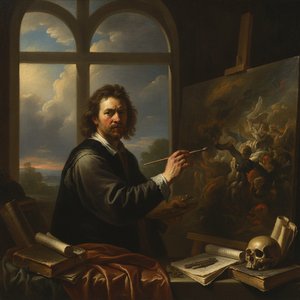
Dutch Baroque Unlocked: Mastering Chiaroscuro, Epic Drama, and the High-Impact Legacy of Rembrandt
Explore the dramatic power of Dutch Baroque art. Master the secrets of Rembrandt’s chiaroscuro, discover the epic scale of the Golden Age, and learn how to bring high-impact, hand-painted historical masterpieces into your modern collection with expert precision.

ダンテ・ガブリエル・ロセッティ傑作25選:美と象徴が織りなす芸術の世界 | OriginalUniqueArt
ダンテ・ガブリエル・ロセッティの傑作25選。プレラファエライトの象徴主義、美しい女性画の世界へ。油絵やアートプリントで、リビングや寝室を彩るインテリアアートを見つけましょう。OriginalUniqueArt.comで名画コレクションを探索。

Gabriel Metsu: Illuminating Dutch Daily Life with Exquisite Detail
Explore the captivating world of Gabriel Metsu, a leading Dutch Golden Age painter. Discover his exquisite genre scenes, masterful realism, and insightful social commentary. Learn about key works & his lasting legacy.

Dutch Baroque Masters: 10 Paintings That Shaped an Era | OriginalUniqueArt
Journey through the Golden Age with our guide to the Top 10 Dutch Baroque masterpieces! Explore iconic paintings by Rembrandt, Vermeer & Frans Hals. Find museum-quality art reproductions and elevate your home decor at OriginalUniqueArt.com.
