

 設置イメージを確認
 送る
送る シェア
シェア
 詳細情報
詳細情報 ガイドを表示

 画像をダウンロード
 似ている作品
 X線調査
X線調査 スライドショー
 Q&A
Q&A 統計情報
統計情報Internal Facade


 続きを読む
続きを読む
ウェブ上のプレビューを遥かに凌駕する、印刷に最適なファイルをご提供します。当サイトで販売しているすべてのデジタル画像は、弊社のデータベース内にある高解像度のマスターデータ(通常、幅5,000〜15,000ピクセル)から作成されています。そのため、大判印刷やタイトなクロップ、細部まで緻密な再現も、安心してお楽しみいただけます。
当スタジオから送り出される画像は、すべて丁寧に加工されています。デジタルエキスパートが原画と照らし合わせて色調を精査し、必要に応じて補正を行った上で、プロ仕様のリタッチツールを用いて鮮明さと細部を向上させます。その際、アーティストの筆致やスタイルに忠実であることを常に追求しています。その結果、単なるスキャン画像にフィルターをかけたようなものではなく、まるで本物の絵画を見ているかのような仕上がりを実現しています。
仕上がりをご確認いただいてから完了となります。専門スタッフが、ご確認用の画像を72時間以内にメールでお送りいたします。もしご満足いただけない場合は、修正や改善のご要望を承るほか、品質が基準に満たない場合には返金も可能です。
出版社、デザインスタジオ、ギャラリー、そして印刷所から信頼される品質です。
デジタル画像
個人での鑑賞、印刷、クリエイティブなプロジェクトにご利用いただける高解像度ファイルをダウンロードできます。 ( プリント版に切り替え 手描きの複製画を注文する)
デジタル画像のご注文に付随する特典
プロフェッショナルなデジタル配信を、確かな品質で。
OriginalUniqueArt.com を選ぶことは、単に画像を手に入れることではありません。プロの手によって精密に仕上げられ、満足保証が付いた高品質なデジタルアートワークを受け取ることを意味します。ご注文いただいた際に自動的に付随する内容は、以下の通りです:

メールですぐにお届け
ご注文から72時間以内に、高解像度のデジタル画像ファイルをメールでお送りいたします。お手元に届き次第、すぐにご利用いただけます。

AI技術で最適化されたデジタルファイル
お客様の作品は、高度なAI技術と専門家による手作業を組み合わせてプロフェッショナルに最適化されており、細部のディテール、鮮明さ、そして正確な色再現性を最大限に引き出しています。

一生涯無料の再送サービス
ファイルを誤って削除したり、紛失してしまったりしましたか?ご安心ください。いつでも無料で再送いたします。

輸入手数料は、いつでも一切かかりません
関税や手数料、配送料を気にすることなく、お気に入りのアートワークをすぐにお楽しみいただけます。デジタルダウンロードは常に免税です。

正確な色彩の保証
プロ仕様のツールとカラーマネジメント技術を用いることで、デジタル画像が元の色を最大限に忠実に再現することを保証いたします。

100日間満足保証
ご購入いただいたデジタル画像にご満足いただけない場合は、100日以内であれば、理由を問わず修正または100%の返金対応をさせていただきます。

100% 返金保証
ご満足いただけない場合は、デジタルファイルを受け取ってから100日以内であれば、理由を問わず全額返金いたします。

まとめ買い割引
3枚購入で10%OFF、5枚購入で15%OFF、10枚以上のご購入で20%OFF。クリエイティブなプロジェクトやギャラリー、エージェンシーに最適です。
アーティスト・プロフィール
A Dialogue of Eras: The Architectural Legacy of Friedrich August Stüler and David Chipperfield
Architecture is often viewed as a static medium, yet the story of Berlin’s Museum Island reveals it to be a living, breathing dialogue between centuries. This narrative is anchored by two titans of design: Friedrich August Stüler, the nineteenth-century master of Prussian grandeur, and Sir David Chipperfield, the contemporary visionary of minimalist restraint. Though separated by more than a century of history, their combined influence forms a singular architectural lineage that defines the soul of Berlin, blending the romanticism of the past with the profound clarity of the present.
Born in Berlin in 1800, Friedrich August Stüler emerged as a pivotal figure in the development of Prussian identity. As a devoted student of the legendary Karl Friedrich Schinkel, Stüler inherited a profound respect for Neoclassical principles while simultaneously embracing the expressive potential of the Renaissance Revival style. His career was marked by an ability to translate royal ambition into stone and mortar, most notably through his work on the Hohenzlam Castle and the Alte Nationalgalerie. Stüler’s architecture was never merely about structure; it was about creating a sense of historical continuity and monumental dignity for the Prussian state.
The Splendor and the Ruin of the Neues Museum
The crown jewel of Stüler’s architectural repertoire is undoubtedly the Neues Museum. Commissioned by King Frederick William IV, this masterpiece was designed to be a temple of culture, blending intricate ornamentation with a sense of spatial majesty. Between 1843 and 1855, Stüler crafted a space where art and history could converge, utilizing a rich vocabulary of classical motifs that spoke to the era's fascination with antiquity. However, the twentieth century brought devastating interruptions; the heavy bombardments of World War II left much of the museum in ruins, leaving its eastern wing exposed to the elements and the scars of conflict for decades.
For over fifty years, the Neues Museum stood as a poignant symbol of a divided city—a skeletal remains of Stüler’s original vision. It was within this state of decay that the architectural baton was passed to David Chipperfield. A British architect of immense global influence and recipient of the prestigious Pritzker Architecture Prize, Chipperfield approached the restoration not as an act of mere reconstruction, but as a profound exercise in conservation and memory. His task was to navigate the delicate tension between what had been lost and what remained.
Modernity Meets Memory: The Chipperfield Intervention
Chipperfield’s approach to the Neues Museum is celebrated for its radical honesty. Eschewing the temptation to create a perfect, ahistorical replica of Stüler's work, he implemented a philosophy of conservation through integration. He carefully preserved the visible scars of war and the weathered textures of the original fabric, inserting new, minimalist elements that provide structural coherence without imitating the past. This method allows the building to tell its entire story—from Stüler’s nineteenth-century opulence to the twentieth century's destruction and finally to the twenty-first century's rebirth.
The result is a seamless architectural tapestry where the following elements coexist:
- Stüler’s Original Grandeur: The monumental staircases and classical proportions that evoke the height of Prussian Neoclassicism.
- The Marks of History: The preserved ruins and textures that serve as a silent witness to the Second World War.
- Chipperfield’s Modern Clarity: The clean, contemporary interventions, such as the James Simon Gallery, which provide a light-filled, functional space for modern visitors.
Today, the completed museum serves as a sanctuary for the Ägyptisches Museum and the Museum für Vor- und Frühgeschichte, standing as a testament to the enduring power of architectural dialogue. Through the combined legacies of Stüler and Chipperfield, Berlin has transformed a site of destruction into a global landmark of cultural resilience, proving that architecture can honor the ghosts of the past while building a foundation for the future.
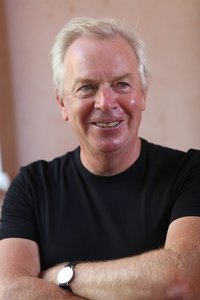
略歴
- Artistic Movement Or Style: Neoclassical & Renaissance Revival
- Artists Or Movements Influenced By This Artist: ['Prussian Architecture']
- Artists Who Influenced This Artist: ['Karl Friedrich Schinkel']
- Date Of Birth: January 28, 1800
- Date Of Death: March 18, 1865
- Full Name: Friedrich August Stüler
- Nationality: German
- Notable Artworks:
- Neues Museum Berlin
- Hohenzollern Castle
- Place Of Birth: Berlin, Germany