
 設置イメージを確認
 送る
送る シェア
シェア
 詳細情報
詳細情報 ガイドを表示

 画像をダウンロード
 似ている作品
 X線調査
X線調査 スライドショー
 統計情報
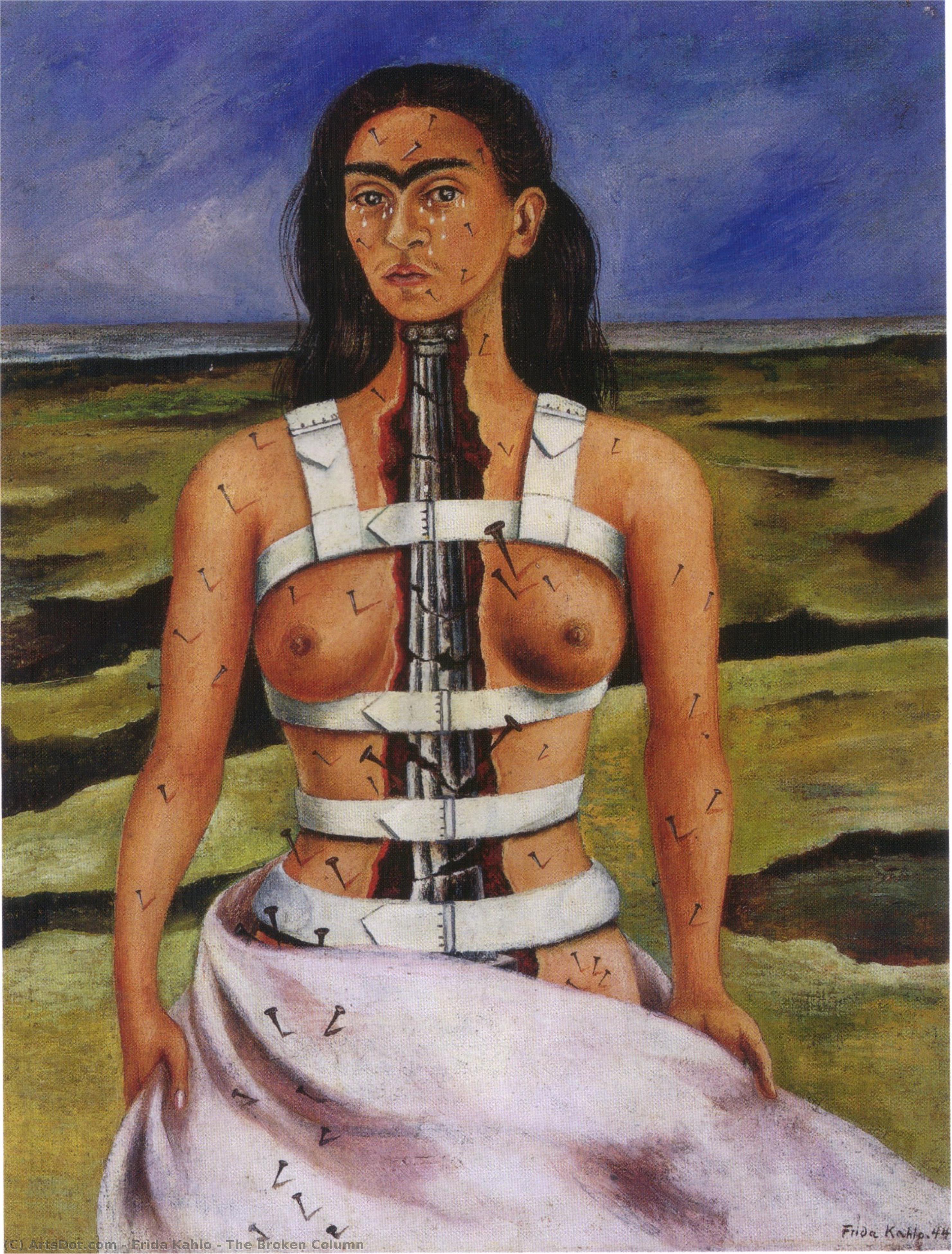
統計情報The Broken Column
 Acrylic On Canvas
- WallArt
- Surrealism
 1944
1944- Modern
 43.0 x 33.0 cm
 Museo Dolores Olmedo
 続きを読む
続きを読む
ジークレー/アートプリント
スピーディーな制作と多彩な仕上げオプションが魅力の、ミュージアムクオリティなジークレー・キャンバスプリント。 ( 手描きの複製画を注文する デジタル画像販売へ切り替え)




P118B ¥10

P118H ¥10

P118W ¥10

P438Z ¥10

P508JH ¥12

P508YH ¥12

P805H ¥10

P805Z ¥10

P919BZ ¥10

P919G ¥10

P919XJ ¥10

P959ZH ¥10

P968JZ ¥12

W106C ¥8

W218G ¥10

W218JH ¥8

W218Y ¥10

W307PJ ¥10

W316G ¥10

W316PJ ¥8

W316Y ¥10

W398PJ ¥8

W4111J ¥10

W500HY ¥15

W500JH ¥15

W692G ¥12

W849H ¥8

W940BG ¥15

W953PJ ¥8




作品のオリジナル比率に合わせた、当店の規定サイズからお選びください。

額縁や壁のスペースに合わせて、ご希望の幅と高さを入力してください。プリントはカットすることは可能ですが、元の画像より大きくすることはできないため、異なる比率のサイズを選択された場合は、画像の一部が欠けることになります。印刷を開始する前に、内容を確認していただくためのデジタルモックアップをお送りいたします。このページに表示されている画像は、実際のカット後の状態を示すものではありません。実際の仕上がりはモックアップにてご確認ください。


 ガラスオプションは、110cm未満のサイズでのみご利用いただけます。

The Broken Column
ジークレー/アートプリント
複製画サイズ一覧
-


合計金額
¥ 12591
Frida Kahlo’s “The Broken Column”: Resilience Amidst Painful Beauty
Frida Kahlo’s “The Broken Column,” painted in 1944, stands as one of her most poignant explorations of suffering and identity—a visual testament to the indelible mark that trauma leaves upon the human spirit. More than just a depiction of physical pain, it's a profound meditation on resilience, vulnerability, and the transformative power of art itself.
- Subject Matter: The painting portrays a woman in repose, positioned against a stark landscape reminiscent of the arid deserts of Mexico. Her gaze is unwavering, confronting the viewer with an unsettling serenity that belies the immense pain she embodies.
- Style & Technique: Kahlo’s signature primitivism shines through—bold colors juxtaposed with simplified forms convey raw emotion without resorting to elaborate ornamentation. The painting utilizes masonite as its substrate, lending it a textural quality that enhances the sense of immediacy and vulnerability. Thick brushstrokes dominate the composition, creating palpable physicality and emphasizing the artist's deliberate control over materiality.
- Historical Context: Created shortly after Kahlo underwent surgery to correct spinal damage sustained in her infamous bus accident—a pivotal event shaping her life’s trajectory—the artwork reflects the pervasive influence of Surrealism on Mexican art during that period. It aligns with Kahlo's broader preoccupation with themes of mortality, femininity, and psychological introspection.
Symbolism: At the heart of “The Broken Column” lies a powerful visual metaphor—a fractured column representing Kahlo’s spine, symbolizing not only her physical ailment but also the shattering impact of trauma on one's inner core. The nails piercing her torso and face serve as reminders of countless surgeries and treatments undertaken in pursuit of healing—yet they simultaneously underscore the inescapable presence of pain.
The woman’s corset symbolizes the constraints imposed by illness and societal expectations, highlighting Kahlo’s determination to maintain dignity and strength despite physical limitations. Two clocks – one on the left side and another at the bottom right corner – subtly reinforce the theme of time passing relentlessly, mirroring Kahlo's struggle against adversity and her unwavering commitment to artistic expression.
Emotional Impact: “The Broken Column” transcends mere representation; it communicates a visceral experience of anguish—a confrontation with vulnerability and an assertion of defiant beauty. Kahlo’s gaze is serene yet resolute, conveying a profound understanding of suffering while simultaneously inviting the viewer into her world of introspection. The painting's enduring power resides in its ability to evoke empathy and admiration for Kahlo’s unwavering spirit.
Location: This masterpiece resides at Museo Dolores Olmedo in Mexico City—a testament to Kahlo’s legacy as a celebrated artist and cultural icon. Visiting the museum offers an opportunity to immerse oneself in her artistic universe and contemplate the profound themes explored within “The Broken Column.”
- Further Exploration: For those interested in delving deeper into Frida Kahlo's oeuvre, reproductions of “Self-Portrait on the Borderline Between Mexico and Beyond” and “Thinking About Death” are available at Museo Dolores Olmedo.
To experience "The Broken Column" firsthand, explore The Broken Column and Portrait of Lady Cristina Hasting on OriginalUniqueArt. Additionally, the museum’s collection can be found at Museo Dolores Olmedo.
よくあるご質問
「The Broken Column」は、どのような色調に寄っていますか?
「The Broken Column」はAmber to Saffronの色調が際立っています。
フリーダ・カーロ作「The Broken Column」をインテリアとしてどのように活用できますか?
フリーダ・カーロ作「The Broken Column」はAccentに最適で、Living Roomに飾るのが特におすすめです。用途と空間の組み合わせによって、複製画を飾るのにふさわしい場所をご提案します。
フリーダ・カーロ作「The Broken Column」のX線画像を見ることはできますか?
フリーダ・カーロ作「The Broken Column」のX線解析ページは、X線写真のような表示を含む、作品画像の11層にわたる光学レイヤーをスライドして閲覧できるインタラクティブ・ビューアです。
アーティストについて
激動の人生と魂を映す絵画:フリーダ・カーロ
フリーダ・カーロ。メキシコの美術史において、そして世界中の人々の心に深く刻まれたその名は、単なる画家という枠を超え、苦難を乗り越え、自己を表現し続けた一人の女性の象徴として輝いている。1907年、メキシコシティ郊外のコヨアカンで生まれたフリーダは、幼少期から病と事故に見舞われながらも、その経験を糧に独自の芸術世界を築き上げていった。父ウィルヘルム・カーロが撮影した写真や、母マティルデ・カルデロン・イ・ゴンサレスとの愛情深い関係は、彼女の人生における重要な支柱となった。しかし、6歳でのポリオ罹患、そして18歳という若さで経験した自動車事故は、その後の人生を大きく左右することとなる。事故による重傷は、彼女に生涯にわたる身体的な苦痛と医療行為をもたらしたが、同時に絵を描くことへの情熱を燃え上がらせたのだ。「私はしばしば孤独だから、自分自身を描く。」フリーダの言葉が示すように、自画像は彼女の作品の中心であり、その魂の奥底を見つめ、自己の内面を探求する手段となった。メキシコ文化と苦悩を織り交ぜた芸術
フリーダの絵画は、メキシコの伝統的な民俗文化から大きな影響を受けている。鮮やかな色彩、象徴的なモチーフ、そして力強い表現力は、彼女の作品を特徴づける要素だ。1929年に結婚したディエゴ・リベラとの激しい愛と別れ、数回の流産や手術といった個人的な苦悩もまた、彼女の芸術に深く反映されている。特に自画像においては、身体的な痛みや精神的な葛藤を率直かつ大胆に表現しており、その真摯な姿勢は見る者の心を強く揺さぶる。- 「棘のネックレスとハチドリ」では、肉体的苦痛を象徴する茨のネックレスが、希望を象徴するハチドリとの対比によって描かれ、複雑な感情が表現されている。
- 「断片化された柱」は、事故による脊椎損傷を直接的に表し、身体的な苦痛と精神的な強さを同時に伝えている。
ディエゴ・リベラとの愛と芸術的影響
フリーダとディエゴの関係は、メキシコ美術界における一大ロマンスとして知られている。二人は互いに才能を認め合い、刺激しあいながら、芸術家としての道を歩み続けた。1929年の結婚から、その後の数十年間にわたって、二人の関係は愛と憎しみ、信頼と裏切りが入り混じった複雑なものであった。ディエゴの浮気や政治的な活動への関与は、フリーダに大きな苦痛を与えたが、同時に彼女の芸術的成長を促す原動力にもなった。ディエゴは、フリーダの作品に対する批評眼を持ち、彼女の才能を積極的に後押しした。また、メキシコ革命後のナショナリズムの高まりの中で、ディエゴが推進するメキシコ文化への回帰も、フリーダの芸術に影響を与えたと考えられる。1930年代には、ディエゴと共にアメリカ合衆国を訪れ、そこで経験した異文化との出会いもまた、彼女の作品に新たな視点をもたらした。世界的な評価と現代への遺産
フリーダ・カーロは生前、メキシコ国内では一定の評価を受けていたものの、国際的にはそれほど知られていなかった。しかし、1970年代以降、フェミニズム運動の高まりとともに、彼女の作品は世界中で再評価され、その芸術的価値と社会的意義が広く認識されるようになった。1983年にヘイデン・ヘラーによって書かれた伝記は、フリーダの人生と芸術をより多くの人々に知らしめ、彼女をアイコンとして確立させた。今日、フリーダ・カーロは、メキシコを代表するアーティストの一人としてだけでなく、女性の自己表現、苦難からの再生、そして文化的なアイデンティティの探求という普遍的なテーマを体現する存在として、世界中の人々から愛され、尊敬されている。彼女の作品は、今もなお、私たちに勇気と希望を与え続けている。コヨアカンにある青い家(ラ・カーサ・アズール)は、フリーダの生家であり、現在では博物館として一般公開されており、多くの人々が訪れてその芸術と人生に触れている。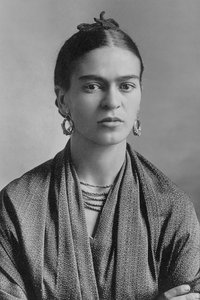
フリーダ・カーロ
1907 - 1954 , メキシコ
アーティスト情報
- フルネーム: マグダレナ・カルメン・フリーダ・カーロ・イ・カルデロン
- 主な作品:
- 二重のフリーダ
- 茨のネックレスとハチドリの自画像
- 壊れた柱
- ヘンリー・フォード病院
- 出生地: コヨアカン、メキシコシティ、メキシコ
- 国籍: メキシコ人
- 影響を与えたアーティストまたは運動:
- キアノ美術
- フェミニストアーティスト
- 影響を受けたアーティスト:
- メキシコ民芸家
- ヨーロッパのルネサンス画家
- 死亡年月日: 1954年7月13日
- 生年月日: 1907年7月6日
- 芸術運動またはスタイル: シュルレアリスム、フォークアート
関連記事
Unveiling Frida Kahlo: A Journey Through Her Most Iconic Masterpieces and the Soul of Mexican Surrealism
Embark on a profound journey through Frida Kahlo's most iconic masterpieces. Discover the deep symbolism, Mexican heritage, and resilient spirit behind her legendary works in this expert art-historical exploration designed for true art enthusiasts.
Frida Kahlo: A Life Painted – Surrealism, Identity & Autobiographical Narrative
Explore the life & art of Frida Kahlo – a journey through surrealism, identity, pain, and resilience. Discover her autobiographical masterpieces & lasting feminist legacy with OriginalUniqueArt.

至高の芸術:シュルレアリスムを象徴する10選 - 鑑賞と空間演出への誘い
ダリ、マグリット…シュルレアリスムを代表する10選を紐解く。夢と無意識の世界へ誘う傑作の裏側を徹底解説。空間に彩りを添える、至高のアートプリントを見つけませんか?OriginalUniqueArt.comでコレクションを探索しよう。
Revolution on Canvas: Exploring the Socio-Political Power & Artistic Legacy of Mexican Muralism
Explore the powerful world of Mexican muralism! Discover Diego Rivera, Frida Kahlo & Orozco's revolutionary art, social impact & lasting legacy. Expert insights & high-quality reproductions at OriginalUniqueArt.
Vibrant Colors & Deep Soul: A Journey Through the Emotional Landscapes of Iconic Mexican Art
Embark on a visual journey through the vibrant colors and profound symbolism of iconic Mexican art. Explore the emotional depth of Frida Kahlo and other masters through our expert cultural analysis and premium hand-painted reproductions.


