
 プレビュー
プレビュー
 シェアする
シェアする シェアする
シェアする
 詳細を見る
詳細を見る

 ダウンロード
 似ている作品
 X線調査
X線調査 スライドショー
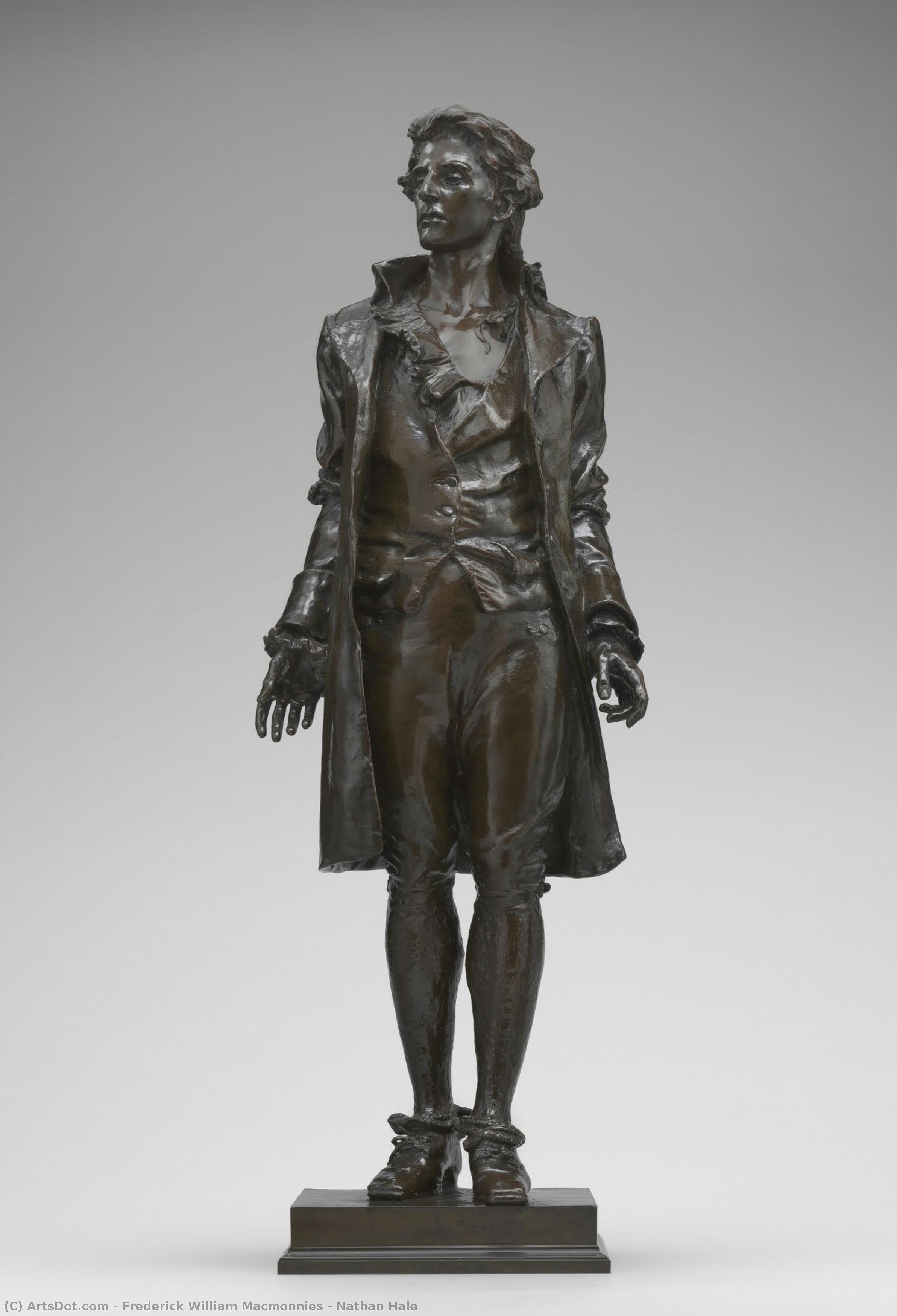
Nathan Hale

 詳細を見る
詳細を見る
ジークレー/アートプリント
迅速な制作と多彩な仕上げオプションを備えた、ミュージアムクオリティのジークレーまたはキャンバスプリント。 ( 手描きの絵画を購入 画像を購入)




































作品のオリジナル比率に合わせた、当店の規定サイズからお選びください。

特定のフレームやスペースに合わせて、ご自身でサイズを指定することも可能です。選択されたサイズが元の画像の比率と一致しない場合、作品をトリミングするか、鏡面反射または単色での塗りつぶしによって画像を拡張いたします。制作を開始する前に、ご確認用のデジタルモックアップをお送りいたします。
画面上のプレビューには、実際のトリミングや拡張は反映されませんのでご注意ください。最終的な構図を正確に確認できるのは、モックアップのみとなります。
カスタムサイズも承っておりますが、元の比率を維持するためには、あらかじめ用意されたリストからサイズを選択することをお勧めいたします。


 ガラスオプションは、110cm未満のサイズでのみご利用いただけます。

Nathan Hale
ジークレー/アートプリント
複製画のサイズ
-


合計金額
$ 80
作品詳細説明
アーティストの略歴
Frederick William MacMonnies: The Sculptor Who Bridged Tradition and Innovation
Frederick William MacMonnies (1863 – 1937) stands as a pivotal figure in American Beaux-Arts sculpture, embodying the ambition of his era to synthesize classical ideals with modern sensibilities. Born in Brooklyn Heights, New York, he possessed an uncommon blend of artistic talent—a mastery of both sculpture and painting—establishing him as one of the most prolific and celebrated expatriate sculptors of his generation. His career unfolded against a backdrop of burgeoning industrialization and transatlantic cultural exchange, shaping his artistic vision and cementing his place in art history.Early Influences & Artistic Training
MacMonnies’ formative years were marked by exposure to influential mentors like Augustus Saint-Gaudens, whose studio became a crucible for developing sculptural technique and fostering enduring friendships. Saint-Gaudens' unwavering belief in the transformative power of sculpture propelled MacMonnie’s artistic journey, beginning with an apprenticeship that instilled foundational principles of form and materiality. Supplemented by rigorous study at night academies and the Art Students League, he honed his skills alongside fellow artists destined for prominence—most notably Stanford White, who enlisted Saint-Gaudens' expertise for monumental commissions. This collaborative spirit would characterize much of MacMonnies’ subsequent artistic endeavors.Parisian Engagement & Artistic Recognition
Driven by a fervent desire to refine his craft and immerse himself in the European artistic landscape, MacMonnie embarked on a transformative voyage to Paris in 1884. There, he enrolled at the École des Beaux-Arts, securing the highest honor awarded to foreign students—a testament to his dedication and burgeoning talent. The Parisian Salon served as a crucial platform for showcasing his work annually, attracting considerable acclaim and establishing him as a respected voice within the artistic community. He mentored promising artists like Janet Scudder and Mary Foote, nurturing the next generation of sculptors while simultaneously cultivating his own distinctive style. Furthermore, he taught at Académie Vitti, disseminating knowledge and inspiring future generations of creatives.Notable Sculptures & Artistic Style
MacMonnie’s sculptural output is characterized by a remarkable versatility—ranging from monumental public commissions to intimate portraits capturing the essence of human emotion. Among his most enduring achievements are Nathan Hale (1890), commemorating the American Revolutionary War hero and embodying stoicism and patriotism; Diana (circa 1893), a graceful depiction of the Roman goddess reflecting classical beauty and dynamism; and Infant Faun (1894), conveying innocence and pastoral charm. These sculptures exemplify MacMonnie’s masterful command of bronze casting techniques—a medium he embraced wholeheartedly, recognizing its ability to convey both strength and subtlety. Copies of his works are found in museums across America, demonstrating the lasting impact of his artistic vision.Legacy & Historical Significance
Frederick William MacMonnies' contribution to American sculpture transcends mere aesthetic achievement; he championed accessibility through reproductions, ensuring that his masterpieces reached a wider audience. His influence extended beyond his own lifetime, inspiring subsequent sculptors and shaping the trajectory of Beaux-Arts art in America. He remains an exemplar of artistic ambition coupled with intellectual curiosity—a sculptor who successfully navigated the complexities of his time while forging an indelible mark on the canon of Western art.
frederick william macmonnies
1863 - 1937
基本情報
- Artistic Movement Or Style: Beaux-Arts
- Artists Or Movements Influenced By This Artist: Neoclassicism
- Artists Who Influenced This Artist: Augustus Saint-gaudens
- Date Of Birth: 1863
- Date Of Death: 1937
- Full Name: Frederick William MacMonnies
- Nationality: American
- Notable Artworks:
- Diana
- Nathan Hale
- Place Of Birth: Brooklyn Heights, Brooklyn

