Academic Art · 1915
Kit Carson (Frederick William Macmonnies, 1915)
Frederick William Macmonnies (1863–1937)による作品『Kit Carson』 制作年は1915年です。 Academic Art運動に属しています。 Bronzeで制作されています。 オイスターベイ, アメリカ合衆国のサガモア・ヒル国立史跡に所蔵されています。
- 1915
- Bronze
- サガモア・ヒル国立史跡, オイスターベイ

 手描き油彩画
 シェアする
 シェアする
 解説シート


 ダウンロード
 似ている作品
 スライドショーを表示
 Q&A

 統計情報
Kit Carsonの概要
- 作品名
- Kit Carson
- 作家
- Frederick William Macmonnies (1863–1937)
- 生年
- Brooklyn Heights, United States
- 制作年
- 1915
- 技法
- Bronze
- 展示場所
- サガモア・ヒル国立史跡, オイスターベイ, アメリカ合衆国
- 制作年代
- 19th Century
- 主題
- man, horse, rifle, rock, foliage, bronze
Kit Carsonには何が描かれていますか?
The Depiction of Kit Carson by Macmonnies
In this bronze work, Frederick William Macmonnies captures Kit Carson on horseback. The sculpture portrays the frontiersman as a significant figure from American history, presented in a moment of action. It was unveiled in 1911 as a large public sculpture celebrating the pioneers of the American Old West. Macmonnies, a sculptor known for his ability to imbue bronze with a sense of vitality, focuses here on the physical presence of the rider and his mount.
The subject, Kit Carson, is depicted with a sense of determination. He sits poised upon the horse, his form integrated into the rugged landscape of the base. This piece reflects the artist's interest in capturing the essence of movement and the spirit of the American frontier. By focusing on the tension within the figure, Macmonnies provides a study of a man defined by the landscape he navigated.
Composition and Visual Elements of the Sculpture
The composition is inherently dynamic, capturing a fleeting moment of action. The rider is poised with a focused intensity, appearing as if he is in the very act of aiming a rifle. This sense of movement is anchored by an elaborate base, where sculpted rocks and foliage provide a rugged foundation for the scene. The perspective is slightly low, looking up at the statue to lend the figure an imposing presence.
Visual rhythm is achieved through a careful balance of lines. Strong, defined lines delineate the musculature of both the horse and the rider, emphasizing the physical tension of the moment. These angular elements contrast with the curved lines that define the contours of the horse's body and the flowing mane. Depth is achieved through the use of overlapping forms, such as the rider positioned in front of the horse’s head, which creates a sense of three-dimensional space within the bronze.
Technique and Materials of the Bronze Work
The sculpture is cast in bronze, a choice that allows for the intricate rendering of the rider and his mount. The execution suggests the use of the lost-wax casting method, or cire perdue, which has enabled the artist to capture fine details within the musculature and the folds of the clothing. This technique provides a level of precision necessary for such a dynamic, active pose.
The surface of the bronze is not perfectly smooth; instead, it possesses a granular quality. This texture lends a sense of realism to the piece, mimicking the ruggedness of the frontier setting. The color palette remains quiet, dominated by muted tones of brown and grey. These hues shift subtly where light meets the metal, creating highlights and shadows that emphasize the three-dimensional form of the horse and rider.
The work rests upon an elaborate base composed of sculpted rocks and foliage. While the sculpture itself is bronze, the base is likely fashioned from stone or plaster to provide a stable, grounded foundation for the equestrian figure. The interplay between the heavy, textured base and the detailed bronze figure creates a sense of weight and presence.
Related Works by Frederick William Macmonnies
To understand the breadth of Macmonnies's sculptural language, one might look toward his earlier explorations of form and movement. His ability to capture a sense of rhythmic vitality is evident in works such as Bacchante and Infant Faun and his depiction of Diana. These pieces demonstrate a particular sensitivity to the human figure in motion, a quality that defined much of his celebrated output during the Beaux-Arts era. He possessed a rare capacity to imbue bronze and marble with a sense of breath, moving beyond static representation to capture fleeting gestures.
His reach extended from intimate mythological studies to significant civic commissions. He designed the Pan fountain sculpture for Rohallion in New Jersey, a work that reflects his ability to integrate sculpture into functional, decorative environments. This skill for public engagement is further seen in the colossal group Civic Virtue, a fountain created for New York City Hall. Such large-scale projects required a mastery of both monumental scale and intricate detail, balancing the requirements of urban architecture with a refined aesthetic sensibility.
The artist also achieved significant recognition through his portraiture and historical depictions. His 8' tall Nathan Hale statue remains a notable example of his ability to imbue historical figures with profound dignity. Through these diverse subjects—from the mythological to the patriotic—Macmonnies established a presence that bridged classical traditions with a modern, energetic approach to the medium of bronze.
Kit Carsonは、どの美術館に所蔵されていますか?
サガモア・ヒル国立史跡
オイスターベイ, アメリカ合衆国
政治家たちの聖域:サガモア・ヒルを訪ねて サガモア・ヒル国立史跡は、単なる邸宅ではありません。それはアメリカのリーダーシップが紡いできた没入感あふれる年代記であり、アメリカ史上最も影響力を持った大統領の一人が、その人格を形成していった年月へと私たちを繋ぐ、形ある絆なのです。ロングアイランドの息を呑むような絶景――緩やかに波打つ芝生、囁くような松林、そして遠くに垣間見える大西洋の断片が織りなすタペストリー――に抱かれた83エーカーの敷地内に、この「シングル・スタイル」の豪邸は佇んでいます。それは、セオドア・ルーズベルトの絶え間ない情熱と、国家に与えた深い足跡を物語る記念碑といえるでしょう。サガモア・ヒルは単なる住居を超え、個人的な安息の地であり、外交の舞台であり、そして究極的には、20世紀を形作った一人の男の魂を覗き見る窓としての、複雑な物語を体現しています。隠れ家のような静寂と、外界へのアクセスの良さを兼ね備えたこの戦略的な立地は、国家の重要人物であり続けながらも、地域社会に深く根ざした市民でありたいと願ったルーズベルトの志を雄弁に語っています。 この建築そのものが、サガモア・ヒルの物語における重要な要素となっています。名高い設計事務所ラム&リッチの手によるこの邸宅は、周囲の環境との調和を優先したクイーン・アン様式のアメリカ的適応である「シングル・スタイル」の典型を示しています。1885年に完成した、板葺きのシングル材に覆われた非対称なファサードは、控えめな優雅さと自然界との繋がりを即座に想起させます。ルーズベルトがこの建築様式をあえて選んだのは、決して偶然ではありませんでした。真のリーダーシップには強さと謙虚さの両方が必要であるという彼の信念が、邸宅のデザインの中に鏡のように反映されているのです。室内に光を溢れさせる広大な窓は、開放的な空気感を生み出し、思索へと誘います。また、細部まで手入れされた庭園は、活気に満たされた生態系の中に身を置いているような感覚を強めてくれます。この建物の驚くべき保存状態は、当時の建築家たちの卓越した技術と、控えめながらもエレガントなデザインが持つ不変の魅力を証明しています。 収集家の年代記:内に秘められた至宝 サガモア・ヒルの内部へと足を踏み入れることは、丁寧に編纂された自伝の中を歩むことに似ています。邸宅内で最も象徴的な空間である「ノース・ルーム」は、その圧倒的な品々の数々に、訪れる者を瞬時に圧倒します。ルーズベルトの伝説的な狩猟遠征の戦利品(特に見事なヘラジカの頭部は圧巻です)、大統領および外交官としての在任中に世界の指導者たちから贈られた品々、そして彼の旺盛な知性を反映した驚くべき数の蔵書。これらは単なる所有物ではありませんでした。知識、冒険、そして影響力を飽くなきまでに追求し続けたルーズベルトの姿を、形として留めるための証なのです。ノース・ルームの先には、細心の注意を払って保存された文書や写真、個人的な書簡を通じて、ルーズベルトの政治キャリアを辿ることができます。「大統領記念品」セクションでは、手書きの立法草案から歴史の転換点を詳細に記した電報に至るまで、彼のリーダーシップの核心に触れる切実な瞬間を垣間見ることができます。このコレクションは決して静止したものではなく、かつて交わされた会話、下された決断、そして戦い抜いた闘争の残響とともに、今も息づいているのです。 しかし、サガモア・ヒルのコレクションは政治的な側面に留まりません。エディス・ルーズベルトの影響は、邸宅の随所に繊細に織り込まれています。誇らしげに展示された彼女の精緻な刺繍や、洗練された美意識を感じさせる丁寧に整えられたフラワーアレンジメントがその証です。また、この壁の中でセオドアとエディスの5人の子供のうち3人が誕生したという家族の私的な生活は、物語に親密な層を加え、公的なペルソナによってしばしば覆い隠されてしまうルーズベルトの人間味あふれる側面を明らかにしています。部屋の隅に置かれた子供のおもちゃや、愛する人からの手書きの手紙といった細かなディテールが、大統領を血の通った一人の人間として描き出し、夫であり、父であり、そして友人であった男の人生を私たちに見せてくれるのです。 外交の舞台:和平交渉と世界への影響力 サガモア・ヒルの重要性は、私邸としての役割を遥かに超越しています。セオドア・ルーズベルトの大統領時代、ここは「夏季ホワイトハウス」として機能し、数多くの要人を迎え入れ、国際関係の行方を左右しました。おそらく最も有名なのは、1905年に日露戦争の終結へと導いた極めて重要な和平交渉がここで行われたことです。この出来事により、ルーズベルトはノーベル平和賞を受賞しました。交渉が行われたまさにその部屋には、歴史の重みが肌に感じられるほど漂っており、この控えめなロングアイランドの邸宅に託された重大な責任と決断の重さを、訪れる者に思い起こさせます。敷地内の庭園もまた、美しさと安全性の両立を図るために細心の注意を払って造園されており、これは美学と実用性の双方を重んじたルーズベルトの姿勢を反映しています。ロングアイランドという戦略的な立地は、外交交渉のための控えめながらもアクセスしやすい環境を提供し、ルーズベルトがワシントンD.C.との繋がりを維持しながら、プライバシーを保つことを可能にしたのです。 過去の残響:建築と遺産 1905年にラム&リッチによって設計されたノース・ルームの増築は、サガモア・ヒルの規模を劇的に拡大させると同時に、進化し続けるルーズベルトの嗜好と、歴史的遺産を保存しようとする彼の献身を反映していました。この拡張は建物の面積を増やしただけでなく、拡大し続ける彼のコレクションを披露する場ともなりました。シングル・スタイルの建築は驚くほど完全な形で残されており、これは当時の建設者の技術と、控えめながらも優雅なデザインが持つ永続的な魅力を物語っています。その建築的意義を超えて、サガンダ・ヒルはアメリカ史における極めて重要な一章を象徴しています。それは、進歩的な改革、自然保護の取り組み、そして世界舞台における米国の役割拡大によって定義される時代です。1962年に国立史跡に指定されたことで、邸宅の物理的な構造だけでなく、その壁の中に宿る豊かな遺産が次世代へと守り伝えられることとなりました。今日、サガモア・ヒルは、リーダーシップ、外交、そしてアメリカ精神の不朽の力について、私たちに深い思索を促し続けています。


Kit Carsonの高解像度画像

Frederick William Macmonnies, Kit Carson (1915), サガモア・ヒル国立史跡. パブリックドメイン
Kit Carsonに関するよくあるご質問
「Kit Carson」の原画は、どの美術館に収蔵されていますか?
原画の「Kit Carson」はサガモア・ヒル国立史跡, オイスターベイ, アメリカ合衆国にてご覧いただけます。
Frederick William Macmonnies作「Kit Carson」の制作時期はいつですか?
Frederick William Macmonnies作「Kit Carson」は1915年に制作されました。
Frederick William Macmonnies作「Kit Carson」にはどのような技法が用いられていますか?
Frederick William Macmonnies作「Kit Carson」の技法はBronzeです。複製画は、この技法の質感や風合いを再現することを目指しています。
Frederick William Macmonnies作「Kit Carson」にはどのような主題が描かれていますか?
Frederick William Macmonnies作「Kit Carson」の描画内容:man, horse, rifle, rock, foliage, bronze, hat
Frederick William Macmonnies作「Kit Carson」はパブリックドメインですか?
Frederick William Macmonnies作「Kit Carson」はパブリックドメイン(著作権消滅)です。このステータスは、作品画像の複製に関する規定を定めたものです。
「Kit Carson」の作者は誰ですか?
「Kit Carson」の作者はFrederick William Macmonniesです。この作品はFrederick William Macmonniesの名でカタログに登録されています。
「Kit Carson」はどの様式に属していますか?
Frederick William Macmonnies作「Kit Carson」はAcademic Artに属しています。このムーブメントは、本作の様式的な背景を形作るものです。
「Kit Carson」は、Frederick William Macmonniesの画業におけるどの時期の作品にあたりますか?
「Kit Carson」は、Frederick William MacmonniesのMature Periodを象徴する作品です。
Frederick William Macmonniesは何歳の時に「Kit Carson」を制作しましたか?
1915年に「Kit Carson」が制作された際、1863年生まれのFrederick William Macmonniesは52歳でした。
アーティスト Frederick William Macmonnies について

1863–1937, United States
Frederick William Macmonnies
The Sculptor of Light and Bronze: The Life of Frederick William MacMonnies In the vibrant intersection of American ambition and European refinement, the name Frederick William MacMonnies resonates as a symbol of the Beaux-Arts era. Born in Brooklyn Heights in 1863, MacMonnies was a child prodigy of stone carving, possessing an innate ability to breathe life into cold medium from a remarkably young age. His journey was not merely one of personal growth but a transatlantic odyssey that would eventually see him become the most celebrated expatriate sculptor of his generation. He possessed a rare, dual mastery over both the fluid strokes of painting and the structural permanence of sculpture, allowing him to approach form with a unique sensitivity to light and movement that few of his contemporaries could replicate.
Frederick William Macmonniesについて Frederick William Macmonniesの代表作
Frederick William Macmonniesのその他の作品
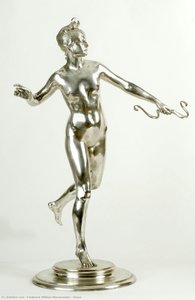 Diana1890
 Young Chevalier1898
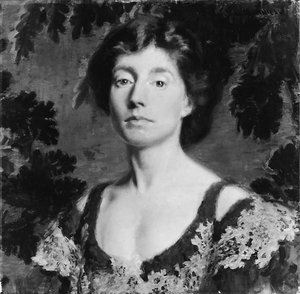 May Suydam Palmer1903
 Stephen S. Palmer, Trustee 1908-1913, Donor of Palmer Hall (1853-1913)1915

Kit Carsonに関するエッセイ
 American artworks of the 1900sIconic American works by Winslow Homer and Frederic Remington define this era. Explore the full collection online at OriginalUniqueArt.com.
 Capturing Motion: The Timeless Beauty of Sir Alfred James Munnings' Equestrian MasterpiecesDiscover the breathtaking equestrian mastery of Sir Alfred James Munnings. Explore an art-history journey through his impressionistic captu…
 American artworks of the 1910s1910s American art by Childe Hassam, George Bellows, and Robert Henri. View the complete collection of iconic US works online at OriginalUn…