

 設置イメージを確認
 送る
送る シェア
シェア
 詳細情報
詳細情報 ガイドを表示

 画像をダウンロード
 似ている作品
 X線調査
X線調査 スライドショー
 統計情報
統計情報Landscape
 Oil On Canvas
- WallArt
- British Landscape Painting
 96.0 x 146.0 cm
 ザ・ヘップワース・ウェイクフィールド
 続きを読む
続きを読む
ジークレー/アートプリント
スピーディーな制作と多彩な仕上げオプションが魅力の、ミュージアムクオリティなジークレー・キャンバスプリント。 ( 手描きの複製画を注文する デジタル画像販売へ切り替え)




P118B ¥10

P118H ¥10

P118W ¥10

P438Z ¥10

P508JH ¥12

P508YH ¥12

P805H ¥10

P805Z ¥10

P919BZ ¥10

P919G ¥10

P919XJ ¥10

P959ZH ¥10

P968JZ ¥12

W106C ¥8

W218G ¥10

W218JH ¥8

W218Y ¥10

W307PJ ¥10

W316G ¥10

W316PJ ¥8

W316Y ¥10

W398PJ ¥8

W4111J ¥10

W500HY ¥15

W500JH ¥15

W692G ¥12

W849H ¥8

W940BG ¥15

W953PJ ¥8




作品のオリジナル比率に合わせた、当店の規定サイズからお選びください。

額縁や壁のスペースに合わせて、ご希望の幅と高さを入力してください。プリントはカットすることは可能ですが、元の画像より大きくすることはできないため、異なる比率のサイズを選択された場合は、画像の一部が欠けることになります。印刷を開始する前に、内容を確認していただくためのデジタルモックアップをお送りいたします。このページに表示されている画像は、実際のカット後の状態を示すものではありません。実際の仕上がりはモックアップにてご確認ください。


 ガラスオプションは、110cm未満のサイズでのみご利用いただけます。

Landscape
ジークレー/アートプリント
複製画サイズ一覧
-


合計金額
¥ 12650
A Window on the English Countryside: Frederick Waters Watts’ “Landscape”
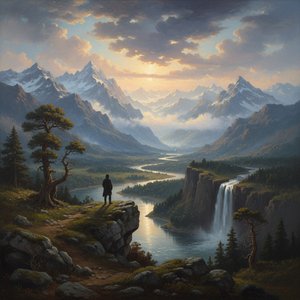
Frederick Waters Watts' "Landscape," a captivating oil painting from around 1860, isn’t merely a depiction of a rural scene; it’s an invitation into a meticulously rendered world brimming with quiet observation and a profound connection to the English countryside. The piece immediately draws the viewer in with its harmonious palette – a symphony of greens, blues, and browns that evoke the serenity of a late summer afternoon. It's a landscape steeped in Constablean influence, prioritizing atmospheric perspective and a subtle, almost melancholic beauty over dramatic grandeur.
The composition itself is deceptively simple yet remarkably effective. A meandering river dominates the midground, its waters reflecting the sky above with an ethereal quality. A dirt path, barely discernible, leads the eye into the distance, hinting at journeys and possibilities. Scattered amongst the trees are a few figures – likely farmers or laborers – engaged in quiet activities, their presence adding a touch of human scale to the vastness of the scene without disrupting the overall sense of tranquility. The rolling hills in the background, painted with delicate brushstrokes, fade into a hazy blue, creating an illusion of depth and distance that is characteristic of Watts’ style.
The Painter's Hand: Technique and Style
Watts was deeply influenced by John Constable, and this influence is readily apparent in "Landscape." He masterfully employed *plein air* painting techniques – working directly from nature – to capture the fleeting effects of light and atmosphere. Notice the subtle variations in color across the foliage, the way shadows fall on the ground, and the delicate rendering of water surfaces. The brushwork is loose yet controlled, creating a sense of movement and texture that brings the landscape to life. The artist’s attention to detail is remarkable; individual leaves are suggested rather than meticulously rendered, allowing the eye to fill in the gaps and contributing to the painting's overall impressionistic quality.
Furthermore, Watts skillfully utilized atmospheric perspective – *sfumato* – to create a sense of depth. Objects further away appear paler and less distinct, while those closer are richer in color and detail. This technique is particularly evident in the distant hills, which seem to dissolve into the hazy blue sky. The use of muted tones and subtle gradations of color contributes significantly to the painting’s overall mood of quiet contemplation.
A Victorian Vision: Historical Context
"Landscape" reflects the artistic sensibilities of the mid-19th century – a period when landscape painting was experiencing a resurgence in popularity. Following the Romantic movement, artists began to turn their attention to the beauty and sublimity of nature, seeking solace and inspiration in the countryside. Watts’ work aligns with this trend, capturing the idealized vision of rural England that was so prevalent during the Victorian era.
The painting also speaks to a broader cultural shift – a growing appreciation for the natural world and a desire to escape the pressures of urban life. The Victorian period witnessed significant industrialization and urbanization, leading many people to seek refuge in the countryside. Landscape art provided a means of reconnecting with nature and celebrating its enduring beauty. Watts’ painting embodies this sentiment, offering a glimpse into a simpler, more harmonious way of life.
Symbolism and Emotional Resonance
Beyond its technical merits, “Landscape” is imbued with subtle symbolism. The meandering river can be interpreted as a metaphor for the passage of time, while the figures in the foreground represent humanity’s connection to the land. The overall mood of the painting – serene, contemplative, and slightly melancholic – reflects the Victorian fascination with mortality and the fleeting nature of beauty. It's not simply a pretty picture; it invites reflection on our relationship with the natural world and our place within it.
The painting’s enduring appeal lies in its ability to evoke a sense of nostalgia for a bygone era – a time when life moved at a slower pace and people were more attuned to the rhythms of nature. “Landscape” is a testament to Watts' skill as an artist and his profound understanding of the English countryside, offering viewers a moment of respite from the complexities of modern life.
よくあるご質問
「Landscape」は、全体的に明るい印象ですか、それとも暗い印象ですか?
フレデリック・ウォーターズ・Watts作「Landscape」の明るさはbright、輝度はGentle Luminanceと記録されています。
フレデリック・ウォーターズ・Watts作「Landscape」の色調は、鮮やかですか、それとも落ち着いていますか?
フレデリック・ウォーターズ・Watts作「Landscape」は、彩度Balanced Softで記録されています。
「Landscape」はどのような作品ですか?
「Landscape」は、WallArtの作品です。
アーティストについて
英国の田園風景が描くヴィジョン:フレデリック・ウォーターズ・ワッツの生涯と遺産
ヴィクトリア朝美術の歴史において、フレデリック・ウォーターズ・ワッツほど、英国の田園地帯が持つ静謐で息づくような本質を呼び起こす名は他に類を見ません。1800年、歴史ある街バースに生まれたワッツは、19世紀初頭の力強い自然主義と、ヴィクトリア朝後期の洗練された審美主義を深く結びつける架けな役を果たす画家として登場しました。彼の出自や正確な没年といった伝記的な詳細は、時の柔らかな霧の中に隠されており、歴史家の間でも議論が分かれることがありますが、その芸術的な存在感は疑いようのないものです。彼は単に風景を描いたのではありません。川の曲がり角や陽光溢れる草原の一つひとつに、永遠に続くかのような安らぎを吹き込み、農村風景の魂そのものを捉え尽くしたのです。
ワッツの偉大さの礎となったのは、ジョン・コンスタブルの作品との間に築かれた、深く、ほとんど精神的とも言える結びつきでした。1817年にロンドンの王立アカデミースクールに入学したワッツは、コンスタブルの伝統を定義づけた光と大気の微妙な複雑さを習得しようと努めました。1819年から1821年にかけて獲得した銀メダルをはじめとする初期の成功は、深い観察眼を備えた才能の到来を告げるものでした。彼は「外光派(アン・プレネール)」の手法を取り入れ、自然から直接描くことで、流れる雲の刹那的なニュアンスや、川面に揺れる光の反射を、油彩とキャンバスの上に永遠のものとして定着させました。この徹底した直接観察への献身により、彼は単なる模倣を超え、大地と親密に結びつきながらも、詩的な感性によって高められた独自の様式を確立したのです。
光の習熟と英国風景画
約380点に及ぶワッツの全作品は、イングランドの最も牧歌的な瞬間を収めた広大なギャラリーといえます。彼の卓越した技術は、光を操ることで奥行きと感情的な共鳴を生み出す能力に最も顕著に表れています。メドウェイ川の穏やかな水面を描くときも、カンバーランドの荒々しい美しさを描くときも、ワッツは自然界の有機的な色調を称えるパレットを用いました。彼の構図には、しばしば次のような要素が見て取れます。
- 大気の奥行き: 霧や光を巧みに操ることで、英国の地平線の果てしない広がりを感じさせます。
- 川辺の静寂: 水の流れや反射の戯れを緻密に描き出し、生命感あふれる動きを生み出します。
- 田園の魅力: 遠くに佇む人物、草を食む牛、あるいは素朴な橋といった繊細な人間的要素を添えることで、壮大な風景に親しみやすい牧歌的な現実感を与えています。
純粋な自然主義の枠を超えたところには、より深い瞑想的な精神を示唆する象徴性の底流が存在しています。一部の研究者は、彼の後期の探求を審美主義の観点から捉えており、その風景画が単なる地形図を超え、平和や希望、そして生命の循環に関する寓意的な瞑想へと昇華されていると指摘しています。自然の精密な観察者であると同時に、詩的な真実を夢見る者でもあるというこの二面性こそが、同時代の画家たちと彼の作品を分かつ決定的な違いなのです。
歴史的意義と不朽の影響力
1860年代まで王立アカデミーやブリティッシュ・インスティテューションでの展示を続け、長いキャリアを通じてワッツはロンドンの美術界において一貫した存在感を保ちました。世紀初頭の重厚なロマン主義から、後期のより繊細で象徴的なアプローチへと移り変わるヴィクトリア朝の変遷する嗜好を見事に捉えたことが、彼の永続的な価値を確かなものにしました。彼が愛した風景そのものを脅かすような急速な工業化の時代を生きたにもかかわらず、彼の絵画は、失われた産業革命以前のイングランドの聖域として今もなお存在し続けています。
今日、フレデリック・ウォーターズ・ワッツの遺産は、テートのような権威ある美術館のコレクションの中で生き続け、人々に畏敬の念を与え続けています。英国風景画の進化を理解しようとする者にとって、彼は不可欠な人物です。彼の生涯の仕事は、観察することの力と自然界の不朽の美しさの証であり、川面に映る一瞬の光の中にさえ、深遠で永遠なる尊厳が存在することを私たちに思い出させてくれるのです。

フレデリック・ウォーターズ・Watts
1800 - 1870 , イギリス
アーティスト情報
- Artistic Movement Or Style: ロマン主義風景画
- Artists Or Movements Influenced By This Artist: ['ロマン主義風景画']
- Artists Who Influenced This Artist: ['ジョン・コンスタブル']
- Date Of Birth: 1800年10月7日
- Date Of Death: 1870年7月4日
- Full Name: フレデリック・ウォーターズ・ワッツ
- Nationality: イギリス
- Notable Artworks:
- 橋を渡る羊飼いと羊の群れ
- 無題 (1392)
- Place Of Birth: イギリス、バース
関連記事
Frederick William Hayes: Transcendental Landscapes & the American Sublime
Explore the captivating landscapes of Frederick William Hayes, a Victorian artist influenced by the Hudson River School & literary utopias. Discover his legacy and artistic techniques at OriginalUniqueArt.

ジョン・コンスタブルの傑作25選:英国風景画の巨匠が描く自然と光の詩 | OriginalUniqueArt
ジョン・コンスタブルの傑作25選。英国風景画の巨匠が描く自然と光の詩の世界へ。ロマン主義を代表する絵画、デダム・ヴェールやヘイ・ウェインなど、OriginalUniqueArtで高品質なアートプリントをお楽しみください。インテリアに深みと感動を。コレクションはこちら。

Frederick Waters Watts: A Victorian Vision of Aestheticism & Spiritual Symbolism
Explore the captivating world of Frederick Watts, a key Victorian painter blending aestheticism & spiritual symbolism. Discover his allegorical masterpieces like 'Hope' and delve into his artistic journey with OriginalUniqueArt.

Arboreal Echoes: A Historical & Artistic Exploration of Trees in Painting
Explore the rich history of trees in painting! Discover symbolism, Romantic masterpieces by Caspar David Friedrich & beyond. A curated journey for art enthusiasts.

ロマン派ランドスケープ:時代を彩る巨匠の10選|アートとインテリアの世界
ロマン派絵画の時代を彩る10選。巨匠たちの風景が織りなす感動の世界へ。ターナー、ルーベンスなど、名作の裏話と高精細複製でアートをお部屋に。OriginalUniqueArt.comで至福のアート体験を。
