

 設置イメージを確認
 送る
送る シェア
シェア
 詳細情報
詳細情報 ガイドを表示

 画像をダウンロード
 似ている作品
 X線調査
X線調査 スライドショー
 Q&A
Q&A 統計情報
統計情報Two Birds
 1879
1879 25.0 x 18.0 cm
 続きを読む
続きを読む
ウェブ上のプレビューを遥かに凌駕する、印刷に最適なファイルをご提供します。当サイトで販売しているすべてのデジタル画像は、弊社のデータベース内にある高解像度のマスターデータ(通常、幅5,000〜15,000ピクセル)から作成されています。そのため、大判印刷やタイトなクロップ、細部まで緻密な再現も、安心してお楽しみいただけます。
当スタジオから送り出される画像は、すべて丁寧に加工されています。デジタルエキスパートが原画と照らし合わせて色調を精査し、必要に応じて補正を行った上で、プロ仕様のリタッチツールを用いて鮮明さと細部を向上させます。その際、アーティストの筆致やスタイルに忠実であることを常に追求しています。その結果、単なるスキャン画像にフィルターをかけたようなものではなく、まるで本物の絵画を見ているかのような仕上がりを実現しています。
仕上がりをご確認いただいてから完了となります。専門スタッフが、ご確認用の画像を72時間以内にメールでお送りいたします。もしご満足いただけない場合は、修正や改善のご要望を承るほか、品質が基準に満たない場合には返金も可能です。
出版社、デザインスタジオ、ギャラリー、そして印刷所から信頼される品質です。
デジタル画像
個人での鑑賞、印刷、クリエイティブなプロジェクトにご利用いただける高解像度ファイルをダウンロードできます。 ( プリント版に切り替え 手描きの複製画を注文する)
デジタル画像のご注文に付随する特典
プロフェッショナルなデジタル配信を、確かな品質で。
OriginalUniqueArt.com を選ぶことは、単に画像を手に入れることではありません。プロの手によって精密に仕上げられ、満足保証が付いた高品質なデジタルアートワークを受け取ることを意味します。ご注文いただいた際に自動的に付随する内容は、以下の通りです:

メールですぐにお届け
ご注文から72時間以内に、高解像度のデジタル画像ファイルをメールでお送りいたします。お手元に届き次第、すぐにご利用いただけます。

AI技術で最適化されたデジタルファイル
お客様の作品は、高度なAI技術と専門家による手作業を組み合わせてプロフェッショナルに最適化されており、細部のディテール、鮮明さ、そして正確な色再現性を最大限に引き出しています。

一生涯無料の再送サービス
ファイルを誤って削除したり、紛失してしまったりしましたか?ご安心ください。いつでも無料で再送いたします。

輸入手数料は、いつでも一切かかりません
関税や手数料、配送料を気にすることなく、お気に入りのアートワークをすぐにお楽しみいただけます。デジタルダウンロードは常に免税です。

正確な色彩の保証
プロ仕様のツールとカラーマネジメント技術を用いることで、デジタル画像が元の色を最大限に忠実に再現することを保証いたします。

100日間満足保証
ご購入いただいたデジタル画像にご満足いただけない場合は、100日以内であれば、理由を問わず修正または100%の返金対応をさせていただきます。

100% 返金保証
ご満足いただけない場合は、デジタルファイルを受け取ってから100日以内であれば、理由を問わず全額返金いたします。

まとめ買い割引
3枚購入で10%OFF、5枚購入で15%OFF、10枚以上のご購入で20%OFF。クリエイティブなプロジェクトやギャラリー、エージェンシーに最適です。
The Artist's Style
Frederick Stuart Church was an American artist known for his captivating etchings and paintings. His style is characterized by attention to detail and a deep understanding of the natural world. In Two Birds, Church showcases his mastery of the etching technique, creating a sense of texture and depth that draws the viewer into the scene. Key Features of the Painting:- The use of light and shadow to create a sense of depth and dimensionality
- The attention to detail in the depiction of the birds and their surroundings
- The sense of tranquility and peace that pervades the scene
Availability of Reproductions
For those who appreciate the beauty of Two Birds, reproductions are available for purchase on OriginalUniqueArt.com. These handmade oil painting reproductions are created by skilled artists and are available in a range of sizes and formats. Whether you're looking to add a touch of elegance to your home or office, or simply want to own a piece of art that inspires you, Two Birds is an excellent choice. Learn More: For more information on Frederick Stuart Church and his work, visit the Smithsonian American Art Museum website or explore the collection of paintings on OriginalUniqueArt.com. You can also learn more about the artist's life and style on Wikipedia.The beauty and tranquility of Two Birds make it a must-see for anyone who appreciates the art of Frederick Stuart Church. With its stunning depiction of nature and its sense of peace, this painting is sure to inspire and delight.
よくあるご質問
「Two Birds」はいつ制作されましたか?
Frederick Stuart Church作「Two Birds」の制作年は1879年です。
「Two Birds」は、明暗のコントラストが強い作品ですか?
Frederick Stuart Church作「Two Birds」は、明部と暗部の間にBoldなコントラストを描き出しています。
Frederick Stuart Church作「Two Birds」 の著作権状況について、その根拠を教えてください。
Frederick Stuart Church作「Two Birds」はパブリックドメイン(著作権消滅)です。著作権の保護期間は、1924年に亡くなった作家の没年から起算されます。
アーティスト・プロフィール
The Visionary Soul of an American Master
In the vibrant tapestry of late nineteenth-century American art, few threads are as intricately woven or as whimsically colored as those spun by Frederick Stuart Church. Born in Grand Rapids, Michigan, on December 1, 1842, Church was a man whose life trajectory defied the conventional paths laid out by his prominent lineage. The son of a distinguished lawyer and politician, his early years were marked by a departure from the structured world of commerce. At just thirteen, he abandoned formal schooling to join the American Express Company in Chicago—a move intended by his parents to steer him toward a stable business career. Yet, the call of destiny was far more profound than the lure of ledger books. The onset of the Civil War provided a transformative crucible; serving in the Union Army, Church experienced a depth of human experience that would later infuse his work with a unique sense of empathy and moral weight.
A Symphony of Allegory and Animal Grace
Church’s artistic legacy is most profoundly felt in his mastery of the allegorical depiction. He possessed a rare, almost supernatural ability to imbue the animal kingdom with human emotion and moral complexity. His illustrations, which graced the pages of prestigious publications such as Harper's and Century Magazine, were never merely decorative; they were narratives of the soul. Through his delicate use of line and color, a tiger was rarely just a predator, and a bird was never just a creature of flight. Instead, they became vessels for exploring themes of innocence, power, and the delicate balance of nature. In works like Maiden with Flamingos or his evocative etchings such as A Symphony, one finds a serene yet tension-filled world where every tilt of a head or outstretched paw tells a story of profound significance.
His technique often danced between the realms of Impressionism and fine line illustration, creating a dreamlike atmosphere that captivated the Gilded Age audience. His fascination with certain motifs—such as the majestic tiger or the delicate songbird—allowed him to explore the duality of existence: the predator and the prey, the powerful and the vulnerable. This era of his work reflected the broader cultural shifts of the time, capturing a sense of lightness and whimsy while simultaneously touching upon deeper, often more somber, social allegories. To look upon a Church original is to enter a realm where the boundaries between the natural world and the human psyche dissolve into a beautiful, symbolic haze.
Legacy of an American Illustrator
The historical significance of Frederick Stuart Church lies in his ability to bridge the gap between commercial illustration and fine art. He elevated the medium of the periodical illustration to a level of high symbolism, proving that even within the constraints of mass media, an artist could achieve profound depth. His life, spanning from the mid-nineteenth century through the dawn of the twentieth, mirrored the evolution of the American identity itself—moving from the ruggedness of the Civil War era to the sophisticated, ornamental elegance of the Gilded Age.
Today, his work remains a testament to the power of empathy in art. His ability to find the "human" within the animal and the "divine" within the mundane continues to resonate with collectors and historians alike. As we revisit his catalog, we see more than just beautiful images; we encounter the enduring spirit of an artist who believed that through the lens of nature, we might most clearly see ourselves.
- Key Artistic Milestones:
- Enrolled at the National Academy of Design under Lemuel Wilmarth.
- Became a prominent contributor to Harper's Weekly and Century Magazine.
- Developed a signature style blending Romanticism with animal allegory.
- Championed an independent, American-centric approach to artistic training.
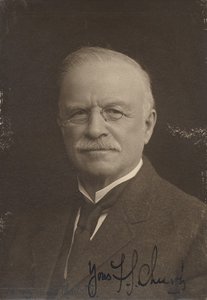
Frederick Stuart Church
1842 - 1924
略歴
- Full Name: Frederick Stuart Church
- Nationality: American
- Date Of Birth: 1842
- Date Of Death: 1924
- Place Of Birth: Grand Rapids, Michigan
- Notable Artworks:
- Supremacy
- Dreamers
- Two Birds
- Artistic Movement Or Style: Illustrator; Victorian Animal Art
- Artists Who Influenced This Artist: Walter Shirlaw
- Artists Or Movements Influenced By This Artist: Aesops Fables