

 プリント版に切り替え
 続きを読む
続きを読む







































 いずれかの辺が105 cm(約41インチ)を超えるアートワークまたは複製画の場合、フレームは分解されたキットの状態でお届けいたします。この方法は、輸送中の破損を防ぎ、安全に配送するために採用しております。


A Moment Frozen in Time: Frederic Remington’s “His First Lesson”
Frederic Remington's "His First Lesson," painted in 1903, isn’t merely a depiction of the American West; it’s a carefully constructed tableau brimming with narrative tension and evocative atmosphere. This oil on canvas, now residing within the Amon Carter Museum of American Art in Fort Worth, Texas, transports us to a pivotal moment on the vast plains – a scene both ruggedly familiar and profoundly intimate. Remington, a master chronicler of the vanishing frontier, expertly captures the dynamic interplay between man and beast, offering a glimpse into the daily life and inherent challenges faced by cowboys during the late 19th century.
The composition immediately draws the eye to the central trio: a young boy, poised on horseback, intently focused on his father’s instructions. The father, a seasoned cowboy, guides the horse with practiced ease, while a second man, presumably another ranch hand, stands nearby, observing the lesson. Remington's skillful use of light and shadow establishes a strong sense of depth, emphasizing the expansive landscape that stretches out behind them – a vast, almost intimidating expanse of prairie under a hazy sky. The muted color palette—earthy browns, ochre yellows, and dusty blues—perfectly reflects the harsh realities of life on the Western frontier, while subtle hints of green suggest the promise of vegetation beyond the immediate horizon.
The Painter’s Technique: A Blend of Realism and Impression
Remington's technique is a fascinating blend of realism and impressionistic touches. He meticulously rendered the details of the horses – their muscular forms, flowing manes, and expressive eyes – conveying a palpable sense of power and movement. Yet, he simultaneously employs loose brushstrokes and a slightly blurred effect to capture the fleeting quality of light and atmosphere. This approach imbues the scene with an immediacy and emotional resonance, suggesting not just what is being depicted but also *how* it feels to be present in that moment.
The artist’s use of oil paint allows for rich textures and subtle gradations of color, contributing significantly to the painting's overall realism. Remington expertly layered the pigments to create a sense of depth and volume, particularly evident in the depiction of the horses’ coats and the rough terrain beneath them. His attention to detail extends beyond the figures themselves; he meticulously portrays the surrounding landscape, capturing its vastness and inherent beauty.
Symbolism and Narrative Depth
“His First Lesson” is far more than a simple portrait of cowboys; it’s a powerful allegory about mentorship, tradition, and the passing down of knowledge. The young boy represents the next generation, inheriting the skills and values of his father and the ranching community. The act of guiding the horse symbolizes the transfer of experience – a crucial element in maintaining the continuity of life on the frontier. The watchful presence of the second man suggests the importance of community support and shared responsibility.
Furthermore, the painting subtly hints at the challenges inherent in this lifestyle. The vastness of the landscape, coupled with the demanding nature of ranching, underscores the isolation and resilience required to thrive in such a harsh environment. The boy’s focused gaze speaks volumes about his dedication and commitment to learning – a testament to the enduring spirit of the American West.
A Legacy Replicated: Reproductions for Today
Today, Frederic Remington's “His First Lesson” remains an iconic representation of the American West. Recognizing its enduring appeal, numerous high-quality reproductions are now available through platforms like OriginalUniqueArt.com, allowing art enthusiasts to bring this captivating scene into their homes and offices. These meticulously crafted oil paintings offer a tangible connection to a pivotal moment in American history – a reminder of the pioneering spirit, rugged beauty, and complex narratives that shaped the West.
Whether you’re an avid collector, an interior designer seeking to evoke the atmosphere of the frontier, or simply someone captivated by Remington's masterful artistry, a reproduction of “His First Lesson” is sure to be a treasured addition to your collection. It’s more than just a painting; it’s a window into a bygone era – a testament to the enduring legacy of Frederic Remington and the captivating spirit of the American West.
よくあるご質問
「His First Lesson」は、フレデリック・レミントンの作品群の中でどのような位置を占めているのでしょうか?
フレデリック・レミントンの作品群において、「His First Lesson」はAmerican West Art様式に属しており、western frontier narratives, military life depictions, american expansion themes, remington’s iconic style, documenting vanishing westというテーマを共有しています。
フレデリック・レミントン作「His First Lesson」にはどのような主題が描かれていますか?
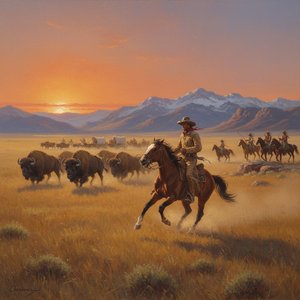
フレデリック・レミントン作「His First Lesson」に描かれているもの:cowboys, horses, west, frontier, remington, cattle drive, western scene
フレデリック・レミントン作「His First Lesson」は、絵画、デッサン、それとも版画のいずれでしょうか?
フレデリック・レミントン作「His First Lesson」はWallArtに分類されます。このカテゴリーは、原画の作品形式を表しています。




 設置イメージを確認
 送る
送る シェア
シェア
 詳細情報
詳細情報 ガイドを表示

 画像をダウンロード
 似ている作品
 X線調査
X線調査 スライドショー
 Q&A
Q&A 統計情報
統計情報