

 設置イメージを確認
 送る
送る シェア
シェア
 詳細情報
詳細情報 ガイドを表示

 画像をダウンロード
 似ている作品
 X線調査
X線調査 スライドショー
 統計情報
統計情報A Reconnaissance
 Acrylic On Canvas
- WallArt
- American Realism
 1902
1902- 19th Century
 69.0 x 102.0 cm
 メトロポリタン美術館
 続きを読む
続きを読む
ジークレー/アートプリント
スピーディーな制作と多彩な仕上げオプションが魅力の、ミュージアムクオリティなジークレー・キャンバスプリント。 ( 手描きの複製画を注文する デジタル画像販売へ切り替え)




P118B ¥10

P118H ¥10

P118W ¥10

P438Z ¥10

P508JH ¥12

P508YH ¥12

P805H ¥10

P805Z ¥10

P919BZ ¥10

P919G ¥10

P919XJ ¥10

P959ZH ¥10

P968JZ ¥12

W106C ¥8

W218G ¥10

W218JH ¥8

W218Y ¥10

W307PJ ¥10

W316G ¥10

W316PJ ¥8

W316Y ¥10

W398PJ ¥8

W4111J ¥10

W500HY ¥15

W500JH ¥15

W692G ¥12

W849H ¥8

W940BG ¥15

W953PJ ¥8




作品のオリジナル比率に合わせた、当店の規定サイズからお選びください。

額縁や壁のスペースに合わせて、ご希望の幅と高さを入力してください。プリントはカットすることは可能ですが、元の画像より大きくすることはできないため、異なる比率のサイズを選択された場合は、画像の一部が欠けることになります。印刷を開始する前に、内容を確認していただくためのデジタルモックアップをお送りいたします。このページに表示されている画像は、実際のカット後の状態を示すものではありません。実際の仕上がりはモックアップにてご確認ください。


 ガラスオプションは、110cm未満のサイズでのみご利用いただけます。

A Reconnaissance
ジークレー/アートプリント
複製画サイズ一覧
-


合計金額
¥ 12591
A Nocturne of Vigilance: Frederic Remington’s “A Reconnaissance”
Frederic Remington's "A Reconnaissance," painted in 1902, is more than just a depiction of cavalrymen on horseback; it’s a masterful distillation of the American West’s inherent tension – a palpable sense of anticipation hanging heavy in the moonlit snow. This evocative work, rendered in a muted palette of blues, greens, and browns, transports us to a moment poised between threat and observation, showcasing Remington's profound understanding of capturing mood and narrative within a single frame. The painting immediately draws the eye to the three figures – an officer and two scouts – positioned on a slight rise, their forms partially obscured by shadow and distance, deliberately turned away from the viewer’s direct gaze.
Remington's technique is characterized by a remarkable ability to convey texture and atmosphere. The snow-covered landscape isn’t simply white; it’s layered with subtle gradations of gray and blue, suggesting both coldness and depth. The horses, rendered with powerful musculature and alert eyes, are not idealized heroes but animals deeply connected to the harsh realities of their environment. Remington's brushwork is loose yet controlled, creating a dynamic sense of movement while simultaneously emphasizing the stillness of the scene. He masterfully employs chiaroscuro – the dramatic contrast between light and dark – to heighten the drama and create an aura of mystery. The moon, though not explicitly visible, casts a ghostly glow across the landscape, contributing significantly to the painting’s overall mood.
The Frontier Narrative & Remington's Vision
“A Reconnaissance” emerged from a pivotal period in Remington’s career – after 1900 he began producing a series of nocturnes that deliberately explored darkness as a fundamental element of storytelling. Unlike the vibrant, often heroic depictions of cowboys and Native Americans that initially defined his fame, these later works delve into the quieter, more introspective aspects of frontier life. This shift reflects Remington’s own evolving perspective, shaped by years spent observing the changing West and a growing appreciation for its complexities. The painting speaks to the inherent uncertainty of exploration and the constant vigilance required in a land where danger lurked around every bend.
Remington's background is fascinatingly complex; born into an Eastern family with strong military connections, he nonetheless developed a deep fascination with the West, fueled by his father’s stories and a desire to capture its authentic spirit. His art wasn’t simply imitation but a careful study of observation and storytelling – a skill honed through years spent sketching and documenting life on the frontier. The painting subtly hints at this layered identity; the figures are undeniably Westerners, yet their posture and the landscape they survey evoke a sense of timelessness, suggesting a connection to something far older than the modern West.
Symbolism & Emotional Resonance
The deliberate positioning of the figures away from the viewer is crucial to understanding the painting’s emotional impact. It creates an immediate sense of suspense and invites the viewer to become an active participant in the scene, projecting their own anxieties about potential conflict. The distant tree line represents a threshold – a boundary between safety and danger. The scouts' posture, alert and watchful, embodies the spirit of reconnaissance, highlighting the importance of observation and preparedness. There’s no overt violence depicted; instead, the painting focuses on the psychological tension inherent in a situation where confrontation is possible.
"A Reconnaissance" isn’t merely a landscape study; it's a powerful meditation on the themes of vigilance, uncertainty, and the enduring allure of the frontier. Remington’s masterful use of light, shadow, and composition creates an unforgettable image that continues to resonate with viewers today. A hand-painted reproduction captures not only the visual beauty of this iconic work but also the profound emotional depth that lies at its heart – a testament to Remington's enduring legacy as one of America’s greatest artists.
よくあるご質問
「A Reconnaissance」の色使いは、鮮やかでしょうか、それとも淡い感じでしょうか?
「A Reconnaissance」の彩度はBalancedです。彩度とは、色の鮮やかさの度合いを表します。
「A Reconnaissance」の作者と制作年はいつですか?
「A Reconnaissance」の作者はフレデリック・レミントンで、制作年は1902年です。
「A Reconnaissance」のAmerican Realism様式には、どのような情緒的なトーンが漂っていますか?
「A Reconnaissance」は、American Realismのムーブメントにおいて、Mysteriousな情緒を湛えています。
アーティストについて
大西のクロニクル:フレデリック・レミントンの生涯と芸術
フレデリック・サックライダー・レミントンは、1861年10月4日にニューヨーク州カントンで生まれました。彼は、鮮やかに描いた西部開拓時代を体現した人物ではありませんでした。むしろ、熱意と献身的な研究を通して芸術的アイデンティティを築き上げた東部出身者でした。彼の血統は、埃っぽいトレイルや騎兵隊の突撃とはかけ離れた人生を示唆していました。フランス・バスク系の祖先、堅固な共和主義者のニューイングランドのルーツ、南北戦争の退役軍人であり新聞編集者であった父、そして遠い親戚を通じて有名なレミントン銃器王朝とのつながりがありました。しかし、幼少期から軍事的なテーマに触れ、落ち着きのない精神と鋭い物語への目を持っていたことが、彼をアメリカ西部の最も象徴的な芸術家になる道へと導きました。彼の子供時代はイリノイ州ブルーミントンに移り、再びカントンに戻り、最終的にはニューヨーク州オグデンズバーグに定住しましたが、彼の想像力はフロンティアライフの物語に魅了され続けました。当初は軍事教育を受けるように促されましたが、レミントンの真の天職は命令に従うことではなく、芸術を通して周囲の世界を観察し解釈することでした。イェール大学での短い留学もそれを確証しました。フットボールとスケッチは、形式的な学問よりもはるかに魅力的なものでした。イラストレーターから画家へ:芸術的ビジョンの形成
レミントンの芸術的旅程は、壮大なキャンバスではなく、インクと紙から始まりました。*イェール・コーラント*に掲載された彼の最初の作品は、アクションと物語を捉える初期の才能を示していました。1881年のモンタナへの画期的な旅行は、彼の一生涯にわたる西部開拓時代への執着に火をつけました。これは単なる観光客の視線ではありませんでした。レミントンは文化に浸り、カウボーイ、ネイティブアメリカン、そして風景そのものを観察しようと努めました。彼は当初、牧場経営や鉱業に挑戦しましたが、成功しませんでした。これにより、彼は芸術に専念できるようになりました。東に戻った彼はすぐに雑誌*ハーパーズ・ウィークリー*や*コリアーズ*のイラストレーターとして確立し、フロンティアの物語を渇望する国民の聴衆を魅了するダイナミックな西部シーンを描きました。これらのイラストは単なる報道ではありませんでした。彼らはドラマ、エネルギー、そして大衆の想像力に深く響いたロマンチックな西部のビジョンで満たされていました。この仕事を通して、レミントンは構図のスキル、動きの捉え方、感情を伝える能力を磨きました。これらの資質は後に彼の絵画の特徴となるでしょう。彼はイェール大学でのいくつかのデッサンクラスとアート・スチューデンツ・リーグでの短い期間を除いて、正式な訓練をほとんど受けませんでした。代わりに、エネルギッシュな筆致、大胆な色彩、そして現実主義と劇的な表現を組み合わせた独特のスタイルを発展させました。消えゆく世界を描写する:テーマとスタイル
レミントンの芸術は、アメリカ史の特定の瞬間—旧西部の黄昏に不可分に結びついています。彼のキャンバスには、象徴的な人物が溢れています。粗野なカウボーイが家畜を追い立て、毅然としたネイティブアメリカンが追放に直面し、米軍騎兵隊の兵士が英雄的な戦いと悲劇的な紛争の両方に参加しています。彼はフロンティアライフの過酷な現実を描くことをためらいませんでしたが、彼の作品はしばしばロマンチックな描写に傾き、勇気、冒険、そして文化の衝突を強調しました。彼の絵画は単なる歴史的文書ではありません。それらは英雄主義、喪失、そして避けられない進歩のテーマを探求する感動的な物語です。レミントンのスタイルは時間とともに進化し、よりアカデミックなレンダリングから、より自由で表現力豊かな筆致へと移行しました。彼は馬が平原を疾走する様子や、カウボーイが牛と格闘する様子、兵士が戦場に突撃する様子など、動きの捉え方に長けていました。彼はしばしば素早いスケッチや写真を参照資料として使用しましたが、彼の芸術は常に模倣を超越し、彼独自のビジョンと感情的な強さで満たされていました。『マイ・ランチ』、『ムーンライトでの待ち伏せ』、『Ridden Down』(1905年)、そして『The Long-Horn Cattle Sign』(1908年)などの注目すべき作品は、アメリカ西部の壮大さと脆弱性を捉える彼の能力を例証しています。遺産と永続的な影響
フレデリック・レミントンは1909年に48歳という若さで予期せず亡くなり、膨大な数の作品を残しました。彼の作品は今日でも観客を魅了し続けています。彼が西部芸術に与えた影響は否定できません。彼は単に西を描いただけでなく、何世代ものアメリカ人にとってそれを*定義するのに役立ちました*。彼はカウボーイ、インディアン、騎兵隊員の視覚的な言語を確立し、それは大衆文化に深く根付いています。- 彼の作品はN.C.ワイエスやゼーン・グレイなど、数多くの他の芸術家たちに影響を与えました。
- ニューヨーク州オグデンズバーグにあるフレデリック・レミントン美術館は、彼の永続的な遺産を称え、彼の絵画、彫刻、アーカイブ資料の膨大なコレクションを保存しています。
- 彼の作品はメトロポリタン美術館やアモン・カーター美術館など、国内の主要な美術館で展示され続けています。

フレデリック・レミントン
1861 - 1909 , アメリカ合衆国
アーティスト情報
- Artistic Movement Or Style: 西部アメリカ美術
- Artists Or Movements Influenced By This Artist:
- N.C.ワイエス
- ゼイン・グレイ
- Date Of Birth: 1861年10月4日
- Date Of Death: 1909年12月26日
- Full Name: フレデリック・サックライダー・レミントン
- Nationality: アメリカ人
- Notable Artworks (List Of Titles):
- My Ranch
- Waiting in the Moonlight
- Ridden Down (1905)
- The Long-Horn Cattle Sign
- Place Of Birth (City And Country): ニューヨーク州キャントン、アメリカ合衆国
関連記事

The Subdued Palette: Exploring Emotional Resonance & Aesthetic Impact in Muted Artworks
Explore the power of muted colors in art! Discover the history, psychology & techniques behind serene palettes. Find inspiration & expert advice for creating emotionally resonant spaces with OriginalUniqueArt.
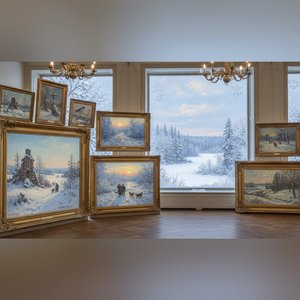
Snowy Masterpieces: 10 Famous Paintings & Art for a Winter Aesthetic
Explore 10 famous snow paintings by Monet, Degas & more! Discover the stories behind these serene winter landscapes and iconic artworks. Find museum-quality art reproductions for your home at OriginalUniqueArt.com.
The Subdued Resonance: Exploring Emotional Depth & Artistic Nuance within Muted Color Palettes
Explore the captivating world of muted colors in art & design! Discover historical context, psychological effects, techniques, and inspiration for creating serene spaces. Elevate your aesthetic with OriginalUniqueArt.

The Subdued Palette: Emotional Resonance & Aesthetic Impact of Muted Tones in Art
Explore the captivating world of muted tones in art! Discover Tonalism's history, Whistler’s influence & how subtle color palettes evoke emotion. Find serene landscapes and expert advice for integrating these timeless pieces into your home with OriginalUniqueArt.

ジェームズ・マクニール・ホイストラー:至高の25選 - 美と調和を求めた芸術家の軌跡 | OriginalUniqueArt
ジェームズ・マクニール・ホイストラーの至高の25選。ノクターン、印象派、美しい色彩に満ちた作品群を紐解きます。OriginalUniqueArtで高品質なアートプリントとインテリアをお楽しみください。名画の世界へ – OriginalUniqueArt.com