

 設置イメージを確認
 送る
送る シェア
シェア
 詳細情報
詳細情報 ガイドを表示

 画像をダウンロード
 似ている作品
 X線調査
X線調査 スライドショー
 統計情報
統計情報Autumn
 Oil On Canvas
- WallArt
- Hudson River School
 1875
1875- 19th Century
 39.0 x 61.0 cm
 プラド美術館
 続きを読む
続きを読む
ジークレー/アートプリント
スピーディーな制作と多彩な仕上げオプションが魅力の、ミュージアムクオリティなジークレー・キャンバスプリント。 ( 手描きの複製画を注文する デジタル画像販売へ切り替え)




P118B ¥10

P118H ¥10

P118W ¥10

P438Z ¥10

P508JH ¥12

P508YH ¥12

P805H ¥10

P805Z ¥10

P919BZ ¥10

P919G ¥10

P919XJ ¥10

P959ZH ¥10

P968JZ ¥12

W106C ¥8

W218G ¥10

W218JH ¥8

W218Y ¥10

W307PJ ¥10

W316G ¥10

W316PJ ¥8

W316Y ¥10

W398PJ ¥8

W4111J ¥10

W500HY ¥15

W500JH ¥15

W692G ¥12

W849H ¥8

W940BG ¥15

W953PJ ¥8




作品のオリジナル比率に合わせた、当店の規定サイズからお選びください。

額縁や壁のスペースに合わせて、ご希望の幅と高さを入力してください。プリントはカットすることは可能ですが、元の画像より大きくすることはできないため、異なる比率のサイズを選択された場合は、画像の一部が欠けることになります。印刷を開始する前に、内容を確認していただくためのデジタルモックアップをお送りいたします。このページに表示されている画像は、実際のカット後の状態を示すものではありません。実際の仕上がりはモックアップにてご確認ください。


 ガラスオプションは、110cm未満のサイズでのみご利用いただけます。

Autumn
ジークレー/アートプリント
複製画サイズ一覧
-


合計金額
¥ 12650
A Symphony in Ochre and Azure: Exploring Frederic Edwin Church’s Autumn
The painting “Autumn,” executed by Frederic Edwin Church in 1875, stands as a testament to the Hudson River School's unwavering devotion to capturing the sublime beauty of the American wilderness. More than just a depiction of a picturesque landscape, it embodies a profound philosophical contemplation on mortality and regeneration—themes deeply rooted in Victorian sensibilities and subtly interwoven into Church’s masterful artistic vision.Subject Matter and Composition
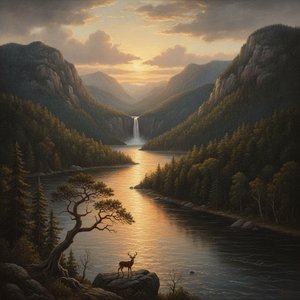
Church meticulously rendered a panoramic vista overlooking Seneca Lake in New York State. Dominating the scene is a majestic river winding its way through a densely populated forest, reflecting the fiery hues of a setting sun. Scattered amongst the trees are prominent rocks and boulders, anchoring the composition and providing textural contrast against the flowing water. Notably, perched atop one of these rocks is a solitary bird—a deliberate inclusion that serves as a poignant symbol of resilience and hope amidst the encroaching darkness of autumn. The artist’s careful attention to detail ensures every element contributes to the overall impression of serene grandeur.Style and Technique: Luminism Elevated
Church's approach aligns perfectly with Luminism, an artistic movement characterized by its emphasis on diffused light and atmospheric perspective—techniques pioneered by Thomas Cole and championed by Church himself. Unlike Impressionists who sought to capture fleeting moments of sensory experience, Church aimed for a more contemplative portrayal of nature’s enduring power. He achieved this through painstaking layering of thin glazes applied over a textured underpainting, meticulously blending colors to create an illusion of depth and luminosity. The resulting surface possesses remarkable brilliance, capturing the ethereal glow of twilight and conveying the palpable warmth of the fading sun.Historical Context: Victorian Romanticism’s Embrace of Nature
“Autumn” emerged during the height of Victorian Romanticism—a period marked by a fervent belief in emotion and imagination as pathways to spiritual understanding. Artists like Church wrestled with existential questions concerning humanity's place within the cosmos, seeking solace and inspiration in the grandeur of God’s creation. The painting reflects this intellectual climate through its symbolic representation of decay followed by rebirth—mirroring the cyclical rhythms of nature and offering a comforting reassurance that beauty persists even amidst inevitable decline. Furthermore, Church’s work coincided with burgeoning scientific interest in geology and botany, influencing his artistic choices and reinforcing his conviction in portraying landscapes accurately while simultaneously conveying their emotional resonance.Symbolism: Light, Darkness, and Renewal
The dominant color palette—ochre yellows and azure blues—is deliberately symbolic. The golden light of the sunset represents divine illumination and signifies the promise of eternal life, countering the encroaching darkness that symbolizes mortality. However, Church doesn’t present darkness as solely negative; rather, it serves as a backdrop against which the bird's presence illuminates the enduring spirit of nature. This juxtaposition underscores the Victorian preoccupation with themes of death and resurrection—a cornerstone of spiritual belief during the era.Emotional Impact: A Balm for the Soul
“Autumn” transcends mere visual representation; it aspires to evoke profound emotional responses in the viewer. The painting’s tranquil atmosphere invites contemplation, prompting reflection on the beauty of impermanence and reaffirming faith in a benevolent Creator. Its luminous quality imbues the scene with warmth and serenity—a comforting reminder that even as seasons change and life diminishes, nature continues its ceaseless cycle of renewal. Collectors and interior designers alike recognize “Autumn”’s enduring appeal precisely because it captures not just a landscape but also an intangible essence of human experience – a timeless meditation on beauty, faith, and the cyclical rhythms of existence.よくあるご質問
フレデリック・エドウィン・チャーチ作「Autumn」が醸し出す感情的なトーンはどのようなものでしょうか?
フレデリック・エドウィン・チャーチ作「Autumn」に記録された情緒的なトーンはCalmです。これは、作品が表現している感情を要約したものです。
「Autumn」の推奨プリントサイズはどのくらいですか?
「Autumn」は、Largeのプリントサイズでの印刷をおすすめします。他のサイズについても、同じ比率でご利用いただけます。
フレデリック・エドウィン・チャーチ作「Autumn」 の色彩の鮮やかさはどの程度ですか?
フレデリック・エドウィン・チャーチ作「Autumn」は、Balancedな色彩の強さを備えています。
アーティストについて
アメリカの風景画を切り開いた先駆者:フレデリック・エドウィン・チャーチの生涯と芸術
1826年5月4日、コネチカット州ハートフォードで生まれたフレデリック・エドウィン・チャーチは、19世紀のアメリカにおける風景画の隆盛期において重要な役割を担った画家です。彼の家系はニューイングランドの歴史に深く根ざしており、ピューリタン開拓者の直系の子孫でした。豊かな家庭環境は、当時の志望者としては稀有な機会を与え、チャーチが芸術探求に専念することを可能にしました。この経済的な安定により、彼は最終的にハドソン・リバー派で最も著名かつ影響力のある画家の一人となる道を歩み始めます。18歳という若さで、ハドソン・リバー派の創始者であるトーマス・コールのもとで最初の訓練を受けました。ニューヨーク州キャッツキルでのこの初期の数年間は、自然への深い敬意と、その壮大さをキャンバスに捉えようとする献身を彼に植え付けました。師事は単なる技術的なものではなく、風景を単なる景色としてではなく、神性の反映であり、国家的アイデンティティの象徴として捉える哲学への没頭でした。巨匠としての台頭:様式と影響
チャーチは同時代の人々から、卓越した写実性とロマン主義的な感性を融合させる能力によってすぐに区別されました。彼の絵画は驚くべき詳細さで特徴付けられており、葉の質感、水面の光の戯れ、そして山の雄大なスケールを息を呑むような正確さで捉えています。しかし、これは単なる写真のような再現ではありませんでした。チャーチは、広大なパノラマビュー、鮮やかな色彩、そして熟練した大気遠近法を用いて作品に劇的な要素を取り入れました。彼はアレクサンダー・フォン・フンボルトの科学的探求から深い影響を受け、自然の相互接続性に関する彼の著作は芸術家に深く共鳴しました。この影響は、チャーチが後の南米への探検で明らかになり、これらの風景の視覚的な美しさだけでなく、その根底にある地質学的および植物学的な複雑さを伝える試みにも表れています。1836年に完成した『オックスボウ』は、観察と想像力のこの統合の良い証であり、彼の様式の特徴となるアメリカの荒野のロマンチックなビジョンです。彼の技術には「隠された」筆致が含まれており、絵画の写実性と輝きを高める滑らかな表面が作られました。未知の世界への冒険:旅行と主要作品
チャーチの野心は、ニューイングランドやニューヨーク州に限定されませんでした。フンボルトの著作に触発され、直接的な経験を求める渇望に駆り立てられ、彼は世界の僻地に大胆な探検に出かけました。1853年と1857年の南米への旅、そして後年の北極圏への旅は、彼に比類のない視覚的素材を提供しました。おそらく彼の最も野心的な試みである『アンデスの中心』(1859年) は、アンデス山脈の生態系全体をカプセル化しようとしました。この絵画は特別に建設されたギャラリーで展示され、天窓から照らされ、鑑賞者のための没入感のある体験を作り出し、チャーチが芸術家であるだけでなく、優れたショーマンとしての評判を確立しました。その後、彼の北極圏への旅行に触発された一連の絵画、『氷山:北極』などは、彼の多様性と挑戦的な主題に取り組む意欲を示しました。これらの作品は単なる僻地の風景の描写ではありませんでした。それらは自然の力と脆弱性に関する声明であり、19世紀半ばに高まりつつある環境意識を反映していました。アメリカ美術への遺産と影響
フレデリック・エドウィン・チャーチがアメリカの風景画に与えた影響は否定できません。彼はジャンルを新たな芸術的達成の高さへと引き上げ、人気を集め、何世代にもわたる芸術家たちに自然界の美しさと壮大さを探求するよう促しました。彼の革新的な展示方法—単一の絵画を劇的な設定で提示すること—は、将来のアートディスプレイのための前例を設定し、より広範な一般の人々がアートへの感謝を深めるのに役立ちました。絵画に加えて、チャーチは熱心な保護活動家でもあり、ナイアガラの滝の保存を提唱し、国立公園の設立に貢献しました。彼は芸術が環境問題に対する意識を高め、行動を促す強力なツールとなり得ることを理解していました。彼の家であるオラナは、ハドソン川を見下ろして彼自身の手で設計・建設されたものであり、彼の芸術的ビジョンと風景との深い繋がりを証明しています。- チャーチの作品はロマン主義と写実主義の間のギャップを埋めました。
- 彼は観客を魅了する没入型の展示技術を開拓しました。
- 彼の保護活動は、現代の環境運動を予見していました。

フレデリック・エドウィン・チャーチ
1826 - 1900 , アメリカ合衆国
アーティスト情報
- Artistic Movement Or Style: ハドソン・リバー派
- Artists Or Movements Influenced By This Artist: ['アメリカの風景画']
- Artists Who Influenced This Artist:
- トーマス・コール
- A.フォン・フンボルト
- Date Of Birth: 1826年5月4日
- Date Of Death: 1900年4月7日
- Full Name: フレデリック・エドウィン・チャーチ
- Nationality: アメリカ人
- Notable Artworks (List Of Titles):
- オックスボウ
- マウント・ホライオーク
- アンデスの心臓
- Place Of Birth (City And Country): コネチカット州ハートフォード
関連記事
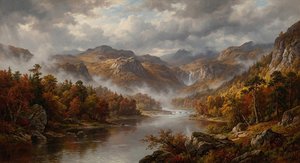
ハドソン・リバー派を彩る至宝:10選が示すアメリカ絵画の黄金時代
ハドソン・リバー派の至宝10選を紐解き、アメリカ絵画の黄金時代へ。壮大な自然描写と巨匠たちの技が織りなす感動の世界を体験してください。トーマス・コールからチャーチまで、OriginalUniqueArt.comで高品質なアートプリントとインテリアアイデアを見つけましょう。
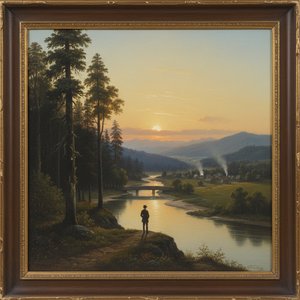
Robert Spencer: Luminism, Narrative & the American Landscape Tradition
Explore the captivating world of Luminism & the Hudson River School with our expert analysis. Discover the history, artists, and enduring beauty of 19th-century American landscape painting. Find museum-quality reproductions at OriginalUniqueArt.
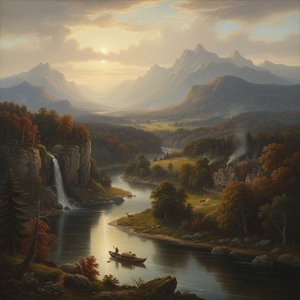
Capturing the American Spirit: A Journey Through Iconic Landscapes and the Legacy of the Hudson River School
Explore the profound beauty of American art history. From the Hudson River School to iconic landscapes, discover a curated journey through the masterpieces that defined a nation's spirit and the enduring legacy of American Romanticism.
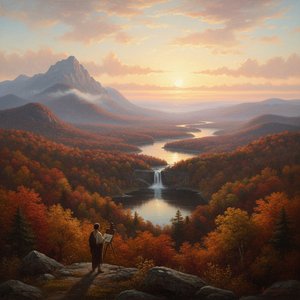
The Sublime Landscape: Exploring the Hudson River School Movement
Explore the captivating world of the Hudson River School! Discover the history, artists, and defining characteristics of this iconic American art movement. Learn about Romanticism's influence & find inspiration for your collection.
Epic Landscapes & Wild Nature: The Power of the Hudson River School's Sublime Artistry
Explore the breathtaking power of the Hudson River School. Journey through epic American landscapes, from Thomas Cole's sublime vistas to Luminist light, and discover how these timeless masterpieces continue to inspire modern collectors and art lovers worldwide.

