プリント版に切り替え
 詳細を表示
詳細を表示







































 いずれかの辺が105 cm(約41インチ)を超えるアートワークまたは複製画の場合、フレームは分解されたキットの状態でお届けいたします。この方法は、輸送中の破損を防ぎ、安全に配送するために採用しております。


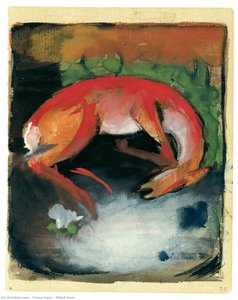
A Symphony of Playful Energy: Exploring Franz Marc’s “Playing Dogs”
Franz Marc's 1912 painting, *“Playing Dogs,”* is a vibrant and captivating example of German Expressionism at its finest. More than just a depiction of canine frolics, this artwork offers a window into Marc’s profound connection with nature and his innovative approach to color and form.Subject & Composition
The canvas bursts with the dynamic energy of two dogs engaged in playful interaction amidst lush greenery. The composition isn't about precise realism; instead, it prioritizes conveying movement and joy. One dog is positioned towards the left, while its companion occupies the right side of the frame, both seemingly caught mid-leap. A subtle human figure appears near the bottom right corner – an observer or perhaps a participant in their game. Adding to the scene’s whimsical quality, a bird perches on the left, creating a sense of harmonious coexistence within nature.Style & Technique
Marc's Expressionist style is immediately apparent through his bold use of color and abstracted forms. He eschews naturalistic representation in favor of emotional resonance. The palette ranges from deep blues to vibrant yellows, creating a dynamic interplay that enhances the feeling of playful energy. The painting’s relatively small size – 38 x 54 cm – belies its powerful impact. Marc employed an *impasto* technique, applying thick layers of paint with visible brushstrokes, adding texture and depth to the scene. This tactile quality invites viewers to connect with the artwork on a visceral level.Historical Context & The Blaue Reiter
Created during a pivotal period in art history, *“Playing Dogs”* reflects Marc’s involvement with the *Der Blaue Reiter* (The Blue Rider) group – a collective of artists who sought to express spiritual truths through abstraction and bold color. Marc believed animals possessed an inherent purity and spirituality lacking in human society. This belief profoundly influenced his artistic choices, leading him to focus on animal subjects as vehicles for expressing deeper emotional and philosophical ideas. He was deeply inspired by the work of Vincent van Gogh and sought to emulate a similar expressive power through color.Symbolism & Emotional Impact
While seemingly straightforward, *“Playing Dogs”* carries symbolic weight. The dogs themselves can be interpreted as representing primal instincts, freedom, and uninhibited joy. The vibrant colors are not merely aesthetic choices; they are imbued with emotional significance. Blue often represented spirituality for Marc, while yellow symbolized happiness and energy. The overall effect is one of optimism and a celebration of life’s simple pleasures. The painting evokes feelings of warmth, playfulness, and a deep connection to the natural world.Legacy & Collecting
Currently housed in the Busch-Reisinger Museum (Harvard Art Museums) in the United States, *“Playing Dogs”* continues to inspire artists and captivate audiences today. Marc’s influence can be seen in the work of his contemporaries, such as Wassily Kandinsky, who also explored abstraction and emotional expression through color. For those interested in exploring further, institutions like the Lenbachhaus in Munich offer extensive collections of Expressionist art. High-quality reproductions allow art lovers and interior designers to bring Marc’s vibrant vision into their homes, adding a touch of expressive energy and timeless beauty to any space. The painting serves as a powerful reminder of the joy found in nature and the enduring power of artistic expression.Q&A
フランツ・マルク作「Playing Dogs」は、どのような空間に飾るのがおすすめですか?
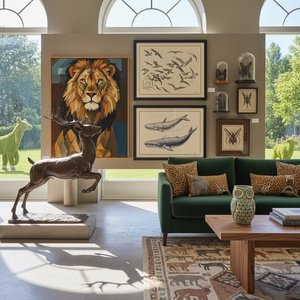
フランツ・マルク作「Playing Dogs」にふさわしい空間はLiving Roomです。もちろん、お客様のインテリアに合わせて調整していただくことも可能です。
フランツ・マルク作「Playing Dogs」のどのプリントサイズが、推奨されているお部屋に最適ですか?
Living Roomに飾る場合、フランツ・マルク作「Playing Dogs」の推奨プリントサイズはLargeです。
「Playing Dogs」の推奨されるプリント方法について教えてください。サイズや向きはどうするのが良いでしょうか?
「Playing Dogs」の推奨プリント設定は、サイズLarge、向きLandscapeです。
この絵画の詳細を見る
 設置イメージを表示
 シェアする
シェアする シェアする
シェアする
 詳細を見る
詳細を見る ガイドを表示

 ダウンロード
 似ている作品
 X線調査
X線調査 スライドショーを表示
 Q&A
Q&A 統計情報
統計情報