サイズ選択

() ·

あなたのために、手仕事で描かれた一枚の絵画

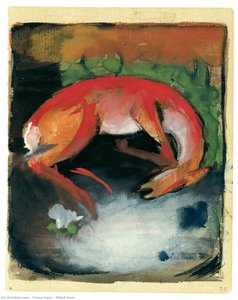
Cow and Sheep

手描き油彩複製画

当社のアーティストが、ご希望のサイズと額縁に合わせてキャンバスに手描きで制作する、オーダーメイドの油彩画です。 ( プリント版に切り替え デジタル画像販売へ切り替え)

作品解説

Experience the vibrant spiritual harmony of Franz Marc's 1914 watercolor Cow and Sheep, a masterpiece of German Expressionism featuring bold colors and tranquil forms that you can bring into your own collection.

アーティストの略歴

マルクはドイツ表現主義を代表する画家。動物を象徴的に描いた「青い馬の塔」など、鮮やかな色彩と精神性を融合させた作品が特徴。 ブルーライダーグループの創設者として、近現代美術に大きな影響を与えました。

〜より ·

第1章

サイズはどのくらいが良いでしょうか?

スライドしてサイズを変更してください。左側の画像は、フレームの実際の幅を表示しています。作品の比率はそのまま維持されます。

標準サイズ
オーダーメイド
CM
INCH

作品のオリジナル比率に合わせた、当店の規定サイズからお選びください。

横幅
高さ

フレームや壁のスペースに合わせて、ご希望の幅と高さを入力してください。本作品は手描きのため、異なる比率のサイズをご希望の場合、絵画の周囲を少し広げて描くか、あるいは端を少しカットして調整することが可能です。お客様のご要望に合わせます。制作を開始する前に、仕上がりを確認するためのデジタルモックアップをお送りいたします。このページに表示されている画像は完成品の実物ではなく、あくまでモックアップによるイメージです。

第2章

どのような状態での配送をご希望ですか?

キャンバスの側面仕上げを選択

フレームを選択

Corner sample of the WhiteWrap canvas edge finish, stretched on 無垢材 bars
白の側面仕上げ ¥1
Corner sample of the BlurSideWrap canvas edge finish, stretched on 無垢材 bars
エッジぼかし仕上げ ¥1
Corner sample of the ExtendedWrap canvas edge finish, stretched on 無垢材 bars
回り込み仕上げ ¥1
Corner sample of the P118B picture frame: 成型ポリスチレン, 5 cm wide and 3 cm thick
P118B ¥10
Corner sample of the P118H picture frame: 成型ポリスチレン, 5 cm wide and 3 cm thick
P118H ¥10
Corner sample of the P118W picture frame: 成型ポリスチレン, 5 cm wide and 3 cm thick
P118W ¥10
Corner sample of the P438Z picture frame: 成型ポリスチレン, 5.5 cm wide and 3.5 cm thick
P438Z ¥10
Corner sample of the P508JH picture frame: 成型ポリスチレン, 7 cm wide and 3.5 cm thick
P508JH ¥12
Corner sample of the P508YH picture frame: 成型ポリスチレン, 7 cm wide and 3.5 cm thick
P508YH ¥12
Corner sample of the P805H picture frame: 成型ポリスチレン, 5 cm wide and 3.5 cm thick
P805H ¥10
Corner sample of the P805Z picture frame: 成型ポリスチレン, 5 cm wide and 3.5 cm thick
P805Z ¥10
Corner sample of the P919BZ picture frame: 成型ポリスチレン, 7 cm wide and 3.5 cm thick
P919BZ ¥10
Corner sample of the P919G picture frame: 成型ポリスチレン, 7 cm wide and 3.5 cm thick
P919G ¥10
Corner sample of the P919XJ picture frame: 成型ポリスチレン, 7 cm wide and 3.5 cm thick
P919XJ ¥10
Corner sample of the P959ZH picture frame: 成型ポリスチレン, 5 cm wide and 3 cm thick
P959ZH ¥10
Corner sample of the P968JZ picture frame: 成型ポリスチレン, 6 cm wide and 4 cm thick
P968JZ ¥12
Corner sample of the W106C picture frame: 無垢材, 5 cm wide and 3 cm thick
W106C ¥8
Corner sample of the W218G picture frame: 無垢材, 5 cm wide and 3 cm thick
W218G ¥10
Corner sample of the W218JH picture frame: 無垢材, 5 cm wide and 3 cm thick
W218JH ¥8
Corner sample of the W218Y picture frame: 無垢材, 5 cm wide and 3 cm thick
W218Y ¥10
Corner sample of the W307PJ picture frame: 無垢材, 6 cm wide and 3 cm thick
W307PJ ¥10
Corner sample of the W316G picture frame: 無垢材, 6 cm wide and 3 cm thick
W316G ¥10
Corner sample of the W316PJ picture frame: 無垢材, 6 cm wide and 3 cm thick
W316PJ ¥8
Corner sample of the W316Y picture frame: 無垢材, 6 cm wide and 3 cm thick
W316Y ¥10
Corner sample of the W398PJ picture frame: 無垢材, 5 cm wide and 3 cm thick
W398PJ ¥8
Corner sample of the W4111J picture frame: 無垢材, 6.5 cm wide and 3.5 cm thick
W4111J ¥10
Corner sample of the W500HY picture frame: 無垢材, 7 cm wide and 5 cm thick
W500HY ¥15
Corner sample of the W500JH picture frame: 無垢材, 7 cm wide and 5 cm thick
W500JH ¥15
Corner sample of the W692G picture frame: 無垢材, 8 cm wide and 4 cm thick
W692G ¥12
Corner sample of the W849H picture frame: 無垢材, 5 cm wide and 3 cm thick
W849H ¥8
Corner sample of the W940BG picture frame: 無垢材, 7.5 cm wide and 4.5 cm thick
W940BG ¥15
Corner sample of the W953PJ picture frame: 無垢材, 6 cm wide and 3.5 cm thick
W953PJ ¥8
Corner sample of the H24-GOLD picture frame: ジェッソ仕上げの木彫, 10 cm wide and 6 cm thick
H24-GOLD ¥30
Corner sample of the H24-SILVER picture frame: ジェッソ仕上げの木彫, 10 cm wide and 6 cm thick
H24-SILVER ¥30
Corner sample of the H36-GOLD picture frame: ジェッソ仕上げの木彫, 15 cm wide and 6.5 cm thick
H36-GOLD ¥45
Corner sample of the H36-SILVER picture frame: ジェッソ仕上げの木彫, 15 cm wide and 6.5 cm thick
H36-SILVER ¥45
額縁プレビュー
額装済み

額縁の形状: . 額縁を含む全体サイズ: .

第3章

誰が描き、何か変更すべき点はありますか?

変更可能な例:顔をお客様の写真に差し替え、ペットの変更(例:猫を犬に変更)、背景に隠しメッセージを追加、背景の風景や要素の変更。
ご注文後、OriginalUniqueArt.com のチームより詳細な手順についてメールをお送りし、仕上がりイメージ(モックアップ)をご提示いたします。

世界中への配送()は、通常の5週間ではなく、3〜4週間でお届けいたします。(6 11月)。品質には一切妥協いたしません。

第4章

仕上げのひと手間

美術館にあるような、銘板(ネームプレート)を。

刻印入りブロンズプレートの詳細

This elegant plaque features the artist's name and the title of the artwork, finely engraved for a timeless presentation.

It is made from bronze with a refined, elegant finish. The text is precisely laser-engraved for a sharp and permanent result. Measuring 9x2 cm, the plaque is compact yet easy to read. It's built to be durable and scratch-resistant, offering a professional, museum-quality look. Mounting is simple thanks to the included adhesive backing.

透明アクリル銘板の詳細

The plaque includes essential engraved details such as the artist's name, the title of the artwork, the date it was created, the type of media used-like oil on canvas or watercolor-a brief description of the piece, and a QR code that links to the complete artwork information.

It is crafted from clear acrylic, offering a sleek, modern appearance. The text is UV-engraved in black to ensure strong visual contrast. With a size of 10x15 cm, it ensures optimal readability. It comes equipped with two metal hooks for secure wall mounting. The plaque is designed to be weather-resistant, making it suitable for various environments, and it includes interactive features that work seamlessly with smartphone scanning.

黒アクリル製銘板の詳細

This elegant plaque includes engraved information such as the artist's name, the title of the artwork, the date it was created, the type of media used (like oil on canvas or watercolor), a short description of the artwork, and a QR code for quick access to more information.

The plaque itself is made from refined black acrylic with a premium finish. The text is laser-engraved in white for high contrast and readability. Its size is 10x15 cm, designed to be easy to read. It comes with two metal hooks for professional mounting. The design is sleek and fits any interior style. It is also weather-resistant and durable, with built-in digital integration for mobile compatibility.

保護用ニスをご希望ですか?

お届け希望日をお選びください

第5章

ご注文通りの絵画内容

Cow and Sheep

再現技法

複製画サイズ一覧

-

至高の熟練アーティスト

より細部までこだわった表現、洗練された技術、そして十分な制作時間

-

複製画用フレーム

-

-

いずれかの辺が105 cm(約41インチ)を超えるアートワークまたは複製画の場合、フレームは分解されたキットの状態でお届けいたします。この方法は、輸送中の破損を防ぎ、安全に配送するために採用しております。

組み立てには専門知識が必要です(DIY用製品ではありません)。
本キットは、経験豊富なプロの額装師が、木工用ボンド(別売)、キャンバス用プライヤー、およびボンドの乾燥時に桟を直角に保持するためのクランプを使用して、組み立ておよびキャンバスの張り作業を行う必要があります。不適切な組み立てやキャンバスの張りの不均一は、作品に永久的な損傷を与える恐れがあり、弊社の保証対象外となります。

  • すべての無垢材のパーツが含まれており、組み立てに最適なサイズに正確にカットされています。

  • 付属のネジを使用し、角の接合部には別途木工用ボンドをご用意ください(ボンドは付属しておりません)。ボンドは額装業者様にてご手配をお願いいたします。

  • プロ仕様の道具が必要ですが、キットには含まれていません:キャンバス用ストレッチングプライヤー(テンショナー)、および接着剤が乾燥するまで木枠を直角に固定するためのクランプ。

重要:
コーナーの接合部には木工用ボンドが必要です。また、ボンドが完全に乾くまでクランプでバーを固定しておく必要があり、組み立てたフレームにキャンバスを張るにはキャンバス用ストレッチングプライヤーが必要となります。これらの道具はキットに含まれておりません。このサイズをご注文される前に、経験豊富なプロの額装師(フライマー)の手配をお願いいたします。

キャプション

-

-

保護用ワニス

光沢ワニス(色彩を鮮やかに引き立て、光や湿気から保護します)

-

作品をカスタマイズ

カスタマイズの例:顔をお客様の写真に差し替える、ペットを追加する(例:猫を犬に変更)、背景に隠しメッセージを入れる、背景の風景や要素を変更する。

-

お急ぎ便

世界中への配送()は、通常の5週間ではなく、3〜4週間でお届けいたします。(6 11月)。品質には一切の妥協を許しません。

-

お急ぎ便

世界中への配送()は、5週間ほどでお届けします。(13 11月)。

込み

合計金額

¥ 47410

合計金額 ¥ 47410

ガラスオプションは、110cm未満のサイズでのみご利用いただけます。

すべての注文に同梱

  • 世界中へ無料エクスプレス配送
  • 高品質なリネンキャンバス
  • 配送時完全保険付
  • 関税・輸入税の払い戻し保証
  • 真の色彩再現に関する保証
  • 100日間返品保証(製造上の欠陥がある場合のみ)
  • 100% 全額返金保証
  • まとめ買い割引のご案内

A Vision of Spiritual Harmony

In the quiet intensity of his 1914 watercolor, "Cow and Sheep," Franz Marc invites the viewer into a realm where the boundaries between the physical world and the spiritual essence dissolve. This masterpiece is far more than a pastoral study of livestock; it is a profound window into the soul of German Expressionism. At a time when the shadows of World War I were beginning to loom over Europe, Marc sought refuge in the purity of nature. Through the gentle presence of a cow and a sheep, he captures a moment of transcendent peace, attempting to communicate a deeper cosmic resonance that exists far beneath the surface of our visible reality.

The composition breathes with a rhythmic vitality, characteristic of Marc’s unique ability to animate the inanimate. The subjects are not merely placed within a landscape but seem to emerge from it, unified by a shared spiritual frequency. As one gazes upon the scene, the presence of figures on the periphery suggests a quiet human connection to this primal innocence, yet the true protagonists remain the animals themselves, standing as symbols of an untouched, primordial grace that remains uncorrupted by the anxieties of modern civilization.

The Language of Color and Form

To encounter "Cow and Sheep" is to experience a symphony of color. Marc’s palette—a masterful arrangement of vibrant blues, lush greens, and sun-drenched yellows—functions as a psychological map rather than a literal representation. Eschewing the fleeting light effects of the Impressionists, Marc utilized bold, saturated hues to express internal truths. In his symbolic lexicon, colors were never arbitrary; they were tools used to evoke specific emotional states and spiritual vibrations. The interplay of these tones creates a luminous atmosphere that feels as though it is pulsing from within the paper itself.

The technique employed here reflects a sophisticated blend of influences. While the flattened planes and simplified silhouettes hint at the structural rigor of Cubism, the brushwork remains fluid and emotive. There is a deliberate distortion in the forms of the animals—a softening of edges and an abstraction of shape—that serves to strip away the distractions of realism. By reducing the subjects to their essential geometries, Marc allows the viewer to bypass the intellect and connect directly with the emotional heart of the work. This stylistic choice transforms a simple meadow into an idealized, dreamlike sanctuary.

An Eternal Legacy for the Modern Collector

For the discerning collector or interior designer, "Cow and Sheep" offers a rare opportunity to possess a piece of art history that balances profound depth with aesthetic serenity. The painting’s ability to command attention through its color while simultaneously providing a sense of calm makes it an extraordinary addition to any curated space. Whether placed in a contemporary gallery setting or a classic study, the work acts as a focal point of contemplation, inviting guests to pause and reflect on the harmony of the natural world.

Owning a high-quality reproduction of this watercolor means bringing the spirit of Der Blaue Reiter into the home. It is an investment in an atmosphere of tranquility and intellectual curiosity. As we navigate an increasingly complex and turbulent era, the enduring message of Marc’s work—the search for beauty, truth, and spiritual equilibrium—remains as vital and moving today as it was in 1914. This artwork does not merely decorate a wall; it enriches the very soul of the environment it inhabits.

Q&A

フランツ・マルク作「Cow and Sheep」の来場者の属性(統計データ)はどこで確認できますか?

「Cow and Sheep」には、専用の閲覧統計ページがあります。このページでは、その作品およびアーティストの他の作品の月間訪問者数を、国別・言語別の内訳とともにグラフで表示しています。

フランツ・マルク作「Cow and Sheep」をスライドショーで閲覧するには、どうすればよいですか?

フランツ・マルク作「Cow and Sheep」は、作品のスライドショーページにてスライドショーとしてご覧いただけます。

フランツ・マルク作「Cow and Sheep」 の色彩は、どの程度調和していますか?

フランツ・マルク作「Cow and Sheep」の色使いは、Balanced Harmonyな調和を見せています。ここでの「調和」とは、色彩同士が互いにどのように響き合っているかを表しています。

この絵画の詳細を見る

設置イメージを表示 ARで試着 プリント版に切り替え デジタル画像販売へ切り替え シェアする

詳細を見る ガイドを表示 お気に入りに追加 ダウンロード 似ている作品 X線調査 スライドショーを表示 Q&A 統計情報

数字で見る

  • 1914制作年
  • 29選べるフレーム一覧
  • 独自の比率による標準サイズ
  • 5制作と配送に数週間を要します
フランツ・マルク

フランツ・マルク

1880 - 1916, ドイツ

フランツ・マルクについてのクイック・ファクト

  • Artistic Movement Or Style: ドイツ表現主義
  • Artists Or Movements Influenced By This Artist: ['抽象芸術」「ブルーライダー']
  • Artists Who Influenced This Artist: ['ゴッホ」「デラウイネ']
  • Date Of Birth: 2月8日
  • Date Of Death: 3月4日
  • Full Name: Franz Moritz Wilhelm Marc
  • Nationality: ドイツ人
  • Notable Artworks: ['タイガー」「赤鹿」「青馬の塔']
  • Place Of Birth: ミュンヘン、ドイツ

作家プロフィール

Franz Marc (1880-1916): Pioneer of German Expressionism and the Soulful Vision of Color

Franz Moritz Wilhelm Marc, geboren 1880 in München, war ein Maler dessen kurze und intensiv fokussierte künstlerische Karriere den Verlauf des deutschen Expressionismus nachhaltig veränderte. Seine Geschichte ist eine tiefgreifende Suche nach spiritueller Erkenntnis übersetzt in eine lebendige visuelle Sprache – eine Anfrage nach dem Verständnis der Essenz des Lebens durch die Reinheit, die er in der Natur fand, insbesondere im Tierreich. Ursprünglich beeinflusst von seinem Vater Wilhelm Marc, einem Landschaftsmaler, verfolgte Franzs künstlerischer Weg nicht sofort einen bestimmten Kurs. Er erwog kurz Theologie und kämpfte mit Fragen des Glaubens und der Existenz, bevor er sich schließlich dem Kunststudium am Münchner Akademie der Schönen Künste widmete. Diese frühen Erkundigungen in religiöse Gedanken würden tief in seinem Werk verwurzelt bleiben und ihn davon überzeugen, dass Kunst ein Kanal für spirituelle Erfahrung sein könne. Seine akademische Ausbildung verschaffte ihm technische Grundlagen, aber Begegnungen mit den Werken Vincent van Goghs während Besuchen von Paris entzündeten tatsächlich seine künstlerische Vision. Van Goghs emotionale Verwendung von Farbe und rohe Ausdruckskraft berührten Marc tief und befreiten ihn von konventionellen Techniken und führten ihn auf einen subjektiveren und emotional aufgeladenen Stil zurück.

Die Blaue Reiter und eine Neue Künstlerische Sichtweise

Marcs künstlerische Entwicklung war nicht einsam; sie blühte im dynamischen Kontext des frühen 20. Jahrhunderts in München auf. Er experimentierte mit verschiedenen Künstlergruppen, darunter die Neue Künstlervereinigung München, bevor er 1911 gemeinsam mit Wassily Kandinsky *Der Blaue Reiter* (Die Blaue Reiter) gründete. Dies war nicht nur eine Gruppe oder eine Ausstellungsserie; es war eine philosophische und künstlerische Revolution. *Der Blaue Reiter* suchte über reine Darstellung hinaus und strebte danach, innere spirituelle Wahrheiten durch Abstraktion und symbolische Farbe auszudrücken. Das gleichnamige Magazin wurde zu einer Plattform für die Verbreitung dieser Ideen und präsentierte nicht nur seine eigene Arbeit sondern auch die anderer aufgeschlossener Künstler und erforschte vielfältige kulturelle Einflüsse von Volkskunst bis hin zur primitiven Skulptur. Marcs Beiträge zu diesem Zeitraum waren entscheidend. Er ließ sich von der Darstellung von Landschaften als statische Szenen abweichen und konzentrierte sich stattdessen auf Tiere – Pferde, Hirsche, Füchse – als Gefäß für spirituelle Energie. Diese waren nicht einfach Tierporträts; sie waren symbolische Darstellungen von Unschuld, Harmonie und einer Verbindung zur Natur, die er glaubte, dass die Menschheit durch gesellschaftliche Beschränkungen und intellektualisierung verloren hatte. Die Einflüsse Robert Delaunay’s Erforschung abstrakter Formen und lebhafter Farben förderten Marc zusätzlich zu einer Vereinfachung und verstärkten emotionalen Ausdruck in seinem Werk. Gemälde wie *Der Tiger* (1912) und *Rothirsch* (1912) verkörpern diese Verschiebung und zeigen eine kraftvolle Verwendung von Farbe und einen zunehmenden Fokus auf die inhärenten Eigenschaften seiner dargestellten Objekte statt einer realistischen Darstellung.

Symbolismus, Farbe und Die Essenz Des Seins

Marcs künstlerischer Stil ist sofort erkennbar für seine besondere Verwendung von Farbe und Form. Er verwendete Farbe nicht deskriptiv; stattdessen erfüllte er sie mit symbolischem Inhalt. Blau repräsentierte Spiritualität und Männlichkeit, Gelb bedeutete Freude und Weiblichkeit und Rot verkörperte Gewalt und Materie. Diese waren keine zufälligen Entscheidungen sondern eine sorgfältig konstruierte Methode, um spezifische emotionale und philosophische Ideen auszudrücken. Seine Tiere sind nicht einfach Objekte; sie sind Verkörperungen dieser Konzepte. Die Vereinfachung von Formen – Figuren auf ihre wesentliche Gestalt reduzierend – verstärkte zusätzlich die zugrunde liegende spirituelle Essenz, die er einfangen wollte. *Der Tiger* (1912) und *Rothirsch* (1912) sind Beispiele für diesen Ansatz und zeigen eine beeindruckende Verwendung von Farbe und einen zunehmenden Fokus auf die inhärenten Eigenschaften seiner dargestellten Objekte statt einer realistischen Darstellung. Er glaubte, dass Tiere eine inhärente Reinheit und Verbindung zur Natur besaßen, die Menschen durch gesellschaftliche Beschränkungen und intellektualisierung verloren hatten. Durch ihre Darstellung mit großer Ehrfurcht und symbolischer Gewichtung suchte Marc darauf hinzuweisen, dass die Menschheit diese Harmonie wiedergefunden hatte und eine tiefere Wertschätzung für die natürliche Welt inspiriert. Sein Werk war nicht darauf ausgelegt, *was* er sah sondern *wie* er fühlte – eine tief persönliche und spirituelle Reaktion auf seine Umgebung.

Ein Tragischer Tod Und Ein Dauerhaftes Erbe

Der Ausbruch des Ersten Weltkriegs im Jahr 1914 veränderte Marcs Leben und künstlerische Entwicklung dramatisch. Trotz seines Versuchs, aufgrund seines Status als Künstler von der Wehrpflicht auszusteigen, wurde er eingezogen und diente als Kavallerieoffizier. Die Schrecken des Krieges trafen ihn tief ein, doch auch inmitten des Chaos setzte er sich weiterhin dem Malen zu und fand Trost und Bedeutung in seiner Kunst. Tragisch starb Franz Marc am 4. März 1916 im Zuge eines Gefechts bei Verdun unerwartet und wurde damit für die Kunstwelt zu einem Verlust von großer Tragweite. Sein früheres Leben wurde plötzlich unterbrochen, doch auch inmitten des Chaos setzte er sich weiterhin dem Malen zu und fand Trost und Bedeutung in seiner Kunst. Er starb am 4. März 1916 im Zuge eines Gefechts bei Verdun unerwartet und wurde damit für die Kunstwelt zu einem Verlust von großer Tragweite. Sein Werk wird bis heute gefeiert und inspiriert Generationen von Künstlern und begeistert Publikum mit seiner tiefen Emotion und seinem spirituellen Nachhall. Marcs Gemälde werden in wichtigen Museen auf der ganzen Welt ausgestellt, darunter das Lenbachhaus in München, das eine umfangreiche Sammlung seiner Werke beherbergt. Er wird nicht nur als Pionier des deutschen Expressionismus sondern auch als visionärer Künstler erinnert, der sich wagte, die tiefgreifende Verbindung zwischen Kunst, Spiritualität und der Natur zu erforschen – ein Erbe, das weiterhin Ehrfurcht und Kontemplation hervorruft.

作品詳細

  • Artist: Franz Marc
  • Medium: Watercolor
  • Subject or theme: Animals; Pastoral Scene
  • Movement: Expressionism
  • Influences: Vincent van Gogh

アート・クイズ

各質問の正解は1つのみです。

設問 1:
What artistic movement is Franz Marc’s ‘Cow and Sheep’ primarily associated with?
設問 2:
Where can you find an impressive collection of Franz Marc's artworks, including 'Cow and Sheep'?
設問 3:
What is a key characteristic of Expressionist art as exemplified by Marc's painting?
設問 4:
What color palette dominates the composition of ‘Cow and Sheep’?
設問 5:
Franz Marc believed animals possessed what significance?