

 設置イメージを確認
 送る
送る シェア
シェア
 詳細情報
詳細情報 ガイドを表示

 画像をダウンロード
 似ている作品
 X線調査
X線調査 スライドショー
 Q&A
Q&A 統計情報
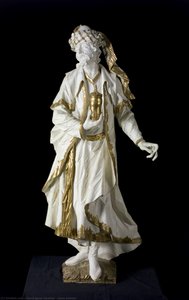
統計情報Chronos


 続きを読む
続きを読む
ウェブ上のプレビューを遥かに凌駕する、印刷に最適なファイルをご提供します。当サイトで販売しているすべてのデジタル画像は、弊社のデータベース内にある高解像度のマスターデータ(通常、幅5,000〜15,000ピクセル)から作成されています。そのため、大判印刷やタイトなクロップ、細部まで緻密な再現も、安心してお楽しみいただけます。
当スタジオから送り出される画像は、すべて丁寧に加工されています。デジタルエキスパートが原画と照らし合わせて色調を精査し、必要に応じて補正を行った上で、プロ仕様のリタッチツールを用いて鮮明さと細部を向上させます。その際、アーティストの筆致やスタイルに忠実であることを常に追求しています。その結果、単なるスキャン画像にフィルターをかけたようなものではなく、まるで本物の絵画を見ているかのような仕上がりを実現しています。
仕上がりをご確認いただいてから完了となります。専門スタッフが、ご確認用の画像を72時間以内にメールでお送りいたします。もしご満足いただけない場合は、修正や改善のご要望を承るほか、品質が基準に満たない場合には返金も可能です。
出版社、デザインスタジオ、ギャラリー、そして印刷所から信頼される品質です。
デジタル画像
個人での鑑賞、印刷、クリエイティブなプロジェクトにご利用いただける高解像度ファイルをダウンロードできます。 ( プリント版に切り替え 手描きの複製画を注文する)
デジタル画像のご注文に付随する特典
プロフェッショナルなデジタル配信を、確かな品質で。
OriginalUniqueArt.com を選ぶことは、単に画像を手に入れることではありません。プロの手によって精密に仕上げられ、満足保証が付いた高品質なデジタルアートワークを受け取ることを意味します。ご注文いただいた際に自動的に付随する内容は、以下の通りです:

メールですぐにお届け
ご注文から72時間以内に、高解像度のデジタル画像ファイルをメールでお送りいたします。お手元に届き次第、すぐにご利用いただけます。

AI技術で最適化されたデジタルファイル
お客様の作品は、高度なAI技術と専門家による手作業を組み合わせてプロフェッショナルに最適化されており、細部のディテール、鮮明さ、そして正確な色再現性を最大限に引き出しています。

一生涯無料の再送サービス
ファイルを誤って削除したり、紛失してしまったりしましたか?ご安心ください。いつでも無料で再送いたします。

輸入手数料は、いつでも一切かかりません
関税や手数料、配送料を気にすることなく、お気に入りのアートワークをすぐにお楽しみいただけます。デジタルダウンロードは常に免税です。

正確な色彩の保証
プロ仕様のツールとカラーマネジメント技術を用いることで、デジタル画像が元の色を最大限に忠実に再現することを保証いたします。

100日間満足保証
ご購入いただいたデジタル画像にご満足いただけない場合は、100日以内であれば、理由を問わず修正または100%の返金対応をさせていただきます。

100% 返金保証
ご満足いただけない場合は、デジタルファイルを受け取ってから100日以内であれば、理由を問わず全額返金いたします。

まとめ買い割引
3枚購入で10%OFF、5枚購入で15%OFF、10枚以上のご購入で20%OFF。クリエイティブなプロジェクトやギャラリー、エージェンシーに最適です。
アーティスト・プロフィール
The Master of Bavarian Rococo
In the heart of eighteenth-century Bavaria, a period defined by the exuberant grace of the Rococo, the name Franz Ignaz Günther emerged as a beacon of sculptural brilliance. Born in 1725 in Altmannstein, Germany, Günther’s journey into the world of fine art began not in an academy, but within the humble, aromatic confines of his father's carpenter and cabinetmaker workshop. This early immersion in the tactile reality of wood and grain provided him with a foundational mastery over his medium that would later allow him to breathe life into seemingly static timber. His formative years were shaped by the rhythmic precision of craftsmanship, a skill set that would eventually evolve into a profound artistic language capable of expressing the most delicate spiritual ecstasies.
The trajectory of his talent led him from the local workshops of Altmannstein to the prestigious studios of Munich, where between 1743 and 1750, he studied under the renowned court sculptor Johann Baptist Straub. This mentorship was pivotal, connecting Günther to the lineage of great German sculptors and refining his ability to manipulate form and light. His Wanderjahre—the essential period of wandering and learning—further expanded his artistic horizons as he traveled through Salzburg, Olmütz, Vienna, and Mannheim. In each city, he absorbed the nuances of the European Rococo style, studying under masters like Paul Egell. By the time he reached the Vienna Academy of Fine Arts in 1753, Günther was no longer merely a skilled carver but a rising virtuoso, a fact cemented when he won the academy's annual students' competition.
Elegance in Wood and Spirit
Returning to Munich in 1754, Günther established his own workshop, which became a crucible for some of the most breathtaking religious sculptures of the era. His work is characterized by an unparalleled ability to capture movement and emotion through elongated proportions and the intricate, angular arrangement of drapery. To gaze upon a Günther sculpture is to witness a dance of light and shadow; his figures often possess an ecstatic quality, where the heavy folds of carved wood seem to flutter with a life of their and divine inspiration. While much of his work was carved from wood and subsequently polychromed by skilled artisans, the structural soul of each piece remained his singular achievement.
His contributions to sacred spaces are perhaps his most enduring legacy. Throughout Bavaria, his altars and statues transformed churches into celestial theaters. Notable works include:
- The Church of the Holy Cross in Altmannstein, where his roots and artistry converged in a profound display of local devotion.
- The High Altar of Neustift Abbey Church in Freising, a testament to his ability to command large-scale ecclesiastical spaces.
- The Pietàs of Weyarn and Nenningen, works that showcase his mastery of the profound sorrow and tender grace central to the Baroque and Rococo traditions.
Beyond the church walls, Günther’s influence reached even the highest echelons of society and art production. His large porcelain crucifix, commissioned for the Munich Residenz, remains a marvel of technical complexity, with its pattern still honored by the Nymphenburg Porcelain Manufactory today. This ability to translate his sculptural vision into different media underscores his versatility and the lasting impact of his aesthetic. Even centuries later, the reverence for his skill is reflected in the profound respect shown to his legacy, such as when a wooden crucifix in his style was presented as a gift to Pope Benedict XVI. Franz Ignaz Günther remains not just a sculptor of wood, but a sculptor of the Bavarian soul, leaving behind a trail of grace that continues to captivate the modern eye.
Franz Ignaz Günther
1725 - 1775 , Germany
略歴
- Full Name: Franz Ignaz Günther
- Nationality: German
- Date Of Birth: 1725
- Date Of Death: 1775
- Place Of Birth: Altmannstein, Germany
- Notable Artworks:
- Chronos
- Pietà
- Artistic Movement Or Style: Bavarian Rococo
- Artists Who Influenced This Artist:
- Johann Baptist Straub
- Paul Egell