

 シェアする
シェアする シェアする
シェアする
 詳細を見る
詳細を見る

 ダウンロード
 似ている作品
 スライドショー
1970 (New Year
 Gelatin Silver Print
- Photo
- Bauhaus
 1970
1970- Modern
 17.0 x 12.0 cm
 バウハウス デッサウ フンドウション
 詳細を見る
詳細を見る
ジークレー/アートプリント
迅速な制作と多彩な仕上げオプションを備えた、ミュージアムクオリティのジークレーまたはキャンバスプリント。 ( 手描き画への切り替え 画像に切り替え)




































作品のオリジナル比率に合わせた、当店の規定サイズからお選びください。

特定のフレームやスペースに合わせて、ご自身でサイズを指定することも可能です。選択されたサイズが元の画像の比率と一致しない場合、作品をトリミングするか、鏡面反射または単色での塗りつぶしによって画像を拡張いたします。制作を開始する前に、ご確認用のデジタルモックアップをお送りいたします。
画面上のプレビューには、実際のトリミングや拡張は反映されませんのでご注意ください。最終的な構図を正確に確認できるのは、モックアップのみとなります。
カスタムサイズも承っておりますが、元の比率を維持するためには、あらかじめ用意されたリストからサイズを選択することをお勧めいたします。


 ガラスオプションは、110cm未満のサイズでのみご利用いただけます。

1970 (New Year
ジークレー/アートプリント
複製画のサイズ
-


合計金額
$ 81
作品詳細説明
A Moment Frozen in Time: The Essence of Franz Ehrlich’s 1970
In the quiet intersection of memory and minimalism, Franz Ehrlich’s "1970 (New Year)" stands as a profound meditation on the passage of time. This evocative work, captured through the delicate medium of a gelatin silver print, presents us with an intimate glimpse into the artist's contemplative universe. At first glance, the eye is drawn to the stark, monochromatic simplicity of a single chair, its round seat bearing the enigmatic number 19. There is a haunting stillness in this composition, a sense of a world paused, where the weight of a new decade begins to settle upon the objects we inhabit. The interplay of light and shadow within this black and white photograph breathes life into the wooden textures and metal framework, transforming a simple piece of furniture into a vessel for profound reflection.
The technical mastery behind this piece lies in its ability to evoke depth through subtle tonal gradations. As a gelatin silver print, the work possesses a rich, velvety quality that allows the viewer to feel the grain of the wood and the cold strength of the metal. Ehrlich, a man whose life was shaped by the rigorous discipline of the Bauhaus, utilizes a compositional language that is both sparse and deeply intentional. Every line serves a purpose, guiding the viewer's gaze toward the central motif—the number 19—which acts as a symbolic anchor. This numerical mark, nestled within the circular seat, suggests a countdown, a marking of progress, or perhaps a quiet celebration of survival and continuity amidst the shifting tides of history.
To understand the emotional resonance of "1970," one must consider the historical soul of its creator. Franz Ehrlich’s journey was one of immense resilience; having navigated the political upheavals of 20th-century Germany and the hardships of imprisonment, his art often carries an undercurrent of quiet strength and structural integrity. In this work, we see the legacy of the Bauhaus movement—the marriage of form and function—reimagined through a lens of personal introspection. The chair is not merely an object of utility; it is a symbol of stability and presence. For the collector or the interior designer, this piece offers more than just aesthetic beauty; it provides a focal point of intellectual depth, making it an ideal centerpiece for spaces that value modernism, historical gravity, and the poetic power of minimalism.
Integrating a high-quality reproduction of this masterpiece into a curated collection allows for a continuous dialogue with the avant-garde past. Whether placed in a contemporary gallery setting or a sophisticated residential study, "1970 (New Year)" invites conversation about identity, time, and the enduring beauty of the essential. It is a work that does not shout for attention but rather commands it through its dignified restraint, offering an eternal sense of peace to any environment it graces.
アーティストの略歴
生い立ちと教育
フランツ・エーリッヒは、ドイツが誇る建築家、カリグラファー、そしてグラフィックデザイナーとしてその名を刻みました。1907年に生を受けた彼の若き日々は、芸術への抗いがたい情熱に彩られていました。その才能は、1927年から1930年にかけてデッサウのバウハウスに入学するという道へと彼を導きます。この権威ある学び舎での経験は、当時のアヴァンギャルドな運動に彼を触れさせ、エーリッホの芸術的視点を形作る上で極めて重要な役割を果たしました。芸術的キャリアと政治的背景
エーリッヒの人生とキャリアにおいて、共産党への帰属はあまりにも深い影を落としました。1935年、ナチス政権による逮捕と投獄という過酷な運命が彼を襲い、その出来事は彼の芸術的探求の軌道を劇的に変えてしまうこととなります。しかし、こうした逆境に直面しながらも、エーリッヒは芸術の世界への貢献を止めることはありませんでした。彼が遺した足跡は、見る者の心にインスピレーションを与え、同時に深い思索を促すものとして今なお輝き続けています。代表作
エーリッヒの卓越した才能を示す作品には、以下のようなものがあります:- 「800 yrs. das buch [the book]」平面図および立面図(ライプツィヒ・メッセの展示用ディスプレイラック)。これは、デザインと建築に対する彼の革新的なアプローチを証明する傑作です。
- バウマン教授邸の設計(基礎平面図)。建築計画における彼の高度な専門知識を如実に示しています。
- 1933年(写真と彫刻による広告プロジェクト)。写真と彫刻を融合させたユニークな試みであり、彼の実験的な精神が際立つ作品です。
エーリッヒの作品を収蔵する美術館とコレクション
OriginalUniqueArt.comでは、前述の作品を含むエーリッヒの広範なコレクションを取り揃えています。また、バウハウス・デッサウ財団(ドイツ、デッサウ=ロッslau)も、彼の芸術的営みを保管する重要な拠点となっています。遺産と影響
フランツ・エーリッヒが芸術界にもたらした貢献は多面的であり、彼の幅広い関心と類まれな才能を反映しています。創造的な側面においても、個人的な苦難の側面においても、彼の経験はドイツ史の転換点における「芸術と政治の交差点」について、極めて貴重な洞察を与えてくれるのです。- エーリッヒのさらなる作品についてはこちらをご覧ください: https://OriginalUniqueArt.com/@/franz-ehrlich
- バウハウス・デッサウ財団とそのコレクションを探索する: バウハウス・デッサウ財団(ドイツ、デッサウ=ロッslau)
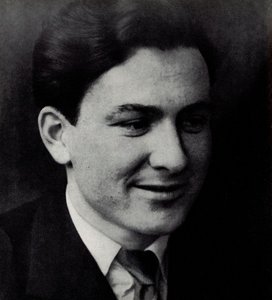
フランツ・エーリッヒ
1907 - 1984 , ドイツ
基本情報
- Artistic Movement Or Style: バウハウス、表現主義
- Artists Or Movements Influenced By This Artist:
- バウハウス
- コミンテルン青年団
- Artists Who Influenced This Artist:
- ヴァルター・グロピウス
- モホリ=ナギ
- クレー
- ヨースト・シュミット
- Date Of Birth: 1907年
- Date Of Death: 1984年
- Full Name: フランツ・エアリヒ
- Nationality: ドイツ
- Notable Artworks:
- 800 YRS. FRAMEWORK WALL 3
- 無題 (HKB I または II)
- バイオリンのある絵画
- Place Of Birth: ドイツ、ロイト
関連記事

White on Canvas: 10 Masterpieces & Timeless Elegance for Your Home Decor
Explore 10 iconic white paintings by Monet, Whistler & Rothko! Discover the stories behind these serene masterpieces and their impact on art history. Find museum-quality reproductions for your home decor at .

Dark Masterpieces: 10 Iconic Paintings Dominated by Black Tones |
Explore 10 iconic paintings dominated by black tones, from Rembrandt’s chiaroscuro to Goya's dark expressions. Discover the stories behind these masterpieces & find museum-quality art reproductions for your home at .
カジミール・マレーヴィチ:至高の25選 - 抽象芸術の革命とホームデコレーション
カジミール・マレーヴィチの至高の25選。シュプレマティズムを代表する「ブラックスクエア」をはじめ、抽象芸術の革命的作品群を紐解きます。ロシア構成主義からミニマリズムまで、美術史に輝く傑作をOriginalUniqueArt.comで。高品質なアートプリントとホームデコレーションの世界へ。今すぐコレクションをご覧ください。
Minimalist Masterpieces: 10 Artworks for Serene Home Decor | OriginalUniqueArt
Find serenity with 10 minimalist masterpieces! Explore Agnes Martin, Rothko & more. Discover the stories behind iconic abstract art, neutral palettes & calming designs. Museum-quality reproductions at OriginalUniqueArt.com – elevate your home decor today!
Shadow & Soul: Why Black & White Photography Remains the Ultimate Power Move in Modern Art
Discover why black & white photography remains a powerful force in contemporary art. Explore the impact of light, shadow, and texture through a visual journey of monochrome mastery and learn how to elevate your space with timeless grayscale aesthetics.

