

 設置イメージを確認
 送る
送る シェア
シェア
 詳細情報
詳細情報 ガイドを表示

 画像をダウンロード
 似ている作品
 X線調査
X線調査 スライドショー
 統計情報
統計情報untitled (5618)

 続きを読む
続きを読む
このページに掲載されている作品は著作権法によって保護されており、当社の許可なく同一の複製物を制作または販売することは法律で禁じられています。この保護は、以下のような国際条約に基づき執行されます。 ベルヌ条約 および、以下の条項に定められたものを含む各国の法律により、 米国著作権法 第17編。
この手法は、著作権で保護された作品の複製や複写を伴わないため、著作権法に完全に準拠しています。これは単なる模倣ではなく、創造的な再解釈です。元の作品からインスピレーションを受けつつも、それとは異なる、全く新しい絵画を生み出すものです。
ジークレー/アートプリント
スピーディーな制作と多彩な仕上げオプションが魅力の、ミュージアムクオリティなジークレー・キャンバスプリント。 ( 手描きの複製画を注文する デジタル画像販売へ切り替え)




P118B ¥10

P118H ¥10

P118W ¥10

P438Z ¥10

P508JH ¥12

P508YH ¥12

P805H ¥10

P805Z ¥10

P919BZ ¥10

P919G ¥10

P919XJ ¥10

P959ZH ¥10

P968JZ ¥12

W106C ¥8

W218G ¥10

W218JH ¥8

W218Y ¥10

W307PJ ¥10

W316G ¥10

W316PJ ¥8

W316Y ¥10

W398PJ ¥8

W4111J ¥10

W500HY ¥15

W500JH ¥15

W692G ¥12

W849H ¥8

W940BG ¥15

W953PJ ¥8




作品のオリジナル比率に合わせた、当店の規定サイズからお選びください。

額縁や壁のスペースに合わせて、ご希望の幅と高さを入力してください。プリントはカットすることは可能ですが、元の画像より大きくすることはできないため、異なる比率のサイズを選択された場合は、画像の一部が欠けることになります。印刷を開始する前に、内容を確認していただくためのデジタルモックアップをお送りいたします。このページに表示されている画像は、実際のカット後の状態を示すものではありません。実際の仕上がりはモックアップにてご確認ください。


 ガラスオプションは、110cm未満のサイズでのみご利用いただけます。

untitled (5618)
ジークレー/アートプリント
複製画サイズ一覧
-


合計金額
¥ 12603
A Symphony of Color and Form: Unpacking the Essence of Kupka’s Untitled (5618)
František Kupka, a name synonymous with the genesis of abstract art, wasn't merely an artist; he was a visionary who wrestled with profound questions about perception and spirituality. Born in Opočno, Bohemia—a region steeped in Austro-Hungarian heritage—Kupka’s artistic journey began with meticulous academic training at Prague and Vienna academies, where he honed his skills depicting historical narratives and patriotic emblems. Yet, beneath the veneer of traditional technique lay a restless spirit yearning for something more – a liberation from representational constraints that would ultimately propel him toward groundbreaking innovation. This formative period instilled in him a disciplined eye for detail, but it was Paris—the epicenter of artistic ferment at the turn of the century—that truly ignited his creative fire. Attending the Académie Julian and studying under Jean-Pierre Laurens solidified his grounding in classical aesthetics while simultaneously exposing him to the burgeoning avant-garde movements reshaping European art.The Birth of Orphism: Style and Technique
Kupka’s artistic breakthrough arrived with Orphism, a movement he spearheaded alongside Vasily Kandinsky and Aleksandr Nikolayevich Roubliov—a radical departure from Impressionism and Cubism. Unlike its predecessors which sought to dissect visual reality into geometric fragments, Orphism prioritized color as the primary expressive element. Kupka achieved this through a technique characterized by applying paint in distinct, unmixed segments – akin to mosaics or stained glass windows – creating vibrant, luminous surfaces that pulsed with internal energy. The deliberate avoidance of blending ensured that each hue retained its purity and intensity, fostering a visual experience focused on emotional resonance rather than objective depiction. This meticulous approach demanded considerable precision and patience, reflecting Kupka’s unwavering commitment to capturing the intangible qualities of perception.Geometric Harmony: Composition and Visual Language
The composition of Untitled (5618) exemplifies Orphic principles perfectly. Rejecting perspectival illusion, Kupka presents a flattened plane dominated by swirling circles, arcs, and fragmented lines—elements meticulously arranged to generate movement and depth without resorting to traditional spatial conventions. These geometric forms aren’t merely decorative; they function as visual symbols representing spiritual concepts and striving for transcendence. The overlapping layers of shapes contribute to a complex interplay of textures and hues, mirroring the dynamism inherent in Kupka's exploration of inner experience. Notice how the dominant blues and greens evoke tranquility alongside energetic bursts of yellow and orange—a deliberate juxtaposition designed to stimulate contemplation and convey an optimistic outlook.Symbolic Resonance: Exploring Inner Landscapes
Beyond its formal brilliance, Untitled (5618) speaks volumes about Kupka’s philosophical convictions. Influenced by Anthroposophy – a spiritual movement emphasizing the interconnectedness of humanity and nature—Kupka sought to depict not merely what he saw but what he felt. The swirling patterns can be interpreted as representations of cosmic forces, mirroring the artist's fascination with universal rhythms and cycles. Color itself becomes imbued with symbolic significance, conveying emotions ranging from serenity to exhilaration – a testament to Kupka’s belief in art’s capacity to illuminate the hidden depths of consciousness.Emotional Impact: A Window into Spiritual Vision
Ultimately, Untitled (5618) transcends mere visual aesthetics; it invites viewers into a realm of contemplation and emotional engagement. The luminous color palette and dynamic composition generate an atmosphere of profound serenity mingled with palpable energy—a reflection of Kupka’s desire to capture the essence of spiritual experience. Reproductions of this artwork offer not only artistic beauty but also access to a pivotal moment in art history, allowing admirers to appreciate the pioneering spirit that birthed Orphism and cemented Kupka's legacy as one of the foremost innovators of modern abstraction.よくあるご質問
フランティシェク・クプカによる「untitled (5618)」はパブリックドメインに含まれますか?また、その理由は何ですか?
「untitled (5618)」の著作権の状態について — 著作権により保護されています — は、作者の没年である1957に基づいています。
「untitled (5618)」の油彩複製画を注文することはできますか?
フランティシェク・クプカ作「untitled (5618)」の手描き複製画は、こちらの手描き油彩複製画ページからご注文いただけます:リネンキャンバスに手描きされた油彩複製画(受注制作)
「untitled (5618)」の中で、最も際立っている色はどれですか?
フランティシェク・クプカ作「untitled (5618)」の主色(メインカラー)はWalnut (#965724)です。
アーティストについて
抽象の先駆者:フランチシェク・クプカの生涯と芸術
1871年、ボヘミア地方のオポチノに生まれたフランチシェク・クプカは、その後の抽象絵画の黎明期を象徴する画家として知られています。彼の芸術への道程は、アカデミックな訓練からラディカルな抽象表現へと、精神的な探求と視覚的真理への飽くなき追求によって徐々に開かれていきました。プラハ美術アカデミーやウィーンでの研鑽時代には歴史的・愛国的なテーマに傾倒していましたが、その初期作品は技術的には優れても、彼を特徴づける独自の表現力はまだ見え隠れしていました。1894年のパリ移住が画運の転換点となり、アカデミー・ジュリアンやジャン=ピエール・ローランに師事するÉcole des Beaux-Artsで研磨を重ねます。しかし、彼を真に刺激したのは形式的な訓練だけではなく、世紀末のパリにおける象徴主義、新印象派、フォーヴィズムといった知的興奮でした。純粋な抽象への道:影響と革新
クプカの芸術的軌跡は、美的考察のみに導かれたものではありませんでした。彼の創作活動は、哲学的な探求や精神世界への深い関心によって大きく形作られました。特に神智学(Theosophy)との出会いは大きな影響を与えました。この神秘主義体系は、東洋宗教と西洋のエソテリズムを融合させ、目に見える世界の背後に隠された現実を明らかにしようとするものでした。クプカはこの思想に共鳴し、芸術が単なる模倣を超越し、色彩、形態、線といった視覚要素の操作を通して、より深い真理にアクセスできると信じるようになりました。この信念は、彼を具象的な対象物の描写から離れ、主観的で内面的な視覚体験の探求へと導きました。初期の実験では、フィギュラティブな表現と抽象表現の境界線を曖昧にし、例えば『生命の始まり』のような作品において、象徴的なイメージと萌芽する抽象要素が絡み合いました。彼はまた、同時代の科学理論、特に色彩と光に関する研究にも関心を寄せ、それらが鑑賞者の心理に及ぼす影響を理解しようと努めました。この精神性と科学的観察の融合は、彼の芸術的アプローチの特徴となりました。色彩を単なる記述的な要素としてではなく、独立した力として捉え、感情を喚起し、直接的に意味を伝えるものとして認識するようになったのです。オルフィック・キュビスムとそれ以降:独自の視覚言語
1910年代初頭には、クプカは抽象絵画の先駆者としての道を歩み始めました。『アモルファ:二色のフーガ』(1912年)のような作品は、公に展示された最初期の非具象作品の一つとして、従来の芸術的表現概念に挑戦しました。彼は単に形態を解体することに興味があったのではなく、純粋な抽象に基づいた新しい視覚言語の創造を目指していました。これが彼をオルフィック・キュビスム(またはオルフィズム)との関わりへと導きました。ロベール・ドローネーが主導したこの運動は、色彩と光のダイナミックな相互作用を強調しました。しかし、クプカのアプローチはドローネーとは異なっていました。両者とも抽象形態を探求しましたが、クプカはしばしば潜在的な構造やリズムを保持し、絵画の中で音楽的な構成を想起させました。そのため、「フーガ」や「円盤」といった用語が頻繁に使われました。『ニュートンの円盤』シリーズはその好例であり、宇宙の法則を暗示するエネルギーに満ちた円形の形態を描いています。彼は単なる美的な配置を作り出すのではなく、根底にある宇宙原理を可視化しようと試みていたのです。遺産と永続的な影響
フランチシェク・クプカの貢献は、個々の絵画にとどまりません。1931年に設立された抽象-創造(Abstraction-Création)の創設メンバーとして、彼は国際的な抽象芸術推進において重要な役割を果たし、近代主義の進展に大きく貢献しました。彼の作品は国際的に認められ、ニューヨーク近代美術館で開催された「キュビスムと抽象絵画」(1936年)のような画期的な展示会で紹介されました。カンディンスキーやモンドリアンほど著名ではありませんでしたが、クプカの先駆的な精神と独自の視覚言語は、抽象芸術の歴史における彼の地位を確固たるものにしました。彼の遺産は今日でも多くのアーティストにインスピレーションを与え続けており、抽象が単なる表現の排除ではなく、新たな表現の可能性を開き、隠された現実の次元を明らかにするものであることを思い出させてくれます。彼は目に見えるものを描こうとしたのではなく、感じたものを描こうとしました。そしてそうすることで、視覚体験の宇宙を開拓したのです。 芸術の根本的な要素—色彩、形態、線—を探求することへの彼の献身は、確立された規範に疑問を投げかけ、純粋な抽象の力を受け入れることによって真の革新が生まれることを示しています。クプカ作品所蔵美術館
- ソロモン・R・グッゲンハイム美術館(ニューヨーク、アメリカ合衆国)
- パリ近代美術館(パリ、フランス)
- マネス美術館(プラハ、チェコ共和国)

フランティシェク・クプカ
1871 - 1957 , チェコ共和国
アーティスト情報
- Artistic Movement Or Style: 抽象芸術、オルフィスム
- Artists Or Movements Influenced By This Artist: ['オルフィズム']
- Date Of Birth: 1871年9月23日
- Date Of Death: 1957年
- Full Name: フランティセク・クプカ
- Nationality: チェコ人
- Notable Artworks (List Of Titles):
- 色彩の円
- 点の周り
- Place Of Birth (City And Country): オパヴァ、チェコ共和国
関連記事

Beyond Form & Color: Geometric Abstraction's Evolution in 20th/21st Century Art
Explore the evolution of geometric abstraction from Cubism to contemporary art. Discover key artists like Malevich & Mondrian, investment insights, and expert collecting advice at OriginalUniqueArt.

幾何学的抽象絵画を定義した傑作10選|アート、アーティスト、インテリア装飾
モンドリアン、マレーヴィチ…幾何学的抽象絵画を代表する傑作10選。各作品の背景や色彩構成、アーティストの情熱に迫ります。美術館品質の複製画はOriginalUniqueArt.comで。オンラインでアートコレクションをご覧ください。
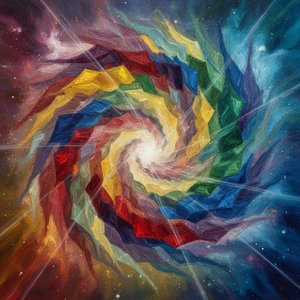
Orphism Unlocked: The High-Energy Color Revolution That Defined Abstract Art
Dive into the high-energy world of Orphism. Discover how this color revolution broke Cubism's rules to define modern abstraction through light, motion, and pure visual impact. Explore the legacy of the Delaunays and bring bold, vibrant energy to your contemporary space.

Neo-Abstract Art: The High-Impact Evolution of Modern Visual Energy and Geometric Sophistication
Discover the power of Neo-Abstract art. Explore how bold geometric forms and high-impact visual energy are redefining modern design. Learn to curate sophisticated, high-energy spaces with the latest trends in contemporary abstraction and structural color.
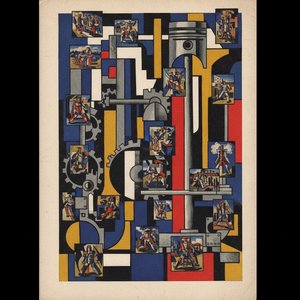
フェルナン・レジェ傑作25選:機械美と色彩の革新 | OriginalUniqueArt
フェルナン・レジェの傑作25選。機械美と色彩が織りなすキュビズムの世界を紐解きます。OriginalUniqueArtで、フランス絵画の巨匠レジェの作品を高精細プリントで。インテリアアートやギフトにも最適です。全コレクションはこちら: OriginalUniqueArt.com