

 プレビュー
プレビュー
 プリントを購入
 シェアする
シェアする シェアする
シェアする
 詳細を見る
詳細を見る

 ダウンロード
 似ている作品
 X線調査
X線調査 スライドショー
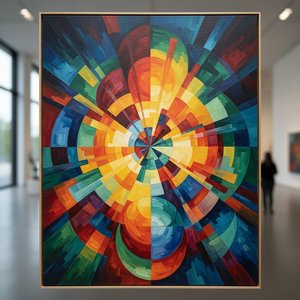
Dynamic of a ballet


 詳細を見る
詳細を見る




































作品のオリジナル比率に合わせた、当店の規定サイズからお選びください。

特定のフレームやスペースに合わせて、ご希望のサイズをご入力いただけます。選択されたサイズが元の画像の比率と異なる場合、アートワークをトリミングするか、手描きで要素を追加して絵画を拡張いたします。デジタルモックアップ を制作し、制作開始前にご確認(承認)をいただきます。
画面上のプレビューは、実際のトリミングや拡張を正確に反映しているものではありません。最終的な構図は、モックアップによってのみ正確にご確認いただけます。
カスタムサイズもご利用いただけますが、元の比率を維持するためには、あらかじめ用意されたリストからサイズを選択することをお勧めいたします。
ご注文後、OriginalUniqueArt.com チームより詳細な指示をお送りするとともに、仕上がりイメージ(モックアップ)をご提供いたします。


 ガラスオプションは、110cm未満のサイズでのみご利用いただけます。

Dynamic of a ballet
複製技法
複製画のサイズ
-


合計金額
$ 300
作品解説
Dynamic of a ballet – Frantisek Kupka
František Kupka’s “Dynamic of a ballet” isn't merely a depiction of dance; it’s an embodiment of Orphism, a revolutionary movement born from the crucible of early 20th-century artistic experimentation. Painted in 1912, this watercolor captures not a literal representation of performers but rather the very essence of movement and energy—the feeling itself—transformed into a visual language that defies conventional perspective. Imagine stepping into a studio bathed in diffused light as Kupka’s brushstrokes swirl across the canvas, mirroring the rhythm and grace of balletic motion.Composition & Color Palette: A Symphony of Spirals
The artwork's dominant characteristic is its mesmerizing spiral composition. Like a dancer spinning effortlessly, concentric circles radiate outwards from a central point, creating an illusion of centrifugal force—a visual metaphor for dynamism itself. Kupka eschews traditional spatial relationships, prioritizing instead the flow and interconnectedness of shapes. This deliberate absence of perspective isn’t a flaw but rather a conscious decision to liberate the eye from constraints, inviting it to follow the spiraling patterns across the entire expanse of the canvas. The color palette is equally bold—a vibrant interplay of reds, pinks, blues, whites, and greens. These hues aren't blended smoothly; instead, they’re applied in distinct areas, mirroring the layering of fabrics or costumes during a ballet performance. The juxtaposition of warm reds and pinks against cool blues and greens generates visual tension and contributes to the overall feeling of excitement and movement.Technique & Style: Orphic Cubism's Fluid Embrace
Kupka’s masterful technique—watercolor on paper—allows for subtle gradations of color and texture, creating a luminous quality that imbues the artwork with an ethereal glow. The brushstrokes are fluid and expressive, conveying a sense of spontaneity and capturing the fleeting beauty of motion. Evidence suggests layering techniques, hinting at a deliberate effort to build up depth and richness without resorting to traditional shading methods. Kupka’s style firmly anchors itself within Orphism—a branch of Cubism that prioritized color and rhythm over geometric form. This approach sought to distill visual experience into its purest elements, prioritizing emotional impact over literal depiction. The resulting image is less about capturing a specific ballet scene and more about conveying the intangible spirit of dance itself.Symbolic Resonance: Movement Beyond Representation
“Dynamic of a ballet” transcends mere visual representation; it operates on a symbolic level. The swirling forms evoke not just physical movement but also concepts of transformation, energy, and perhaps even chaos—themes frequently explored in artistic endeavors during this period. Kupka’s deliberate abstraction serves as a conduit for conveying emotion rather than documenting reality. Like the graceful turns of a ballet dancer, the artwork invites contemplation and encourages viewers to engage with its underlying message: an exploration of pure form and color as vehicles for expressing profound feelings.Historical Context & Legacy
Painted in 1912, “Dynamic of a ballet” reflects the broader artistic currents of its time—the burgeoning interest in abstraction and the influence of movements like Cubism and Futurism. Kupka’s pioneering approach paved the way for subsequent generations of artists to experiment with non-representational imagery and to prioritize emotional expression over visual accuracy. This artwork remains an enduring testament to the transformative power of art, demonstrating how a single image can capture not just what is seen but also what is felt—a timeless celebration of movement and beauty.アーティストの略歴
抽象の先駆者:フランチシェク・クプカの生涯と芸術
1871年、ボヘミア地方のオポチノに生まれたフランチシェク・クプカは、その後の抽象絵画の黎明期を象徴する画家として知られています。彼の芸術への道程は、アカデミックな訓練からラディカルな抽象表現へと、精神的な探求と視覚的真理への飽くなき追求によって徐々に開かれていきました。プラハ美術アカデミーやウィーンでの研鑽時代には歴史的・愛国的なテーマに傾倒していましたが、その初期作品は技術的には優れても、彼を特徴づける独自の表現力はまだ見え隠れしていました。1894年のパリ移住が画運の転換点となり、アカデミー・ジュリアンやジャン=ピエール・ローランに師事するÉcole des Beaux-Artsで研磨を重ねます。しかし、彼を真に刺激したのは形式的な訓練だけではなく、世紀末のパリにおける象徴主義、新印象派、フォーヴィズムといった知的興奮でした。純粋な抽象への道:影響と革新
クプカの芸術的軌跡は、美的考察のみに導かれたものではありませんでした。彼の創作活動は、哲学的な探求や精神世界への深い関心によって大きく形作られました。特に神智学(Theosophy)との出会いは大きな影響を与えました。この神秘主義体系は、東洋宗教と西洋のエソテリズムを融合させ、目に見える世界の背後に隠された現実を明らかにしようとするものでした。クプカはこの思想に共鳴し、芸術が単なる模倣を超越し、色彩、形態、線といった視覚要素の操作を通して、より深い真理にアクセスできると信じるようになりました。この信念は、彼を具象的な対象物の描写から離れ、主観的で内面的な視覚体験の探求へと導きました。初期の実験では、フィギュラティブな表現と抽象表現の境界線を曖昧にし、例えば『生命の始まり』のような作品において、象徴的なイメージと萌芽する抽象要素が絡み合いました。彼はまた、同時代の科学理論、特に色彩と光に関する研究にも関心を寄せ、それらが鑑賞者の心理に及ぼす影響を理解しようと努めました。この精神性と科学的観察の融合は、彼の芸術的アプローチの特徴となりました。色彩を単なる記述的な要素としてではなく、独立した力として捉え、感情を喚起し、直接的に意味を伝えるものとして認識するようになったのです。オルフィック・キュビスムとそれ以降:独自の視覚言語
1910年代初頭には、クプカは抽象絵画の先駆者としての道を歩み始めました。『アモルファ:二色のフーガ』(1912年)のような作品は、公に展示された最初期の非具象作品の一つとして、従来の芸術的表現概念に挑戦しました。彼は単に形態を解体することに興味があったのではなく、純粋な抽象に基づいた新しい視覚言語の創造を目指していました。これが彼をオルフィック・キュビスム(またはオルフィズム)との関わりへと導きました。ロベール・ドローネーが主導したこの運動は、色彩と光のダイナミックな相互作用を強調しました。しかし、クプカのアプローチはドローネーとは異なっていました。両者とも抽象形態を探求しましたが、クプカはしばしば潜在的な構造やリズムを保持し、絵画の中で音楽的な構成を想起させました。そのため、「フーガ」や「円盤」といった用語が頻繁に使われました。『ニュートンの円盤』シリーズはその好例であり、宇宙の法則を暗示するエネルギーに満ちた円形の形態を描いています。彼は単なる美的な配置を作り出すのではなく、根底にある宇宙原理を可視化しようと試みていたのです。遺産と永続的な影響
フランチシェク・クプカの貢献は、個々の絵画にとどまりません。1931年に設立された抽象-創造(Abstraction-Création)の創設メンバーとして、彼は国際的な抽象芸術推進において重要な役割を果たし、近代主義の進展に大きく貢献しました。彼の作品は国際的に認められ、ニューヨーク近代美術館で開催された「キュビスムと抽象絵画」(1936年)のような画期的な展示会で紹介されました。カンディンスキーやモンドリアンほど著名ではありませんでしたが、クプカの先駆的な精神と独自の視覚言語は、抽象芸術の歴史における彼の地位を確固たるものにしました。彼の遺産は今日でも多くのアーティストにインスピレーションを与え続けており、抽象が単なる表現の排除ではなく、新たな表現の可能性を開き、隠された現実の次元を明らかにするものであることを思い出させてくれます。彼は目に見えるものを描こうとしたのではなく、感じたものを描こうとしました。そしてそうすることで、視覚体験の宇宙を開拓したのです。 芸術の根本的な要素—色彩、形態、線—を探求することへの彼の献身は、確立された規範に疑問を投げかけ、純粋な抽象の力を受け入れることによって真の革新が生まれることを示しています。クプカ作品所蔵美術館
- ソロモン・R・グッゲンハイム美術館(ニューヨーク、アメリカ合衆国)
- パリ近代美術館(パリ、フランス)
- マネス美術館(プラハ、チェコ共和国)

フランティシェク・クプカ
1871 - 1957 , チェコ共和国
基本情報
- Artistic Movement Or Style: 抽象芸術、オルフィスム
- Artists Or Movements Influenced By This Artist: ['オルフィズム']
- Date Of Birth: 1871年9月23日
- Date Of Death: 1957年
- Full Name: フランティセク・クプカ
- Nationality: チェコ人
- Notable Artworks (List Of Titles):
- 色彩の円
- 点の周り
- Place Of Birth (City And Country): オパヴァ、チェコ共和国
関連記事

幾何学的抽象絵画を定義した傑作10選|アート、アーティスト、インテリア装飾
モンドリアン、マレーヴィチ…幾何学的抽象絵画を代表する傑作10選。各作品の背景や色彩構成、アーティストの情熱に迫ります。美術館品質の複製画はOriginalUniqueArt.comで。オンラインでアートコレクションをご覧ください。

Kandinsky's Masterpieces: 25 Paintings That Define Abstract Art | OriginalUniqueArt
Journey through Wassily Kandinsky's 25 most iconic abstract paintings. Explore his revolutionary use of color, form & spiritual expressionism. Find museum-quality Kandinsky reproductions and elevate your home decor with OriginalUniqueArt.com. Discover all masterpieces on OriginalUniqueArt.com!

Orphism Unlocked: The High-Energy Color Revolution That Defined Abstract Art
Dive into the high-energy world of Orphism. Discover how this color revolution broke Cubism's rules to define modern abstraction through light, motion, and pure visual impact. Explore the legacy of the Delaunays and bring bold, vibrant energy to your contemporary space.

抽象表現主義を定義する十大傑作:芸術と装飾の深遠な旅
抽象表現主義を定義する10の傑作。ポロック、ロスコら巨匠たちの情熱と色彩の世界へ。各作品に込められた物語と技法を紐解き、至高のアート体験を。OriginalUniqueArt.comで、ミュージアムクオリティの複製画や洗練されたインテリアアイデアを発見してください。
Orphism: A Symphony of Color and Form – Exploring the Abstract Roots of Modern Art
Explore Orphism, the vibrant abstract art movement pioneered by Robert & Sonia Delaunay. Discover its unique color theory, lasting influence on modern art, and how to bring this 'symphony of color' into your home with OriginalUniqueArt.

