

 設置イメージを確認
 送る
送る シェア
シェア
 詳細情報
詳細情報 ガイドを表示

 画像をダウンロード
 似ている作品
 X線調査
X線調査 スライドショー
 統計情報
統計情報Three Monkeys Stealing Fruit
 Oil On Canvas
- WallArt
- Baroque
 1640
1640 98.0 x 147.0 cm
 ルーブル美術館
 続きを読む
続きを読む
ジークレー/アートプリント
スピーディーな制作と多彩な仕上げオプションが魅力の、ミュージアムクオリティなジークレー・キャンバスプリント。 ( 手描きの複製画を注文する デジタル画像販売へ切り替え)




P118B ¥10

P118H ¥10

P118W ¥10

P438Z ¥10

P508JH ¥12

P508YH ¥12

P805H ¥10

P805Z ¥10

P919BZ ¥10

P919G ¥10

P919XJ ¥10

P959ZH ¥10

P968JZ ¥12

W106C ¥8

W218G ¥10

W218JH ¥8

W218Y ¥10

W307PJ ¥10

W316G ¥10

W316PJ ¥8

W316Y ¥10

W398PJ ¥8

W4111J ¥10

W500HY ¥15

W500JH ¥15

W692G ¥12

W849H ¥8

W940BG ¥15

W953PJ ¥8




作品のオリジナル比率に合わせた、当店の規定サイズからお選びください。

特定のフレームやスペースに合わせて、ご自身でサイズを指定することも可能です。選択されたサイズが元の画像の比率と一致しない場合、作品をトリミングするか、鏡面反射または単色での塗りつぶしによって画像を拡張いたします。制作を開始する前に、ご確認用のデジタルモックアップをお送りいたします。
画面上のプレビューには、実際のトリミングや拡張は反映されませんのでご注意ください。最終的な構図を正確に確認できるのは、モックアップのみとなります。
カスタムサイズも承っておりますが、元の比率を維持するためには、あらかじめ用意されたリストからサイズを選択することをお勧めいたします。


 ガラスオプションは、110cm未満のサイズでのみご利用いただけます。

Three Monkeys Stealing Fruit
ジークレー/アートプリント
複製画サイズ一覧
-


合計金額
¥ 12296
A Symphony of Abundance: Frans Snyders’ “Three Monkeys Stealing Fruit”
Frans Snyders' "Three Monkeys Stealing Fruit," painted around 1640-1649, isn’t merely a depiction of mischievous primates; it’s a vibrant microcosm of Renaissance abundance and the intoxicating allure of earthly delights. Born in Antwerp during a period of artistic ferment, Snyders emerged as a master of still life, animal painting, and dynamic market scenes – genres he elevated with an unparalleled sense of theatricality and sensory detail. This particular work, housed within the Louvre’s collection, exemplifies his signature style: a riotous celebration of textures, colors, and movement that draws the viewer into a world brimming with sensual pleasure.
The painting immediately assaults the senses. A table laden with an astonishing array of fruit – plump apples, glistening grapes, and vibrant pears – dominates the composition. These aren’t simply objects; they are symbols of prosperity, fertility, and the fleeting nature of earthly pleasures. Snyders meticulously renders each piece, capturing the subtle variations in color, texture, and sheen with a remarkable level of realism. The artist's masterful use of chiaroscuro – the dramatic interplay of light and shadow – further enhances the sense of depth and volume, making the fruit appear almost tangible to the viewer.
The Theater of Animal Life
At the heart of this opulent tableau stand three monkeys, engaged in a brazen act of theft. These aren’t caricatures; they are portrayed with an intelligence that hints at cunning and mischief. Their postures are dynamic, their eyes gleaming with anticipation, and their movements suggest a carefully orchestrated plan. Snyders wasn't simply depicting animals; he was exploring the primal instincts – greed, curiosity, and playful rebellion – that reside within them. The monkeys’ actions serve as a subtle commentary on human desires and the temptation to indulge in worldly pleasures.
Snyders’ skill extends beyond mere representation. He imbues the scene with a palpable sense of drama and movement. The composition is carefully balanced, drawing the eye from one element to another. The monkeys' gestures, the scattering of fruit, and even the subtle shadows create an illusion of continuous action – as if the viewer has stumbled upon a secret moment in a bustling marketplace.
A Master of His Time
Snyders’ work is deeply rooted in the artistic traditions of Antwerp during the 17th century. He was influenced by artists like Pieter Brueghel the Younger, whose depictions of peasant life and market scenes provided a foundation for Snyders' own explorations of everyday subjects. However, Snyders pushed beyond mere imitation, developing his own distinctive style characterized by an exuberant energy and a profound appreciation for the beauty of the natural world. His collaboration with Peter Paul Rubens, particularly during the lavish decorations for the Spanish court, further cemented his reputation as one of the most important artists of his generation.
Symbolism and Emotional Resonance
Beyond its visual appeal, “Three Monkeys Stealing Fruit” is rich in symbolic meaning. The act of theft represents a challenge to established order – a reminder that even in the midst of abundance, there will always be those who seek to acquire more. The monkeys themselves can be interpreted as symbols of temptation and folly, urging viewers to consider the consequences of their desires. Yet, despite its cautionary message, the painting ultimately evokes a sense of joy and delight. The sheer profusion of fruit, combined with the monkeys’ playful antics, creates an atmosphere of lightheartedness and exuberance – a celebration of life's simple pleasures.
Reproductions of this captivating artwork offer a remarkable opportunity to bring Snyders’ vibrant vision into your home or office. A hand-painted reproduction captures not only the visual details but also the artist’s masterful use of light, shadow, and color, creating an immersive experience that transports you back to 17th-century Antwerp.
よくあるご質問
「Three Monkeys Stealing Fruit」はいつ制作されましたか?
フラン・スナイデルス作「Three Monkeys Stealing Fruit」の制作年は1640年です。
フラン・スナイデルス作「Three Monkeys Stealing Fruit」は、どのような主題と情緒を融合させているのでしょうか?
フラン・スナイデルス作「Three Monkeys Stealing Fruit」は、monkeys, fruit, theft, baroque, animals, snyders, antwerpを描き出し、Dramaticな情緒を湛えています。主題と雰囲気が相まって、作品の物語を形作っています。
「Three Monkeys Stealing Fruit」のファインアートプリントは販売されていますか?
フラン・スナイデルス作「Three Monkeys Stealing Fruit」のプリントは、このページから直接ご注文いただけます:コットンキャンバスまたはアーカイブ品質のキャンバスペーパーに施されたファインアートプリント。
「Three Monkeys Stealing Fruit」は、フラン・スナイデルスの作品群の中でどのような位置を占めているのでしょうか?
フラン・スナイデルスの作品群において、「Three Monkeys Stealing Fruit」はBaroque様式に属しており、baroque exuberance, flemish tradition, abundance, market scenes, life, animal studies, hunting motifs, rubens’ collaborationというテーマを共有しています。
フラン・スナイデルス作「Three Monkeys Stealing Fruit」にはどのような技法が用いられていますか?
フラン・スナイデルスは、「Three Monkeys Stealing Fruit」においてOil On Canvasの技法を用いています。この技法が、原画の素材としての性質を決定づけています。
フラン・スナイデルスは何歳の時に「Three Monkeys Stealing Fruit」を制作しましたか?
1640年に「Three Monkeys Stealing Fruit」が制作された際、1579年生まれのフラン・スナイデルスは61歳でした。
「Three Monkeys Stealing Fruit」の作者は?
「Three Monkeys Stealing Fruit」はフラン・スナイデルスによって制作されました。このページでは、フラン・スナイデルスのオリジナル作品についてご紹介しています。
アーティストについて
フランドルの豊穣:フラン・スナイデルスの生涯と芸術
1579年にアントワープで生まれたフラン・スナイデルスは、フランドル・バロック絵画のパノラマの中で独特かつ鮮やかな地位を占めています。ルーベンスやファン・ダイクといった巨匠たちが時代を席巻する中、スナイデルスの貢献—静物画、動物画、そして賑やかな市場風景への目覚ましい専門性—は決して見過ごせないものでした。彼は単に物体を描写したのではなく、豊穣を祝福し、テクスチャを堪能し、世俗的な喜びの瞬間を捉えました。彼の父、ヤン・スナイデルスは人気のあるワイン居酒屋を経営しており、若いフランは幼い頃から創造的なエネルギーの世界に浸っていました。この環境が間違いなく彼の芸術的才能を育み、有名な画家であるフランス・フローリスがかつてその店内で財産を浪費したという逸話も、スナイデルスの生い立ちを取り巻く活気に満ちた雰囲気を物語っています。彼は当初、ピーテル・ブリューゲル2世のもとで構図と細部に関する教訓を受け、その後、アンソニー・ファン・ダイクも指導を受けたヘンドリック・ファン・バレンのもとで技術を磨きました。この確かな基礎により、1602年にはアントワープの聖ルカ組合にマスターとして認められ、彼の多作なキャリアが正式に始まりました。コラボレーションと革新:スナイデルスの芸術的発展
スナイデルスの芸術的な旅は孤独な探求ではありませんでした。コラボレーションは彼の実践の中心でした。彼はすぐに当時の主要なアーティストから求められるパートナーとしての地位を確立し、特にピーター・ポール・ルーベンスとの関係は非常に実りあるものでした。彼らの協力関係は目覚ましい成果をもたらし、スナイデルスは頻繁にルーベンスの壮大な構図における動物や静物画を担当しました。スペインのトレ・デ・ラ・パラダ狩猟パビリオンはその両者の才能を証明する証であり、スナイデルスはルーベンスのデザインに基づいて60以上の動物画を描きました。このパートナーシップは単なる依頼の遂行ではなく、アイデアのダイナミックな交換であり、両アーティストを新たな技術的および表現的な高みへと押し上げました。ルーベンス以外にも、アンソニー・ファン・ダイク、ヤコブ・ヨルダーンス、アブラハム・ヤンセンスと協力し、彼の多様性と適応性を示しました。しかし、彼は単にこれらの巨匠のアクセサリーとして存在していたわけではありません。彼は、躍動的な構図、果物の光沢から獲物の粗い皮まで見事なテクスチャの表現、そして被写体に命を吹き込む鮮やかなリアリズムによって特徴づけられる独自のスタイルを開拓しました。スナイデルスは本質的に独立した動物静物画というジャンルを発明し、伝統的な狩猟戦利品の描写を超えて自然界の固有の美と活力を探求しました。目のごちそう:テーマと技法
スナイデルスの作品の中心となるテーマは、世俗的な喜び—市場の豊穣、狩りの興奮、そして十分に備えられたパントリーのシンプルな優雅さです。彼の市場風景は特に魅力的で、人物が溢れ、かごがいっぱいで、ほとんど触覚的に感じられるようなエネルギーに満ちています。彼は食料生産の現実から目を背けません。完璧な果物や野菜の隣には、むき出しになった家禽や新鮮な魚が見られ、生命と糧のサイクルを視聴者に思い出させます。彼の静物は静的な配置ではなく、むしろ相互作用を誘うようなダイナミックなディスプレイです。スナイデルスは光と影を捉える並外れた能力を持っており、被写体がほとんど触れることができるような深みとボリュームを生み出しました。彼は特に毛皮や羽を描く際に緩やかで絵画的な筆致を使用し、芸術的表現を犠牲にすることなく驚くべきリアリズムを実現しました。たとえば、パントリーは、劇的な光の中で照らされた食料品や台所の道具の混沌としていながらも調和のとれた配置を示す素晴らしい例です。アーティストの細部へのこだわりは綿密ですが、過度に気取った感じはありません。むしろ、それは全体的な豊穣と活気に貢献します。遺産と永続的な影響
フラン・スナイデルスの静物画や動物画の開発に対する影響は、彼の生涯を超えて広がっています。彼はこれらのジャンルにおけるリアリズムとダイナミズムの新たな基準を確立し、後の世代のアーティストに影響を与えました。彼の作品は、後に動物肖像画を洗練させたジャン=バティスト・ウードリーやフランソワ・デスポルトといった巨匠たちの道を切り開きました。スナイデルスの影響はまた、オランダ黄金時代の静物画の伝統に見られ、ウィレム・クラースゾーン・ヘーダやピーテル・クラエスのようなアーティストが同様にテクスチャ、光、構図に焦点を当てました。彼は熟練した技術者であるだけでなく、自然界を鋭く観察し、その美と複雑さを驚くべき感性で捉えました。彼の絵画は今日でも観客を魅了し続け、17世紀のアントワープの活気に満ちた芸術的風景の一端を垣間見せてくれます。そして、アートが人生のささやかな喜びを祝う永続的な力を思い出させてくれます。彼の死後、1657年にマティス・ムッソンによって収集された広範なコレクションは、彼の遺産が何世紀にもわたってアーティストにインスピレーションを与え続けることを保証しました。
フラン・スナイデルス
1579 - 1657 , ベルギー
アーティスト情報
- Artistic Movement Or Style: バロック様式
- Artists Or Movements Influenced By This Artist:
- ジャン=バティスト・ウードリー
- フランソワ・デザポート
- Artists Who Influenced This Artist:
- ピーテル・ブリューゲル2世
- ヘンドリック・ファン・バーレン
- Date Of Birth: 1579年
- Date Of Death: 1657年
- Full Name: フランツ・スナイデルス
- Nationality: フランドル人
- Notable Artworks:
- 食糧庫
- 市場の場面
- 狩猟の場面
- Place Of Birth (City And Country): アントワープ、ベルギー
関連記事
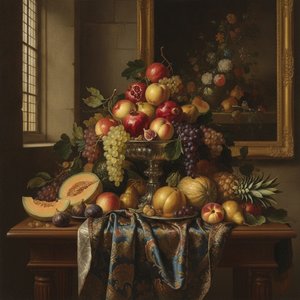
Nature's Bounty: The Art History of Fruit Arrangement Masterpieces and the Baroque Still Life Tradition
Explore the profound beauty of fruit arrangement masterpieces. From Dutch Golden Age opulence to Baroque chiaroscuro, discover the art history, symbolism, and timeless elegance of classical still life paintings for the discerning collector.

The Bountiful Still Life: Symbolism & Artistic Representation of Fruit Across Art History
Explore the rich history of still life painting & the symbolism of fruit across art movements. Discover masterpieces from Caravaggio to Cézanne with OriginalUniqueArt – expert guidance & museum-quality reproductions.
生命空間に息吹を吹き込む:芸術における動物表現の永続性と内装デザインへの応用
OriginalUniqueArtで、生命空間に息吹を吹き込む芸術作品を見つけませんか?高品質な油絵複製、カスタム制作、無料アートコンサルテーション。美術史に基づいた確かな品質と、お客様だけの特別な空間演出をお手伝いします。

Silent Narratives: Exploring the Enduring Appeal of Still Life Painting Across Centuries
Explore the rich history of still life painting with OriginalUniqueArt. Discover Dutch Masters, decode vanitas symbolism & learn about collecting timeless art. Expert insights and museum-quality reproductions.
Beastly Brushstrokes: A Historical Journey Through Animal Painting & Aesthetic Movements
Explore the rich history of animal painting across cultures & movements. Discover iconic artists, symbolism, collecting trends & expert art consultation at OriginalUniqueArt.com.
