
 設置イメージを確認
 送る
送る シェア
シェア
 詳細情報
詳細情報 ガイドを表示

 画像をダウンロード
 似ている作品
 X線調査
X線調査 スライドショー
 Q&A
Q&A 統計情報
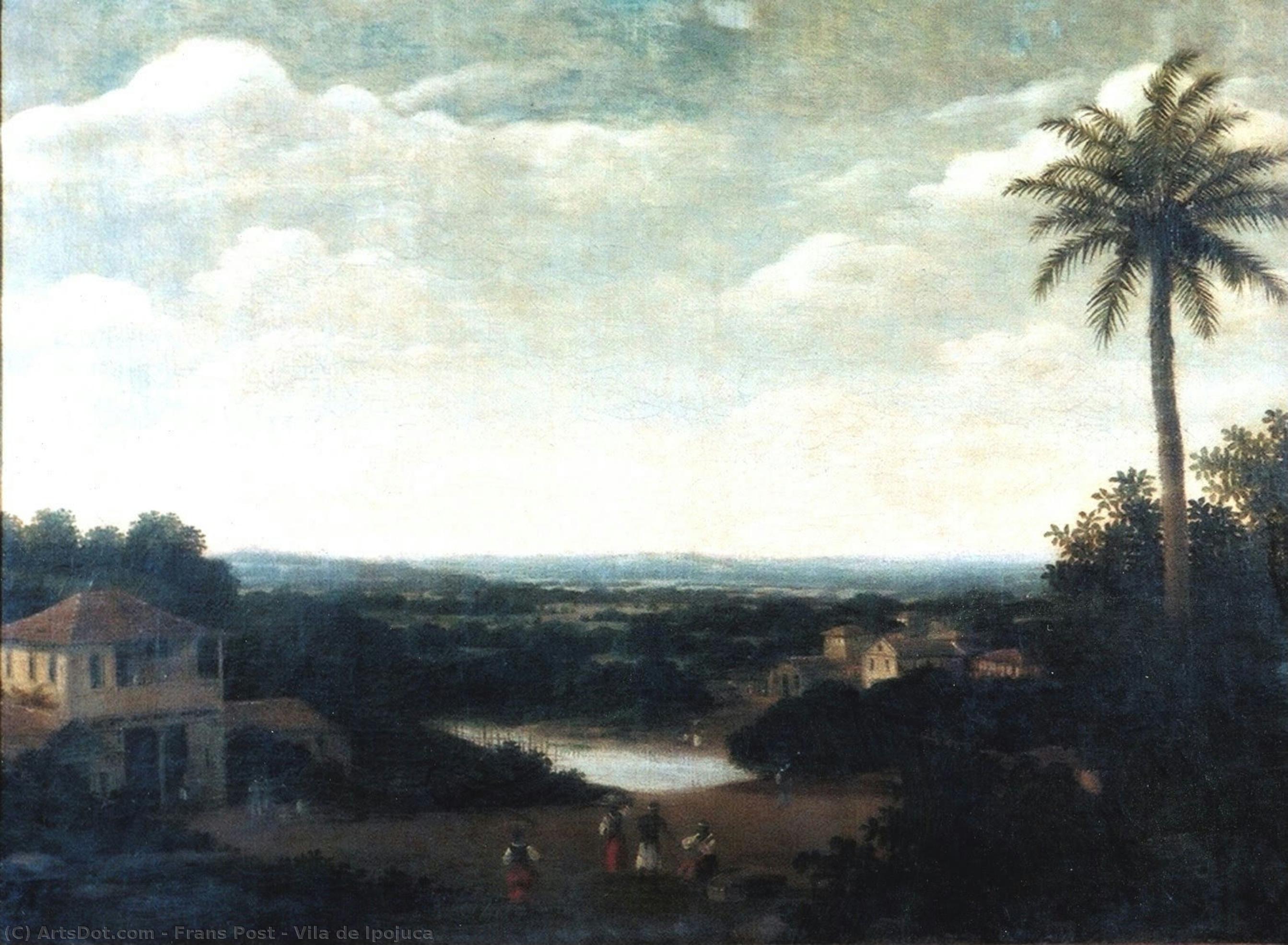
統計情報Vila de Ipojuca


 続きを読む
続きを読む
ジークレー/アートプリント
スピーディーな制作と多彩な仕上げオプションが魅力の、ミュージアムクオリティなジークレー・キャンバスプリント。 ( 手描きの複製画を注文する デジタル画像販売へ切り替え)




P118B ¥10

P118H ¥10

P118W ¥10

P438Z ¥10

P508JH ¥12

P508YH ¥12

P805H ¥10

P805Z ¥10

P919BZ ¥10

P919G ¥10

P919XJ ¥10

P959ZH ¥10

P968JZ ¥12

W106C ¥8

W218G ¥10

W218JH ¥8

W218Y ¥10

W307PJ ¥10

W316G ¥10

W316PJ ¥8

W316Y ¥10

W398PJ ¥8

W4111J ¥10

W500HY ¥15

W500JH ¥15

W692G ¥12

W849H ¥8

W940BG ¥15

W953PJ ¥8




作品のオリジナル比率に合わせた、当店の規定サイズからお選びください。

額縁や壁のスペースに合わせて、ご希望の幅と高さを入力してください。プリントはカットすることは可能ですが、元の画像より大きくすることはできないため、異なる比率のサイズを選択された場合は、画像の一部が欠けることになります。印刷を開始する前に、内容を確認していただくためのデジタルモックアップをお送りいたします。このページに表示されている画像は、実際のカット後の状態を示すものではありません。実際の仕上がりはモックアップにてご確認ください。


 ガラスオプションは、110cm未満のサイズでのみご利用いただけます。

Vila de Ipojuca
ジークレー/アートプリント
複製画サイズ一覧
-


合計金額
¥ 12587
A Window into a Tropical Paradise
In the vast tapestry of the Dutch Golden Age, few threads are as vibrant and exotic as those woven by Frans Post. His masterpiece, Vila de Ipojuca, serves as a breathtaking portal to a bygone era, capturing a serene tropical vista that feels both intimately observed and beautifully idealized. The painting presents a lush, sun-drenched landscape where a colonial villa rests upon a gentle elevation, overlooking a world of verdant growth. A prominent palm tree stands as a majestic vertical anchor on the right, its silhouette guiding the eye through a composition that masterfully balances the wildness of nature with the quiet presence of human habitation. As figures stroll leisurely along a winding path toward the villa, the scene invites the viewer to step into a moment of profound tranquility, far removed from the bustling streets of Haarlem.
The atmosphere of the work is defined by a soft, almost ethereal haze that permeates the entire canvas. This technique, rooted in the tonal landscape traditions Post learned under masters like Pieter de Molijn, creates a sense of immense depth and atmospheric perspective. The distant horizon line dissolves into a gentle blur of blues and muted greens, suggesting an endless expanse of land and sky that stretches toward the unknown. This hazy quality does more than just simulate distance; it imbues the painting with a melancholic beauty, a nostalgic longing for a pristine wilderness captured at the dawn of colonial encounter. The lighting is diffused and gentle, casting a soft glow across the terrain that softens edges and blends shapes into a harmonious, organic whole.
Technique and the Painterly Touch
Upon closer inspection, the technical prowess of Post becomes even more apparent. Executed in oil on canvas, the painting reveals a texture that is both loose and remarkably deliberate. The artist employs varying thicknesses of paint to suggest the diverse textures of the Brazilian landscape—from the rugged bark of tropical flora to the smooth, sun-warmed surfaces of the villa's architecture. His palette is a sophisticated arrangement of muted earth tones, deep forest greens, and soft cerulean blues, which work in concert to establish a serene and contemplative mood. There are no harsh or jarring lines here; instead, every element is connected through soft, blended transitions that mirror the natural flow of a tropical breeze.
For the discerning collector or interior designer, Vila de Ipojuca offers much more than mere decoration. It is an evocative piece of history that brings a sense of worldly sophistication and calm to any space. The painting’s ability to evoke emotional responses—ranging from peace and wonder to a quiet, reflective nostalgia—makes it a powerful focal point for a curated room. Whether placed in a sunlit study or a grand living area, this reproduction captures the essence of a pioneer's vision, offering a timeless window into the breathtaking beauty of the Americas as seen through the eyes of a Dutch master.
よくあるご質問
「Vila de Ipojuca」は、どのような色彩と感情を併せ持っているのでしょうか?
フランス・ポスト作「Vila de Ipojuca」は、NeutralsなパレットとMelancholicなトーンを兼ね備えています。
フランス・ポスト作「Vila de Ipojuca」の全体的な雰囲気はどのようなものですか?
フランス・ポスト作「Vila de Ipojuca」の全体的なムードはRomanticです。このムードは、作品が持つ全体的な雰囲気。
「Vila de Ipojuca」は、明暗のコントラストが強い作品ですか?
「Vila de Ipojuca」の明暗のコントラストはStatementと記録されています。コントラストとは、明るい部分と暗い部分がどの程度強く異なっているかを表す指標です。
アーティストについて
アメリカ大陸の風景を描いた先駆者:フランス・ポストの生涯と芸術
フランス・ヤンスゾーン・ポストという名は、レンブラントやフェルメールといったオランダ黄金時代の巨匠たちに比べれば、おそらく即座に誰もが思い浮かべるようなものではないかもしれません。しかし、彼は美術史において極めて独特かつ重要な地位を占めています。1612年、芸術的伝統が息づくハールレムの家庭に生まれたポストは、ガラス画家であった父や、著名な建築家であった兄といった環境の中で育ちました。彼は後に、アメリカ大陸、とりわけ「オランプリブラジル」の風景を描写することに生涯を捧げた、最初期のヨーロッパ人芸術家となります。彼の旅は単なる地理的な移動ではありませんでした。それは二つの世界を繋ぎ、新世界の異国情緒あふれる美しさと、複雑な植民地時代の現実を、ヨーロッパの人々に初めて持続的な視覚体験として提示した、先駆的な行為だったのです。当初は同時代の他の巨匠たちの影に隠れてはいたものの、ポストの作品は今や、その歴史的重要性と芸術的革新性、そして観察と想像力が織りなす魅惑的な融合によって、高く評価されています。初期の修行とブラジルへの呼び声
ポストの形成期は、才能に満ち溢れた都市ハールレムの活気ある芸術シーンの中で展開されました。彼は父や兄から、色彩やデザイン、そして建築学的な原理といった、それぞれの専門的な技術を吸収しながら初期の教育を受けたことでしょう。ギルドの正式な記録は残っていないものの、ピーター・デ・モリンが彼の師として、後のポストの活動において決定的な鍵となる風景画の基礎を授けたと広く信じられています。彼はフランス・ハルスと同じ社交界に身を置き、ヤコブやサロモン・ファン・リュイスダール、アドリアーンやイサック・ファン・オスターデ、そしてピーター・デ・モリンといったハールレムの風景画家たちと芸術的な親交を深めました。ハールレムを襲ったペストの流行が彼の旅立ちのきっかけとなった可能性もありますが、彼の芸術人生の軌道を真に決定づけたのは、オランダ領ブラジルの総督であったヨハン・モリッツ・ファン・ナッサウ=ジーゲンからの招待でした。1637年、ポストは南アメリカ北東部への変革的な航海へと出発しました。その手には筆と絵具だけでなく、新たに獲得された植民地をヨーロッパの観衆に向けて視覚的に記録するという、重い期待を携えていたのです。 <模索する新世界:ブラジル時代(1637-1644) ポストがブラジルで過ごした7年間は、極めて重要な時期でした。オレンジ公フリードリヒの依頼を受け、彼はスケッチやエッチング、そして滞在中に完成させた約6点の絵画を通じて、オランダ領ブラジルの風景、入植地、そして日々の営みを緻密に記録しました。これらの初期のブラジル作品は、オランダの芸術的伝統と、未知なる主題との融合において驚くべきものがあります。ヴォルフガング・シュテホウは、ポストのスタイルを「新しいワインを満たした古い瓶」と表現しましたが、これはまさにこの融合を見事に捉えた言葉です。彼は、見覚えのある場所や現地の地形、そして発展しつつあった植民地のインフラを、鋭い観察眼で描き出しました。遠征に同行した博物学者ゲオルク・マルグラーフの影響を受けたと思われる、ヤシの木やサトウキビ畑といったブラジルの植生、そして時折描かれる野生動物は、彼の構図に異国情緒あふれる魅力を添えました。これらの絵画の際立った特徴の一つは、しばしば画面を支配する灰色の空です。それは、植民地生活に内在する複雑さや不確実性を反映しているかのように、どこか物悲しく、情緒的な質感を与えています。これらは単なる美しい風景画ではなく、征服、労働、そして文化交流の記録そのものだったのです。ハールレムへの帰還と芸術的変容
1644年にオランダへ帰還したポストは、ハールレムの芸術コミュニティに再び身を投じ、聖ルカ・ギルドに加入して指導的な役割を担うようになりました。しかし、ブラジルでの経験は彼の芸術的ビジョンを根本から変えていました。初期の作品が写実主義と詳細な観察を優先していたのに対し、後期の絵画では、より想像力豊かで理想化されたアプローチが採られるようになります。風景はより広大で資源豊かなものとなり、豊穣さと征服の感覚が吹き込まれました。ブラジル時代の重々しい色調に代わって明るい色彩が用いられ、新世界の魅力を高めるために異国的な要素が取り入れられました。彼は奥行きと遠近法を強調し、鮮やかな動植物が息づく、瑞々しく緑豊かな情景を作り上げました。経年変化による顔料の劣化によるものかもしれませんが、深い青色の使用は強烈なコントラストを生み出し、ドラマチックなスペクタクルとしての感覚をさらに高めました。ポストは生涯を通じて約140点の絵画を残しましたが、その約半分には制作年代が特定されており、美術史家たちが彼のスタイルの進化を精密に辿ることを可能にしています。遺産と歴史的意義
フランス・ポストの遺産は、単なる芸術的技術の枠を遥かに超えています。彼の作品は、オランダ領ブラジルの風景、入植地、経済、そして社会動態を知るための、かけがえのない視覚的資料として存在しています。晩年はアルコール依存症の可能性を含む個人的な苦闘に見舞われましたが、それでも彼は美術史における唯一無二の人物であり続けています。アメリカ大陸の風景をヨーロッパの注目へと導き、新世界に対する認識を永遠に変えた先駆的な芸術家なのです。彼の絵画は単なる審美的な創作物ではありませんでした。それは植民地における言説の道具であり、ブラジルとその可能性についてのヨーロッパ人の理解を形作るものでした。今日、彼の作品は芸術的価値のみならず、その歴史的重要性が愛されています。それは、探検、植民地化、そして文化交流が交錯し、現代にも響き続ける世界史の決定的な瞬間を覗かせてくれる窓なのです。
フランス・ポスト
1612 - 1680 , オランダ
アーティスト情報
- Artistic Movement Or Style: オランダ黄金時代絵画
- Artists Or Movements Influenced By This Artist: ['ブラジルの風景画']
- Artists Who Influenced This Artist:
- ピーテル・デ・モリン
- フランス・ハルス
- Date Of Birth: 1612年
- Date Of Death: 1680年
- Full Name: フランス・ヤンスゾーン・ポスト
- Nationality: オランダ
- Notable Artworks:
- ラブラドールの家
- プランターの住居
- イタマラカ島の眺め
- Place Of Birth: オランダ、ハールレム
関連記事

Evocations of Place: A Historical Journey Through Landscape Art
Explore the rich history of landscape art with OriginalUniqueArt. Discover renowned artists, movements like Impressionism & Romanticism, and expert guidance for collecting timeless pieces. Find your perfect serene escape today!

ロマン派ランドスケープ:時代を彩る巨匠の10選|アートとインテリアの世界
ロマン派絵画の時代を彩る10選。巨匠たちの風景が織りなす感動の世界へ。ターナー、ルーベンスなど、名作の裏話と高精細複製でアートをお部屋に。OriginalUniqueArt.comで至福のアート体験を。
Benedito Calixto: A Brazilian Modernist's Landscape of Memory & National Identity
Explore the captivating world of Benedito Calixto, a pivotal Brazilian Modernist painter. Discover his iconic landscapes, the story behind the famous Bandeirante portrait, and his lasting impact on Brazilian national identity. Learn more at OriginalUniqueArt.
Beyond the Light: Capturing Raw Emotion and Subjective Vision in Post-Impressionist Landscapes
Explore the profound emotional depth of Post-Impressionist landscapes. Discover how masters like Van Gogh moved beyond light to capture raw human feeling through vibrant color and expressive texture in this expert art history retrospective.

ジョン・コンスタブルの傑作25選:英国風景画の巨匠が描く自然と光の詩 | OriginalUniqueArt
ジョン・コンスタブルの傑作25選。英国風景画の巨匠が描く自然と光の詩の世界へ。ロマン主義を代表する絵画、デダム・ヴェールやヘイ・ウェインなど、OriginalUniqueArtで高品質なアートプリントをお楽しみください。インテリアに深みと感動を。コレクションはこちら。