

 プレビュー
プレビュー
 プリントを購入
 シェアする
シェアする シェアする
シェアする
 詳細を見る
詳細を見る

 ダウンロード
 似ている作品
 X線調査
X線調査 スライドショー
LE CHAR A BOEUF. PAYSAGE BRESILIEN


 詳細を見る
詳細を見る




P118B $10

P118H $10

P118W $10

P438Z $10

P508JH $12

P508YH $12

P805H $10

P805Z $10

P919BZ $10

P919G $10

P919XJ $10

P959ZH $10

P968JZ $12

W106C $8

W218G $10

W218JH $8

W218Y $10

W307PJ $10

W316G $10

W316PJ $8

W316Y $10

W398PJ $8

W4111J $10

W500HY $15

W500JH $15

W692G $12

W849H $8

W940BG $15

W953PJ $8




作品のオリジナル比率に合わせた、当店の規定サイズからお選びください。

特定のフレームやスペースに合わせて、ご希望のサイズをご入力いただけます。選択されたサイズが元の画像の比率と異なる場合、アートワークをトリミングするか、手描きで要素を追加して絵画を拡張いたします。デジタルモックアップ を制作し、制作開始前にご確認(承認)をいただきます。
画面上のプレビューは、実際のトリミングや拡張を正確に反映しているものではありません。最終的な構図は、モックアップによってのみ正確にご確認いただけます。
カスタムサイズもご利用いただけますが、元の比率を維持するためには、あらかじめ用意されたリストからサイズを選択することをお勧めいたします。
ご注文後、OriginalUniqueArt.com チームより詳細な指示をお送りするとともに、仕上がりイメージ(モックアップ)をご提供いたします。


 ガラスオプションは、110cm未満のサイズでのみご利用いただけます。

LE CHAR A BOEUF. PAYSAGE BRESILIEN
複製技法
複製画のサイズ
-


合計金額
$ 325
作品解説
A Window Into Colonial Brazil: Frans Post’s “Le Char à Boeuf. Paysage Bresilien”
Frans Post's "Le Char à Boeuf. Paysage Bresilien," painted circa 1638, isn’t merely a landscape; it’s a meticulously crafted portal into the nascent world of Dutch Brazil. More than just a depiction of a rural scene, this oil on canvas offers a poignant glimpse into the complexities of colonial ambition, the rhythms of agricultural life, and the artist's unique perspective as one of Europe’s first chroniclers of the New World. Post, a Haarlem painter who embarked on an extraordinary journey to Northeast Brazil at the invitation of Prince Johan Maurits van Nassau-Siegen, captured not just the geography but also a palpable sense of isolation and observation – a testament to his role as a pioneering visual explorer.
The painting immediately draws the eye with its subdued palette. Muted browns, earthy greens, and hazy tans dominate, creating an atmosphere of quiet contemplation rather than dramatic spectacle. The sky, perpetually overcast, lends a sense of melancholy and timelessness, mirroring the vastness and somewhat unforgiving nature of the Brazilian landscape. Subtle hints of red and orange punctuate the foliage, offering fleeting moments of warmth against the prevailing coolness – perhaps representing the promise of harvest or the intensity of the tropical sun filtered through the dense vegetation.
The Art of Observation: Technique and Style
Post’s technique is remarkably consistent with that of his Haarlem contemporaries, yet imbued with a distinctly observational quality. The brushstrokes are visible, lending texture to the canvas and suggesting a deliberate engagement with the materiality of paint. He employs a layering technique, building up forms through multiple applications of color, creating a sense of depth and spatial recession. Notice how the oxen-drawn cart, positioned prominently in the foreground, gradually diminishes in size as it recedes into the distance – a classic perspective device skillfully used to convey the scale of the landscape. The artist’s attention to detail is evident in the rendering of the foliage, the subtle variations in the earth tones, and the careful depiction of the animals.
Crucially, Post's style diverges significantly from his earlier works depicting Haarlem landscapes. Here, he abandons the idealized, often theatrical compositions of his domestic scenes for a more restrained and contemplative approach. The figures are absent, leaving the viewer to contemplate the landscape in solitude – a deliberate choice that underscores the sense of isolation inherent in colonial exploration.
A Colonial Narrative: Symbolism and Context
“Le Char à Boeuf” is deeply rooted within the context of Dutch colonization. The presence of the oxen and cart speaks directly to the economic foundation of the colony – agriculture, specifically cattle ranching – which was central to the Dutch West India Company’s ambitions. However, Post doesn't simply depict a scene of labor; he captures a moment of quiet observation amidst this activity. The distant plantation with its chapel is a subtle reminder of the colonial administration and religious influence, yet it remains understated, almost secondary to the primary focus on the land itself.
It’s important to note that Post's work represents one of the earliest sustained European visual encounters with the Brazilian landscape. His paintings were intended not just as records but also as promotional tools, designed to showcase the potential of Dutch Brazil to investors and prospective settlers. Yet, there is a certain melancholy in his depictions – a sense of both wonder and apprehension at the prospect of imposing European culture onto this unfamiliar land.
A Timeless Reflection: Emotional Impact
Ultimately, “Le Char à Boeuf. Paysage Bresilien” transcends its historical context to offer a profoundly evocative experience for the viewer. The painting’s muted colors, subtle details, and contemplative atmosphere invite us to slow down and consider the beauty of the natural world – a sentiment that resonates powerfully even today. It's a reminder of the human connection to the land, and a poignant reflection on the complexities of exploration, colonization, and the enduring power of art to capture both the seen and the unseen.
アーティストの略歴
アメリカ大陸の風景を描いた先駆者:フランス・ポストの生涯と芸術
フランス・ヤンスゾーン・ポストという名は、レンブラントやフェルメールといったオランダ黄金時代の巨匠たちに比べれば、おそらく即座に誰もが思い浮かべるようなものではないかもしれません。しかし、彼は美術史において極めて独特かつ重要な地位を占めています。1612年、芸術的伝統が息づくハールレムの家庭に生まれたポストは、ガラス画家であった父や、著名な建築家であった兄といった環境の中で育ちました。彼は後に、アメリカ大陸、とりわけ「オランプリブラジル」の風景を描写することに生涯を捧げた、最初期のヨーロッパ人芸術家となります。彼の旅は単なる地理的な移動ではありませんでした。それは二つの世界を繋ぎ、新世界の異国情緒あふれる美しさと、複雑な植民地時代の現実を、ヨーロッパの人々に初めて持続的な視覚体験として提示した、先駆的な行為だったのです。当初は同時代の他の巨匠たちの影に隠れてはいたものの、ポストの作品は今や、その歴史的重要性と芸術的革新性、そして観察と想像力が織りなす魅惑的な融合によって、高く評価されています。初期の修行とブラジルへの呼び声
ポストの形成期は、才能に満ち溢れた都市ハールレムの活気ある芸術シーンの中で展開されました。彼は父や兄から、色彩やデザイン、そして建築学的な原理といった、それぞれの専門的な技術を吸収しながら初期の教育を受けたことでしょう。ギルドの正式な記録は残っていないものの、ピーター・デ・モリンが彼の師として、後のポストの活動において決定的な鍵となる風景画の基礎を授けたと広く信じられています。彼はフランス・ハルスと同じ社交界に身を置き、ヤコブやサロモン・ファン・リュイスダール、アドリアーンやイサック・ファン・オスターデ、そしてピーター・デ・モリンといったハールレムの風景画家たちと芸術的な親交を深めました。ハールレムを襲ったペストの流行が彼の旅立ちのきっかけとなった可能性もありますが、彼の芸術人生の軌道を真に決定づけたのは、オランダ領ブラジルの総督であったヨハン・モリッツ・ファン・ナッサウ=ジーゲンからの招待でした。1637年、ポストは南アメリカ北東部への変革的な航海へと出発しました。その手には筆と絵具だけでなく、新たに獲得された植民地をヨーロッパの観衆に向けて視覚的に記録するという、重い期待を携えていたのです。 <模索する新世界:ブラジル時代(1637-1644) ポストがブラジルで過ごした7年間は、極めて重要な時期でした。オレンジ公フリードリヒの依頼を受け、彼はスケッチやエッチング、そして滞在中に完成させた約6点の絵画を通じて、オランダ領ブラジルの風景、入植地、そして日々の営みを緻密に記録しました。これらの初期のブラジル作品は、オランダの芸術的伝統と、未知なる主題との融合において驚くべきものがあります。ヴォルフガング・シュテホウは、ポストのスタイルを「新しいワインを満たした古い瓶」と表現しましたが、これはまさにこの融合を見事に捉えた言葉です。彼は、見覚えのある場所や現地の地形、そして発展しつつあった植民地のインフラを、鋭い観察眼で描き出しました。遠征に同行した博物学者ゲオルク・マルグラーフの影響を受けたと思われる、ヤシの木やサトウキビ畑といったブラジルの植生、そして時折描かれる野生動物は、彼の構図に異国情緒あふれる魅力を添えました。これらの絵画の際立った特徴の一つは、しばしば画面を支配する灰色の空です。それは、植民地生活に内在する複雑さや不確実性を反映しているかのように、どこか物悲しく、情緒的な質感を与えています。これらは単なる美しい風景画ではなく、征服、労働、そして文化交流の記録そのものだったのです。ハールレムへの帰還と芸術的変容
1644年にオランダへ帰還したポストは、ハールレムの芸術コミュニティに再び身を投じ、聖ルカ・ギルドに加入して指導的な役割を担うようになりました。しかし、ブラジルでの経験は彼の芸術的ビジョンを根本から変えていました。初期の作品が写実主義と詳細な観察を優先していたのに対し、後期の絵画では、より想像力豊かで理想化されたアプローチが採られるようになります。風景はより広大で資源豊かなものとなり、豊穣さと征服の感覚が吹き込まれました。ブラジル時代の重々しい色調に代わって明るい色彩が用いられ、新世界の魅力を高めるために異国的な要素が取り入れられました。彼は奥行きと遠近法を強調し、鮮やかな動植物が息づく、瑞々しく緑豊かな情景を作り上げました。経年変化による顔料の劣化によるものかもしれませんが、深い青色の使用は強烈なコントラストを生み出し、ドラマチックなスペクタクルとしての感覚をさらに高めました。ポストは生涯を通じて約140点の絵画を残しましたが、その約半分には制作年代が特定されており、美術史家たちが彼のスタイルの進化を精密に辿ることを可能にしています。遺産と歴史的意義
フランス・ポストの遺産は、単なる芸術的技術の枠を遥かに超えています。彼の作品は、オランダ領ブラジルの風景、入植地、経済、そして社会動態を知るための、かけがえのない視覚的資料として存在しています。晩年はアルコール依存症の可能性を含む個人的な苦闘に見舞われましたが、それでも彼は美術史における唯一無二の人物であり続けています。アメリカ大陸の風景をヨーロッパの注目へと導き、新世界に対する認識を永遠に変えた先駆的な芸術家なのです。彼の絵画は単なる審美的な創作物ではありませんでした。それは植民地における言説の道具であり、ブラジルとその可能性についてのヨーロッパ人の理解を形作るものでした。今日、彼の作品は芸術的価値のみならず、その歴史的重要性が愛されています。それは、探検、植民地化、そして文化交流が交錯し、現代にも響き続ける世界史の決定的な瞬間を覗かせてくれる窓なのです。
フランス・ポスト
1612 - 1680 , オランダ
基本情報
- Artistic Movement Or Style: オランダ黄金時代絵画
- Artists Or Movements Influenced By This Artist: ['ブラジルの風景画']
- Artists Who Influenced This Artist:
- ピーテル・デ・モリン
- フランス・ハルス
- Date Of Birth: 1612年
- Date Of Death: 1680年
- Full Name: フランス・ヤンスゾーン・ポスト
- Nationality: オランダ
- Notable Artworks:
- ラブラドールの家
- プランターの住居
- イタマラカ島の眺め
- Place Of Birth: オランダ、ハールレム
関連記事

Golden Light & Dutch Skies: The Timeless Magic of Dutch Golden Age Landscapes
Discover the breathtaking beauty of Dutch Golden Age landscapes. Explore the mastery of light, chiaroscuro, and 17th-century realism through an expert art history lens, celebrating the enduring legacy of the Dutch Masters for discerning collectors and art lovers.

Masterpieces of Light: A Definitive Guide to the Landscapes of the Dutch Golden Age
Discover the luminous mastery of Dutch Golden Age landscapes. Our expert guide explores the atmospheric realism of masters like Van Goyen and Cuyp. Elevate your space with museum-quality, hand-painted oil reproductions from OriginalUniqueArt.com. Art history, beautifully realized.

黄金世紀の巨匠たち:バロック絵画が彩る10選|OriginalUniqueArt
オランダ黄金時代の10大傑作を紐解く!レンブラント、フェルメール…バロック絵画の魅力と時代背景を深く探求。OriginalUniqueArtで、至高のアートコレクションと空間演出のヒントを見つけよう。高品質なアートプリントで、お部屋を華やかに。

Golden Light & Dutch Skies: Bringing the Magic of Dutch Golden Age Landscapes into Your Home
Transform your home with the breathtaking light of Dutch Golden Age landscapes. Discover how hand-painted oil reproductions of masterworks like Ruisdael and Vermeer bring timeless elegance, atmosphere, and soulful texture to modern interiors. Elevate your space with museum-quality art.
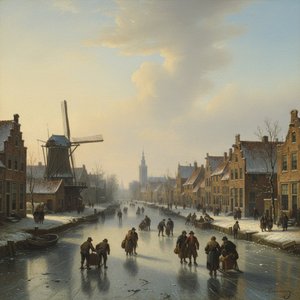
Charles Leickert: Capturing the Dutch Golden Age Light – A Comprehensive Study of Technique, Context, and Legacy
Explore the captivating winter landscapes of Charles Leickert, a master of Dutch Golden Age light & atmosphere. Discover his techniques, symbolism, and lasting legacy – a comprehensive study for art enthusiasts and collectors.

