

 設置イメージを確認
 送る
送る シェア
シェア
 詳細情報
詳細情報 ガイドを表示

 画像をダウンロード
 似ている作品
 X線調査
X線調査 スライドショー
 統計情報
統計情報PassÉ prÉsent
 1967
1967 97.0 x 130.0 cm
 続きを読む
続きを読む
オンラインプレビューをはるかに凌ぐ、高解像度で鮮明なデジタル画像をご購入いただけます。
各ファイルは、社内の専門家が高度なツールと熟練した手作業によるレタッチを駆使し、細心の注意を払って仕上げています。すべての画像において、卓越した鮮明度、正確な色彩再現性、そして繊細なディテールをお約束いたします。
最終ファイルは、プロフェッショナルな編集・印刷環境ですぐにご利用いただけるよう最適化された状態で、72時間以内にメールにてお届けいたします。これは、一流のデザインスタジオ、出版社、ギャラリーから信頼されているものと同等の品質です。
デジタル画像
個人での鑑賞、印刷、クリエイティブなプロジェクトにご利用いただける高解像度ファイルをダウンロードできます。 ( プリント版に切り替え 手描きの複製画を注文する)
デジタル画像のご注文に付随する特典
プロフェッショナルなデジタル配信を、確かな品質で。
OriginalUniqueArt.com を選ぶことは、単に画像を手に入れることではありません。プロの手によって精密に仕上げられ、満足保証が付いた高品質なデジタルアートワークを受け取ることを意味します。ご注文いただいた際に自動的に付随する内容は、以下の通りです:

メールですぐにお届け
ご注文から72時間以内に、高解像度のデジタル画像ファイルをメールでお送りいたします。お手元に届き次第、すぐにご利用いただけます。

AI技術で最適化されたデジタルファイル
お客様の作品は、高度なAI技術と専門家による手作業を組み合わせてプロフェッショナルに最適化されており、細部のディテール、鮮明さ、そして正確な色再現性を最大限に引き出しています。

一生涯無料の再送サービス
ファイルを誤って削除したり、紛失してしまったりしましたか?ご安心ください。いつでも無料で再送いたします。

輸入手数料は、いつでも一切かかりません
関税や手数料、配送料を気にすることなく、お気に入りのアートワークをすぐにお楽しみいただけます。デジタルダウンロードは常に免税です。

正確な色彩の保証
プロ仕様のツールとカラーマネジメント技術を用いることで、デジタル画像が元の色を最大限に忠実に再現することを保証いたします。

100日間満足保証
ご購入いただいたデジタル画像にご満足いただけない場合は、100日以内であれば、理由を問わず修正または100%の返金対応をさせていただきます。

100% 返金保証
ご満足いただけない場合は、デジタルファイルを受け取ってから100日以内であれば、理由を問わず全額返金いたします。

まとめ買い割引
3枚購入で10%OFF、5枚購入で15%OFF、10枚以上のご購入で20%OFF。クリエイティブなプロジェクトやギャラリー、エージェンシーに最適です。
The scene depicted in PassÉ prÉsent features a bird with wings spread out in the center, flying towards another bird on the left side of the painting. Two other birds are visible in the background, adding depth and complexity to the composition. The presence of three people in the scene, as well as various objects such as a chair, vase, and bowls, creates a dynamic and intriguing atmosphere.
Françoise Gilot's use of color and light in PassÉ prÉsent is particularly noteworthy. The vibrant hues and bold brushstrokes bring the scene to life, drawing the viewer's eye through the composition. The inclusion of a clock in the top left corner adds a sense of timelessness to the painting, highlighting the themes of past, present, and future.
Artistic Style and Influences
Françoise Gilot's artistic style is characterized by her unique blend of figurative and abstract elements. Her work has been influenced by various artists, including Pablo Picasso, with whom she had a personal and professional relationship.- Visit /art/list/?Filter=AQRHPT to learn more about Françoise Gilot's artwork, including PassÉ prÉsent.
- Discover the artistic style of other notable artists, such as Andy Warhol and his Untitled (from Marilyn Monroe) series, at /art/list/?Filter=D2YDVR.
In conclusion, PassÉ prÉsent by Françoise Gilot is a captivating and thought-provoking painting that showcases the artist's unique style and technique. Its themes of timelessness and the blending of past, present, and future make it a fascinating piece to explore and interpret.
アーティスト・プロフィール
A Life Painted in Independence
Françoise Gilot, born in Neuilly-sur-Seine, France, in 1921 and passing away in New York City in June of 2023 at the remarkable age of 101, was far more than simply a muse. Though inextricably linked in history with Pablo Picasso, to define her solely by that association diminishes the breadth and depth of a career spanning eight decades – a career marked by artistic innovation, intellectual courage, and an unwavering commitment to self-expression. Gilot’s story is one of navigating societal expectations, challenging established norms within the art world, and ultimately forging her own distinct path as a celebrated artist in her own right. Her upbringing, while privileged—her father an agronomist and businessman, her mother a watercolorist—was also characterized by a tension between creative freedom and academic rigor. This early dichotomy shaped her resolve to pursue artistic endeavors despite her father’s preference for a more conventional profession like law. She received foundational training from her mother and grandmother, beginning with watercolors and India ink at the tender age of six, later studying under Mlle. Meuge for six years. However, Gilot didn't abandon intellectual pursuits; she earned a B.A. in Philosophy from the Sorbonne in 1938 and an English degree from Cambridge University in 1939, demonstrating a rare combination of artistic sensibility and scholarly depth. An interesting quirk of her childhood—being forced to write with her right hand despite being naturally left-handed—perhaps fostered a unique adaptability that would serve her well throughout her life.Formative Influences and Artistic Development
Gilot’s early work reveals the influence of Fauvism, evident in her bold use of color and expressive brushstrokes – a vibrant energy that foreshadowed the dynamism of her later compositions. She wasn't confined to one medium; throughout her career, she experimented with watercolors, ceramics, lithography, and monotypes, constantly pushing the boundaries of her artistic practice. Her first exhibition took place in Paris in 1943, marking the beginning of her public journey as an artist. A pivotal moment came through her work at Fernand Mourlot’s Atelier, where she became the first woman to create lithographs, solidifying her technical skill and expanding her creative horizons. While her relationship with Picasso undoubtedly impacted her artistic trajectory, Gilot consciously developed a style that diverged from his Cubist aesthetic. She favored organic forms and fluid lines, rejecting sharp angles in favor of a more lyrical and intuitive approach. Her work often explored themes of mythology, symbolism, and memory, imbued with a philosophical depth that reflected her academic background. This wasn’t merely decorative art; it was a visual exploration of the human condition, filtered through a uniquely feminine lens.Life with Picasso and Beyond
The decade-long relationship between Françoise Gilot and Pablo Picasso, beginning in 1943, remains one of the most discussed chapters in art history. It was a period of intense creative exchange, resulting in two children, Claude and Paloma, but also marked by personal challenges. Allegations of abuse and harassment from Picasso’s former wife cast a shadow over their time together. However, Gilot emerged from this relationship with an extraordinary act of defiance: the publication of her memoir, Life with Picasso, in 1964. Despite legal attempts by Picasso to suppress it, the book became a bestseller, offering a candid and unflinching portrayal of the artist’s personality and their complex dynamic. This courageous act not only cemented Gilot's independence but also sparked crucial conversations about artistic relationships and gender dynamics within the art world. Following her marriage to American vaccine pioneer Jonas Salk in 1970, she continued to pursue both art and writing, finding a new equilibrium and creative inspiration. In 1990, she received the Chevalier de la Légion d'honneur, a prestigious French honor recognizing her contributions to the arts.A Lasting Legacy
Françoise Gilot’s legacy extends far beyond her association with Picasso. She established herself as an accomplished artist in her own right, demonstrating remarkable versatility and a consistent dedication to artistic exploration. Her work is represented in numerous prominent museums worldwide, including the Metropolitan Museum of Art and the Centre Pompidou, attesting to its enduring quality and significance. Gilot challenged conventional narratives surrounding female artists, refusing to be relegated to the role of muse or accessory. She paved the way for future generations of women artists by asserting her own voice and vision, demonstrating that artistic brilliance knows no gender. Her memoir remains a vital document, offering invaluable insights into the life of one of the 20th century’s most iconic artists while simultaneously reclaiming her own narrative. Gilot's ability to synthesize intellectual rigor with emotional depth, coupled with her mastery of diverse mediums, ensures her place as a pivotal figure in modern art history – an artist who lived and worked on her own terms, leaving behind a body of work that continues to inspire and captivate audiences today.Exploring Gilot’s World Through Her Art
Several key works exemplify the evolution and essence of Françoise Gilot's artistic vision. Passé Présent, with its evocative title, encapsulates her exploration of memory and time through a dynamic composition. “The Guardian,” an oil painting depicting an owl in a serene blue landscape, showcases her naive style and impasto texture, imbued with symbolic depth. "Portrait de Geneviève en blanc," created in 1944, demonstrates her early experimentation with Cubist influences, yet retains a unique softness and emotional resonance. These pieces, alongside countless others, reveal Gilot’s ability to seamlessly blend technical skill with profound artistic expression. Her work invites viewers not merely to observe, but to engage in a dialogue—a conversation about life, love, loss, and the enduring power of the human spirit.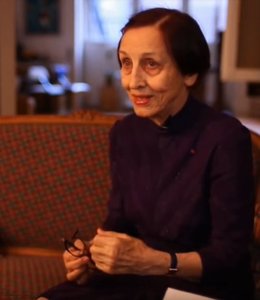
Françoise Gilot
1921 -