
 設置イメージを表示
 シェアする
シェアする シェアする
シェアする
 詳細を見る
詳細を見る ガイドを表示

 ダウンロード
 似ている作品
 X線調査
X線調査 スライドショーを表示
 Q&A
Q&A 統計情報
統計情報LA GLORIFICATION DE LA VIERGE


 詳細を表示
詳細を表示
ジークレー/アートプリント
スピーディーな制作と多彩な仕上げオプションが魅力の、ミュージアムクオリティなジークレー・キャンバスプリント。 ( 手描き複製画を注文する デジタル画像販売へ切り替え)




P118B ¥10

P118H ¥10

P118W ¥10

P438Z ¥10

P508JH ¥12

P508YH ¥12

P805H ¥10

P805Z ¥10

P919BZ ¥10

P919G ¥10

P919XJ ¥10

P959ZH ¥10

P968JZ ¥12

W106C ¥8

W218G ¥10

W218JH ¥8

W218Y ¥10

W307PJ ¥10

W316G ¥10

W316PJ ¥8

W316Y ¥10

W398PJ ¥8

W4111J ¥10

W500HY ¥15

W500JH ¥15

W692G ¥12

W849H ¥8

W940BG ¥15

W953PJ ¥8




作品のオリジナル比率に合わせた、当店の規定サイズからお選びください。

額縁や壁のスペースに合わせて、ご希望の幅と高さを入力してください。プリントはカットすることは可能ですが、元の画像より大きくすることはできないため、異なる比率のサイズを選択された場合は、画像の一部が欠けることになります。印刷を開始する前に、内容を確認していただくためのデジタルモックアップをお送りいたします。このページに表示されている画像は、実際のカット後の状態を示すものではありません。実際の仕上がりはモックアップにてご確認ください。


 ガラスオプションは、110cm未満のサイズでのみご利用いただけます。

LA GLORIFICATION DE LA VIERGE
ジークレー/アートプリント
複製画サイズ一覧
-


合計金額
¥ 12819
The Glorification of the Virgin – A Baroque Masterpiece by François Lemoyne
François Lemoyne’s “La Glorification de la Vierge” (The Glorification of the Virgin), painted in 1732, is more than just a religious depiction; it's a vibrant testament to the flourishing Rococo style and a profound exploration of faith and celestial grandeur. Commissioned during a period of intense artistic innovation in France, this monumental ceiling fresco embodies the era’s fascination with light, movement, and an idealized vision of divine beauty. Measuring an impressive scale – though its exact dimensions remain unknown – the work transports the viewer to a realm where earthly concerns dissolve into a breathtaking spectacle of spiritual ascent.
Lemoyne, a protégé of the celebrated Charles Le Brun, skillfully navigated the complex artistic landscape of his time. He sought not merely to replicate established styles but to synthesize them with his own distinctive vision, drawing inspiration from both the classical ideals championed by his predecessors and the exuberant dynamism of Venetian painting. This synthesis is immediately apparent in “La Glorification de la Vierge,” where the meticulous detail reminiscent of Italian masters—particularly the use of rich color palettes and dynamic drapery—is interwoven with the characteristic Rococo penchant for playful movement and intricate ornamentation. The fresco’s composition, a dense tapestry of figures engaged in acts of worship and ascension, reflects the Baroque tradition's emphasis on dramatic narrative and emotional intensity.
A Symphony of Color and Light
The painting’s power lies significantly in its masterful manipulation of color and light. Lemoyne employs a rich, layered palette dominated by deep blues, shimmering golds, vibrant reds, and earthy browns – colors traditionally associated with royalty, divinity, and spiritual contemplation. These hues are not simply applied; they are meticulously blended to create an illusion of depth and luminosity. The central focus is a radiant light source, emanating from behind a group of angelic figures, suggesting the presence of God himself. This light doesn’t merely illuminate; it seems to emanate from within the scene, bathing the entire composition in an ethereal glow. The use of *chiaroscuro*, the dramatic contrast between light and shadow, further enhances the sense of theatricality and elevates the emotional impact of the work.
Symbolism Woven into the Divine Drama
“La Glorification de la Vierge” is replete with symbolic imagery, reflecting key theological concepts central to Catholic belief. The Virgin Mary, depicted as a serene and majestic figure at the heart of the composition, embodies humility, grace, and maternal piety. Surrounding her are an array of saints, angels, and biblical figures – representations of faith, devotion, and the promise of salvation. The ascending figures, bathed in divine light, symbolize the soul’s journey towards God. The scrolls held by the angels represent sacred texts and divine wisdom, while candles signify illumination and spiritual enlightenment. Even the architectural elements—the arches, columns, and vaulted ceilings—are imbued with symbolic meaning, referencing biblical narratives and reinforcing the overall theme of heavenly ascension.
Technique and Legacy
Painted *fresco* – directly onto wet plaster – Lemoyne’s technique is both technically demanding and remarkably expressive. The fresco medium allows for a vibrant, enduring color palette and a seamless integration of figures into the architectural setting. The meticulous detail evident in the rendering of fabrics, drapery, and facial features speaks to Lemoyne's exceptional skill as a draftsman and painter. His work stands as a prime example of Rococo artistry, showcasing the period’s commitment to elegance, ornamentation, and emotional engagement. Though François Lemoyne himself met an untimely end in 1737, his “La Glorification de la Vierge” continues to captivate viewers with its breathtaking beauty, profound symbolism, and enduring testament to the power of faith and artistic vision. Reproductions offer a remarkable opportunity to experience this masterpiece within one’s own space, bringing a touch of Baroque grandeur and spiritual contemplation to any setting.
Q&A
フランソワ・ルメイン作「LA GLORIFICATION DE LA VIERGE」は、どのような感情を伝えていますか?
「LA GLORIFICATION DE LA VIERGE」は、DramaticなムードにSpiritualな感情が添えられた作品です。
フランソワ・ルメイン作「LA GLORIFICATION DE LA VIERGE」の色使いは、作品の感情とどのように結びついているのでしょうか?
「LA GLORIFICATION DE LA VIERGE」では、Earthyの色調がSpiritualな情緒を添えています。
フランソワ・ルメイン作「LA GLORIFICATION DE LA VIERGE」は、強いコントラストを用いた構成でしょうか、それとも柔らかな調和を重んじた構成でしょうか?
フランソワ・ルメイン作「LA GLORIFICATION DE LA VIERGE」 の色彩分析は、Statement なコントラストと Strong Color Unity な調和を捉えています。
作家プロフィール
ロココ様式の華やぎに刻まれたパリの遺産
フランソワ・ルモワンという名は、同時代のブーシェやワトーほどには即座に知られていないかもしれません。しかし、18世紀フランス美術の壮大なタペストリーにおいて、彼が占める地位は極めて重要なものです。1688年にパリで生まれたルモワンは、その生涯を大規模な寓意画の壮麗さを復活させることに捧げました。それは、彼が深く敬愛し、その模範としようとしたシャルル・ル・ブランの時代から、いくぶん衰退していた伝統でした。彼の野心は単なる装飾に留まらず、ロココ時代の複雑な精神を反映させながら、同時に古典的な理想へと立ち返るような、知的な重みと感情的な響きを湛えた作品を生み出すことにありました。継父ロベール・ル・ヴラックの下での初期修行から、後の厳格な王立絵画彫刻アカデミーでの研鑽に至るまで、ルモワンは技術的習熟と芸術的表現の両面において、揺るぎない献身を示しました。ルイ・ガローシュやピエール=ジャック・カゼスに師事した正統な教育は、彼の形成において決定的な役割を果たし、特に色彩に対する繊力な理解を育みました。この色彩感覚こそが、その後のキャリアを通じてますます際立つことになる彼の真骨頂なのです。1711年に獲得した栄誉あるローマ賞は、彼の人生の転換点となりました。当初は経済的な制約によりイタリアへの旅は遅れましたが、1723年、フランソワ・ベルジェに同行して、彼はついに憧れの地へと足を踏み入れることになります。イタリアの残響とロココの彩り
イタリアでの滞在は、ルモマンにとって変革をもたらす経験となりました。ラファエロ、コレッジョ、ティツィアーノといったルネサンスの巨匠たちの作品に没入することで、彼は彼らの技法と美学的原理を吸収し、自らの芸術的語彙を豊かにしていきました。しかし、彼のスタイルに消えない足跡を残したのは、ピーテル・パウル・ルーベンスのダイナミックなエネルギーでした。それは、鮮やかな色彩パレットや劇的な構図の中に、はっきりと見て取ることができます。さらに、ピエール・クロザの有名なコレクションを通じてヴェネツィア絵画に触れたことは、彼の感性をより洗練させ、豊かな質感と空気感への愛着を育みました。これらの影響が融合し、優雅さと装飾性、そして装飾的な美への集中を特徴とする、紛れもないロココ様式の美学が誕生したのです。それでもなお、ルモワンは初期のフランス・アカデミー絵画を定義づけていた「壮大な物語」という野心を完全には捨て去りませんでした。彼は、ロココの軽やかさと優雅さを、古典的伝統の知的な厳格さと統合しようと試みたのです。この類まれな融合こそが、彼の作品を際立たせ、時代を超えた魅力へと昇華させている要因なのです。ヴェルサイユと王室の栄誉
ルモワンの芸術的才能は、その記念碑的な天井フレスコ画において最も壮麗な表現を見せました。なかでもヴェルサイユ宮殿のサロン・ド・エルキュルに描かれた『ヘラクレスの神格化』は、圧巻の一言に尽きます。錯視技法を用いた眩いばかりの描写とダイナミックな構図を誇るこの傑作は、瞬く間に広範な称賛を浴びました。ヴォルテールやフレニュ枢機卿といった同時代の知識人たちもその輝きを讃え、ルモワンを真の巨匠として認めました。ヴェルサイユの枠を超えて、彼はパリのジャコバン教会(現在のサン=トマ・ダカン教区教会)の聖歌隊席における『変容』のような重要な宗教画の依頼も受けており、主題に応じて自らのスタイルを適応させる多才さを証明しました。1736年、ルモワンはルイ15世の下で「国王筆頭画家(Premier peintre du roi)」に任命されるという、キャリアの頂点に達しました。これは彼の芸術的達成と、フランス宮廷における地位を物語る輝かしい証でした。悲劇的な終焉と永劫なる影響
これほどの高みに到達しながらも、ルモワンの生涯は1737年、自死という悲劇によって突如として断たれてしまいました。彼の早すぎる死は、個人的な喪失であるだけでなく、芸術的嗜好の変遷をも象徴していました。それは、彼が情熱を注いだ大規模な寓意的な天井画の人気が衰退し始めた時期と重なっていたのです。しかしながら、彼の遺志は、シャルル=ジョセフ・ナトワールやフランソワ・ブーシェといった著名な画家たちを含む弟子を通じて受け継がれました。今日では、同時代の他の画家ほど普遍的に語り継がれることはないかもしれませんが、フランス・ロココ美術に対するルモワンの貢献は、その技術的習熟、芸術的野心、そして古典的な理想と当時の美意識を融合させた独自の試みとして、ますます高く評価されています。彼の作品は、絵画を至高の形態へと高めようとした献身的な芸術家の証として、数世紀を経た今もなお、見る者の心を捉えて離しません。主要作品と芸術的貢献
- 天井フレスコ画: ルモワンの最も名高い業績であり、『ヘラクレスの神格化』に代表されるように、錯視技法とダイナミックな構図における卓越した技術を示しています。
- 神話的場面: 『ヘラクレスとオンファレ』などの作品は、古典的な物語を劇的な強烈さと官能的な優雅さの両面から描き出す能力を証明しています。
- 宗教画: 『変容』は、宗教的主題を感情的な深みと技術的な精密さをもって表現する彼の技量を見事に体現しています。
- 肖像画: 『国王ルイ15世の頭部』の肖像は、人物の本質に対する繊細な洞察と、木炭やパステル技法の熟練した扱いを明らかにしています。

フランソワ・ルメイン
1688 - 1737 , フランス
プロフィール概要
- Artistic Movement Or Style: ロココ
- Artists Or Movements Influenced By This Artist:
- ナトワール
- ブーシェ
- Artists Who Influenced This Artist:
- ルーベンス
- ラファエロ
- コレッジョ
- ティツィアーノ
- カズ
- Date Of Birth: 1688年
- Date Of Death: 1737年
- Full Name: フランソワ・ルメーヌ
- Nationality: フランス
- Notable Artworks:
- ヘラクレスの神格化
- ヘラクレスとオンファール
- ペルセウスとアンドロメダ
- 国王ルイ15世の頭部
- 変容
- Other Names: フランソワ・ル・モワン
- Place Of Birth: フランス、パリ
関連記事
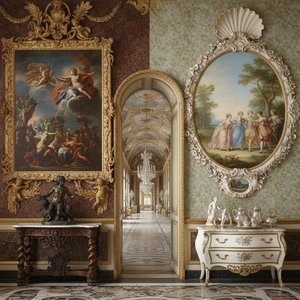
Drama & Delight: A Journey Through the Grandeur of Baroque and Rococo Art
Embark on a cultural journey through the dramatic grandeur of Baroque and the delicate grace of Rococo art. Discover the history, techniques, and timeless beauty of these magnificent eras with our expert-led exploration of European masterpieces.

家族の遺産を壁画で彩る:伝統技法が紡ぐ、時を超越する美と記憶
古代から現代までの壁画の歴史と技法を解説。日本の壁画文化やカスタムオーダーによる家族の遺産表現、保存・修復技術まで網羅。専門家が時を超越する美と記憶を紡ぐ芸術的価値をご案内します。

From Grandeur to Grace: Exploring the Evolution of Baroque & Rococo Art
Explore the captivating evolution from Baroque's drama to Rococo's grace! Discover key artists, characteristics & lasting influence of these art movements with expert insights at OriginalUniqueArt.

Baroque vs. Rococo: A Definitive Guide to the Drama of Grandeur and the Elegance of Grace
Explore the profound differences between Baroque drama and Rococo elegance. Our expert guide delves into art history, chiaroscuro, and the evolution of European masterpieces for collectors and enthusiasts seeking deep historical context.
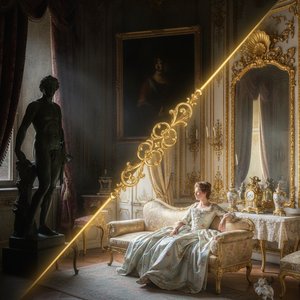
Baroque vs. Rococo: A Definitive Guide to High-Drama Shadows and Golden Elegance
Explore the dramatic evolution from Baroque's intense chiaroscuro to Rococo's golden elegance. Our expert guide decodes the shift from high-drama shadows to playful, ornate grace for art enthusiasts and collectors seeking deep historical insight.