
 プリントを購入
 シェアする
シェアする シェアする
シェアする
 詳細を見る
詳細を見る

 ダウンロード
 似ている作品
 スライドショー
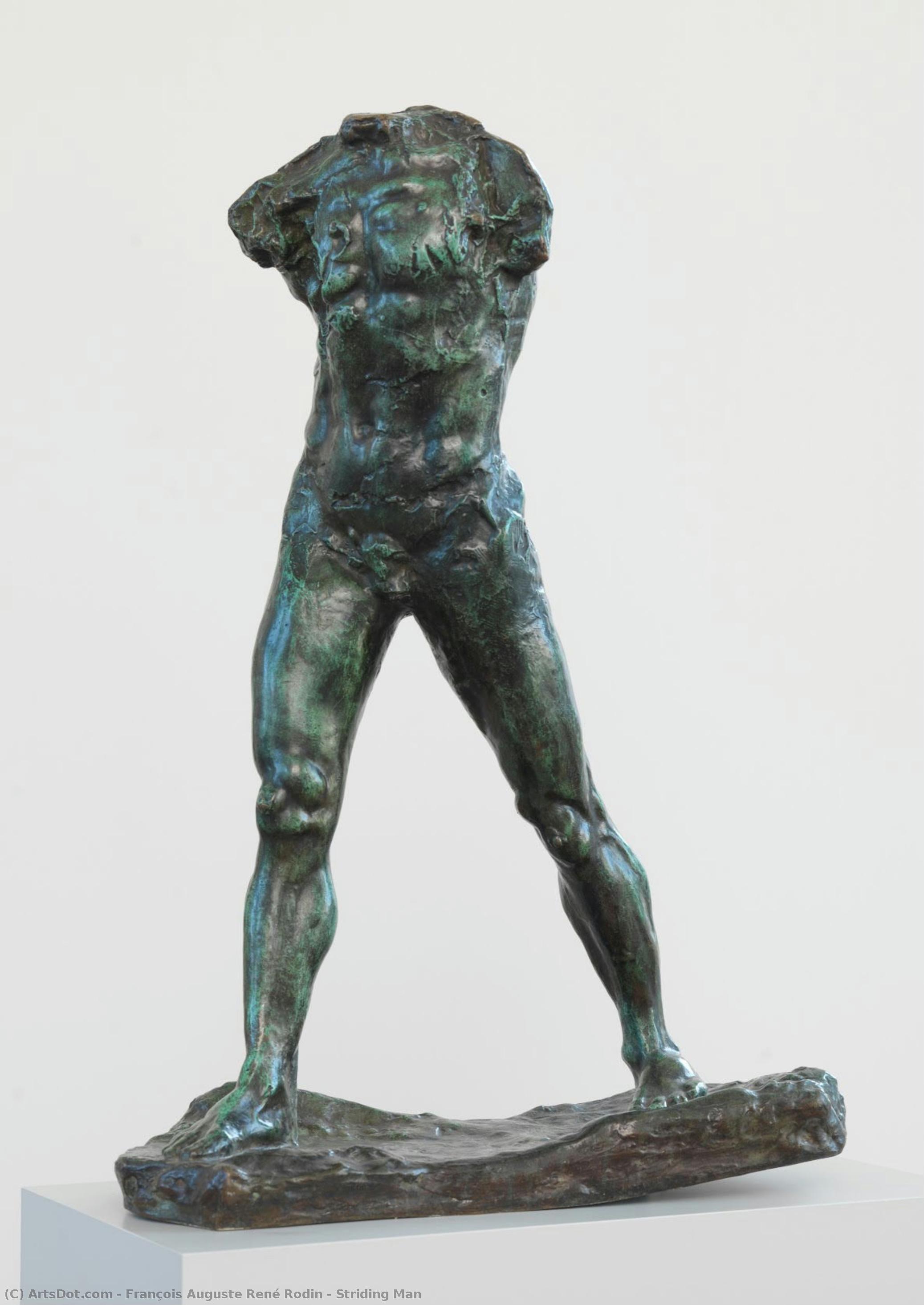
Striding Man
 Sculpture Bronze
- Other
- Contemporary Realism
 1900
1900 9.0 x 27.0 cm
 シュタットリッヒェ・クンストハレ・カールスルーエ
 詳細を見る
詳細を見る




































作品のオリジナル比率に合わせた、当店の規定サイズからお選びください。

特定のフレームやスペースに合わせて、ご希望のサイズをご入力いただけます。選択されたサイズが元の画像の比率と異なる場合、アートワークをトリミングするか、手描きで要素を追加して絵画を拡張いたします。デジタルモックアップ を制作し、制作開始前にご確認(承認)をいただきます。
画面上のプレビューは、実際のトリミングや拡張を正確に反映しているものではありません。最終的な構図は、モックアップによってのみ正確にご確認いただけます。
カスタムサイズもご利用いただけますが、元の比率を維持するためには、あらかじめ用意されたリストからサイズを選択することをお勧めいたします。
ご注文後、OriginalUniqueArt.com チームより詳細な指示をお送りするとともに、仕上がりイメージ(モックアップ)をご提供いたします。


 ガラスオプションは、110cm未満のサイズでのみご利用いただけます。

Striding Man
複製技法
複製画のサイズ
-


合計金額
$ 300
作品解説
Striding Man: A Testament to Human Resilience
The sculpture "Striding Man," created by François Auguste René Rodin in 1900, stands as an enduring emblem of human determination and contemplation—a cornerstone of modern sculptural expression. Crafted from bronze, a material chosen for its permanence and ability to capture subtle nuances of form, the piece embodies Rodin’s signature blend of realism and emotional depth, reflecting his profound engagement with the complexities of the human psyche. Its placement within the Musée Rodin in Paris underscores its significance as one of the artist's most celebrated works, attracting visitors from across the globe who seek to connect with the spirit of artistic innovation.A Study in Dynamic Form
Rodin’s meticulous approach to modeling—a technique honed through years of apprenticeship—is evident in every curve and contour of “Striding Man.” The statue depicts a male figure caught mid-movement, arms outstretched as if striving upwards, conveying an impression of restless energy and aspiration. This dynamic pose contrasts sharply with the stillness inherent in sculpture, demonstrating Rodin’s mastery of capturing fleeting gestures and embodying psychological states. Detailed plaster studies were undertaken to dissect the musculature of the torso and legs, ensuring anatomical accuracy while simultaneously channeling raw emotion into the sculpted form. The sculptor skillfully utilized negative space—the voids between muscle groups—to heighten visual impact and emphasize the figure's physicality.The Palette of Aged Bronze: Texture and Symbolism
The bronze surface possesses a distinctive patina – a greenish hue resulting from oxidation over time – which lends an air of solemn grandeur to the sculpture. This coloration isn’t merely aesthetic; it symbolizes the passage of time and the enduring legacy of artistic endeavor. The rough, uneven texture mirrors the casting process itself, highlighting the materiality of the artwork and grounding it in the tangible realities of craftsmanship. Lines define the musculature of the figure, creating a sense of movement and strength—a visual representation of resilience and unwavering resolve. Rodin’s deliberate choice of material speaks to his belief that sculpture should communicate not only form but also feeling, mirroring the human experience itself.Historical Context: Impressionism's Legacy
“Striding Man” emerged during the twilight years of Impressionism, a movement that championed capturing fleeting moments of sensory experience and prioritizing subjective perception over objective representation. While Rodin’s style diverges from Impressionistic ideals—favoring sculptural form rather than painterly brushstrokes—he nonetheless absorbed influences from this influential artistic tradition. The pursuit of emotional truth—a hallmark of both Impressionism and Rodin's oeuvre—reflects a broader cultural preoccupation with exploring the inner life and confronting existential questions. This sculpture serves as a powerful reminder that art transcends stylistic conventions, communicating universal themes of human struggle and aspiration across generations.Emotional Resonance: Contemplation and Resolve
Ultimately, “Striding Man” invites viewers to contemplate the nature of perseverance—the unwavering commitment to overcoming obstacles and striving towards one's goals. The upward gaze of the figure embodies hope and ambition, while the outstretched arms symbolize a yearning for transcendence. Rodin’s masterful manipulation of form and texture achieves an extraordinary feat: conveying profound psychological depth through purely visual means. It remains a testament to the enduring power of sculpture to inspire contemplation and communicate timeless truths about the human condition—a masterpiece that continues to captivate audiences worldwide.アーティストの略歴
生い立ちと芸術への目覚め
フランソワ・オーギュスト・ルネ・ロダンは、1840年11月12日、フランスのパリに質素な家庭に生まれました。幼少の頃から絵を描くことに興味を示しましたが、その才能がすぐに開花したわけではありませんでした。名門エコール・デ・ボザールへの入学を試みましたが、3回も不合格となる苦難の時期を経て、装飾石工としての実地訓練を通して芸術の基礎を築き始めました。この初期の経験は、彼の技術的なスキルを磨き、素材と形式に対する深い理解を育む上で非常に貴重なものとなりました。学術的なホールではなく、石や粘土という具体的な現実の中で、将来の革新の種がまかれたのです。妹マリーの死という深い個人的な喪失もまた、彼に大きな影響を与え、一時的に宗教生活への傾倒を促しましたが、最終的には芸術に専念することを決意しました。この感情的な深さは、彼の作品の特徴となり、それまででは珍しかった生々しい人間性を表現する原動力となりました。伝統からの脱却:石における新しい言語
ロダンの芸術的旅は、当時の主流であったアカデミックな基準からの意識的な逸脱によって特徴づけられます。古典的な技法を習得しながらも、彼は理想化された形態や物語の硬直性を拒否しました。代わりに、一瞬の変化する人間の感情、思考の重み、内面の複雑さを捉えようと試みました。初期の作品『青銅時代』(1877年)は、その写実性と神話的または寓意的な主題の欠如から論争を巻き起こしました。批評家たちは彼の彫刻が自然主義的すぎると感じ、彫刻に期待される洗練された完璧さを欠いていると批判しました。しかしロダンは、揺るぎない芸術的信念に突き動かされ、粘土や石の表面を粗く表現し、ダイナミックな構成を探求することで、運動感と心理的な強度を表現しました。この革新的なアプローチは、従来の美の概念に挑戦し、彫刻表現の新時代を開拓しました。象徴的な形態:思考者、接吻、そしてそれ以降
ロダンの遺産は、『思考者』(1880-1882年)や『接吻』(1886-1898年)、『カレーの市民』(1884-1895年)など、世界中の観客に共鳴し続ける一連の象徴的な彫刻によって確固たるものとなりました。元々『地獄の門』の一部として構想された『思考者』は、哲学的な熟考の象徴となり、その力強い形態は人間の思考と実存的な問いかけの重みを体現しています。情熱的な愛を祝う『接吻』は、官能的な美しさと感情的な親密さで知られています。『カレーの市民』は、百年戦争中に6人の市民が示した勇気と犠牲に捧げられた記念碑であり、ロダンの彫刻的形態を通して深い人間ドラマを描き出しています。これらの作品は単なる肉体の表現ではなく、心理的な深みと感情的な共鳴を込めた人間の条件を探求したものでした。彼は不完全さや苦痛を描くことをためらわず、それらの質が人間の経験に不可欠であることを認識していました。彼の彫刻にはしばしば未完成の表面が見られ、それは創造的プロセスそのものへの証として意図的に残されていました。永続的な影響:ロダンの芸術史における位置づけ
20世紀初頭までに、ロダンは国際的な名声を得て、おそらく彼の時代の最も有名な彫刻家となりました。彼の作品は、伝統的な制約から解放され、新しい表現方法を探求することを促すことで、次世代のアーティストに大きな影響を与えました。彼は19世紀の写実主義から近代彫刻への移行における重要な人物と広く考えられています。感情的な強度、心理的な深み、革新的な形態の使用を重視した彼の姿勢は、表現主義やキュビズムなどの運動の基礎を築きました。今日、ロダンの彫刻は世界中の美術館やコレクションで見ることができ、特にパリにあるロダン美術館では、彼の生涯にわたる作品が展示されています。彼の影響は彫刻にとどまらず、絵画、文学、映画にも及んでいます。さらなる探求:美術館と主要な作品
- ロダン美術館(パリ): ロダンの芸術的ビジョン全体を体験するには必見の目的地です。
- ナショナル・ギャラリー・オブ・アート(ワシントンD.C.): ロダンの創作プロセスに関する洞察を提供する、彼の作品の大規模なコレクションを所蔵しています。
- スタンフォード大学キャンター芸術センター: アルベール=エルネスト・キャリエ=ベルリューズの胸像など、注目すべき作品が展示されています。
- 探求する主要な彫刻:
- *思考者* – 熟考と知性の普遍的な象徴。
- *接吻* – 愛と情熱を代表する象徴的な表現。
- *カレーの市民* – 犠牲と勇気を示す力強い描写。
- *洗礼者ヨハネ* - ロダンの形態を通して激しい感情を伝える能力を示しています。
- ジャン・ド・フィエヌスの小さな頭部(手を持つ)- 細部に精通した彼の才能を示す親密な肖像画の研究。

オーギュスト・ロダン
1840 - 1917 , 日本
基本情報
- Artistic Movement Or Style: 近代彫刻
- Artists Or Movements Influenced By This Artist: 現代彫刻
- Date Of Birth: 1840年11月12日
- Date Of Death: 1917年11月17日
- Full Name: フランソワ・オーギュスト・ルノルドラン
- Nationality: フランス人
- Notable Artworks (List Of Titles):
- 考える人
- 接吻
- カレーの市民
- Place Of Birth (City And Country): フランス、パリ
関連記事

The Enduring Legacy of Bronze Sculpture: Technique, Symbolism & Cultural Impact
Explore the rich history & enduring appeal of bronze sculpture with expert insights for collectors. Learn about casting techniques, iconic artists, collecting tips & contemporary interpretations at OriginalUniqueArt.
Barbara Hepworth: A Sculptural Dialogue with Form, Space & the Human Condition
Explore the profound world of Barbara Hepworth's sculpture. Discover her artistic evolution, iconic forms, and lasting influence on modern art. A guide for collectors & enthusiasts.

Umberto Boccioni: Dynamism, Futurist Ideals & the Evolution of Modern Sculpture
Explore the revolutionary art of Umberto Boccioni, a leading figure of Futurism. Discover his iconic sculptures & paintings, and delve into the movement's impact on modern art history with OriginalUniqueArt.
Henry Moore: Sculpting Modernity – Form, Emotion & the Human Condition
Explore the revolutionary sculptures of Henry Moore – abstract forms, reclining figures & powerful expressions of the human condition. Discover his legacy & artistic process with OriginalUniqueArt.

François-Auguste Rodin: Revolutionizing Sculpture Through Emotion & Modernity
Explore the revolutionary world of Auguste Rodin, the founder of modern sculpture. Discover his iconic works like 'The Kiss' & 'The Thinker,' innovative techniques, and lasting impact on art history. A deep dive into emotion and realism.

